
Reviewed · HISTORICAL TOURS
Explore Little Africa : Unveiling Afro Heritage in Rio de Janeiro
In This Review
- Little Africa is Rio’s untold backbone
- Key points before you go
- Why Little Africa changes how you see Rio
- Meeting at Santuário de Santa Rita and using the VLT to reset
- Stop 1: Matriz da Paroquia de Santa Rita and a decolonial lens
- Stop 2: Instituto de Pesquisa e Memoria Pretos Novos (IPN) and the weight of archaeology
- Stop 3: MUHCAB in Gamboa—Afro-Brazilian culture as place and identity
- Stop 4: Cais do Valongo—where the port district tells the hardest part
- Stop 5: Pedra do Sal and why religion and history overlap
- Stop 6: Largo São Francisco da Prainha—Little Africa’s symbolic territory
- The guides make or break it—how to get more out of your tour
- Walking, timing, and what to pack (especially for photos)
- Price and value: is $82.53 worth it?
- When this tour is the best fit (and when it isn’t)
- Should you book this Little Africa tour?
- FAQ
- How long is the Little Africa tour in Rio?
- What’s included in the price?
- Where do you meet and where does the tour end?
- Are the museums open every day?
- What if the weather is bad?
- Is the tour suitable for people with mobility limitations?
Little Africa is Rio’s untold backbone
Little Africa is one of Rio’s most meaningful neighborhoods stories, told through places that shaped Brazil’s Black communities. This 3.5-hour walk-plus-sightstop route focuses on Afro-Brazilian memory, with a decolonial lens that doesn’t soften the past.
I love two things most: the lineup of sites is built for context (not just photo stops), and the way the guides connect the dots between slavery, survival, religion, and community space. There’s also a short ride on the city’s VLT public transport, which keeps things moving without turning it into a bus tour.
One thing to plan for: there’s real walking, and the tour isn’t recommended for people with limited mobility. Also, if you care a lot about late-day photos, the timing can affect light as the tour wraps up.
More heritage walks through the Little Africa district
- Rio de Janeiro: Little Africa Heritage Walking Tour★ 4.9 · 177 reviews
- African Heritage: Gastronomy and Musicality Experience★ 5.0 · 39 reviews
- Jewish Tour in Rio de Janeiro★ 5.0 · 37 reviews
- Rio Jewish Heritage Half-Day Tour★ 5.0 · 35 reviews
Key points before you go
- Start at Santuário de Santa Rita and end at Largo da Prainha in Saúde, so you’ll finish near a different neighborhood than you started.
- Max 20 people means it stays personal enough to ask questions.
- Two museum-style stops help anchor the story: Instituto de Pesquisa e Memoria Pretos Novos and MUHCAB.
- Valongo Wharf is a must-see anchor point in the port district, tied directly to the African Diaspora in Rio.
- Bring comfortable shoes; some stops are external views with walking between them.
Why Little Africa changes how you see Rio
Rio can be easy to experience as scenery: coastlines, viewpoints, big landmarks. This tour nudges you toward a different way of seeing the city—through forced migration, resilience, and Black cultural presence that shaped Rio long before it became a tourist brand.
What makes this route especially compelling is the sequence. You don’t jump randomly from one famous location to another. Instead, you move through places tied to memorialization and heritage, from church space and archaeological memory to cultural museum territory and port-history ground zero.
The overall tone is honest. The tour focuses on Afro-Brazilian history and culture as lived reality, not just distant “heritage.” That matters because it changes what you notice when you stand in these places: names, street geography, religious landmarks, and the feeling that the story still sits in the city fabric.
Meeting at Santuário de Santa Rita and using the VLT to reset
You start at Santuário de Santa Rita in Centro (Largo de Santa Rita, s/n). It’s a practical meeting point and it signals that this tour begins with heritage that’s still active in daily life—religious space, public memory, and community identity.
From there, the group makes its way through the route with a short included ride on the VLT (public tram). I like this detail because it saves your legs without isolating you in a vehicle the whole time. It also gives you a chance to see how the city moves in everyday ways, not just as a set of tourist backdrops.
If you’re traveling solo, couples, or with family, this “walk, then ride briefly” rhythm is usually the right balance. It keeps momentum, and it reduces the chance you’ll feel stuck in long transfers.
Still browsing Rio de Janeiro? These are the ones we go back to

Stop 1: Matriz da Paroquia de Santa Rita and a decolonial lens
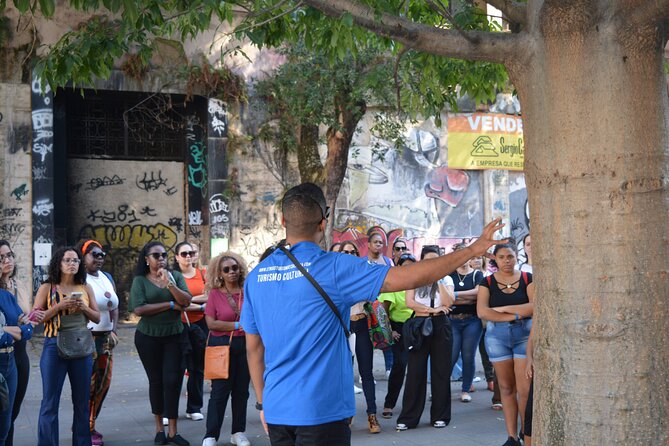
The first stop is an external visit to Matriz da Paroquia de Santa Rita, with cultural and heritage-based content. The key word here is decolonial narrative. You’re not just hearing architecture talk—you’re getting a story about how colonial power shaped public history, and how communities remember anyway.
This stop is short (about 20 minutes), but it works like a compass. It helps you understand why later sites matter. If you only focus on the biggest name locations later, you can miss the “why” behind the route.
Practical tip: when you reach a church or historic façade, don’t rush. Look for context: surroundings, entryways, and how the place sits in its neighborhood. Even when you’re only outside, the space has meaning.
Stop 2: Instituto de Pesquisa e Memoria Pretos Novos (IPN) and the weight of archaeology
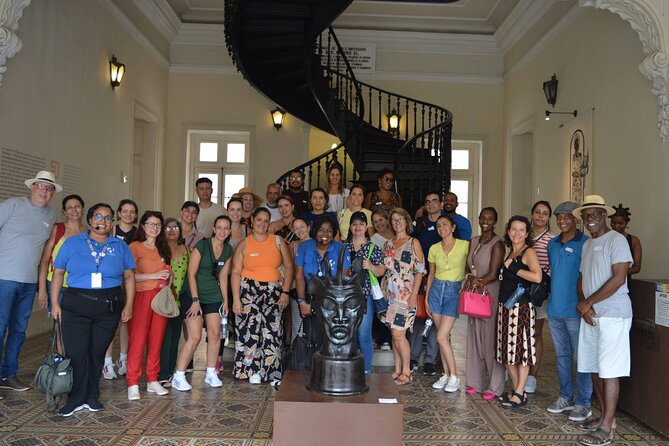
Next comes Instituto de Pesquisa e Memoria Pretos Novos (IPN). This is the kind of stop that gives the tour its emotional authority. The visit runs around 40 minutes and includes admission.
The IPN is presented as an archaeological memory institution in Rio. Even when you’re not inside every exhibit detail, it’s the type of place that makes the story concrete. You’re walking the line between history and physical evidence, and the difference is huge. It’s harder to treat slavery as an abstract chapter when memory is placed in the ground and interpreted carefully.
From the tour feedback, a recurring strength is how guides handle heavy material professionally. People specifically praised guides like Carolina and Rafael/Raphael (names vary across reviews) for making the information both clear and compassionate.
One consideration: the subject matter can be polarizing. If you prefer a light, entertainment-only style, this one may feel intense. If you want the full reality of Rio’s past and its present effects, this stop is the heart of that mission.
Stop 3: MUHCAB in Gamboa—Afro-Brazilian culture as place and identity
After IPN, you’ll visit MUHCAB (Museu da História e da Cultura Afro-Brasileira) in the Gamboa region. This is another stop of about 40 minutes. It’s described as a territory museum focused on Afro-Brazilian history and culture.
I like this stop because it shifts from “memory and evidence” toward “culture as identity.” When you stand in a museum tied to territory, you can feel the argument: culture wasn’t only survival—it became community, expression, and continuity.
Also, you’re moving through different kinds of learning:
- external heritage storytelling (church and landmarks)
- a memory and research institution (IPN)
- an Afro-culture museum space (MUHCAB)
That variety helps your brain stay engaged. You’re not just hearing; you’re also seeing different kinds of framing.
Stop 4: Cais do Valongo—where the port district tells the hardest part
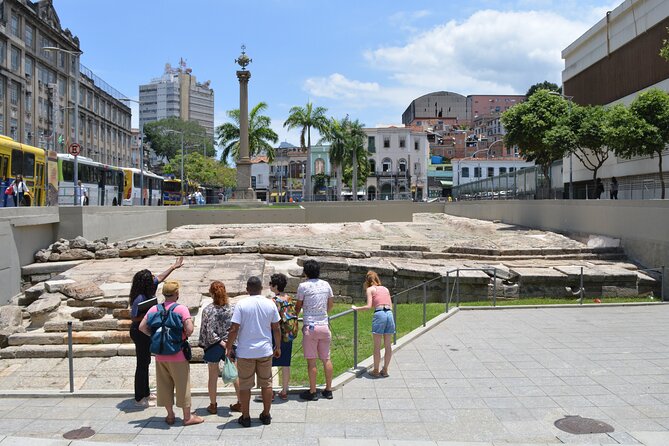
Then you reach Cais do Valongo, the Valongo Wharf, in the port district. The tour gives about 30 minutes here, and it’s admission free because it’s a site you visit from the outside as a historic location.
This is one of the biggest anchors on the route. The wharf is identified as a former wharf area between modern streets in Rio’s port zone. In other words: you’re standing where the city’s maritime history and forced migration intersect.
If you’ve ever felt that famous landmarks don’t explain Rio’s real backbone, this stop is the fix. It’s the kind of place that changes how you interpret the city’s relationship with arrival, transport, labor, and survival.
Photo note: at street-level sites like this, wide photos don’t always work. Step back for context, then zoom in on details. You’ll usually get better images and better understanding.
Stop 5: Pedra do Sal and why religion and history overlap
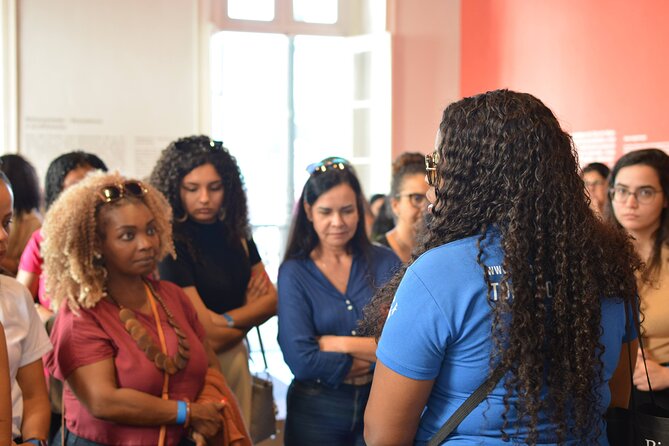
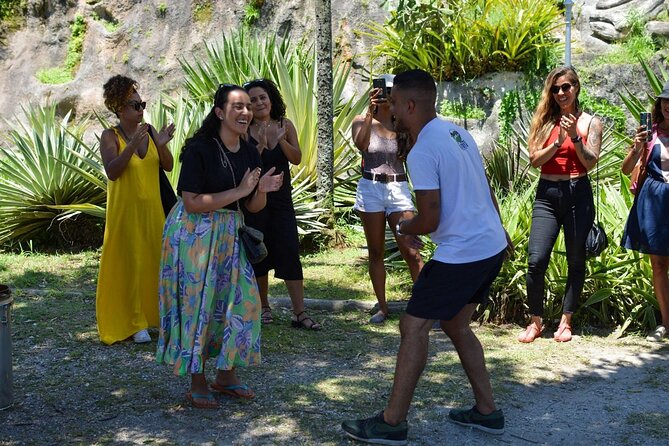
Next is Pedra do Sal in the Saúde neighborhood, also around 25 minutes and an external visit. The landmark is described as a historical and religious marker near Largo da Prainha.
What you’re looking for here is overlap: history doesn’t live only in museums. It lives in religious places and in landmarks that communities keep meaningful. This stop helps connect the “big picture” (port history and memorial institutions) to lived community identity in the streets.
If you enjoy cultural anthropology—how people mark space, how faith travels, how tradition persists—this part will reward you. It’s short, but it’s a bridge.
Stop 6: Largo São Francisco da Prainha—Little Africa’s symbolic territory
Finally, you end at Largo São Francisco da Prainha, about 20 minutes. This square is described as a symbolic territory of Little Africa marked by Black presence and the zungus, and today it’s considered one of the coolest places by Time Out.
That last sentence matters because it explains the stakes of the tour: the places connected to suffering and survival are also connected to modern life, culture, and community energy. You’re not just learning what happened. You’re seeing what endured.
The tour ends at R. São Francisco da Prainha, 7, at Largo da Prainha. That’s a helpful detail for planning your next stop: you finish in an area where you can keep exploring nearby on your own.
The guides make or break it—how to get more out of your tour
This is one of those tours where the guide’s skill shows fast. In the reviews, names like Raphael, Rafael, Carolina, Malu, Val, and Carol come up with praise that clusters around a few traits:
- passion that keeps the pace alive
- the ability to explain significance, not just dates
- professionalism when discussing slavery and its lasting impact
One standout detail from the feedback: guides reportedly adjusted pacing for people who couldn’t manage all the walking. That’s a good sign if you have family members who need slower steps.
My practical advice: bring questions. Even if you feel like you already know what “slavery history in Brazil” is, ask how the sites connect—port to memory institution, memory institution to cultural museum, museum to religious landmark and public square.
If your Spanish or Portuguese is limited, you’ll still be fine in general. The tour is based for visitors using English, and guide performance in English is mentioned as a strong point in the feedback.
Walking, timing, and what to pack (especially for photos)
The tour runs around 3 hours 30 minutes. That’s not all walking, but it’s not a sit-and-stroll either. Wear shoes you can move in for the full route. Reviews specifically call out comfortable footwear because the tour includes a considerable amount of walking plus the short tram.
Timing is the next thing to think about. One review flagged that when the tour ended as it got dark, photos suffered. But the operator also notes why the tour is preferably in the afternoon: Rio heat can be extreme, people tend to get starving and lose attention, and after 2 pm the sun goes down, making the walking more manageable once people are fed and relaxed.
So here’s the balanced take:
- If photos are your priority, consider an earlier slot so you aren’t racing the sunset.
- If heat is your priority, afternoon can feel better even if the last minutes get dim.
Either way, bring a phone charger or battery pack if you plan to take lots of pictures.
Price and value: is $82.53 worth it?
At $82.53 per person, you’re paying for a focused half-day experience with multiple meaningful stops, plus included tickets and transport support.
What makes it good value is what’s inside the price:
- all fees and taxes
- a ticket for The New Black Institute (included in the package)
- a short ride on the VLT (included)
- admission is included at least for the IPN-style stop, while other stops are external views
What’s not included:
- lunch
- tips
I’d treat this as an “education with impact” price point. The route isn’t a random sightseeing loop; it’s a memory-and-culture route. If you compare it to one-off museum tickets plus a private guide, the price can feel fair. If you’re planning to eat during the tour, set aside time for that yourself—because the package doesn’t include lunch.
One more detail: the tour caps at 20 travelers, which usually helps the experience feel personal rather than rushed.
When this tour is the best fit (and when it isn’t)
This tour is a strong choice if you want to understand Rio through Afro-Brazilian heritage rather than only through postcard landmarks. It’s also a great option if you like tours that explain meaning—how places link to the African Diaspora and how public memory works.
It’s especially worth your time if:
- you care about honest history presented thoughtfully
- you like cultural museums and memorial institutions
- you want a guide who can connect multiple stops into one story
It may not be for you if:
- you need step-free access or have mobility limitations (it’s not recommended for disabled people)
- you want a short, low-walking tour
- you want something purely celebratory without confronting slavery and its legacy
Should you book this Little Africa tour?
I think you should book it if you want Rio with context—Port history, Black memory, cultural identity, and a guided explanation that doesn’t treat these as side notes. The combination of IPN, MUHCAB, Cais do Valongo, and the ending square at Largo São Francisco da Prainha gives you a full arc: evidence, culture, place, and ongoing significance.
Skip it only if your mobility needs don’t match the walking involved, or if you’re looking for a light, purely scenic outing. For most people who want a meaningful half day, this one earns its top ratings.
FAQ
How long is the Little Africa tour in Rio?
It lasts about 3 hours 30 minutes.
What’s included in the price?
The tour includes all fees and taxes, the ticket for The New Black Institute, and a short ride on the VLT public transport. Lunch and tips are not included.
Where do you meet and where does the tour end?
You start at Santuário de Santa Rita in Centro and the tour ends at R. São Francisco da Prainha, 7 in Saúde, at Largo da Prainha.
Are the museums open every day?
Not always. The New Black Institute is closed on Sundays, and from 16th December to 5th January and during Carnival season, all the museums will be closed.
What if the weather is bad?
The experience requires good weather. If it’s canceled due to poor weather, you’ll be offered a different date or a full refund.
Is the tour suitable for people with mobility limitations?
The tour isn’t recommended for disabled people. The walking and external-site nature of several stops are part of the reason.
If you tell me your travel dates and whether you prefer morning or afternoon for photos, I can help you pick the best timing for this route.
More Historical Tours in Rio de Janeiro






More Tour Reviews in Rio de Janeiro






More Heritage Walks in Rio




Fresh off the review desk: newer Rio de Janeiro tours we have been out on





Historical Tours, compared.
 ★ 4.4Historic Rio and Santa Teresa Half-Day TourFrom $47228 reviews
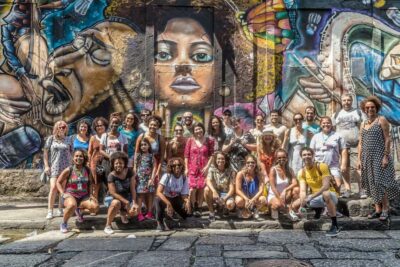 ★ 4.9Little Africa Heritage Walking TourFrom $40177 reviews
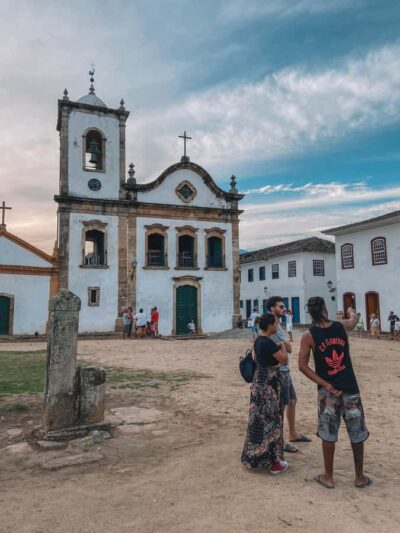 ★ 4.8Paraty: Historic Centre Walking Tour & Cachaça TastingFrom $1996 reviews
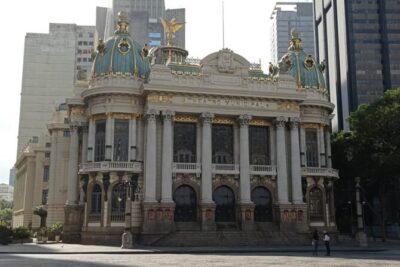 ★ 5.0Learn the History of Rio with an Unforgettable City Center Walking TourFrom $4982 reviews
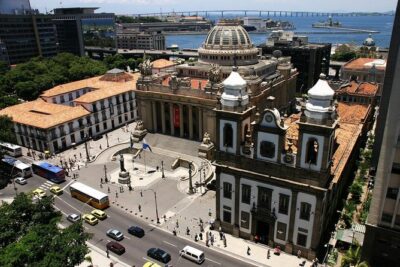 ★ 4.5Rio’s city walking tour: a glimpse of history and olympic legacyFrom $6078 reviews
 ★ 4.5Olympic Boulevard, Museum of Tomorrow & Historical RioFrom $7266 reviews
 ★ 5.0Private walk tour of Paraty’s historical center – BY PARATY TOURSFrom $8049 reviews
 ★ 4.1Olympic Boulevard, Museum of Tomorrow & History TourFrom $6747 reviews
Browse the lists this tour appears in