
Reviewed · TIJUCA FOREST & WATERFALLS
Tijuca National Park and all its wonders!
Rio has a rainforest escape right inside the city. Tijuca National Park is a guided walk through waterfalls and dense Atlantic Forest where you’re also watching for animals like sloths and monkeys. I love the mix of classic nature sights (like Taunay and Cascata da Baronesa) with real trail guidance, plus the chance to learn how the forest works on a practical, human scale.
I also like that this tour stays flexible. The hike can be set for your group’s skill level, usually landing in the 6 to 12 km range, so you can pace it instead of forcing a single “one-size” route. One drawback: the terrain is dense and the trail is hike-focused, so it’s not a good fit for people who struggle with uneven ground or breathing issues.
In This Review
- Key Things That Make This Tijuca Hike Worth Your Time
- Why Tijuca National Park Feels Different From a Typical Hike
- Meet at Praça Afonso Viseu: How the 4-Hour Format Works
- The Historical Circuit: Coffee, Livestock, and the Forest’s Comeback
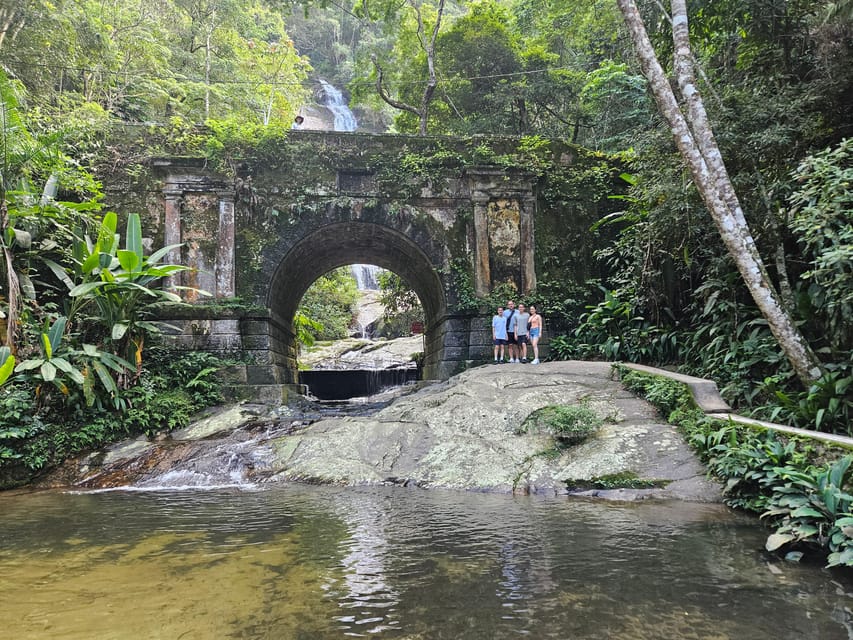
- Taunay Waterfall: A Classic Stop That Changes the Mood
- Cascata da Baronesa: More Water, More Terrain Variety
- Gruta dos Murcegos: The Bat Cave Stop You’ll Remember
- Wildlife Viewing: Sloths, Monkeys, Coatis, and the Art of Not Spooking Them
- How Hard Is 6 to 12 km in Dense Forest?
- What to Bring (And What to Leave Behind)
- Price and Value: What You’re Really Paying For
- Who This Private Tijuca Tour Suits Best
- Not a fit if you have health or mobility concerns
- The Guide Factor: Thomas Brings Energy and Adaptability
- Should You Book This Tijuca National Park Hike?
- FAQ
- Where does the Tijuca National Park hike start?
- How long is the tour?
- How far will I walk during the hike?
- What are the main highlights on this trail?
- Is this tour private?
- What languages is the guide available in?
- What should I bring for the hike?
- Is it suitable for everyone?
Key Things That Make This Tijuca Hike Worth Your Time
- Private group flexibility: you adjust distance (about 6–12 km) to match your pace.
- Real waterfall time: stops at Taunay and Cascata da Baronesa keep the walk exciting.
- Gruta dos Murcegos stop: a memorable cave setting tied to bats (murcegos).
- Wildlife spotting with context: you learn what you’re seeing, not just that you saw it.
- Certified guidance in the park: experienced tour leaders with Atlantic Forest know-how.
- Environmental awareness on the ground: the tour supports conservation and partners with NGOs.
Deeper into the Tijuca forest and its waterfalls
- Rio de Janeiro: Christ, Selaron Steps, and Tijuca Park Tour★ 4.7 · 857 reviews
- Rio de Janeiro: Guided Jeep Tour through Tijuca Rainforest★ 4.3 · 740 reviews
- Jeep Adventure: Guided Tour through Tijuca Rain Forest★ 4.0 · 554 reviews
- Rio: Tijuca Forest Small Group Hike to Caves and Waterfalls★ 4.9 · 536 reviews
Why Tijuca National Park Feels Different From a Typical Hike
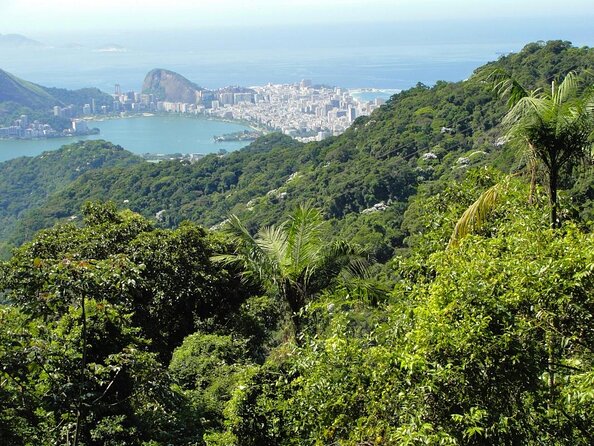
Tijuca National Park is one of those places that sounds too good to be true until you’re there. It’s the biggest urban park in the world (about 40 km²), which means you’re hiking in real rainforest without having to disappear into a faraway wilderness. The air, the humidity, and the constant plant life make the trail feel like a different Rio—one that happens right next to where city life plays loud music.
What makes this experience especially satisfying is the guided lens. The route isn’t just a checklist of pretty spots. You’re walking a historical landscape too. The trail links nature with the way Brazilians once used the area—growing coffee and raising livestock—and you’ll talk about how the ecosystem interacts with those changes over time.
And yes, you’ll be watching for animals. This park is known for sightings like sloths, monkeys, and coatis, so you’ll learn what to look for and how to behave when wildlife is around (quiet steps, no crowding, and staying on-trail).
Meet at Praça Afonso Viseu: How the 4-Hour Format Works
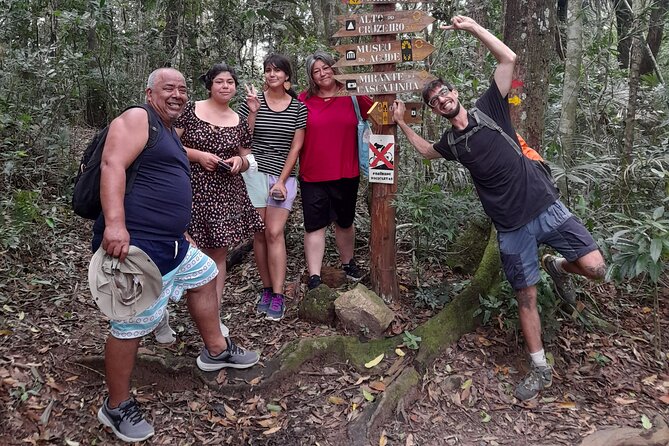
Your tour starts at Praça Afonso Viseu, where there’s a big sign for Tijuca National Park, and the hike ends back at the meeting point. That’s a simple rhythm that helps when you’re trying to plan around Rio traffic and changing weather.
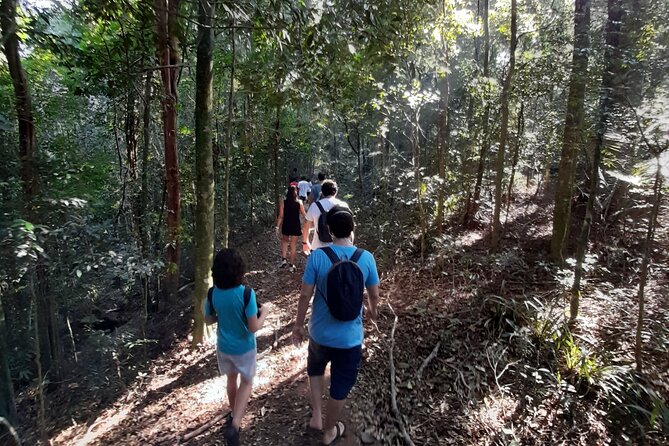
The duration is about 4 hours, but the real “time on your feet” depends on your group’s chosen pace and the trail you use that day. Because it’s a private group, you’re not stuck with a single fast route if your legs or energy levels say otherwise. Your guide can steer you toward a more relaxing or more challenging version of the hike, still keeping the key sights in reach.
This format is ideal if you want nature without losing a whole day. In a city like Rio, that matters. A half-day plan lets you keep dinner plans, beach time, or a museum visit without scrambling.
The Historical Circuit: Coffee, Livestock, and the Forest’s Comeback
A standout part of this experience is the historical circuit. You walk through parts of the park that connect to the way the area was used in the past—when people grew coffee and raised livestock there. That matters because it frames what you see now. You’re not just staring at trees; you’re seeing an ecosystem shaped by human use and later protection.
As you hike, your guide talks through plant characteristics and how animals interact with the environment. This is the kind of information that turns random sightings into something you can track. Instead of only thinking, There goes a monkey, you start noticing behaviors and signs—movement in the canopy, foraging patterns, and where animals tend to appear along the route.
For me, this is one of the best ways to appreciate Tijuca. The park has big natural drama—waterfalls, caves, steep forest—but the historical context gives your hike a storyline you can remember later.
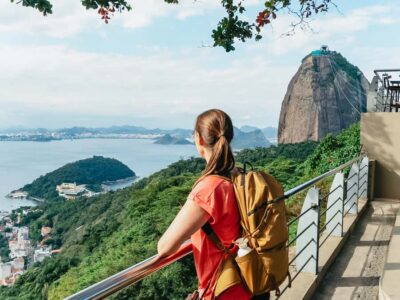




Taunay Waterfall: A Classic Stop That Changes the Mood
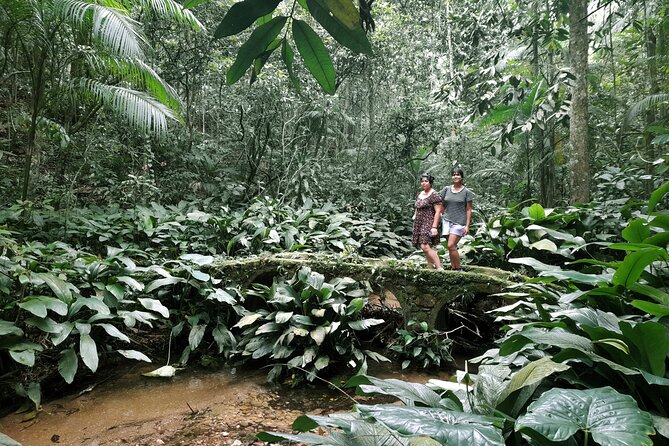
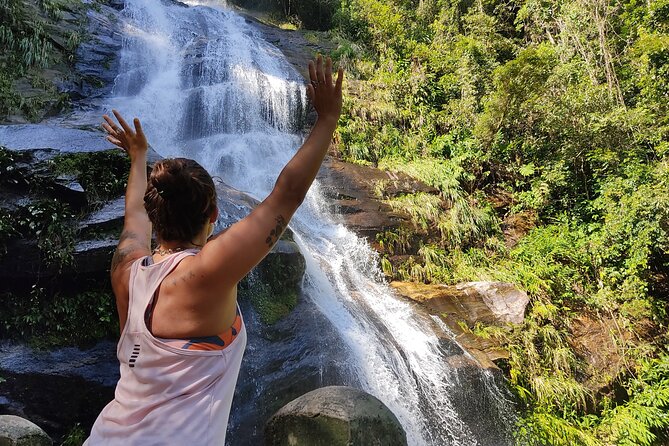
Taunay Waterfall is one of the tour highlights, and it’s the kind of stop that resets your senses. Water adds sound and cooling air, and it also changes the trail texture. Expect a shift from steady walking to short pauses—watching, taking photos, and letting the group regroup.
Even if it’s not the only waterfall you see, it’s a useful one. Early on, it helps you understand how your guide is managing the pace and the route. If you’re prone to tiring quickly on hills, this is a good place to feel out your rhythm before continuing.
Practical tip: wear footwear with good grip. Waterfall areas can mean damp patches and slick stones. Bring a towel for later too, because the forest air and mist can leave you damp even when the sky looks fine.
Cascata da Baronesa: More Water, More Terrain Variety
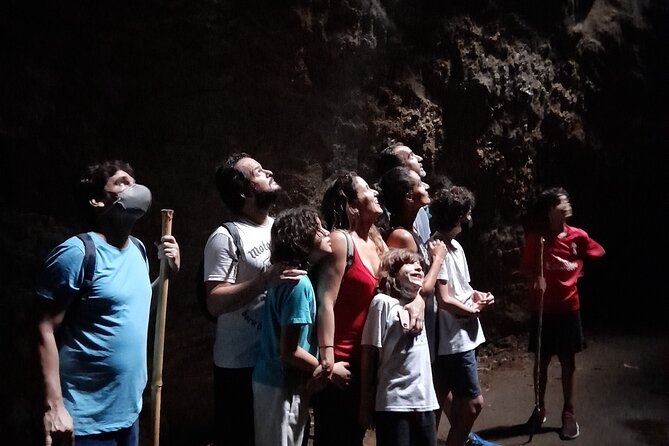
After Taunay, the hike continues toward Cascata da Baronesa, another named waterfall stop. This is where the experience starts to feel like a “choose-your-adventure” forest hike. You get more time with water, but you also get more trail variation as the route continues through thick forest.
What I like here is the contrast. Waterfall stops can start to blur if a tour only hits one or two “pretty points.” With both Taunay and Cascata da Baronesa, you get multiple chances to stop, look closely, and understand that water shapes the trail in different ways—what you hear, where you pause, and how you move.
This is also a good moment to check your gear: camera settings, insect repellent coverage, and whether your shoes are staying dry enough. In a dense forest, conditions can change fast even within the same outing.
Gruta dos Murcegos: The Bat Cave Stop You’ll Remember
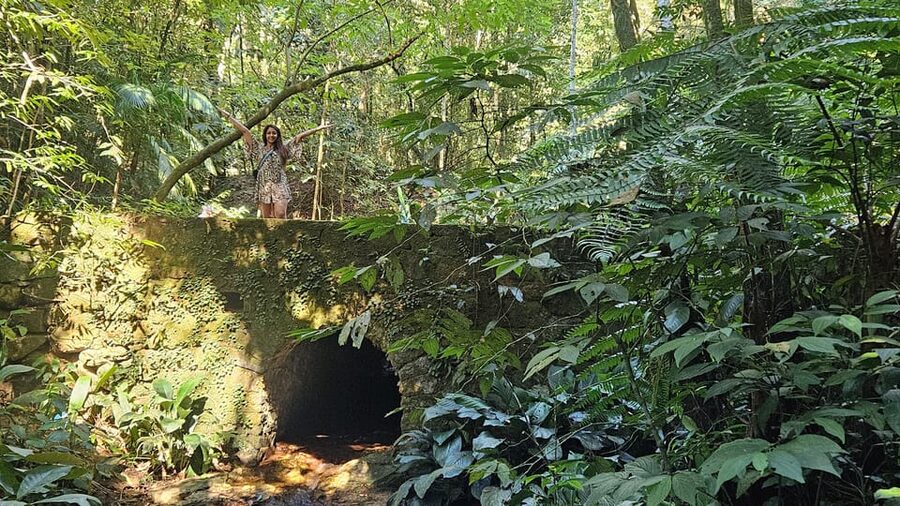
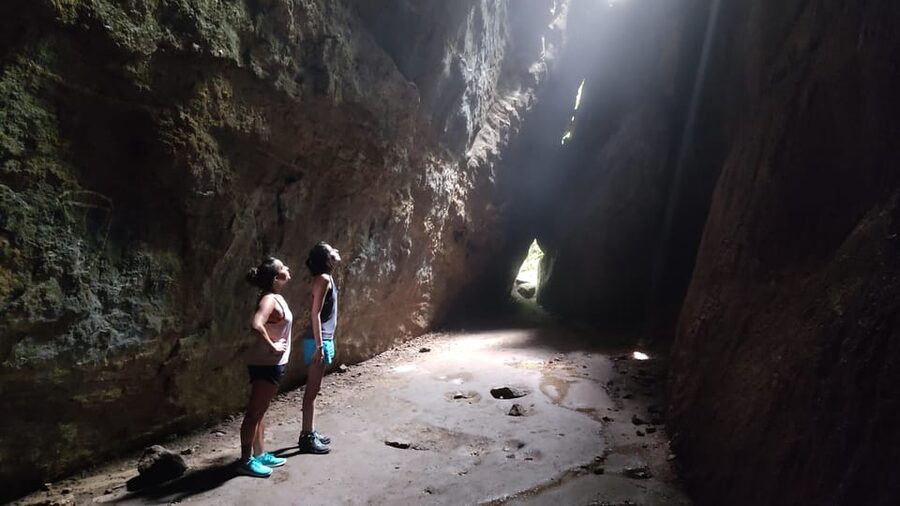
The tour includes a stop at Gruta dos Murcegos. The name points you straight to bats (murcegos), and the cave setting is exactly the kind of stop that makes this hike feel more than just “a walk in the park.”
Because this is a guided experience, you’re not just wandering into a cave space. You’re there for a controlled look at the environment, which is important in natural cave areas. The value isn’t only the scene; it’s also learning what makes caves special and how bats fit into the local ecosystem.
What you should know: caves and cave-adjacent areas typically demand extra caution. Footing can be uneven, and lighting can be tricky. So keep your camera ready but don’t rush—slow steps and steady focus beat frantic scrambling.
Wildlife Viewing: Sloths, Monkeys, Coatis, and the Art of Not Spooking Them
This tour is built around wildlife viewing, with a real chance to spot larger animals like sloths, monkeys, and coatis. The key difference between seeing wildlife and just passing by it is guidance. A guide helps you notice small clues: movement timing, likely feeding areas, and what kinds of behaviors tend to show up along certain stretches of trail.
You’ll also get plant and animal explanations tied to how the environment works together. That means you can appreciate what you’re seeing beyond the moment. A coati isn’t just a cute animal sighting; it’s part of the forest’s daily system.
One more thing: your presence affects wildlife. In a dense park, you’ll do best by staying calm and letting the guide set expectations. If your group leans in too quickly or moves noisily, animals often disappear into cover.
How Hard Is 6 to 12 km in Dense Forest?
The hike distance can run from 6 to 12 km depending on your skills level and the trail chosen. That’s a wide range, and it’s there for a reason: Tijuca is a dense forest, and the terrain is part of the experience. Hills, uneven ground, and frequent roots or muddy patches can make “6 km” feel longer than you expect.
This is still manageable for many people with decent walking fitness, especially because it’s a private group and your guide can tailor the route. But you should plan as if it’s a hike, not a casual stroll.
If you’re unsure where you fit, go conservative. Shoes, pacing, and hydration matter more than trying to hit the maximum distance. This is a park where comfort helps you enjoy the waterfalls and wildlife stops.
What to Bring (And What to Leave Behind)
You’ll have a much better time if you come prepared. Hiking sticks are included, which is a win if the trail has steep sections or slick patches. Still, you should bring your own setup for comfort and safety.
Bring:
- Comfortable shoes (and ideally hiking shoes with grip)
- A change of clothes and a towel
- Camera
- Food and drinks
- Outdoor clothing
- Biodegradable insect repellent
Leave at home / not allowed:
- High-heeled shoes
- Bare feet
- Alcohol and drugs
- Fireworks
- Fishing
One practical mindset: pack for a forest outing, not just for walking. Your clothes might get damp, insects can be active, and you’ll likely want a towel once you’re done.
Price and Value: What You’re Really Paying For
The price is listed at $51 per person for a 4-hour private guided hike. That’s not the cheapest option in Rio, but it’s also not just for scenery.
You’re paying for:
- A professional tour guide with more than 10 years of experience in the Parque Nacional da Tijuca
- A guided experience that includes wildlife viewing and history talk, not just walking between stops
- Hiking sticks included
- A private group setup that can adapt your route between 6 and 12 km
For me, the value comes from the “how” as much as the “where.” A waterfall photo is easy to get anywhere. Knowing where and when to look for wildlife, understanding the historical circuit, and walking safely through dense forest—that’s the part that’s hard to self-do well.
Who This Private Tijuca Tour Suits Best
This hike is best for people who like guided walking and want nature plus context in a single morning/afternoon. You’ll likely enjoy it if you:
- Want a half-day plan that still feels substantial
- Enjoy wildlife viewing and learning what you’re seeing
- Like waterfalls, caves, and forest trails more than city sightseeing
- Prefer a flexible route rather than a fixed itinerary pace
It’s a private group, so it also suits couples and small groups who don’t want to sync with a crowd.
Not a fit if you have health or mobility concerns
The tour says it’s not suitable for pregnant women, people with mobility impairments, wheelchair users, people with respiratory issues, people with epilepsy, people over 80, people over 75, people with pre-existing medical conditions, and anyone with recent surgeries. Babies under 1 year aren’t suitable either.
If you’re in any of those categories, it’s worth choosing a different kind of Rio nature outing.
The Guide Factor: Thomas Brings Energy and Adaptability
The reviews highlight a guide named Thomas, and the themes matter. You’ll want someone who can shift the hike to match your group. That’s exactly what Thomas is described for: friendliness, quick adaptation to needs, and a strong knowledge of Tijuca and Rio.
That adaptability is a big deal on a forest trail. One group might want more wildlife pauses. Another might want to focus on steady walking and keep moving. When the guide can adjust without losing quality, everyone ends up happier—and the hike stays fun instead of stressful.
Should You Book This Tijuca National Park Hike?
Book it if you want a guided Atlantic Forest experience with named stops, real wildlife viewing, and a historical story about coffee and livestock in the park’s past. The private group format and the adjustable 6–12 km distance make it easier to match your pace to your fitness.
Skip it if you want a low-effort walk, if you can’t handle dense, uneven terrain, or if any of the listed health and mobility limits apply. This tour is hiking-first. If your body can handle that, Tijuca rewards you with waterfalls, caves, and the kind of forest atmosphere you can feel in your lungs.
If you do book, plan smart: wear grippy shoes, bring insect repellent, pack a towel, and accept that you’re going into a rainforest where the trail is part of the attraction.
FAQ
Where does the Tijuca National Park hike start?
It starts at Praça Afonso Viseu, at the square with a big sign of the Tijuca National Park.
How long is the tour?
The guided hike lasts about 4 hours. Starting times vary, so you’ll need to check availability.
How far will I walk during the hike?
The route is designed for roughly 6 to 12 km, depending on your group’s skills level and the trail chosen.
What are the main highlights on this trail?
Key highlights include Taunay waterfall, Cascata da Baronesa, and Gruta dos Murcegos.
Is this tour private?
Yes, it’s a private group tour.
What languages is the guide available in?
The live guide speaks Portuguese, English, and Spanish.
What should I bring for the hike?
Bring comfortable or hiking shoes, outdoor clothing, a change of clothes, a towel, food and drinks, and a camera. Biodegradable insect repellent is also recommended.
Is it suitable for everyone?
The tour is not suitable for pregnant women, wheelchair users or people with mobility impairments, people with respiratory issues, people with epilepsy, people over 80 (and also over 75), people with pre-existing medical conditions, people with recent surgeries, and babies under 1 year.
More Tour Reviews in Rio De Janeiro






More of the Tijuca Forest



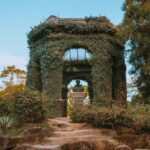
Fresh off the review desk: newer Rio De Janeiro tours we have been out on
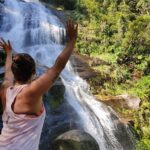




Tijuca Forest & Waterfalls, compared.
 ★ 4.7Christ, Selaron Steps, and Tijuca Park TourFrom $68857 reviews
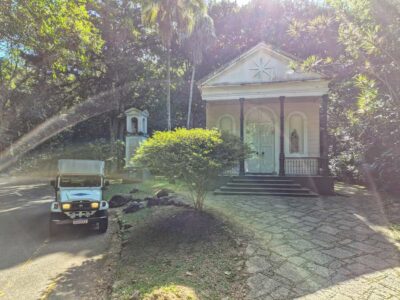 ★ 4.3Guided Jeep Tour through Tijuca RainforestFrom $90740 reviews
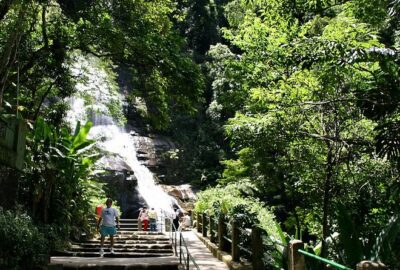 ★ 4.0Jeep Adventure: Guided Tour through Tijuca Rain ForestFrom $88554 reviews
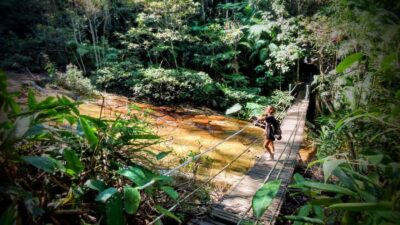 ★ 4.9Tijuca Forest Small Group Hike to Caves and WaterfallsFrom $69536 reviews
 ★ 4.7Paraty: Jungle Waterfalls and Cachaça Distillery Jeep TourFrom $37491 reviews
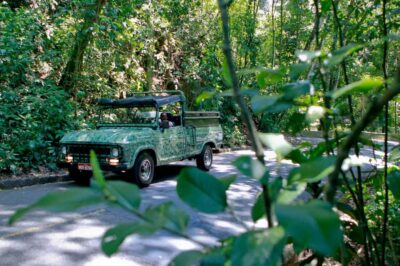 ★ 4.5Half-Day Jeep Tour at Floresta da TijucaFrom $60353 reviews
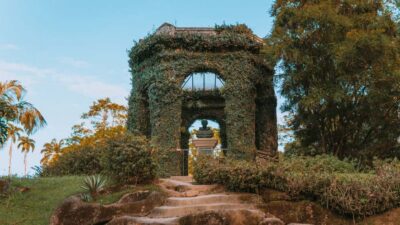 ★ 4.34-Hour Botanical Garden & Tijuca Forest TourFrom $51275 reviews
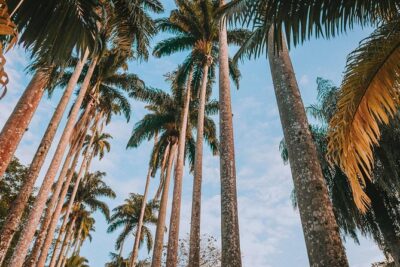 ★ 4.5Rio de Janeiro Botanical Garden & Tijuca Forest TourFrom $55168 reviews
Browse the lists this tour appears in