
Reviewed · TIJUCA FOREST & WATERFALLS
Rio: Tijuca Forest Small Group Hike to Caves and Waterfalls
Rio’s rain forest feels way closer than you think. This Tijuca Forest small-group hike strings together real jungle trail time with major rainforest stops like a suspension bridge, an old chapel, and the park’s big waterfall.
I really like two things here: the waterfall shower moment near the end, and the way the guide ties the hike to Brazil’s history and the park’s re-greening story while you’re walking.
One possible drawback: wildlife sightings are not guaranteed. Some days it’s quiet, and caves/bat spots can be less dramatic depending on the season and what the animals are doing.
In This Review
- Key highlights to expect
- Tijuca Forest on foot: why this hike hits different
- The hike specs that really matter (6.2 km, 448 m gain)
- Getting picked up in Rio’s South Zone (and why it’s a win)
- Cascatinha Taunay: where the route starts turning scenic
- Mayrink Chapel (1850): old stone under green canopy
- Cova da Onça suspension bridge: short, rattly, and memorable
- The coffee plantation legacy and the park’s replanted story
- Morcego’s Grotto (Bat Cave): where the rainforest goes underground
- Baronesa Cascade: the waterfall shower moment
- Wallace Fountain and other “Rio history” anchors along the way
- What you’ll likely notice about wildlife (and what you can’t force)
- Pacing, timing, and the realistic “how long will this take?”
- What to bring so the day feels good, not annoying
- Guides as the secret sauce: why names keep popping up
- Price check: is $69 good value for this half-day?
- Who should book (and who should skip)
- Should you book this Tijuca Forest hike?
- FAQ
- How long is the Rio Tijuca Forest small group hike?
- How far is the hike and how steep is it?
- Is hotel pickup included?
- Do I need to be a strong hiker?
- Are meals or water included?
- What wildlife can I expect to see?
- What are the key stops on the route?
- What should I bring for the hike?
- Who is this tour not suitable for?
Key highlights to expect
- A moderate, climb-in-your-calves circuit: 6.2 km with about 448 m elevation gain
- Caves, chapel ruins, and coffee-era traces on trails dating to the 1800s
- Cascatinha Taunay and Baronesa Cascade for big waterfall time (plus a refreshing shower)
- Morcócego’s Grotto (Bat Cave), a standout stop in the rainforest
- Bilingual guiding (English/Portuguese) with history and nature interpretation built into the walk
- South Zone hotel pickup from many Copacabana, Ipanema, Leblon, Flamengo, and Santa Teresa area hotels
Deeper into the Tijuca forest and its waterfalls
- Rio de Janeiro: Christ, Selaron Steps, and Tijuca Park Tour★ 4.7 · 857 reviews
- Rio de Janeiro: Guided Jeep Tour through Tijuca Rainforest★ 4.3 · 740 reviews
- Jeep Adventure: Guided Tour through Tijuca Rain Forest★ 4.0 · 554 reviews
- Rio: Tijuca Forest Small Group Hike to Caves and Waterfalls★ 4.9 · 536 reviews
Tijuca Forest on foot: why this hike hits different
Tijuca Forest National Park is famous, but most people experience it from a bus window. This tour gets you off the road and into the stuff that makes the place matter: shaded trails, old stone structures, and that humid “how is this so close to Rio?” feeling.
What surprised me most is how much is packed into a half-day without feeling like a rushed checklist. You move through multiple “eras” of the park—coffee plantation days, reforestation, and today’s protected rainforest—while still getting a workout. Even if you’re not a hardcore hiker, the route is designed so you can enjoy it rather than just survive it.
Also, the guide focus is practical. You don’t just hear facts. You learn what you’re looking at—plants, geology, and the wildlife logic of the area—while you’re standing there. Guides I’ve seen leading this route, like Pietro, Vini, Riccardo, Renata, and Luiza, are consistent about making the walk feel like a guided day in the jungle, not a lecture.
The hike specs that really matter (6.2 km, 448 m gain)
Let’s talk about the part you’ll feel: the hike is moderate, about 6.2 km (3.8 mi) total and roughly 2.5–3 hours of walking. Elevation gain is around 448 m (1,469 ft), with up-and-down rainforest terrain.
This is not a flat “stroll in the woods.” There are short climbs and some uneven ground—think roots, damp sections, and trails that can get slippery. If you’ve got solid casual fitness, you’ll likely be fine. If your knees give you trouble on downhill sections, take it slow and use the steady, small-step pace your guide recommends.
A helpful reality check: you’ll spend the whole day feeling the momentum of short climbs and photo stops. The day is 6 hours total, but that includes driving time and stops—not just walking time.
Getting picked up in Rio’s South Zone (and why it’s a win)
One of the biggest value perks is hotel pickup and drop-off from designated places in Rio’s South Zone. The tour focuses on neighborhoods like Copacabana, Ipanema, Leblon, Leme, Flamengo, Catete, Glória, Santa Teresa, and Praia de Botafogo (and nearby areas like Urca are included in the pickup coverage).
That matters because Tijuca can be a pain to reach by yourself unless you already know your way around. Having the transport handled means you can show up with less stress, keep your bag simple, and spend energy on the hike instead of figuring out routes.
The pickup list is extensive, and if your exact hotel isn’t on the pickup map, you’ll be directed to a nearby meeting point. Expect a short ride into the park area, then a full day back with the same handoff.
Still browsing Rio De Janeiro? These are the ones we go back to

Cascatinha Taunay: where the route starts turning scenic
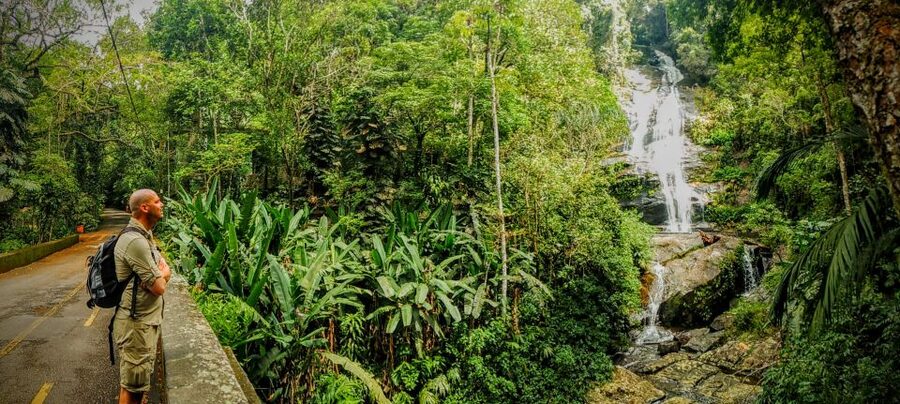
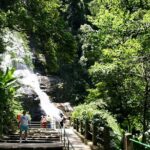
Early on, you’ll hit Cascatinha Taunay, described as the largest waterfall in the national park. It’s not just a quick glimpse. You get guided context and enough time to stop, look, and take photos.
Why this matters: a “good waterfall spot” does two jobs. It refreshes your eyes early so the rest of the forest feels like the reward, and it gives you a sense of scale for what’s coming later. The route gradually builds toward the best water moment.
If it’s cloudy or rainy, waterfalls tend to look dramatic anyway. If it’s dry, the hike still delivers, but water flow can vary—so don’t plan your whole day around a single perfect shot.
Mayrink Chapel (1850): old stone under green canopy
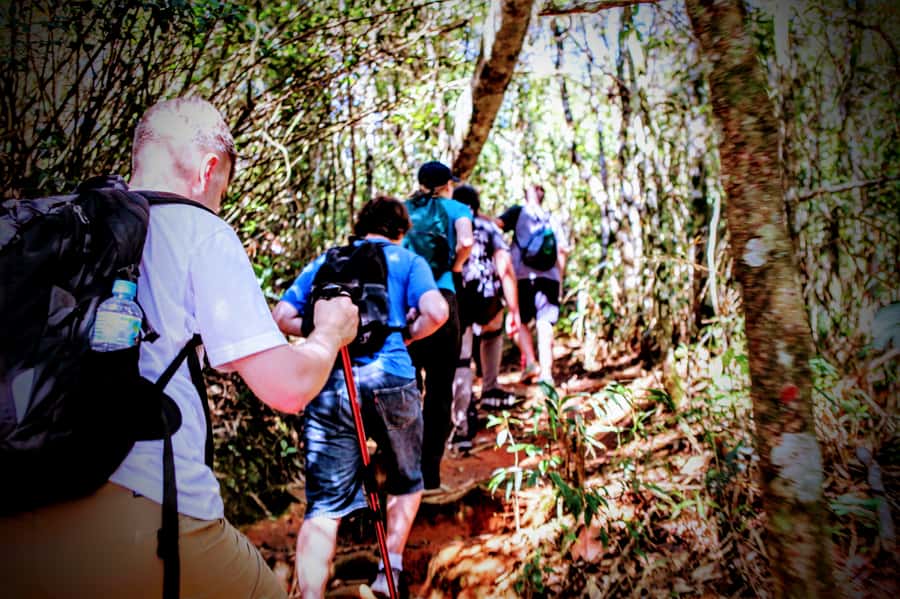
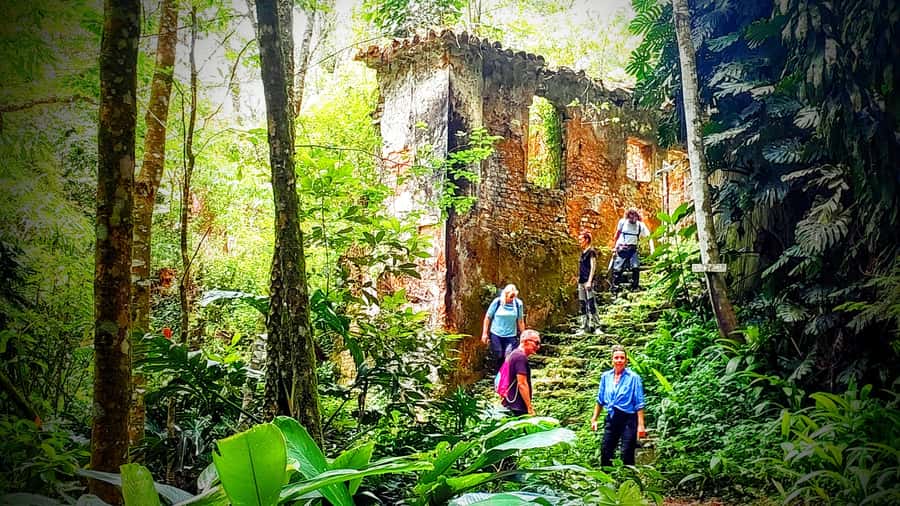
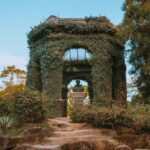
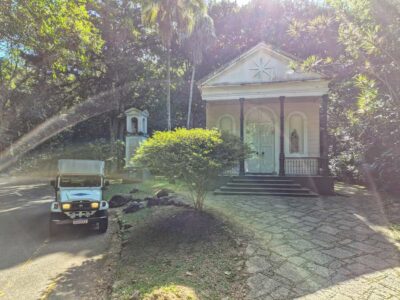
Next up is Capela Mayrink, dating to 1850. This stop is short, mostly a photo stop and sightseeing moment, but it’s a great reminder that the “urban forest” didn’t grow out of nowhere.
You’ll see how Tijuca’s story is tied to human land use—especially the era when parts of this area were coffee plantations. In a rainforest, ruins can feel slightly surreal: you’re surrounded by thick green growth, yet the stone was built for a different life.
This kind of stop is exactly why I think this tour is worth it versus a generic nature walk. You’re not just hiking. You’re reading the place while moving through it.
Cova da Onça suspension bridge: short, rattly, and memorable
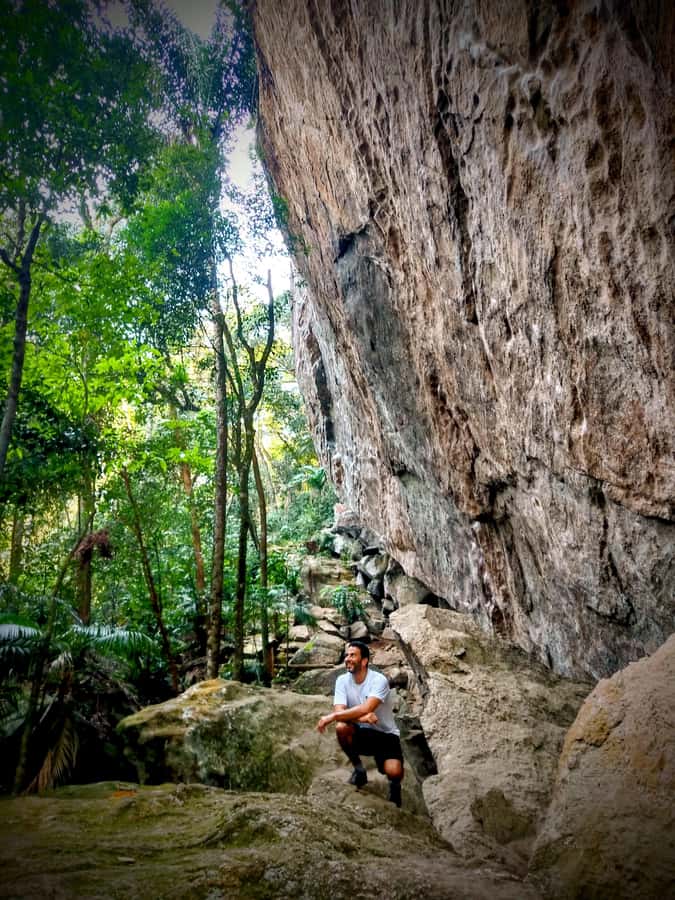
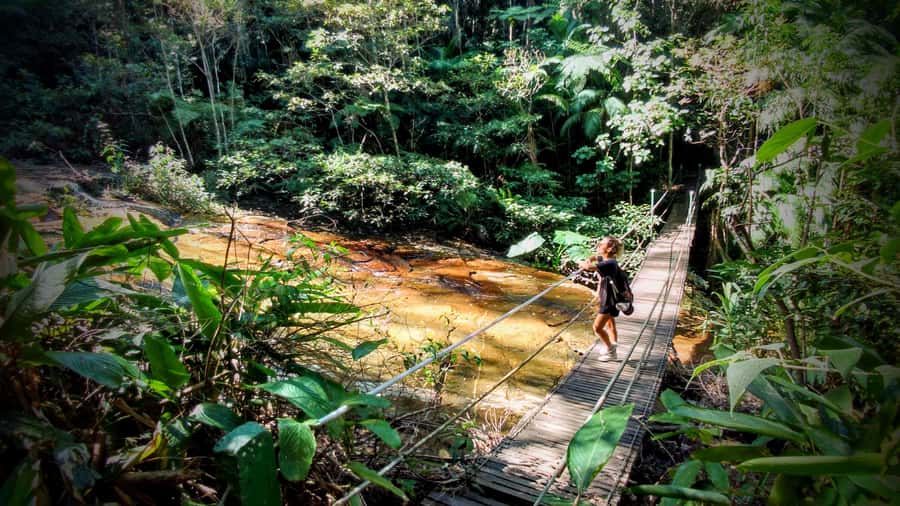
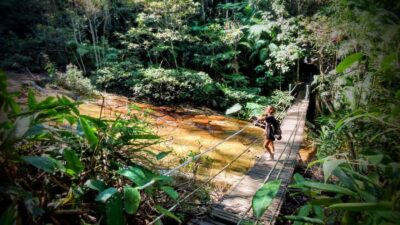
One of the more distinctive features along the circuit is Cova da Onça, a suspension bridge stop. Bridges like this in the rainforest give you two things at once: a quick thrill and a viewpoint change, letting you see the valley or canopy from a different angle.
It’s also a good moment to slow down. Suspension bridges make your body pay attention—balance, footing, and wind. That’s useful because the trail after tends to keep asking for careful steps.
If you’re afraid of heights, this is still usually manageable because the time on the bridge is limited. But you should know it’s part of the itinerary, not an optional detour.
The coffee plantation legacy and the park’s replanted story
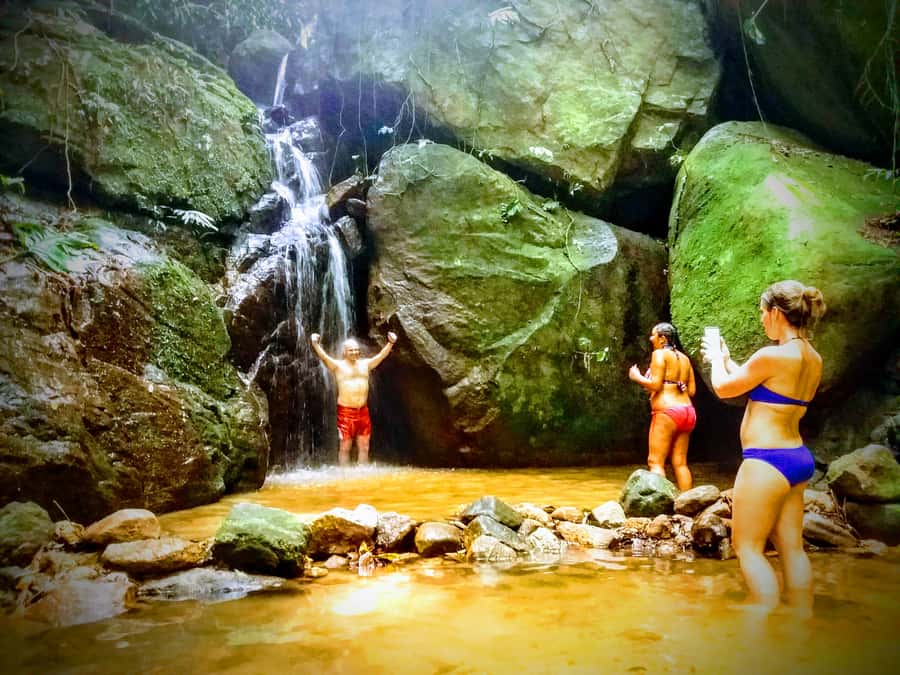
A key theme through the hike is the park’s transformation. You’ll hear how this area was occupied by coffee plantations and then became part of the world’s largest replanted urban forest.
This is where the guided history and geography part turns from trivia into meaning. Once you understand why the forest looks like this—what was replanted, what returned naturally, what was protected—you start noticing patterns in plants and growth.
You’ll also make sense of stops tied to old land use:
- Eucalyptus forest areas, including reference to an old slave cemetery (a sober stop, but part of the truth of Brazil’s past)
- Traces of structures and residences linked to the park’s older managers, which help connect today’s protection to the people who managed it before
This isn’t a theme park version of history. It’s direct, grounded, and it gives your hike context.
Morcego’s Grotto (Bat Cave): where the rainforest goes underground
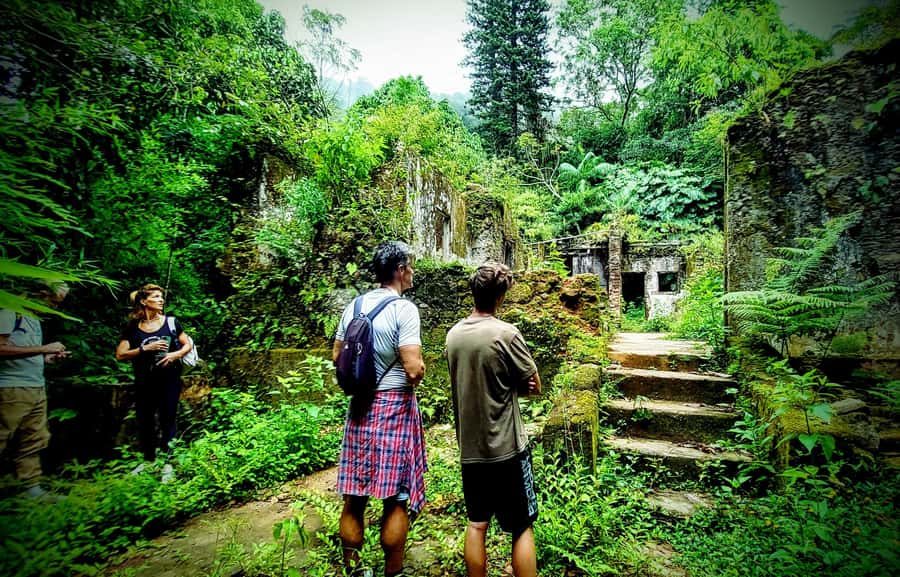
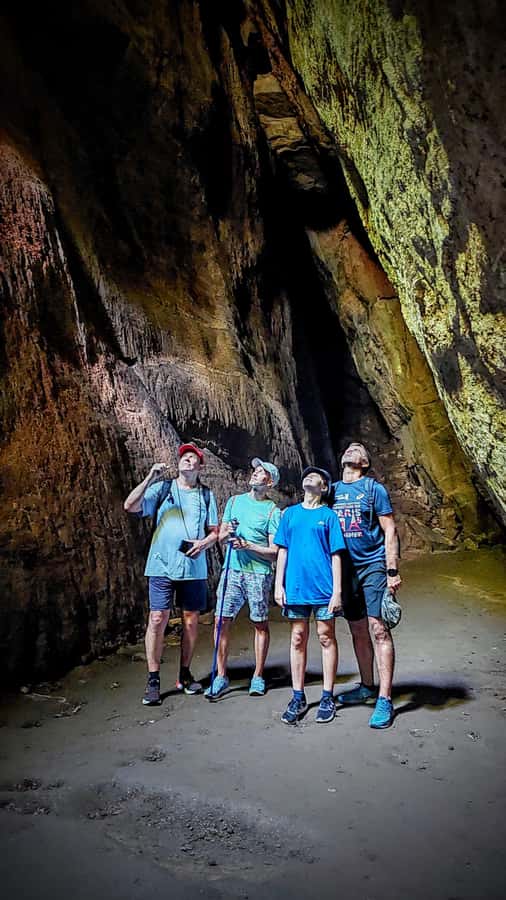
One of the biggest “wow” categories on this route is Morcego’s Grotto, also called the Bat Cave. It’s presented as the largest gneiss cave in Brazil, and you’ll have a guided visit plus a short hiking component.
Caves can be a mixed bag in terms of what you’ll see—light, humidity, and animal activity depend on season and conditions. Some days you might see bats active; other days they may be sleeping (and you’ll still learn why it matters not to disturb them).
Even when wildlife sightings are quiet, caves tend to feel intense in a good way. The air changes, the rock reads differently, and you feel the rainforest’s scale shifting from canopy to stone.
Baronesa Cascade: the waterfall shower moment
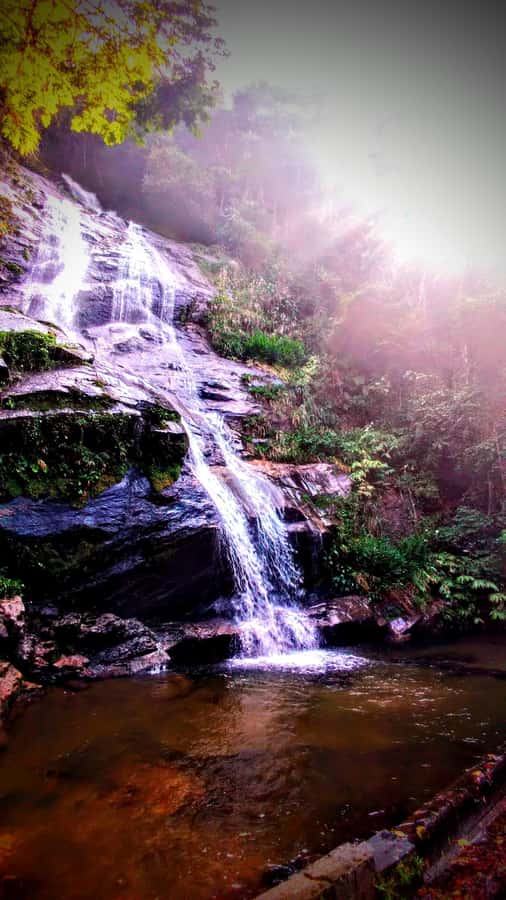
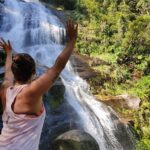
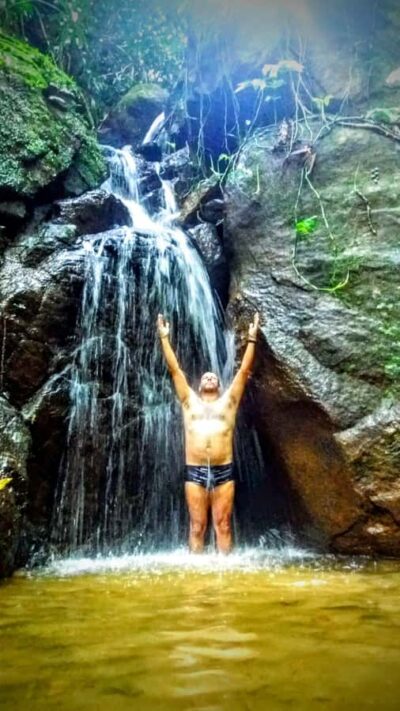
Near the end of the circuit comes Cascata da Baronesa (Baronesa Cascade), including guided sightseeing and a hike segment leading to it. This is the stop that most people remember, especially because of the waterfall shower experience.
Here’s what to plan for: if you like getting a little wet, it’s perfect. If you’re the type who hates the idea of soaking your shoes, go in with realistic expectations. The shower effect is part of why people book this hike instead of a lookout-only tour.
If it’s hot out, this stop feels like a reward. If it’s rainy, the waterfall can be even more impressive, and the jungle becomes extra slippery—so keep the pace controlled.
Wallace Fountain and other “Rio history” anchors along the way
In a hike this long, you need moments that break the immersion so your brain can reset. This route includes a few of those anchors, including the Wallace Fountain.
You’ll learn that the Wallace Fountain was a gift from English philanthropist Richard Wallace and was produced in France in 1870. The fountain’s sculpture represents goodness, charity, sobriety, and simplicity—a tidy reminder that Rio’s story also includes international links and Victorian-era philanthropy.
There are also other photo and guided stops along the circuit that connect you to the park’s managers and historic sites, including reference to the former residence of Barão d’Escragnolle, now associated with The Esquilos restaurant.
Even though these are brief, they help you understand that Tijuca isn’t just “nature.” It’s a cultural landscape shaped by decisions—some good, some painful, many complicated.
What you’ll likely notice about wildlife (and what you can’t force)
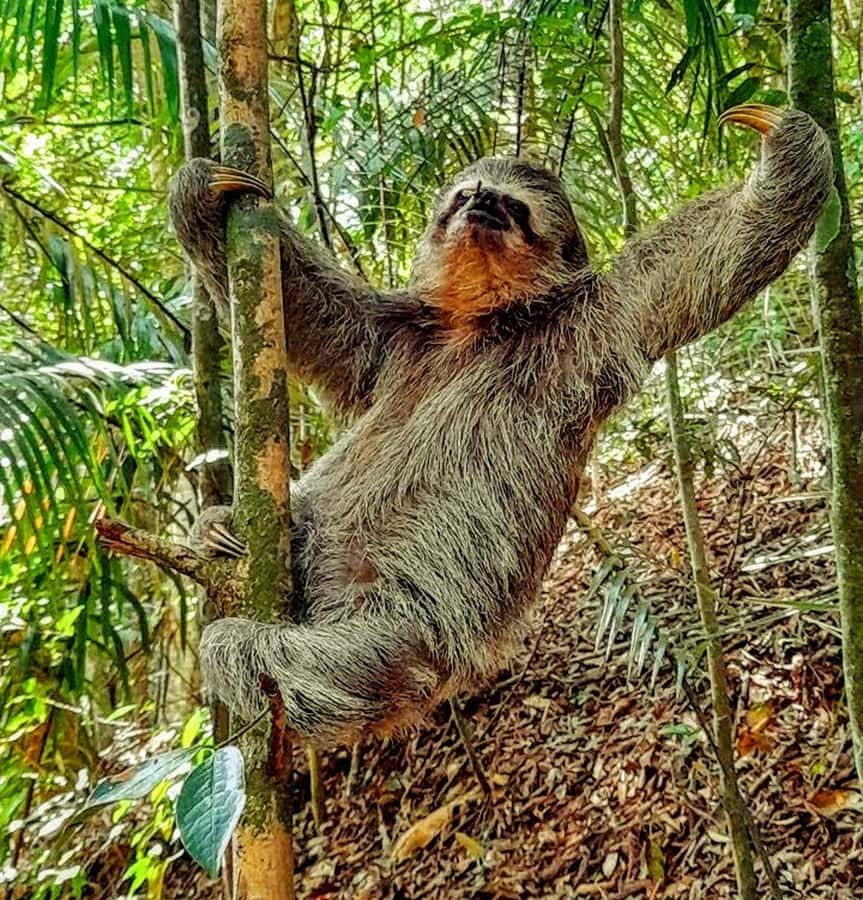
Let’s be honest: you might see animals. You might not. This tour is built around nature interpretation as much as wildlife spotting.
In practice, I’d treat it like this:
- You’re guaranteed rainforest immersion, waterfalls, and cave/chapel history.
- Wildlife is a bonus, not a promise. Some days it’s active, other days it’s quiet.
One thing I appreciated is the guide approach. When animals are present, you learn how to look for them without pushing or interfering. When they’re not, you still get value from understanding plants, bird calls, and how the ecosystem changes through the day.
If you get lucky, you may spot things like monkeys or raccoons, and you’ll still have plenty to enjoy even if your sightings are limited.
Pacing, timing, and the realistic “how long will this take?”
The tour is 6 hours total with about 2.5–3 hours of hiking. That pacing is designed so you can enjoy each stop rather than sprinting between them.
The itinerary includes multiple short segments—photo stops, guided talks, and short hiking hops (for example: a short guided walk to a grotto or bridge, then a quick waterfall approach). That rhythm is good for most people because it prevents fatigue from turning into boredom.
Still, the trail has uneven terrain. Wear your best sports shoes, keep your daypack light, and focus on steady footing more than speed. The group is small, and guides tend to manage pace gently. If someone needs slower steps, you’ll usually see it handled without drama.
What to bring so the day feels good, not annoying
This part is practical, and it can make or break your comfort.
Bring:
- Food and snacks (not included)
- Water (also not included)
- Sunscreen
- Insect repellent
- Sports shoes with grip
- Sportswear suited for hiking
- A daypack (keep it modest)
Don’t bring:
- Luggage or large bags
- Pets
- Alcohol or drugs
- Bare feet (seriously—don’t do it)
Also plan around a rainforest feel: even when it’s not raining hard, trails can be damp. Shoes with traction are not optional.
Guides as the secret sauce: why names keep popping up
Small details show up in the guide style. A lot of guides who run this route—like Pietro, Vini, Riccardo, Renata, and Luiza—share the same strengths: they keep the group engaged and connect the hike to what you’re seeing.
You’ll get bilingual interpretation (English and Portuguese), plus history and geography lessons tied directly to the rainforest. It turns “I’m walking through trees” into “I’m walking through a rebuilt ecosystem with a human past.”
That’s why this tour feels like more than exercise. You’re learning while you’re moving, and the stories make the forest stick in your memory.
Price check: is $69 good value for this half-day?
At $69 per person for a 6-hour experience, the value comes from three areas:
1) Real logistics help
Hotel pickup and drop-off in Rio’s South Zone takes away the biggest hassle of getting to Tijuca on your own.
2) Multiple major sites, not one main stop
You’re combining waterfalls, cave time, chapel/ruin history, and scenic/bridge moments into one loop.
3) Guiding that connects nature + history
This isn’t only a nature walk. The guide’s job is to explain plants and wildlife alongside Brazilian history and geography, which makes your time feel purposeful.
If your main goal is a single viewpoint, this might feel expensive. If your goal is a structured day in the park with guided context and enough walking to feel accomplished, it’s priced like a tour that earns its keep.
Who should book (and who should skip)
This is a great fit if you:
- want an active rainforest day without doing a long trek
- enjoy history that’s tied to real places
- like small-group guiding and stop-and-look moments
You should be cautious or skip if you have:
- heart problems
- trouble with steep or uneven hiking terrain
- concerns about caves or wet footing during waterfall time
This isn’t built for wheelchair users.
Should you book this Tijuca Forest hike?
If you want more than a quick look at Tijuca—and you like your Rio days to include forest trails, waterfalls, and real history context—this is an easy yes. The price makes sense when you factor in hotel pickup, the variety of stops, and the fact that the guide story keeps pace with your steps.
Book it especially if you’re visiting Rio for a short time and you want one experience that covers nature, culture, and a bit of adventure. Just go in with the right expectations on wildlife: the forest is the main event, and the animals are the bonus.
If that sounds like your kind of day, you’ll be happy you went.
FAQ
How long is the Rio Tijuca Forest small group hike?
The tour runs for about 6 hours total, including hiking time and guided stops. Walking time is roughly 2.5–3 hours for the moderate hike.
How far is the hike and how steep is it?
The hike is around 6.2 km (about 3.8 mi) with about 448 m (1,469 ft) of elevation gain. Expect up-and-down rainforest terrain.
Is hotel pickup included?
Yes, transportation is included from designated hotels and hostels in Rio’s South Zone (including neighborhoods like Copacabana, Ipanema, Leblon, Leme, Flamengo, Santa Teresa, Glória, Catete, and Praia de Botafogo).
Do I need to be a strong hiker?
You should be in good enough shape for a moderate hike with uneven rainforest ground. The route includes steep sections, so you’ll want comfortable sports shoes and stable footing.
Are meals or water included?
No. Food and water and drinks are not included, so you’ll need to bring them along, plus snacks.
What wildlife can I expect to see?
Wildlife sightings are not guaranteed. The tour focuses on nature, plants, and wildlife interpretation, and your actual animal sightings can vary by day and conditions.
What are the key stops on the route?
You’ll visit a circuit of sites including Cascatinha Taunay, Mayrink Chapel, Cova da Onça suspension bridge, the Eucalyptus forest area with historical reference, Morcego’s Grotto (Bat Cave), and Cascata da Baronesa, plus additional viewpoints and photo stops.
What should I bring for the hike?
Bring food and drinks, snacks, sunscreen, water, insect repellent, sports shoes, sportswear, and a daypack.
Who is this tour not suitable for?
It’s not suitable for people with heart problems and it isn’t suitable for wheelchair users. Pets are also not allowed.
More Hiking & Trekking in Rio De Janeiro





More Tour Reviews in Rio De Janeiro





More of the Tijuca Forest



Fresh off the review desk: newer Rio De Janeiro tours we have been out on




Tijuca Forest & Waterfalls, compared.
 ★ 4.7Christ, Selaron Steps, and Tijuca Park TourFrom $68857 reviews
 ★ 4.3Guided Jeep Tour through Tijuca RainforestFrom $90740 reviews
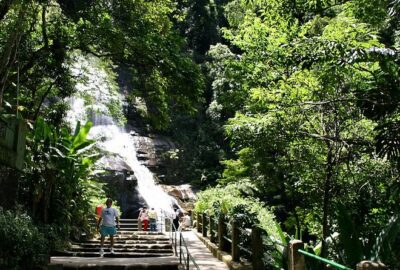 ★ 4.0Jeep Adventure: Guided Tour through Tijuca Rain ForestFrom $88554 reviews
 ★ 4.7Paraty: Jungle Waterfalls and Cachaça Distillery Jeep TourFrom $37491 reviews
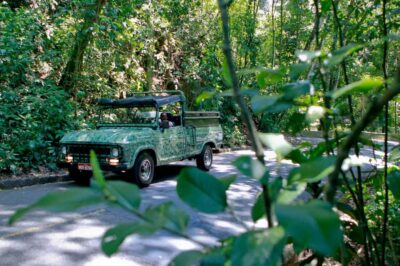 ★ 4.5Half-Day Jeep Tour at Floresta da TijucaFrom $60353 reviews
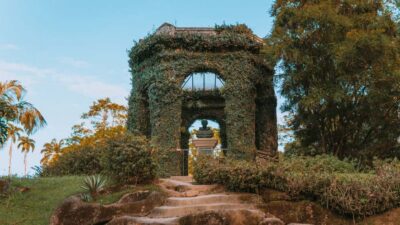 ★ 4.34-Hour Botanical Garden & Tijuca Forest TourFrom $51275 reviews
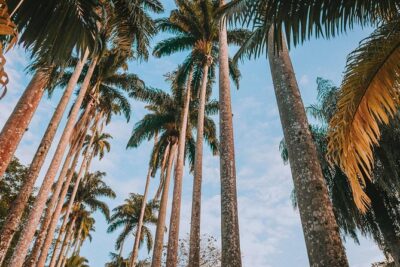 ★ 4.5Rio de Janeiro Botanical Garden & Tijuca Forest TourFrom $55168 reviews
 ★ 4.9Tijuca Forest Challenge Hike Full-Day TripFrom $86163 reviews
Browse the lists this tour appears in