
Reviewed · HISTORICAL TOURS
Rio de Janeiro: Afrobrazilian Heritage & Black History Walk
A slave trade story in the open air. That’s what makes this walk powerful and practical. I like how it grounds big history in walkable downtown Rio stops like Cais do Valongo and Pedra do Sal, and I also like the focus on living culture—samba roots and Afro-Brazilian faith. One heads-up: you’ll be facing heavy material about the trafficking system, not just pretty streets and photos.
You get a guide of African descent from Rio, and the route is built around places you can actually see and point at as the story unfolds. The vibe is serious, but it doesn’t feel stuck in a textbook. Still, this is a walking tour that runs in rain or shine, so bring the gear and pace yourself.
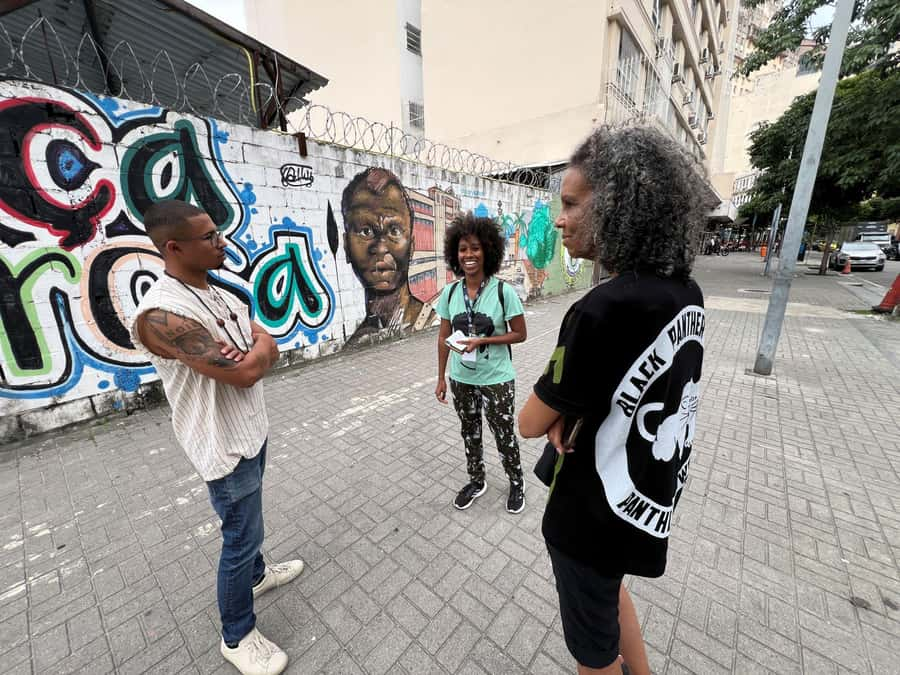
If you’re lucky enough to have a guide like Kelly or Jaíse (names that have come up in previous departures), you’ll see how turning research into everyday storytelling can change how you read the city. And yes, you’ll also see art along the way, including a major mural stop at Estúdio Kobra.
In This Review
- Key things you’ll notice on this Rio heritage walk
- Starting at Praça Mauá: the walk begins where Rio shows its layers
- Cais do Valongo UNESCO: the Atlantic slave trade told with geography
- Largo São Francisco da Prainha and downtown stops that anchor the story
- The Estúdio Kobra mural stop: art as public memory
- From Pedra do Sal to Little Africa: samba roots you can actually stand on
- Food time at Pedra do Sal (plan for it, but don’t assume it’s included)
- Candomblé, umbanda, and the Orishas: religion explained without turning it into a show
- Duration, pace, and what to bring for a 150-minute walk
- Price and value: is $64 worth it for this kind of history?
- Accessibility and who this walk suits best
- Should you book this Rio Encantos heritage walk?
- FAQ
- Where does the tour meet?
- How long is the tour?
- How much does it cost?
- What languages is the tour guide available in?
- Which World Heritage site do we visit?
- Is food included?
- Does the tour run in bad weather?
- Is the tour wheelchair accessible?
- Are pets allowed?
- Can I organize a private group date?
Key things you’ll notice on this Rio heritage walk
- Valongo Wharf UNESCO stop: you’ll visit the transatlantic slave trade memory site tied to the biggest Atlantic slave market.
- Pedra do Sal as Little Africa: you’ll connect the neighborhood’s samba origin stories to today’s weekly rodas de sambas.
- Afro-Brazilian religions explained in plain terms: you’ll hear how candomblé and umbanda developed, including the Christian syncretism piece.
- African spiritual systems and nature deities: you’ll learn the roles of Orishas and also references to nkisis and voduns alongside Brazilian religious practice.
- Downtown heritage stops you can map: Largo São Francisco da Prainha and Praça Mauá help you “place” the story in real geography.
- Time built for conversation and local tips: you’ll get pointers on what to see next in music, art, museums, restaurants, and the local scene.
More heritage walks through the Little Africa district
- Explore Little Africa : Unveiling Afro Heritage in Rio de Janeiro★ 5.0 · 97 reviews
- African Heritage: Gastronomy and Musicality Experience★ 5.0 · 39 reviews
- Jewish Tour in Rio de Janeiro★ 5.0 · 37 reviews
- Rio Jewish Heritage Half-Day Tour★ 5.0 · 35 reviews
Starting at Praça Mauá: the walk begins where Rio shows its layers
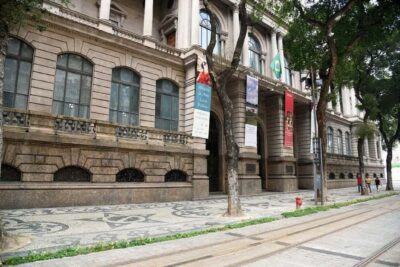
Most walks like this fail when they start too far from where the story lives. Here, the meeting point is under the trees in front of the MAR Museum at Praça Mauá. It’s a smart start because you’re already in the downtown zone where you can look around and feel how the city grew over older systems.
If you pick one of the alternate starting locations, you’ll join the group for a short guided walk before heading into the main route. Either way, plan for a steady but manageable tempo. You’re moving through neighborhoods where modern buildings sit next to historical meaning, and the guide’s job is to help you “read” what you see.
This is also one of those tours where you’ll get the most out of it if you stay curious and don’t rush. Ask questions. If something feels confusing—religious terms, place names, or timelines—ask right then. The guide is there to connect dots, not just recite them.
Cais do Valongo UNESCO: the Atlantic slave trade told with geography
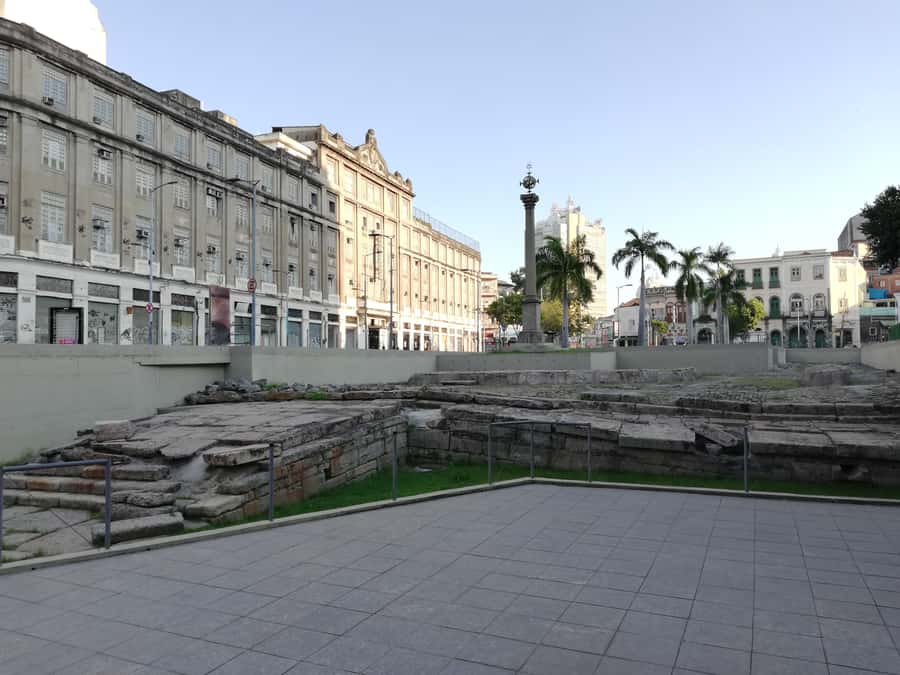
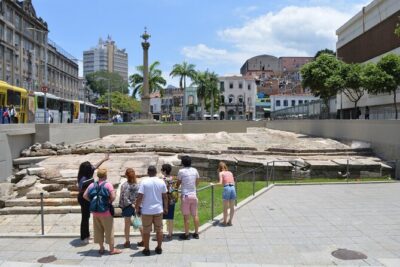
The centerpiece stop is Cais do Valongo, the UNESCO World Heritage site that marks the memory of the transatlantic slave trade. This isn’t an abstract lecture. You’ll be at the place tied to the arrival of millions of Africans who were then sold as slaves at the largest slave market of the Atlantic.
I like that this tour doesn’t treat Valongo as a single monument and move on. It links the arrival story to later cultural legacies—because what happened here didn’t stay in the past. Even when you walk away from the site, you’ll feel how the city’s cultural DNA was shaped by forced migration, resistance, and survival.
Practical note: this kind of stop can hit hard. If you need a moment, take it. The point of the walk is to honor memory with attention, not to sprint through emotion. Bring a reusable water bottle and slow down when you need to.
Largo São Francisco da Prainha and downtown stops that anchor the story
After the UNESCO site, you’ll move through downtown stops that help you understand the route enslaved Africans and their descendants were tied to. Two names you’ll hear repeatedly are Largo São Francisco da Prainha and Praça Mauá, both important for grounding the experience in real streets rather than vague “old Rio.”
This part works especially well because the guide ties the history to what you can still recognize around you. You’re not only learning about the slave trade. You’re learning about the social and cultural aftermath—where people gathered, where music and community formed, and how identities survived through adaptation.
Also, you’ll get context around the arrival to the city and the lives that followed. That means the story isn’t only about Portugal’s role in carrying out trafficking for centuries; it’s also about African descendants in Rio shaping culture afterward. That shift from “what was done” to “what endured” is one of the reasons this walk feels different from the typical city tour.
Still browsing Rio De Janeiro? These are the ones we go back to



The Estúdio Kobra mural stop: art as public memory
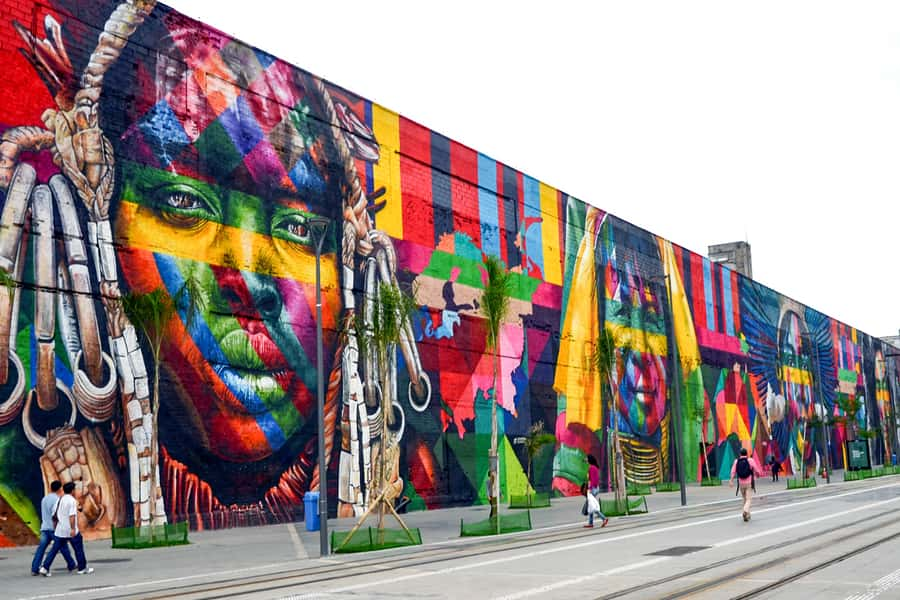
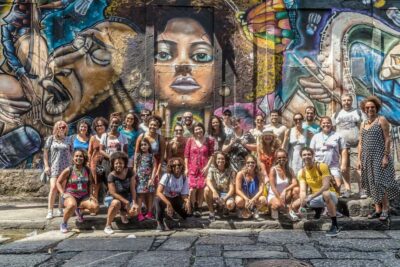
One of the route’s more visually rewarding moments is the drop-off at Etnias – Mural de Graffiti (Estúdio Kobra). It’s a reminder that heritage in Rio doesn’t live only in formal monuments. It’s also out in the street, painted large enough for you to notice.
Why this matters: mural art can act like a second layer of interpretation. After you’ve been thinking about Valongo, you look at public art differently. It starts to feel less like decoration and more like identity work—especially when the theme lines up with Afro-Brazilian roots.
Don’t treat this as a break from the story. Treat it as part of how the story is kept alive. Keep your phone put away for a bit and look with your eyes first.
From Pedra do Sal to Little Africa: samba roots you can actually stand on
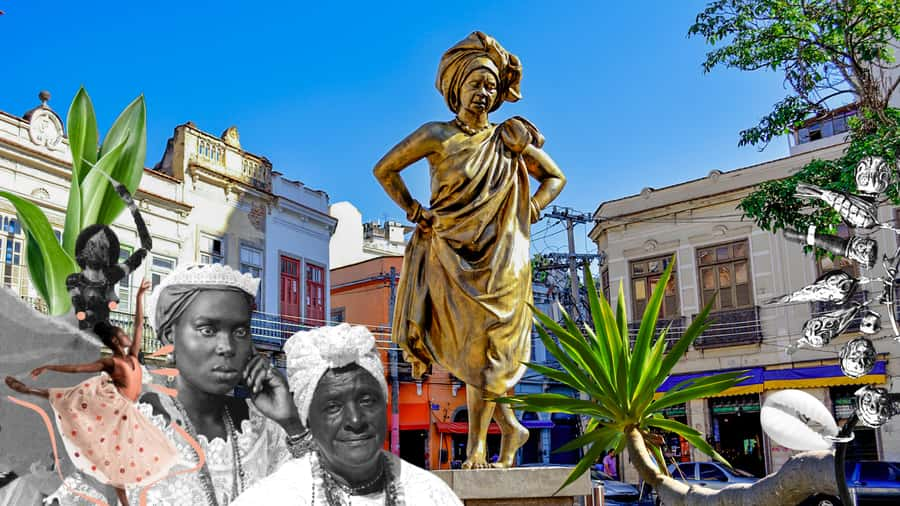
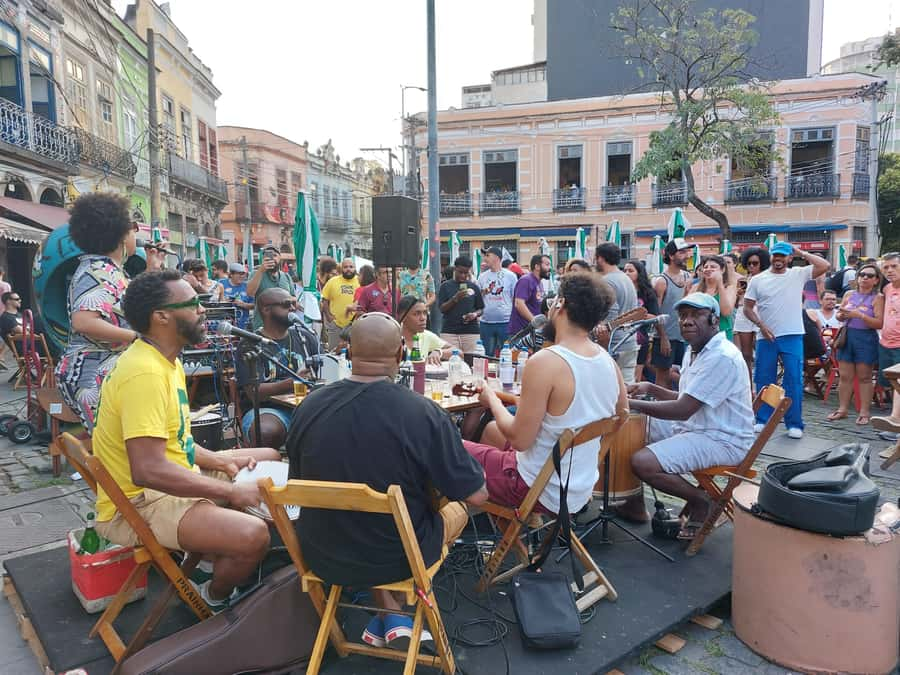
Pedra do Sal is where the tour changes tone without losing weight. The neighborhood is known as the center of Little Africa, and the rock itself is tied to stories of samba beginnings. You’ll hear about how musicians met to sing and dance there, and how the tradition continued into organized Carnival bloco parties and parades.
Here’s what I like: the guide doesn’t just say samba started there. They connect it to the social function—gathering, community, rhythm as language. And you’ll also be told that the tradition continues today, with lively rodas de sambas that happen weekly.
If you time your visit right, you may catch the energy of that tradition even if you’re not joining a roda that moment. Either way, Pedra do Sal gives you a real sense of place. The history stops feeling like a distant timeline and becomes something tied to specific corners and routes.
Food time at Pedra do Sal (plan for it, but don’t assume it’s included)
The day includes time associated with regional food around the Pedra do Sal area. Food itself isn’t listed as included, so you should expect to pay for what you want. This is a good moment to grab something simple nearby, not a big sit-down meal. You’ll be walking, learning, and probably chatting with the guide and group, so keep it light.
Candomblé, umbanda, and the Orishas: religion explained without turning it into a show
One of the most valuable parts is the section on Afro-Brazilian religions: how candomblé and umbanda originated and how they connect to Christian religions through syncretism. Instead of treating this as a side topic, the tour shows how belief systems are part of survival and cultural continuity.
You’ll also learn about Brazilian ancestral gods and goddesses of nature, including references to Orishas as well as nkisis and voduns. Terms can sound unfamiliar at first, but the guide’s job is to translate them into what they mean in lived practice—relationship to the natural world, community, and spiritual responsibility.
A quick piece of advice: keep your questions respectful. If you want to ask about how ceremonies work or what certain names mean, do it as curiosity, not as a “gotcha.” The goal here is understanding the role of religion in identity, not collecting facts like souvenirs.
This is one of those rare tours where the spiritual content makes the historical stops feel more complete. You leave with a clearer picture of how culture persisted when people were forcibly stripped of freedoms.
Duration, pace, and what to bring for a 150-minute walk
The tour runs about 150 minutes, so you’re looking at a little over two hours of walking plus story time. It’s not a marathon, but it’s not a coffee-table stroll either. You’ll want comfortable clothes and a hat, especially if the sun shows up.
Because it runs rain or shine, bring rain gear even if the forecast looks friendly. Rio weather changes fast, and nobody wants to freeze through the UNESCO portion.
Also bring a reusable water bottle. Downtown walking in warm months can wear you down more quickly than you expect, and hydration keeps you focused for the more emotional stops.
Price and value: is $64 worth it for this kind of history?
At $64 per person for roughly 2.5 hours, this isn’t a cheap “stand in front of a landmark” tour. It’s priced like a guided heritage experience with real expertise, and there’s good reason for that.
You’re paying for:
- A walking route built around major Black heritage sites in central Rio
- A live guide in English, Spanish, or Portuguese who offers context tied to the locations
- The UNESCO stop at Valongo Wharf
- Instruction on samba origins plus Afro-Brazilian religious traditions and syncretism
- Tips for what to do next in music, art, museums, restaurants, and the local scene
In plain terms, it’s value if you care about understanding how Rio’s culture connects to history you can point to on the map. If you mostly want skyline views and quick photos, you might feel this is heavier than you bargained for. But if you want to learn in a way that feels anchored and meaningful, the price makes sense.
Accessibility and who this walk suits best
This tour is wheelchair accessible. That matters because the route involves several key downtown stops. It’s also a good sign you can expect a guide who’s thinking about how people move through the day.
Who it suits:
- You want context for Rio beyond beaches and classic icons
- You’re interested in Black history, samba origins, and Afro-Brazilian religions
- You like guides who connect place names to real stories, not only facts
Who might want to think twice:
- You don’t handle heavy historical topics well (this includes the slave trade and forced trafficking)
- You’re very sensitive to walking in rain, even with rain gear
Pets aren’t allowed, though assistance dogs are allowed. So if you travel with a service animal, you’re covered. If you’re traveling with a regular pet, you’ll need a different plan.
Should you book this Rio Encantos heritage walk?
If you want Rio’s Black heritage and culture explained in a way that sticks, I’d book it. The combination of Valongo Wharf and Pedra do Sal is strong: one side is the memory of the transatlantic slave trade; the other side is the cultural engine that turned survival into music and community.
Book it especially if you care about the links between history and living traditions—samba rodas, candomblé and umbanda origins, and the way syncretism shaped how people practice belief.
Skip it if your ideal day is light, photo-only sightseeing. This walk is meaningful and focused, not casual.
And one last practical tip: keep an eye on the weather and bring your rain gear. The tour runs in rain or shine, so showing up prepared helps you get the best out of every stop.
FAQ
Where does the tour meet?
Meet under the trees in front of the MAR Museum (Rio Art Museum), Praça Mauá.
How long is the tour?
The duration is about 150 minutes.
How much does it cost?
The price is $64 per person.
What languages is the tour guide available in?
The live tour guide offers English, Spanish, and Portuguese.
Which World Heritage site do we visit?
You’ll visit the Valongo Wharf UNESCO World Heritage Site related to the transatlantic slave trade.
Is food included?
Food is not included. There is time in the Pedra do Sal area associated with regional food, but you’ll pay for what you eat.
Does the tour run in bad weather?
Yes. It takes place rain or shine.
Is the tour wheelchair accessible?
Yes, the tour is wheelchair accessible.
Are pets allowed?
Pets are not allowed, but assistance dogs are allowed.
Can I organize a private group date?
Arrangements for private groups on another date are possible with usual 24 hours’ prior notice, and transfer fees may apply depending on vehicle availability.
More Walking Tours in Rio De Janeiro






More Tour Reviews in Rio De Janeiro




More Heritage Walks in Rio



Fresh off the review desk: newer Rio De Janeiro tours we have been out on




Historical Tours, compared.
 ★ 4.4Historic Rio and Santa Teresa Half-Day TourFrom $47228 reviews
 ★ 4.9Little Africa Heritage Walking TourFrom $40177 reviews
 ★ 5.0Explore Little Africa : Unveiling Afro Heritage in Rio de JaneiroFrom $8297 reviews
 ★ 4.8Paraty: Historic Centre Walking Tour & Cachaça TastingFrom $1996 reviews
 ★ 5.0Learn the History of Rio with an Unforgettable City Center Walking TourFrom $4982 reviews
 ★ 4.5Rio’s city walking tour: a glimpse of history and olympic legacyFrom $6078 reviews
 ★ 4.5Olympic Boulevard, Museum of Tomorrow & Historical RioFrom $7266 reviews
 ★ 5.0Private walk tour of Paraty’s historical center – BY PARATY TOURSFrom $8049 reviews
Browse the lists this tour appears in