
Reviewed · WALKING TOURS
Little Africa – Walking tour from the passed to the future
At street level, Little Africa hits you fast. This walking tour connects African heritage in Brazil to the places where enslaved Africans first arrived in Rio, and it ends with what that legacy means for culture and the future. Expect a guide-led walk through alleys, historical remnants, and stories that often land emotionally.
I especially like how the tour turns big history into something you can follow step by step, instead of treating it like a lecture. I also like that it’s not just about the past; the tour threads art, culture, and the future into the route. It’s a focused 3-hour experience with a clear human message.
One consideration: the experience depends heavily on guide language quality and clarity. If you’re counting on English, double-check what you need in advance, because communication can vary, and one museum-style stop may require extra paid entry.
In This Review
- Key things to know before you go
- Little Africa in Rio: why this 3-hour walk matters
- The 3-hour rhythm downtown: what the walk feels like
- Stops and stories: market, stores, homes, and graveyards
- Art, culture, and the future: connecting legacy to today
- Your guide choice: English clarity and storytelling quality
- Price and logistics: what you’ll actually pay
- What’s included vs. what to budget
- When to bring kids (and when to skip)
- Practical tips to make it go smoothly
- Who this tour is best for
- Should you book Little Africa?
- FAQ
- What is the duration of the Little Africa walking tour?
- Where does the tour meet?
- How much does it cost?
- Are there discounts for children?
- What languages are available for the live guide?
- What should I bring or prepare before going?
- What’s included in the price?
- What is not included?
- Is there a cancellation policy?
Key things to know before you go
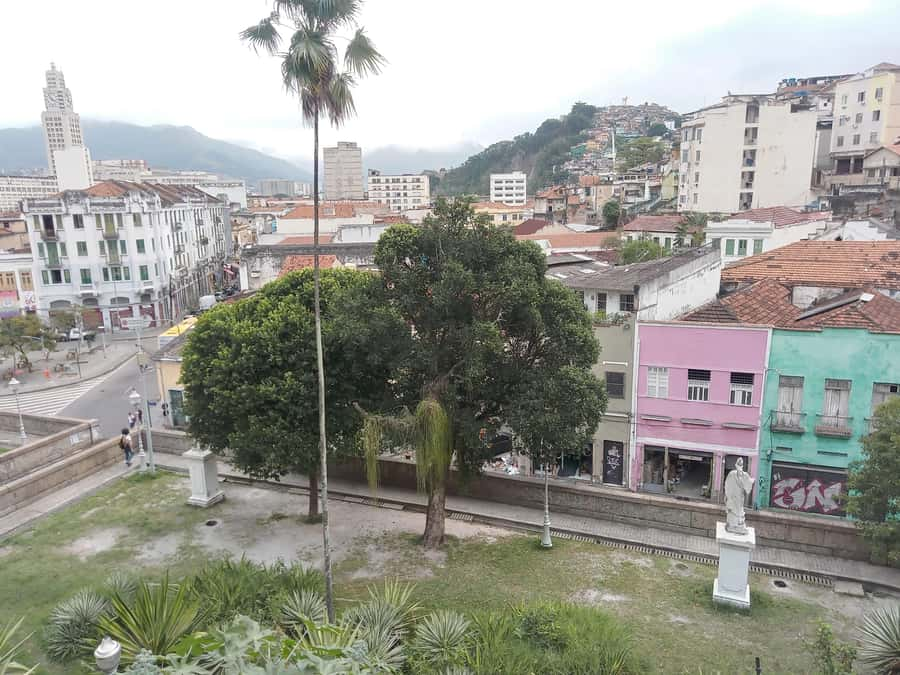
- The route is walking-focused: you’ll move through downtown alleys and historical remnants rather than ride between sites
- You’ll cover more than slavery-era sites: the tour frames African heritage as a living influence, not only a closed chapter
- Guide delivery matters: passion and storytelling can make the difference, especially in English
- Budget for possible extra entry: one stop may involve additional museum admission
- Bring ID: a copy is mandatory for this tour
- It’s emotionally charged: expect many people to feel moved, and plan to stay respectful
More heritage walks through the Little Africa district
- Explore Little Africa : Unveiling Afro Heritage in Rio de Janeiro★ 5.0 · 97 reviews
- African Heritage: Gastronomy and Musicality Experience★ 5.0 · 39 reviews
- Jewish Tour in Rio de Janeiro★ 5.0 · 37 reviews
- Rio Jewish Heritage Half-Day Tour★ 5.0 · 35 reviews
Little Africa in Rio: why this 3-hour walk matters

Little Africa isn’t a single museum building. It’s an idea mapped onto real streets—an area that once served as an entrance point in Rio for men, women, and children arriving from the African continent. The point is simple: you’re not just sightseeing; you’re trying to understand how Brazil’s African roots became part of the city’s daily life, culture, and identity.
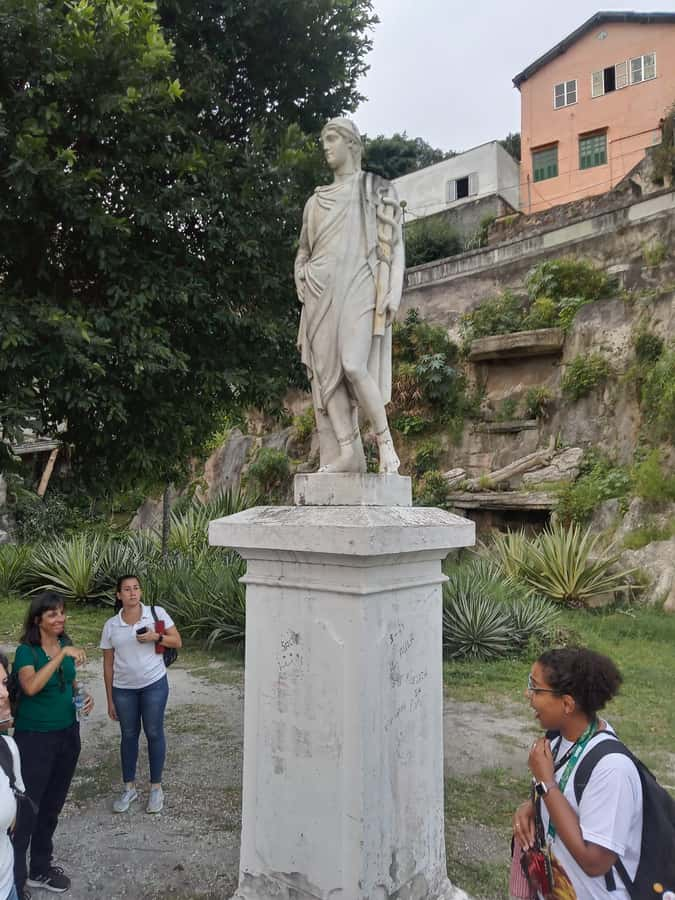
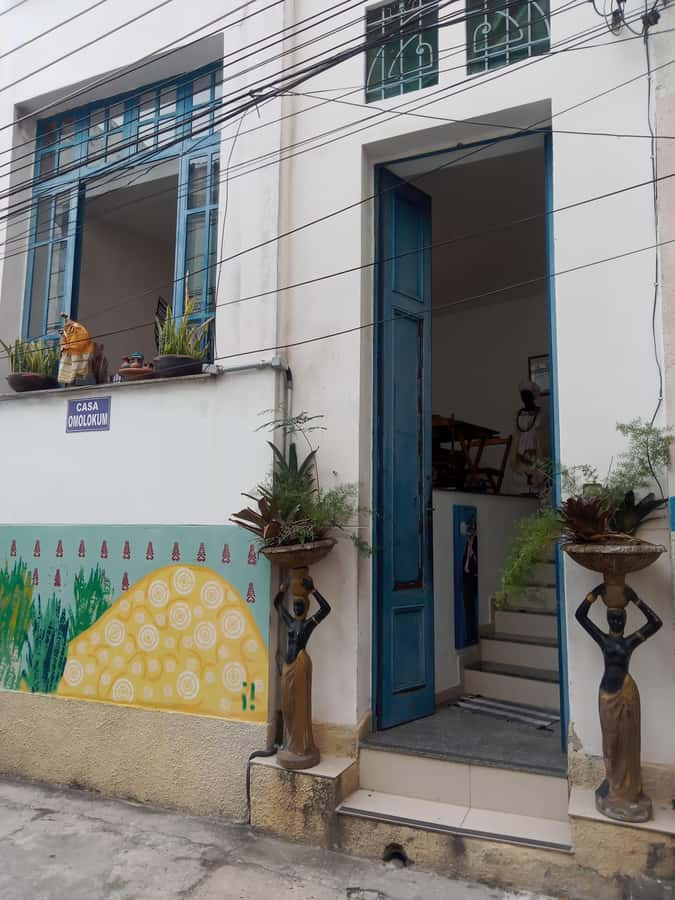
As you walk, you’ll be pointed to the remains of that history: areas connected to an open slave market, plus the stores, houses, and graveyards that belonged to that world. That mix is what makes the tour stick. Instead of only hearing about forced separation, you also see the everyday infrastructure around it—places of commerce, living, and remembrance.
And yes, the tour connects this to the future. The way it’s described—Black history, heritage, art, culture, and future—means your guide should help you read the present through the past. You’ll finish with a clearer sense of why cultural expression in Brazil didn’t happen in isolation; it grew from a long, complicated history.
The 3-hour rhythm downtown: what the walk feels like
The tour starts in downtown Rio de Janeiro, and it runs for about 3 hours. That’s a good length. Long enough to feel like you truly followed a thread, short enough that you’re not exhausted before you absorb the meaning.
You’ll likely begin with orientation from your guide—who you are, where you are, and why this area matters. Then the pace becomes the main event: walking through alleys and stopping when the guide wants you to notice something specific. Even if you don’t know the terms yet, the guide’s job is to make you able to look. You’re taught what to see in each spot, not just what happened there.
Because this is a walking tour, comfortable shoes matter more than fancy outfits. Also, bring the mindset of a cultural walk, not a sprint for photos. If you go in prepared to listen (and stay respectful), the emotional impact tends to feel more purposeful than overwhelming.
Stops and stories: market, stores, homes, and graveyards
The core of the experience is the area once used for an open slave market and the surrounding spaces tied to daily life. The tour doesn’t frame this as a distant, abstract tragedy. It points out the layers: the entry into Rio, the commercial spaces, the houses, and the graveyards.
Here’s how that helps you: when history is placed next to real geography, you stop picturing it as something that happened elsewhere. You start picturing it here—where you’re standing now—so the story becomes harder to shrug off.
What you should watch for on the route is your guide’s cues. The tour description emphasizes paying attention to what the guide remarks at each historical place. That means you’ll get more value if you stay present and don’t zone out during transitions between points. If you’re the type who asks questions, this is the moment to use them—politely—because your guide can connect the dots between the sites.
A practical note: there may be at least one museum-style stop. One mismatch that can happen is extra paid entry. So even if the tour price looks fixed, you might still need cash for an admission fee at a stop along the way.
Still browsing Rio De Janeiro? These are the ones we go back to
Art, culture, and the future: connecting legacy to today

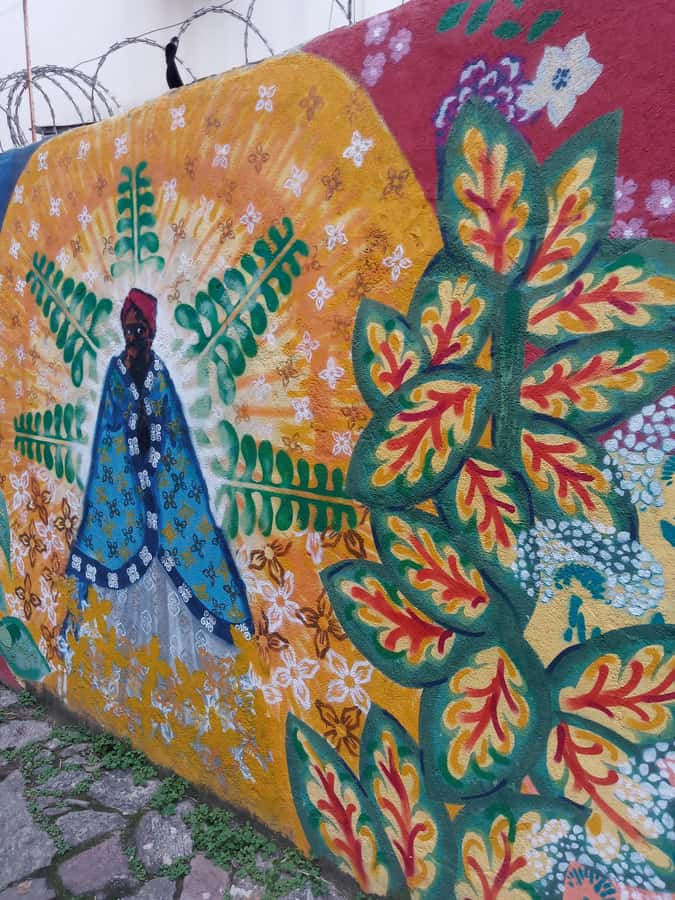
Most “history tours” stop at the moment something ended. This one is built to push forward. The stated focus includes art and culture and even a future component, which signals that your guide should help you see how African heritage shaped Brazil beyond just historical events.
In a place like Rio, that connection shows up in many forms—language influences, music, community traditions, religious practices, and public expressions that carry memory. Even without naming every single cultural thread, the tour’s goal is to help you understand that heritage lives in the city now. You’re not only learning what happened; you’re learning why it still matters.
This is where the emotional element becomes useful. When the guide explains the past with clarity and respect, the future part doesn’t feel like a sales pitch. It feels like the logic of the story: how communities endure, adapt, and create meaning.
Your guide choice: English clarity and storytelling quality
On this tour, the guide isn’t a side character. They’re the whole mechanism. The experience is built on remarks at historical places, plus a narrative that often lands emotionally.
From what’s shared about the guides who have led the tour, names like Larissa, Gabriela, Luana, Rafael, and Danielo have come up in connection with the kind of delivery people value. The best outcomes seem to happen when the guide has strong storytelling energy and can explain the context clearly in the language you’re using.
Here’s the takeaway for you: if you’re planning to do the tour in English, prioritize clarity. If your comfort level with English is important, consider choosing the language option your guide can perform best in (the tour offers English, Portuguese, and Spanish). If you arrive and realize the communication is going to be tough, you’ll feel it quickly on a 3-hour walk where every stop matters.
The good news: when the guide connects with the group, it can feel like the story clicks into place. People have praised guides for passion, kindness, and thoughtfulness, not just facts. That matters because this is a subject where tone and pacing affect the whole emotional experience.
Price and logistics: what you’ll actually pay

This tour has a two-part payment structure. You’ll pay US$ 32 per person for the reservation through the online platform. Then there’s an additional payment collected directly by the guide: R$ 160.00 per person.
The provider also lists a total of payment around R$ 310.00 each passenger, which suggests the combined amount is roughly in that ballpark once the reservation fee is included. The details also note that card payments include 5% of taxes.
So how do you judge value? You’re paying for a guided cultural walk through historically significant places, plus time spent explaining context and transitions. 3 hours isn’t long, but it’s enough to cover multiple historical stops and connect the past to today. If you’re the kind of traveler who likes learning from a human storyteller, this price can feel fair.
Just don’t assume “what you see online is the full amount.” Based on the tour description and what can happen at the museum-style stop, you should plan for the possibility of extra paid entry.
What’s included vs. what to budget
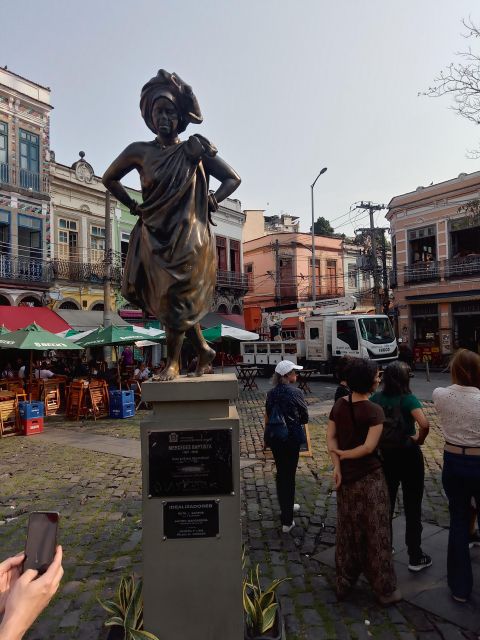
Included in the tour are online service and tour guide service. That’s it. No food, no drinks, no transportation included, and no souvenirs.
That matters because downtown walking can take more out of you than you expect. If you do this on a day with more sightseeing, I suggest planning your meals before or after the tour so you’re not trying to find something quickly mid-walk.
Also, bring water if you typically get thirsty on walks. The tour doesn’t list beverages as included, so you’ll want your own plan. And since souvenirs aren’t included, treat shopping as optional—focus on the story first.
When to bring kids (and when to skip)
The tour offers family pricing:
- Children from 05 to 10 years old: 50% discount
- Children from 00 to 04 years old: free on the parent’s lap
That’s a wide age range, but the content includes slavery-era history and emotional moments. If you’re traveling with kids, I’d choose based on the child’s attention span and curiosity about history. Some kids handle it well when the guide’s explanations are clear and paced for the group. Others may struggle because the topic asks for maturity and respect.
If you’re going with a younger child, it helps that the pricing allows laps for ages 0–4. Still, you should be prepared for longer standing periods and a walking route through downtown streets.
Practical tips to make it go smoothly
A few small things can improve your experience a lot:
- Bring ID (or a copy). This tour specifically says ID or a copy is mandatory.
- Dress for walking. You’ll be moving through alleys and historical places for about 3 hours.
- Choose your language with care. If English clarity is important to you, consider the English option carefully (or choose Portuguese/Spanish).
- Expect emotional moments. The tour description notes many people get emotional; plan to stay respectful and present.
- Consider extra costs. If there’s a museum entry at a stop, be ready to pay additional admission if requested.
One more tip: if you’re traveling solo, the provider notes that you should contact them before making a reservation. This tour requires a minimum of customers: 2, so solo travelers may need help coordinating.
Who this tour is best for
This is a strong choice if you:
- Want a guided walk that connects Black heritage in Brazil to real places
- Like narrative history—where a guide helps you visualize what happened
- Care about culture and how the past shapes the present (not only dates and events)
- Prefer a small, human-scale experience instead of a huge bus tour
It might be less ideal if you:
- Need a highly scripted, easy-to-follow explanation in English with zero variation risk
- Don’t want any chance of extra admission costs
- Have limited tolerance for emotional topics presented respectfully
Should you book Little Africa?
I think you should book this tour if you want history with a pulse—history that takes shape in the streets and then connects to art and culture. The strongest version of this experience is built around a guide who can explain clearly and tell the story with care. When that clicks, the tour becomes more than facts; it becomes understanding.
If you’re English-dependent, I’d treat language quality as your key decision point. Also, plan a little buffer for potential museum entry and keep your schedule flexible around downtown walking.
Bottom line: if you come ready to listen, walk, and respect the gravity of what you’re seeing, this 3-hour guided tour offers strong value. You’ll leave with a better mental map of Rio—and a clearer sense of how African heritage became part of the city’s identity, past and future.
FAQ
What is the duration of the Little Africa walking tour?
The tour lasts 3 hours.
Where does the tour meet?
The meeting point is downtown of Rio de Janeiro.
How much does it cost?
You pay US$ 32 per person for the reservation. Then the guide collects an additional R$ 160.00 per person directly.
Are there discounts for children?
Yes. Children 05 to 10 get a 50% discount, and children 00 to 04 are free on the parent’s lap.
What languages are available for the live guide?
The live tour guide is available in English, Portuguese, and Spanish.
What should I bring or prepare before going?
You need ID or a copy because it’s mandatory for this tour.
What’s included in the price?
The tour includes online service and tour guide service.
What is not included?
The tour does not include food and beverage, transportation, or souvenirs.
Is there a cancellation policy?
Yes. It offers free cancellation up to 24 hours in advance for a full refund.
More Walking Tours in Rio De Janeiro






More Tour Reviews in Rio De Janeiro




More Heritage Walks in Rio





Fresh off the review desk: newer Rio De Janeiro tours we have been out on





Walking Tours, compared.
 ★ 4.8Rocinha Favela Walking Tour with Local GuideFrom $363,052 reviews
 ★ 4.7Rio De Janeiro: Half-Day Rocinha Favela Walking TourFrom $352,272 reviews
 ★ 5.0Sunrise and Sunrise Walk Two Brothers with Local GuideFrom $64193 reviews
 ★ 4.9Little Africa Heritage Walking TourFrom $40177 reviews
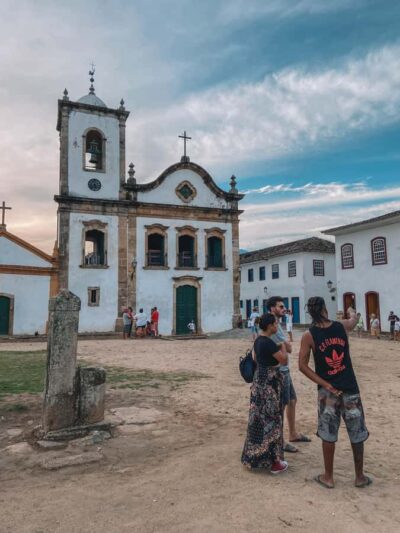 ★ 4.8Paraty: Historic Centre Walking Tour & Cachaça TastingFrom $1996 reviews
 ★ 5.0Learn the History of Rio with an Unforgettable City Center Walking TourFrom $4982 reviews
 ★ 4.5Rio’s city walking tour: a glimpse of history and olympic legacyFrom $6078 reviews
 ★ 5.0Walking tour of the bohemian neighborhoods of Santa Teresa and LapaFrom $7259 reviews
Browse the lists this tour appears in