
Reviewed · HISTORIC & DOWNTOWN RIO
Rio: Olympic Boulevard, Museum of Tomorrow & History Tour
Four hours, and Rio tells two stories. You start at Valongo Wharf (UNESCO) and end with pastries in a historic café, while the middle turns from street art to a science museum built for the future. The one practical watch-out: pickup is only in Rio’s South Zone (Copacabana, Ipanema, Leblon, Leme), so you may need a nearby meeting point if you’re staying elsewhere.
What I like most is the mix of stops that explain how Rio got here—African influence at Valongo Wharf, baroque splendor at the Monastery of Saint Benedict, and empire-era context at Praça XV—without dragging you through a museum-only day. I also really value the Museum of Tomorrow ticket, because it’s not just a building with a cool shape; it’s a hands-on way to question what comes next.
The tour runs rain or shine and includes a moderate amount of walking, so wear comfy shoes and don’t plan on changing outfits mid-day.
In This Review
- Key highlights at a glance
- The route: Downtown Rio as a story about past, future, and people
- Hotel pickup in the South Zone: the one logistics detail that can make or break your morning
- Valongo Wharf: UNESCO in Downtown, and why the African influence is central
- Eduardo Kobra’s mural: one of the largest graffiti walls in the world
- Olympic Boulevard to the Museum of Tomorrow: futuristic architecture you can actually question
- Monastery of Saint Benedict: the simple façade vs. the golden interior
- Rio 2016 Olympic Cauldron and Praça XV: modern art meets empire-era context
- Confeitaria Colombo: art nouveau grandeur and classic Brazilian snacks
- What you’re really paying for: value of $67 and a small-group format
- Who this tour fits best (and who should skip it)
- A quick note on guides: what to expect from the narration
- Should you book this Rio Downtown tour?
Key highlights at a glance
- UNESCO Valongo Wharf with clear context on African influence in Brazil
- Eduardo Kobra mural—massive graffiti artwork with five ethnic groups in geometric color
- Museum of Tomorrow ticket included, plus time to visit at your own pace
- Monastery of Saint Benedict: simple exterior, golden baroque interior
- Rio 2016 Olympic Cauldron by Anthony Howe, with its reflective kinetic look
- Confeitaria Colombo (closed on Sundays), where you can cap the day with classic Rio treats
Old downtown Rio, a few more ways to see it
- Rio de Janeiro: Historic Rio and Santa Teresa Half-Day Tour★ 4.4 · 228 reviews
- Learn the History of Rio with an Unforgettable City Center Walking Tour★ 5.0 · 82 reviews
- Rio’s city walking tour: a glimpse of history and olympic legacy★ 4.5 · 78 reviews
- Olympic Boulevard, Museum of Tomorrow & Historical Rio★ 4.5 · 66 reviews
The route: Downtown Rio as a story about past, future, and people
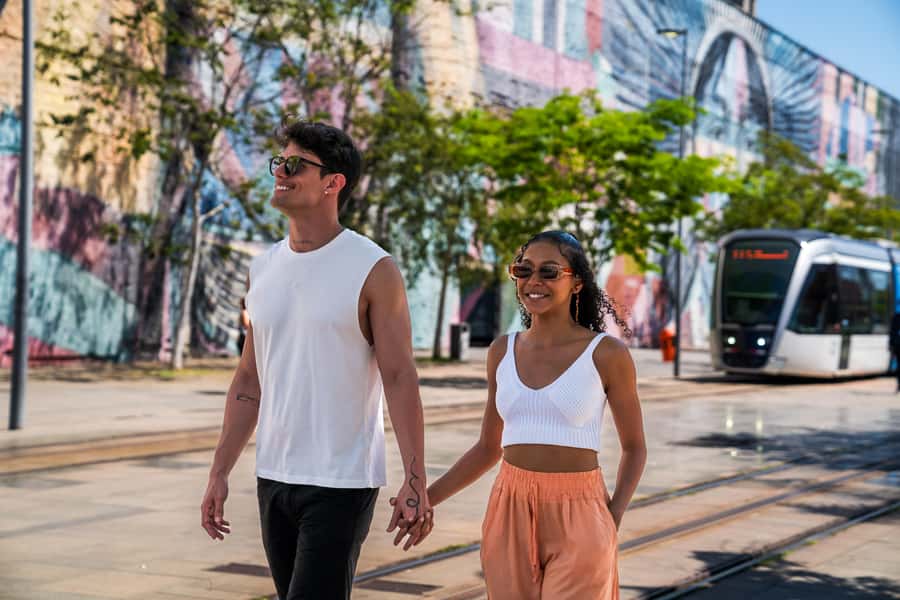
This is a smart half-day format if you want more than “drive-by Rio.” You’ll be dropped into Downtown’s emotional contrasts: the historical weight of Valongo Wharf and Praça XV, the bold visuals of Eduardo Kobra’s street art, then a modern science stop that asks what the future could look like for people and the planet. It’s one continuous thread, just with wildly different settings.
I also like that the itinerary doesn’t treat history as a single topic. It spreads it out—African influence, baroque religious art, empire-era power—so you get context that’s useful for the rest of your stay. Even if you only have a few days in Rio, this kind of structure helps you understand what you’re seeing around you.
The group stays small (maximum 19), which matters in places like the Museum of Tomorrow and in crowded streets around murals and historic buildings. And yes, it’s a walking tour, so the van is there to connect neighborhoods—not to carry you through everything.
Hotel pickup in the South Zone: the one logistics detail that can make or break your morning
Pickup and drop-off are included only for hotels in Rio’s South Zone: Copacabana, Ipanema, Leblon, and Leme. The pickup window is between 8:10 AM and 8:55 AM, and they ask you to confirm your exact time with the provider if needed.
Why this matters: if you’re staying farther away, you might not get the convenient door-to-door service. The tour will let you know the nearest meeting point if your departure isn’t available in your area. If you hate rushing in the morning, double-check your pickup details early and be ready a little before the window.
Also, the tour is not for unaccompanied minors, and children must be with an adult. If you’re traveling with kids, the good news is that children under 5 can go free if they don’t occupy a seat.
Valongo Wharf: UNESCO in Downtown, and why the African influence is central
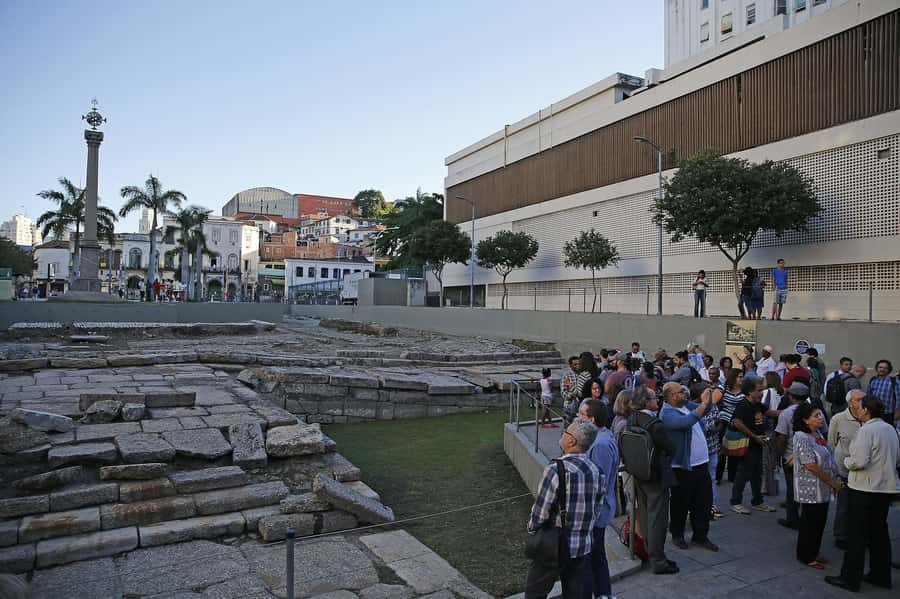
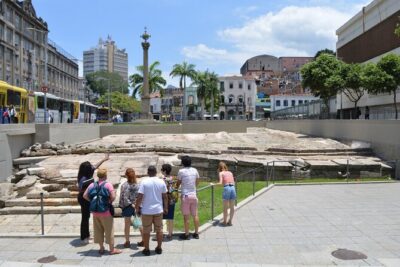
You begin at Valongo Wharf, the latest UNESCO World Heritage site in Rio. This stop is where the tour earns its “history” label fast, because it frames the city’s past around African influence in Brazil. Even if you’re not a history buff, this is the kind of context that helps later stops make more sense.
Here’s what to do with this moment: slow down for a few photos, but also listen carefully to the guide’s explanation. Valongo Wharf isn’t just a landmark—it’s tied to the deeper story of migration, culture, and how Brazil’s society formed. Once you understand that angle, you’ll start noticing how often Rio’s identity shows up in food, music, religious art, and even street culture.
If you’re hoping for a calm start, plan for it—but remember this is a scheduled walking tour. You’ll get the explanation and then you’ll move on.
Still browsing Rio De Janeiro? These are the ones we go back to

Eduardo Kobra’s mural: one of the largest graffiti walls in the world
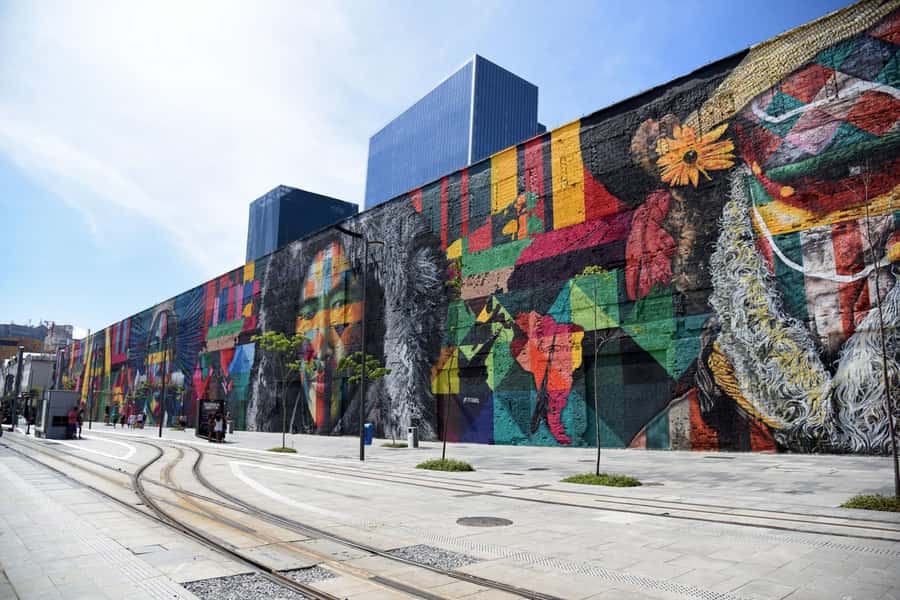
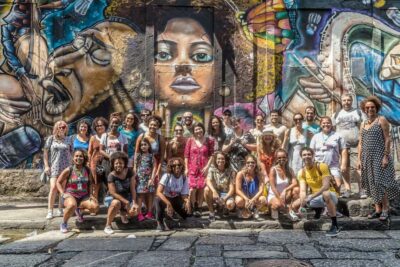
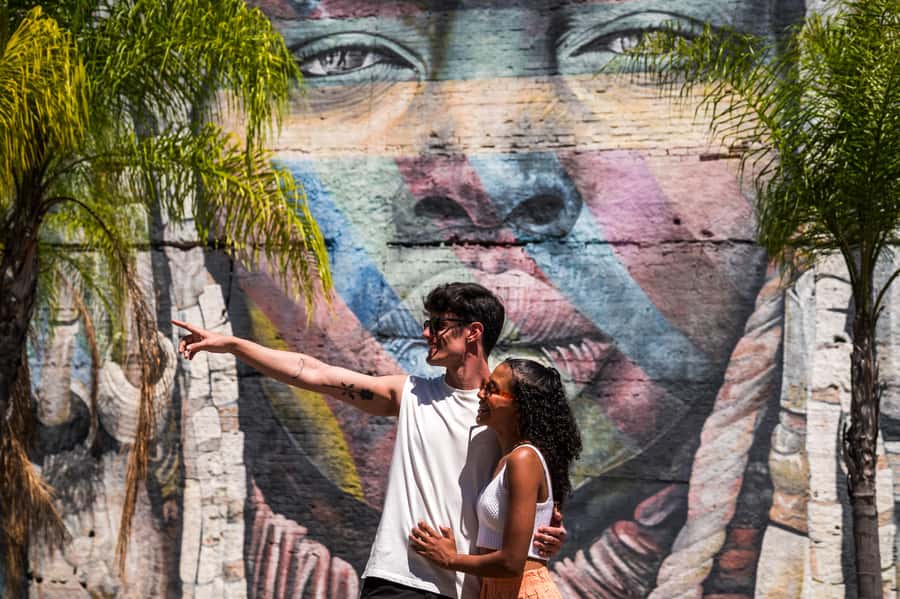
Next comes the Eduardo Kobra mural, famous for being one of the largest graffiti murals in the world. The artwork uses a bright geometric background and portrays five ethnic groups. The visual impact is immediate, but the real value is in how the guide connects the artwork to broader themes you heard at Valongo Wharf—identity, culture, and how art reflects society.
Practical tip: bring your camera plan. You’ll have time for pictures, but you don’t want to spend that time figuring out angles. If you like clean shots, position yourself early and then let the guide explain what you’re looking at.
This stop is also a nice break in energy. You’re moving from a UNESCO setting to something designed for public visibility. It makes the day feel like Rio, not like a checklist.
Olympic Boulevard to the Museum of Tomorrow: futuristic architecture you can actually question
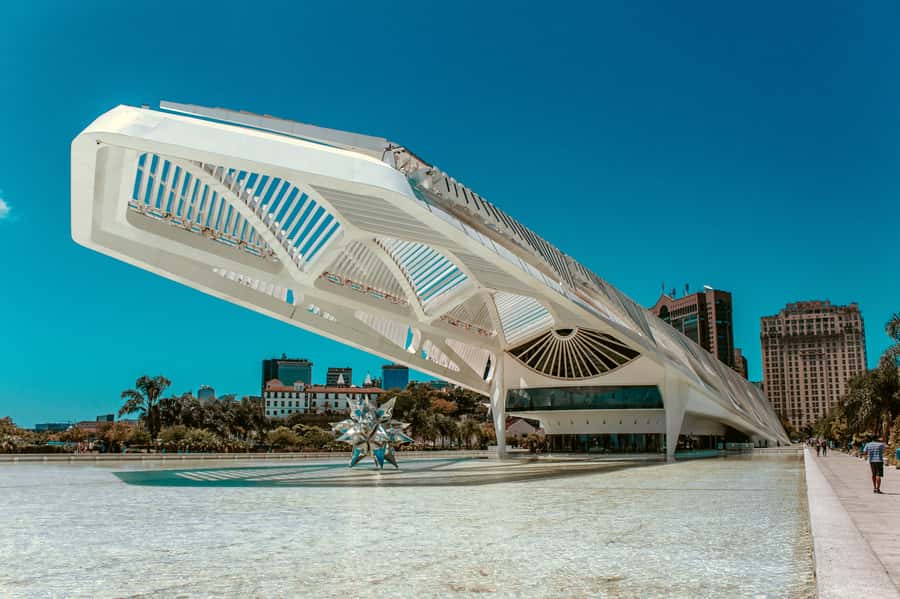
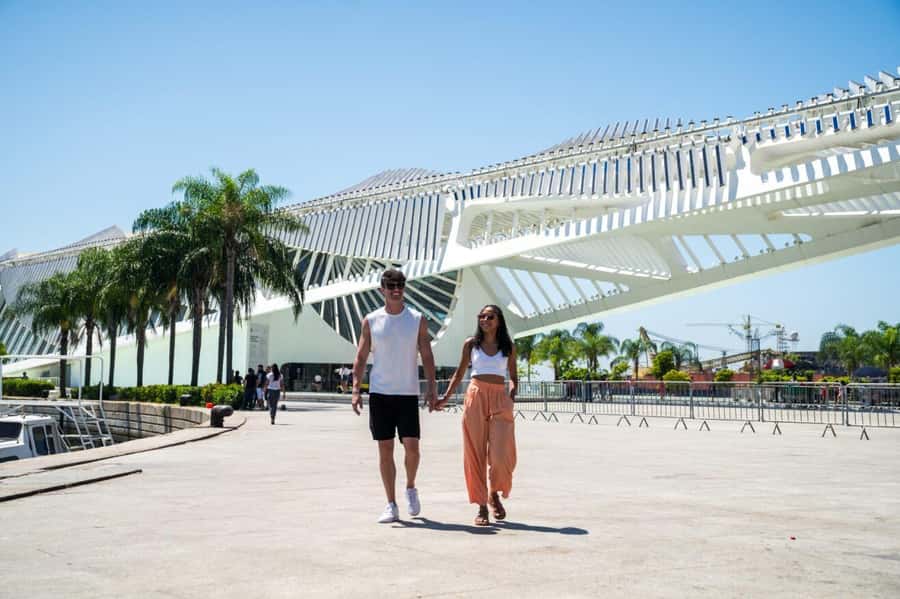
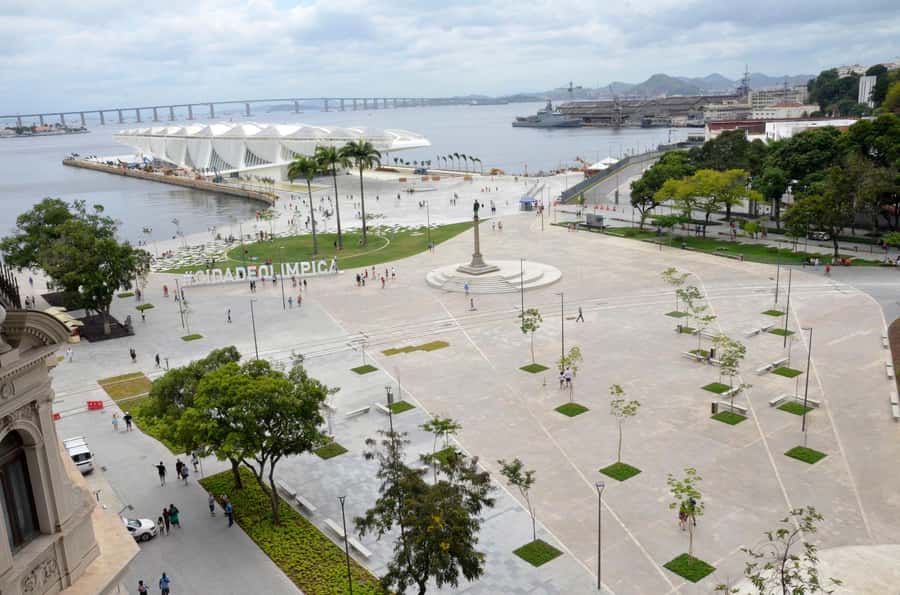
Walking the Olympic Boulevard toward the Museum of Tomorrow is where the tour shifts tone—from heritage and street art into science and future thinking. The museum is known as the most visited museum in Brazil, and its architecture is the first clue that this place wants you to look forward.
At the museum, you’ll have a guided introduction and then you can visit at your own pace. That matters because Museum of Tomorrow is the type of place where a “quick look” can miss the point. You don’t need to read every panel like an exam—but you should give yourself time to stop at exhibits that match your interests.
What you should focus on during your visit:
- The museum’s theme: exploring and questioning possibilities for constructing the future of the planet and mankind.
- The way interactive or thought-provoking exhibits can change how you interpret the rest of the city (because Rio is constantly managing change—climate, growth, and identity).
- The building itself. Even before you enter, it’s built to look like a statement about technology and tomorrow.
If you’re someone who prefers guided context over wandering alone, this museum still works. If you’re the opposite—happy to read and observe quietly—it also works well because the pace includes time for yourself.
Monastery of Saint Benedict: the simple façade vs. the golden interior

After the future, the tour sends you to the Monastery of Saint Benedict—and that contrast is the whole point. From the outside, the façade is simple, but inside you’re met with an interior covered in golden ornaments, linked to the Baroque period.
This is one of those stops where the guide’s narration matters. Baroque art can be overwhelming at first glance, but when someone explains the contrast and the style, it becomes easier to “read” the space.
Practical note: treat this as a slower stop. You’ll want a few minutes to look up and around. If you rush, you’ll miss the effect of the gold and the way the decoration fills the interior.
Rio 2016 Olympic Cauldron and Praça XV: modern art meets empire-era context
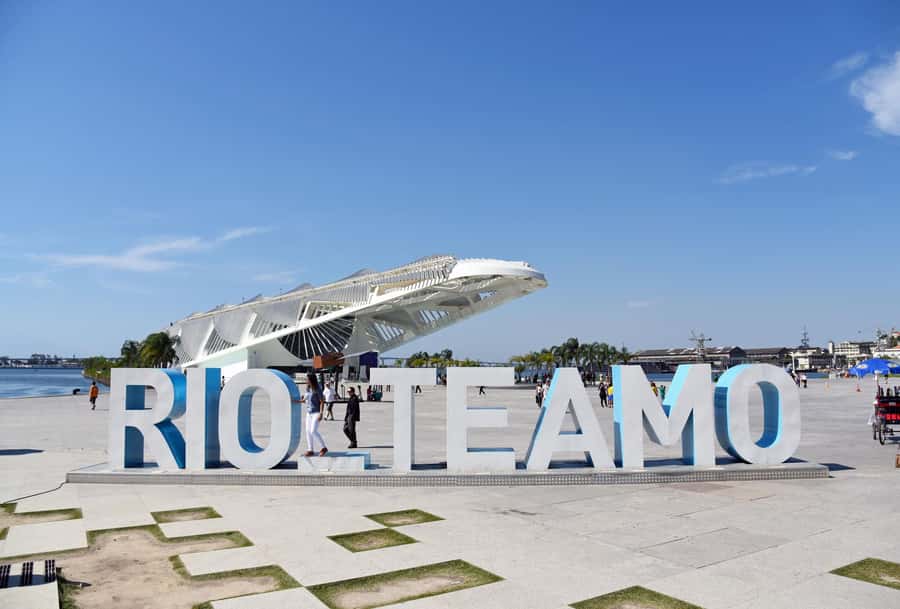
Before you head back into older streets, you’ll see the Rio 2016 Olympic Cauldron created by American artist Anthony Howe. The structure uses a reflective kinetic-sphere design, and it’s a reminder of the Games.
Then comes Praça XV, where you’ll spot one of the former headquarters of the Brazilian empire. This is where the tour connects the dots between place names and power. You’ll learn important facts about what happened in the area, and it sets you up to notice the historical layers that still sit under modern Rio.
If you’re short on time, this pairing works. The Cauldron gives you modern Rio’s visual symbol, while Praça XV grounds you in the older city story. It’s the kind of mix that keeps the day from feeling like one long “history class.”
Confeitaria Colombo: art nouveau grandeur and classic Brazilian snacks
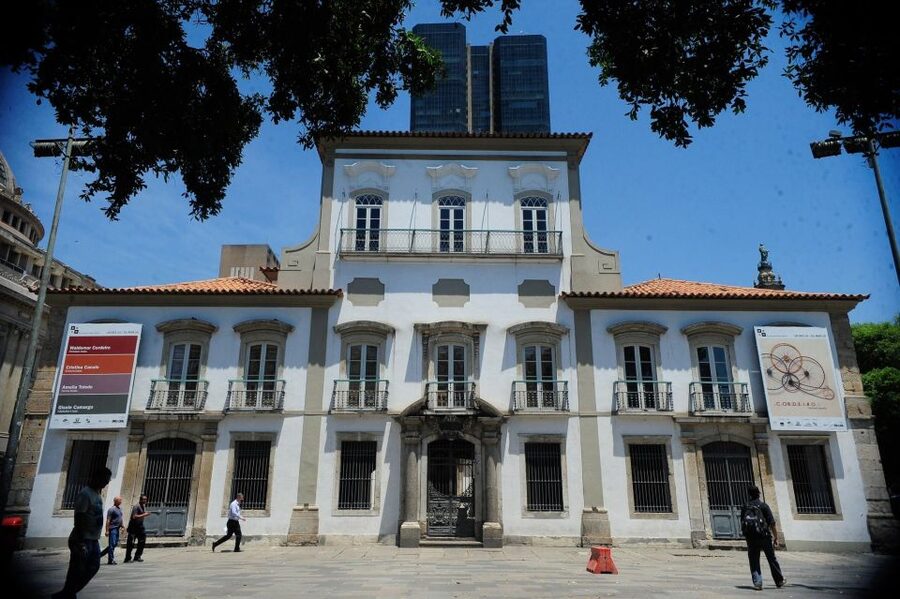
Your last stop is Confeitaria Colombo, one of the “must-see cafés” highlighted for its opulent interior and classic Rio food culture. The décor is art nouveau, with huge stained glass, tiles, and mirrors imported from France, Portugal, and Belgium. Even if you’re not shopping for souvenirs, it’s worth entering just to take in the design.
Two planning tips:
- Confeitaria Colombo is closed on Sundays, so if your trip lands on a Sunday, the ending of the tour may be different than you expect.
- Food and drinks are not included, but you can buy Brazilian classics like coxinha de frango (little chicken thigh) and brigadeiro for dessert.
I’d treat this stop as your decompression moment. Sit for a bit, look up at the stained glass, and let the day’s contrasts settle: future-thinking museum, baroque monastery, empire-era square—then comfort food in a beautiful old room.
What you’re really paying for: value of $67 and a small-group format
At $67 per person for a 4-hour half-day, the value is strongest when you look at what’s included. You get:
- A professional guide with live commentary in English, Spanish, and Portuguese
- Hotel pickup and drop-off within the South Zone (plus air-conditioned van)
- Museum of Tomorrow tickets
- Taxes, fees, and handling charges
If you’ve ever priced just the museum ticket and a private guide for Downtown, the math often changes fast. Here, you’re paying for access, interpretation, and logistics, not just transportation. The van also helps the day feel efficient without turning it into a “sit in traffic” tour.
The small group size (max 19) is another value lever. In popular visual stops—Kobra mural photos and museum entry—larger groups can slow things down. A smaller cap makes it easier for the guide to keep everyone moving.
Who this tour fits best (and who should skip it)
This tour is a great fit if you:
- Want a Downtown-focused day that mixes UNESCO, street art, religious Baroque, and a top science museum
- Like guided context but still want time to explore the Museum of Tomorrow on your own
- Are staying in the South Zone and want pickup included
You might want to skip or choose a different option if:
- You’re not comfortable with moderate walking (rain or shine)
- You’re staying outside the South Zone and don’t want to deal with a meeting point
- Your schedule includes a Sunday, since Confeitaria Colombo is closed
Also, the tour has a minimum number of participants. If it doesn’t meet that requirement, you’ll be offered another date or a full refund.
A quick note on guides: what to expect from the narration
This kind of itinerary lives or dies by the guide’s pacing and explanations. The tour is offered with professional live commentary, and English/Spanish/Portuguese is available. From what I’ve seen in real-world guide performance, you’ll get the best results when your guide clearly ties each stop together—African influence at Valongo Wharf, the meaning behind the mural’s figures, and the contrast inside the Monastery of Saint Benedict.
If you want to hedge your bets, do two simple things:
- Confirm your pickup time and be ready early.
- Ask one question at your first stop. A good guide will run with it.
Should you book this Rio Downtown tour?
If you want a concentrated Rio experience with real variety—past and future in the same afternoon—this is a strong choice. The included Museum of Tomorrow ticket and the structured Downtown route make it efficient, and the stops are picked for contrast rather than repetition.
Book it if you’re in the South Zone, comfortable with moderate walking, and curious about how Rio’s identity shows up everywhere from UNESCO sites to big public art. Skip it if Sunday is non-negotiable for your café stop or if you’re trying to avoid morning logistics around pickup windows.
More Historical Tours in Rio De Janeiro




More Tour Reviews in Rio De Janeiro






More of Historic Downtown Rio


Fresh off the review desk: newer Rio De Janeiro tours we have been out on





Historic & Downtown Rio, compared.
 ★ 4.4Historic Rio and Santa Teresa Half-Day TourFrom $47228 reviews
 ★ 4.8Paraty: Historic Centre Walking Tour & Cachaça TastingFrom $1996 reviews
 ★ 5.0Learn the History of Rio with an Unforgettable City Center Walking TourFrom $4982 reviews
 ★ 4.5Rio’s city walking tour: a glimpse of history and olympic legacyFrom $6078 reviews
 ★ 4.5Olympic Boulevard, Museum of Tomorrow & Historical RioFrom $7266 reviews
 ★ 4.5Olympic Boulevard, AquaRio and Museum of Tomorrow TourFrom $4954 reviews
 ★ 4.5Aqua Rio + Olympic Boulevard Tour – Rio de Janeiro by Pepe Rio ToursFrom $4554 reviews
 ★ 5.0Private walk tour of Paraty’s historical center – BY PARATY TOURSFrom $8049 reviews
Browse the lists this tour appears in