
Reviewed · WALKING TOURS
Rio: African Culture Walking Tour
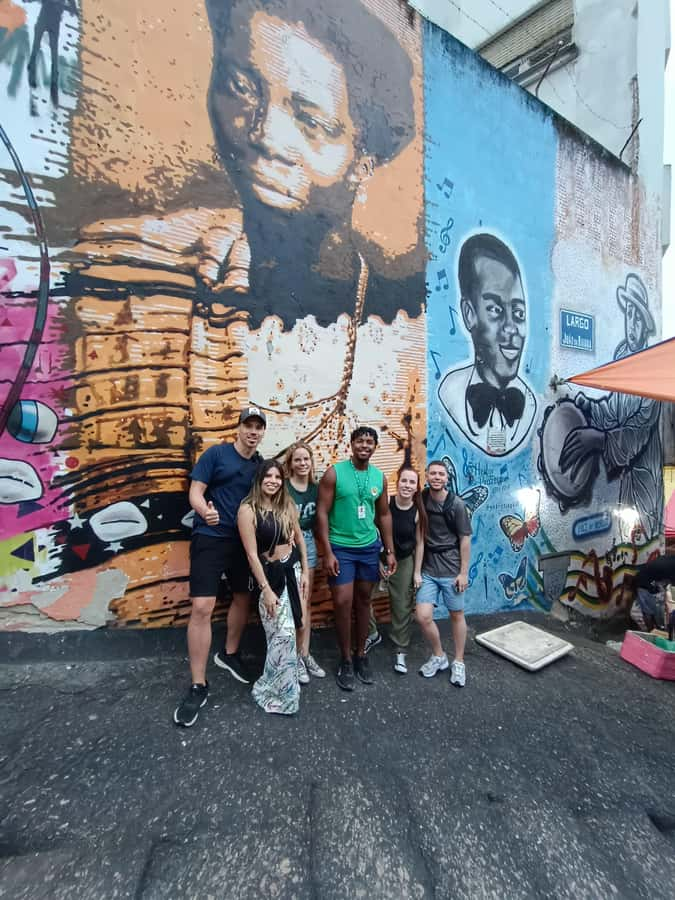
Rio is famous for sun and samba, but this walk shows the deeper roots. I like that it pairs street-level history in Little Africa with a guide who makes Afro-Brazilian culture feel practical, not just academic. You also get entrance to Cidade do Samba, so the tour doesn’t just talk about Carnival, it shows where the magic is built.
My other big plus: the small-group size (up to 15) keeps the pace human and makes it easy to ask questions. The one thing to consider is that the final warehouse-style access is incredible, but it can feel more structured than the earlier neighborhood walking, depending on what you came for.
In This Review
- Key highlights I’d plan around
- Little Africa and Pedra do Sal: where Rio’s story changes gears
- What you’ll do on the streets: a guided walk with real context
- The slavery abolition story: how the tour makes it understandable
- Moving from neighborhood history to Carnival’s workshop world
- Behind the scenes at Cidade do Samba: what entrance actually gives you
- Guide quality: why you’ll care who’s leading the walk
- Walking pace, group size, and why 3 hours works
- Price and value: what $100 buys in this experience
- Who this tour suits best (and who might want to rethink)
- Practical tips for your best experience
- Should you book this Rio African Culture Walking Tour?
- FAQ
- What areas does the tour cover?
- How long is the tour?
- Is Cidade do Samba entrance included?
- Are food and drinks included?
- What languages are available for the guide?
- Is the tour wheelchair accessible?
Key highlights I’d plan around
- Little Africa + Pedra do Sal storytelling with clear context for black resistance in Rio
- Cidade do Samba access that goes beyond the usual Carnival viewing
- Afro-Brazilian culture and slavery abolition history explained in a way that stays understandable
- Small-group experience (max 15) so you’re not lost in a crowd
- A guide-led pace that keeps walking manageable in a 3-hour window
More heritage walks through the Little Africa district
- Explore Little Africa : Unveiling Afro Heritage in Rio de Janeiro★ 5.0 · 97 reviews
- African Heritage: Gastronomy and Musicality Experience★ 5.0 · 39 reviews
- Jewish Tour in Rio de Janeiro★ 5.0 · 37 reviews
- Rio Jewish Heritage Half-Day Tour★ 5.0 · 35 reviews
Little Africa and Pedra do Sal: where Rio’s story changes gears
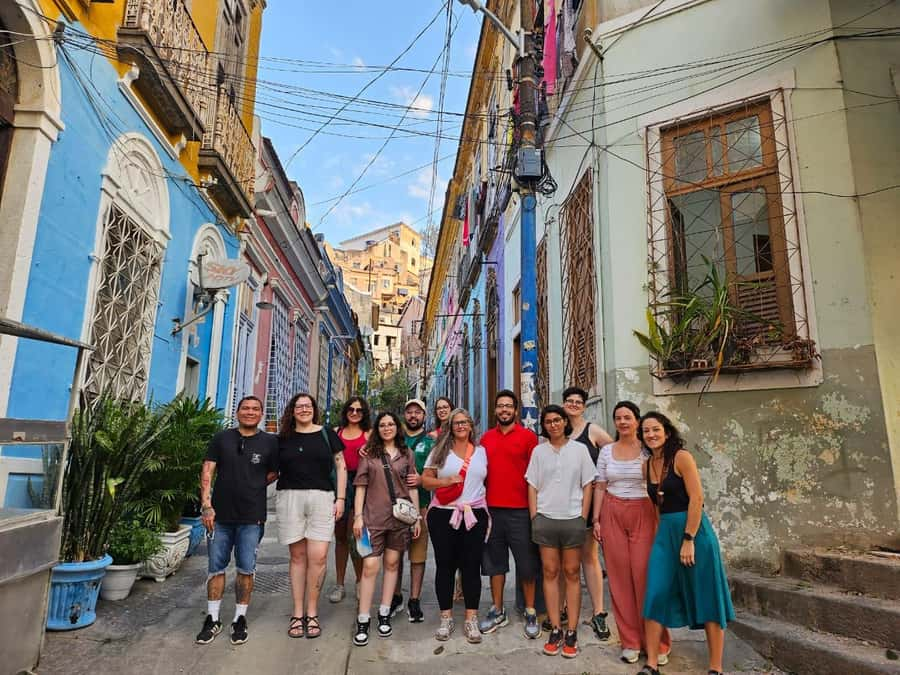
I find it helpful when a tour name does what it says. Here, the emphasis is African culture and Afro-Brazilian history, and that focus changes how you see Rio in the first 30 minutes. The tour centers on the Little Africa and Pedra do Sal area, a zone tied to community life, resistance, and music that grew out of African roots in Brazil.
Instead of treating history like a museum display, this walk connects the past to what you can still sense today: how culture survives, how it adapts, and how it keeps showing up in public life. If you’ve spent your time so far chasing postcards, this tour is the reset button.
The Pedra do Sal region is especially important because it’s tied to black cultural life in Rio. You’re not just learning dates; you’re learning why certain places mattered to communities who were fighting for dignity under slavery and afterward.
What you’ll do on the streets: a guided walk with real context
The tour runs for 3 hours, on foot, and it’s designed so you don’t feel dragged from one point to the next. Expect a guided walk through the Little Africa and Pedra do Sal area, with stops chosen for meaning, not convenience.
Here’s what I think makes the street time work for you:
- Your guide sets the scene before you move on. You get the why behind each place, so every corner feels connected instead of random.
- You learn through themes, not trivia. The tour frames what you’re seeing around black resistance and Afro-Brazilian culture.
- You get a pace that supports questions. With a small group, it’s easier to talk and stay engaged instead of listening from far away.
Even if you’re not a history buff, this kind of structure matters. History tours often fail when they pile facts on top of you and hope you’ll keep up. This one is more like a conversation with direction: you walk, you look, and your guide connects the dots.
The slavery abolition story: how the tour makes it understandable
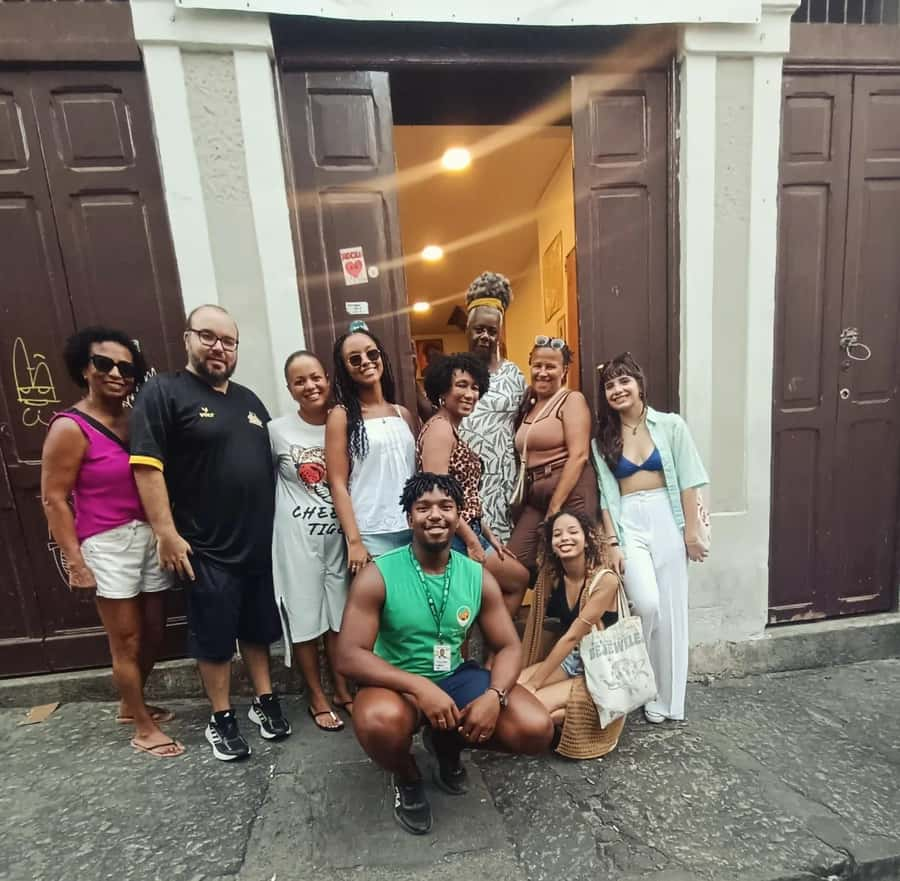
This is the part you’ll remember after the walking shoes come off. The tour focuses on the struggle for the abolition of slavery in Brazil and the broader story of black resistance in Rio. That can sound heavy, and it is. But the way it’s presented is built for clarity.
A useful detail here is that the guide conversation can include comparisons you might recognize from other countries. In particular, guides on this experience have a knack for drawing parallels with systems of racial oppression while still pointing out key differences. That balance helps you learn without flattening the Brazilian story into something that only fits your own country’s history.
If you come with questions, you’ll likely get room for discussion. The experience is set up so you’re not forced to swallow information without processing it. That matters, because abolition and resistance are topics you should not rush.
Still browsing Rio De Janeiro? These are the ones we go back to
Moving from neighborhood history to Carnival’s workshop world

What I love about this tour is that it doesn’t end with a lecture. It ends at the City of Samba, where the conversation shifts from history to cultural production—how samba schools organize, create, and bring Carnival to life.
So instead of leaving after the street walk, you finish with a behind-the-scenes look at what makes Carnival possible. You’ll get entrance to Cidade Do Samba, then learn about the origins and workings behind the samba school parade tradition.
Think of it like this: the first part teaches you where the culture came from. The second part shows how the culture gets shaped into something that can be performed on a massive stage.
Behind the scenes at Cidade do Samba: what entrance actually gives you
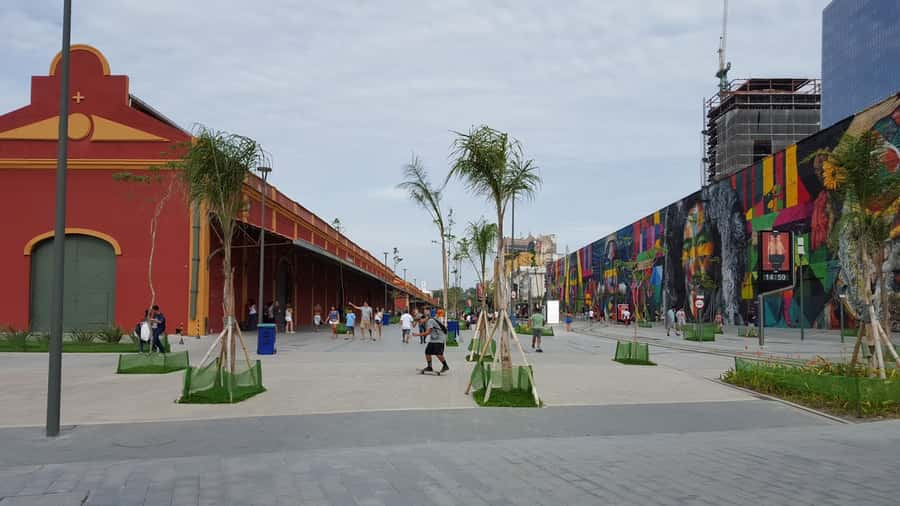
This part is where the tour earns its money for Carnival lovers. You don’t just stand outside and admire the idea. You go inside a samba school space and see how things are made.
From what I’d expect based on how the experience is framed, you’ll spend time learning about the samba schools and then get a peek behind the curtain of Carnaval. The experience includes a behind-the-scenes visit as part of the guided flow, so you’re not wandering around guessing what you’re looking at.
One detail to keep in mind: this final warehouse-style portion can feel more structured than the earlier neighborhood stops, which may matter if you’re specifically chasing street authenticity. If you want the neighborhood feel and people-life energy, you’ll probably enjoy the first half even more. If you’re mainly interested in how samba school parades are built, you’ll likely be happy with the second half.
Either way, it’s a smart pairing. Most Rio tours treat Carnival like a theme park. This one treats it like a living production culture with roots.
Guide quality: why you’ll care who’s leading the walk

The guide is the difference between a walk you forget and a walk that changes how you see the city. On this experience, the guidance is often singled out as both friendly and informative, and the group format supports that.
One guide name that shows up in booking feedback is Rafael, and he’s described as attentive and good at helping you understand the areas tied to Pequena Africa. Another set of feedback highlights how the tour can be explained clearly and didactically, including the afro-brazilian story in a way that stays accessible.
That “accessible” piece is what matters. African culture and slavery history can be misrepresented by tours that either oversimplify or bury you in jargon. Here, the goal seems to be understanding: you’re not just hearing facts, you’re leaving with context.
Walking pace, group size, and why 3 hours works
A maximum of 15 people is a quiet blessing in a city that can feel crowded by default. Smaller groups let you hear the guide, ask questions, and keep your attention. It also means the walk can stay flexible enough to match the energy level of the group.
Also, the tour’s length—3 hours—is the sweet spot for people who want meaningful culture without spending half a day. You get time to learn, time to move, and then a structured finish at Cidade do Samba.
If you’re traveling with limited stamina or you don’t want a long, draining march, this length is one of the best arguments for booking.
Price and value: what $100 buys in this experience
At $100 per person for a 3-hour guided, small-group experience with included Cidade do Samba entrance, I see the value coming from three things:
- It includes the paid access piece. Getting into Cidade do Samba isn’t the same as looking at it from outside, and that access is a core part of the experience.
- You get guided interpretation. The tour isn’t just a route; it’s a structured explanation of Afro-Brazilian culture, black resistance, and Carnival origins.
- You avoid long day logistics. You’re not paying for time stuck in transit or waiting in lines. The experience is built to move.
The only obvious tradeoff is that food and drinks aren’t included, so you’ll want to plan an easy snack or hydration routine before or after. If you’re the type who needs a meal during a 3-hour slot, bring a plan so you don’t lose energy mid-walk.
Who this tour suits best (and who might want to rethink)

This experience fits you if:
- You want Rio culture beyond beaches and skyline photos
- You care about how Afro-Brazilian history connects to modern life
- You want a guided approach, not a self-guided history hunt
- You’re interested in Carnival but also want the roots and production process
You might consider skipping or adjusting expectations if:
- You’re only interested in parade spectacle and want the biggest performance moments
- You prefer free-roaming wandering without a strong narrative structure
- You dislike warehouse-style stops more than neighborhood storytelling
Practical tips for your best experience
A few simple things can help you get more out of the walk and the samba school visit:
- Wear shoes that handle city sidewalks comfortably. Even with a manageable pace, you’ll be on foot for several segments.
- Bring questions. The guide’s style works best when you engage, not when you just take notes.
- Plan for light food needs since drinks and food aren’t included.
- If you communicate by phone while traveling, send your WhatsApp contact as requested so coordination runs smoothly.
Should you book this Rio African Culture Walking Tour?
Yes—if you want your Rio trip to include real culture with context, not just surface-level samba images. This tour gives you history in Little Africa and Pedra do Sal, then closes with Cidade do Samba entrance so you end with a behind-the-scenes view of how Carnival comes to life.
If your ideal day is one part street storytelling and one part cultural production workshop, this is a strong match. Just go in knowing the last portion is more structured than the neighborhood walk, and you’ll be happier with how the experience flows.
FAQ
What areas does the tour cover?
The tour focuses on the Little Africa and Pedra do Sal region in Rio de Janeiro, then ends at Cidade do Samba.
How long is the tour?
It lasts 3 hours.
Is Cidade do Samba entrance included?
Yes. The tour includes entrance to Cidade do Samba and a behind-the-scenes Carnival visit.
Are food and drinks included?
No. Food and drinks are not included.
What languages are available for the guide?
The live tour guide is available in English, Spanish, and Portuguese.
Is the tour wheelchair accessible?
Yes. The experience is listed as wheelchair accessible.
More Walking Tours in Rio De Janeiro






More Tour Reviews in Rio De Janeiro




More Heritage Walks in Rio





Fresh off the review desk: newer Rio De Janeiro tours we have been out on





Walking Tours, compared.
 ★ 4.8Rocinha Favela Walking Tour with Local GuideFrom $363,052 reviews
 ★ 4.7Rio De Janeiro: Half-Day Rocinha Favela Walking TourFrom $352,272 reviews
 ★ 5.0Sunrise and Sunrise Walk Two Brothers with Local GuideFrom $64193 reviews
 ★ 4.9Little Africa Heritage Walking TourFrom $40177 reviews
 ★ 4.8Paraty: Historic Centre Walking Tour & Cachaça TastingFrom $1996 reviews
 ★ 5.0Learn the History of Rio with an Unforgettable City Center Walking TourFrom $4982 reviews
 ★ 4.5Rio’s city walking tour: a glimpse of history and olympic legacyFrom $6078 reviews
 ★ 5.0Walking tour of the bohemian neighborhoods of Santa Teresa and LapaFrom $7259 reviews
Browse the lists this tour appears in