
Reviewed · CHURRASCO & FOOD TOURS
Rio Culture and History through the Art of Traditional Foods
Rio food can be a love story. This 6-hour tour turns it into one—by linking snacks and drinks to neighborhoods like Santa Teresa and Lapa. You’ll learn the food history behind what you’re eating, not just the names.
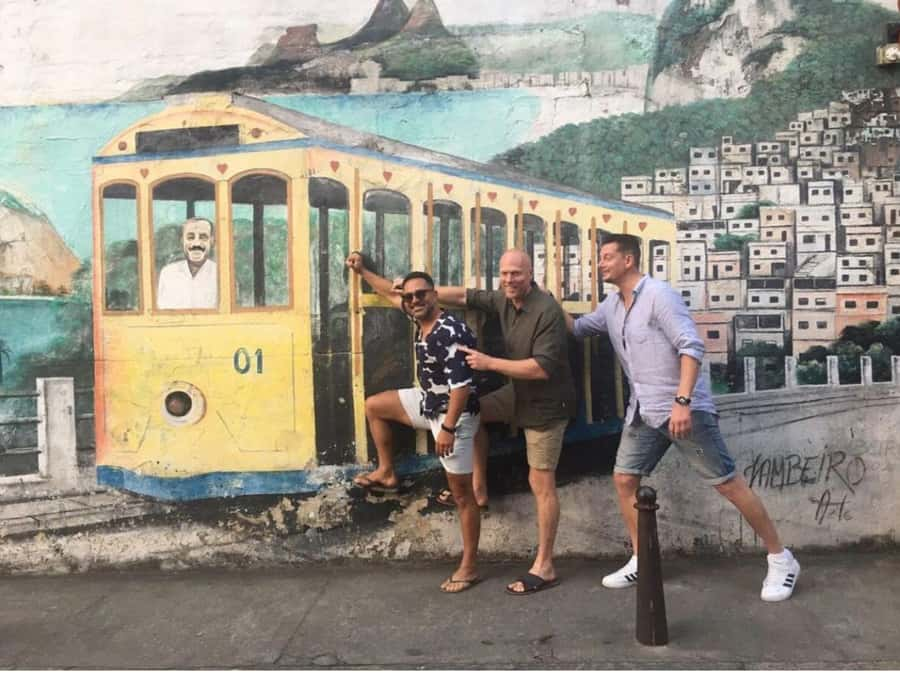
What I like most is the mix of tastings and the way the tram ride adds a “Rio sightseeing” layer to a food-focused day. I also like that you’re not stuck in one shop—you bounce between local restaurants and specialty counters, including the famous Colombo confectionery.
One thing to consider: you’ll be on the move most of the time. The walking distance is about 1 mile, but it’s still steady, and there’s a clothing-and-sun factor in Rio—so plan accordingly.
In This Review
- Key moments you shouldn’t miss
- Rio Food and History, Street-Level Style
- Santa Teresa and Lapa: Food Stops With Real Neighborhood Color
- Colombo Confectionery: When Rio Goes Sweet (And Salty)
- What You’ll Taste: Pão de Queijo, Coxinha, Açai, Tapioca, and More
- Why manioc flour and tapioca matter
- Cachaça, Caipirinhas, and Local Beer: Drinks With Food-Story Power
- The Lapa Arches Tram Ride and Ruinas Park Views
- Guide Power: Storytelling and Connections That Make Tastings Easier
- Price and Timing: Is $198 Good Value for 6 Hours?
- Practical Tips: How to Dress and Prepare for a 10:45 Departure
- Who Should Book This Tour (And Who Might Skip It)
- Should You Book Rio Culture and History Through the Art of Traditional Foods?
- FAQ
- How long is the Rio food and history tour?
- What time does the tour check in and depart?
- What languages is the tour guide available in?
- How much walking is involved?
- What is included in the tour price?
- What food and drinks can I expect to sample?
- Is hotel pickup included?
- Are luggage or large bags allowed?
Key moments you shouldn’t miss
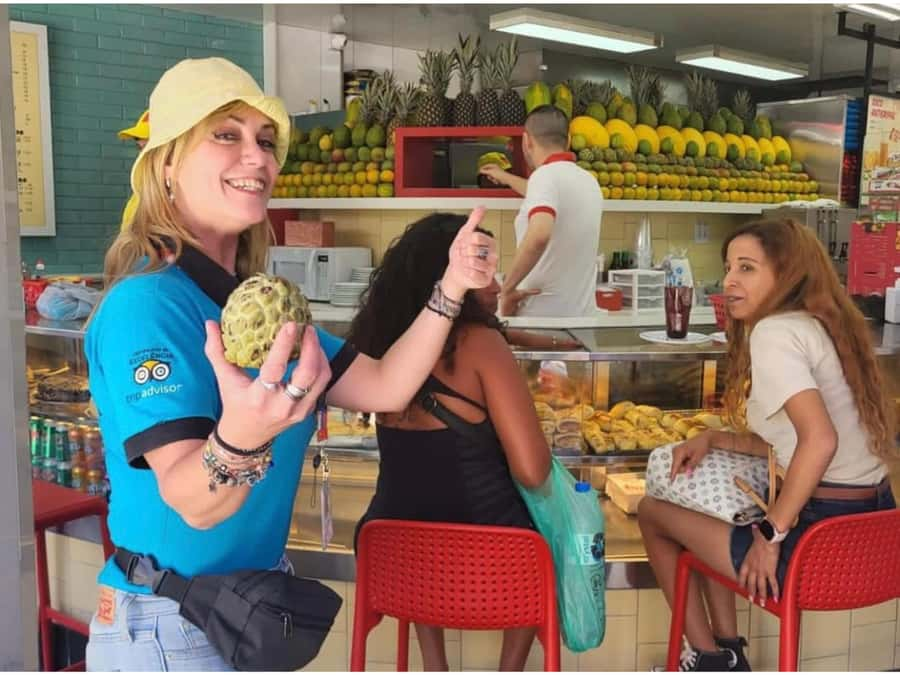
- Colombo confectionery stops for sweet-and-salty cravings
- Santa Teresa and Lapa neighborhoods with trendy bars and restaurants as backdrop
- Lapa Arches aqueduct tram ride plus panoramic Ruinas Park views
- Traditional bites like pão de queijo, coxinha, tapioca, and manioc flour
- Cachaça and local beer tastings paired with food history told by your guide
Still hungry? More churrasco and food tours
- Rio: Christ the Redeemer, Sugarloaf, Selaron & BBQ Lunch★ 4.5 · 2,428 reviews
- Skip the Line to Christ Redeemer, Sugar Loaf and Barbecue Lunch★ 4.0 · 593 reviews
- Rio From the Sea: Guanabara Bay Cruise with Optional Barbecue Lunch★ 4.0 · 88 reviews
- Guided Market Fruit Tasting in Rio with 15+ Exotic Flavors★ 5.0 · 68 reviews
Rio Food and History, Street-Level Style

Rio’s best cultural lessons often happen at eye level: a counter, a shop window, a family recipe, a neighborhood vibe. This tour is built around that idea. You walk through two of Rio’s most atmospheric areas—Santa Teresa and Lapa—while a local expert explains why certain foods are tied to daily life, and how those traditions keep evolving.
The format matters. You’re not just collecting samples; you’re getting context. The tour guide shares the family traditions behind each stop, and that turns a bite into something you remember. A good food tour can become a blur. Here, the structure is meant to keep it readable: food first, story alongside, and a couple of signature sights to break it up.
Santa Teresa and Lapa: Food Stops With Real Neighborhood Color
If you’ve only seen Rio from major viewpoints, you might miss the way different areas “feel” like different cities. This walking route gives you a sense of both the downtown pulse you pass through and the more artsy, laid-back mood in Santa Teresa and Lapa.
Santa Teresa is where you go for old-Rio charm and creative energy, and you’ll see that reflected in the food stops along the way. Lapa is the one with the big personality—music, movement, and plenty of bars and restaurants nearby. That matters for a food tour, because the food scene here doesn’t feel like a staged event. It’s just how people spend their evenings.
You’ll also get the kind of neighborhood context that’s hard to pull from a map. Your guide isn’t only telling you what you’re eating; they’re pointing out what makes these streets part of Rio’s story—so you walk away feeling like you can place flavors on a real map of the city.
Colombo Confectionery: When Rio Goes Sweet (And Salty)
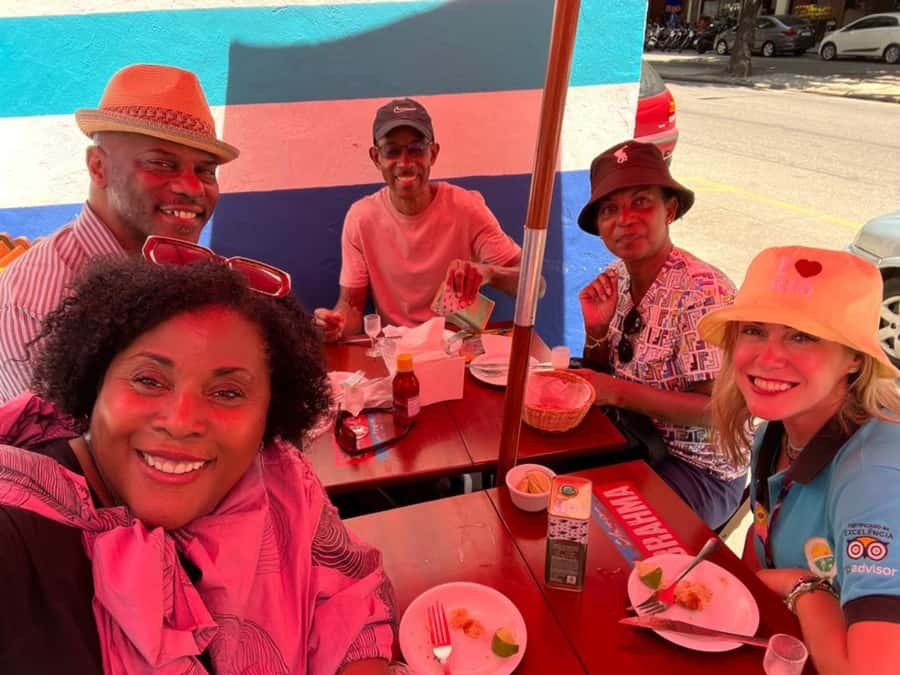
One highlight is the stop at Colombo confectionery, which is known for getting both the sugar cravings and the snack cravings right. The tour is explicit about it: you’ll lose yourself among sweets and salty bites there, not just browse the counter.
This is a smart inclusion for two reasons.
First, Brazilian food isn’t only about savory comfort. Rio’s tradition includes desserts and snack culture that runs alongside it. Colombo gives you a concentrated dose of that.
Second, it balances the rest of the tour. If you start with savory classics and then hit sweets later, your taste buds stay curious instead of fatigued. You’ll also see how people in Rio treat snacks as part of the day, not just something you eat when you’re “on vacation mode.”
Still browsing Rio De Janeiro? These are the ones we go back to




What You’ll Taste: Pão de Queijo, Coxinha, Açai, Tapioca, and More

This is a traditional Brazilian food tour, and it shows in the menu.
You can expect tastings of local favorites such as pão de queijo (chewy, cheesy bites), coxinha (crispy chicken croquette), and additional snacks that reflect staple ingredients in Brazilian cooking. The tour also calls out ingredients that matter in the wider food culture—açai, tapioca, and manioc flour—so you’re not only sampling; you’re learning what’s foundational.
A few other items also show up in the experience based on guide choices and tasting variety, including things like bacalao fritters. In practice, that means the tour is likely to feel like a sequence of textures: crispy, chewy, creamy, fruity-sweet, and savory. It’s a good way to understand why Rio food can be both simple and surprisingly complex.
Why manioc flour and tapioca matter
These ingredients are bigger than they look. When you taste dishes made from manioc flour or tapioca, you’re tasting a core part of Brazilian food history—especially in how rural ingredients got transformed into street snacks you can find in city neighborhoods today. That’s the kind of food-history link your guide is meant to make clear.
Cachaça, Caipirinhas, and Local Beer: Drinks With Food-Story Power
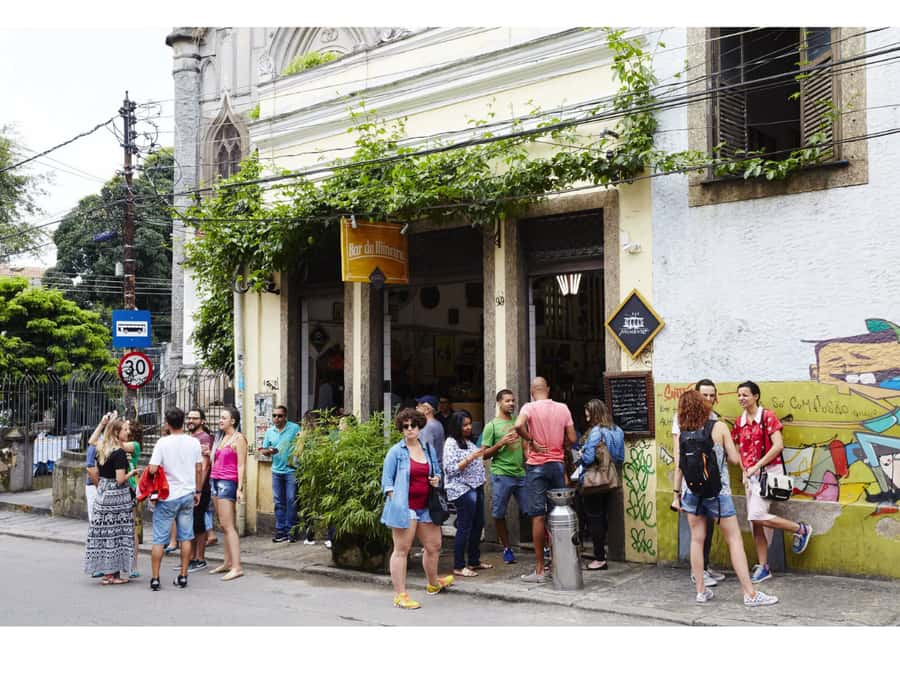
Rio’s drink culture is a natural match for a walking food tour, and this one includes tastings of cachaça, plus local beer and other popular drinks like caipirinhas.
Why is that a good idea? Because these drinks aren’t random add-ons. They’re part of how Brazilian meals and snack breaks happen socially. When your guide explains the cultural background while you’re tasting, you get a deeper understanding of what you’d otherwise treat like a simple shot or a cocktail.
Also, pairing drinks with foods helps your palate reset. One stop might be heavier and savory; another might be sweeter; then the drink tasting can bring everything into focus again.
A fun bonus here is that you’re not guessing how to order or what to expect at each place. Your guide can steer you through what you’re tasting and how it fits into the bigger Rio picture.
The Lapa Arches Tram Ride and Ruinas Park Views
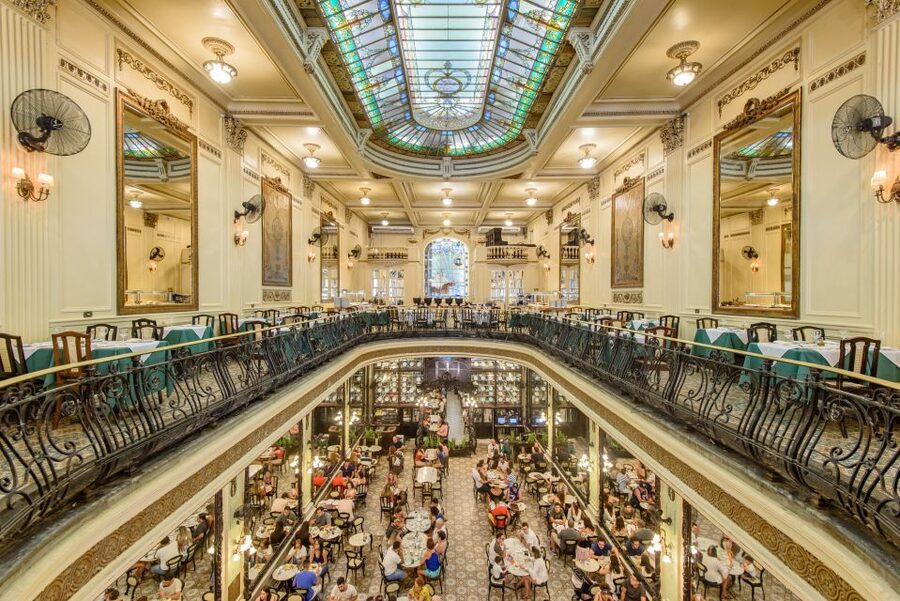
Food tours are great, but you need a visual break. This one builds in exactly that with a tram ride that travels over the Lapa Arches aqueduct, then passes by Ruinas Park.
That segment isn’t just a transport moment. It’s a chance to see Rio from a slightly elevated angle while you travel between downtown and Santa Teresa. And when the tour includes panoramic city views, it changes the pacing: instead of feeling like you’re walking through snack shops back to back, you get a “breather with a viewpoint.”
The Ruinas Park stop adds a layer of atmosphere too—another reason this experience doesn’t feel like a checklist. It feels like you’re moving through the city in a way locals actually do: with architecture, views, and neighborhood edges all working together.
Guide Power: Storytelling and Connections That Make Tastings Easier
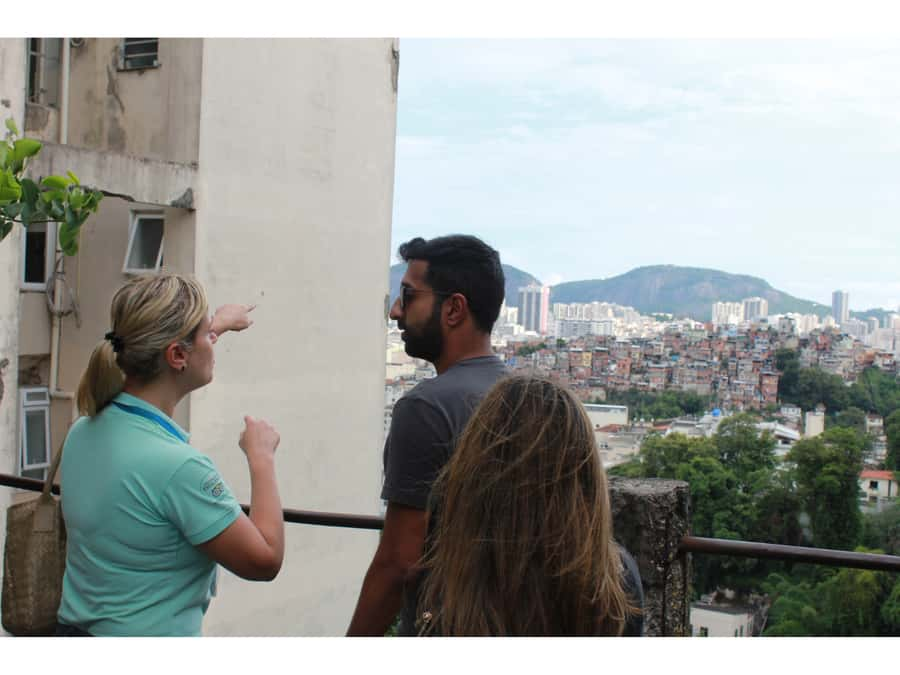
A tour lives or dies by its guide, and this experience has a strong track record of guides who know how to connect details.
In the feedback you’ll read, guides like Romayne and Camila are highlighted for energy, long experience, and storytelling that keeps you paying attention. Romayne, in particular, is described as someone who knows people in the places you visit, so you often feel treated like more than just another person in line. That kind of relationship doesn’t just make the day smoother—it can also make the tastings feel more personal.
Camila is mentioned for being personable and passionate about Brazilian food and history, which is exactly what you want when the tour is built on the “story behind the bite” approach. If you care about learning why certain foods matter, that matters more than a guide who only recites facts.
In short: you’re not only tasting. You’re learning how each stop fits into Rio’s everyday culture.
Price and Timing: Is $198 Good Value for 6 Hours?
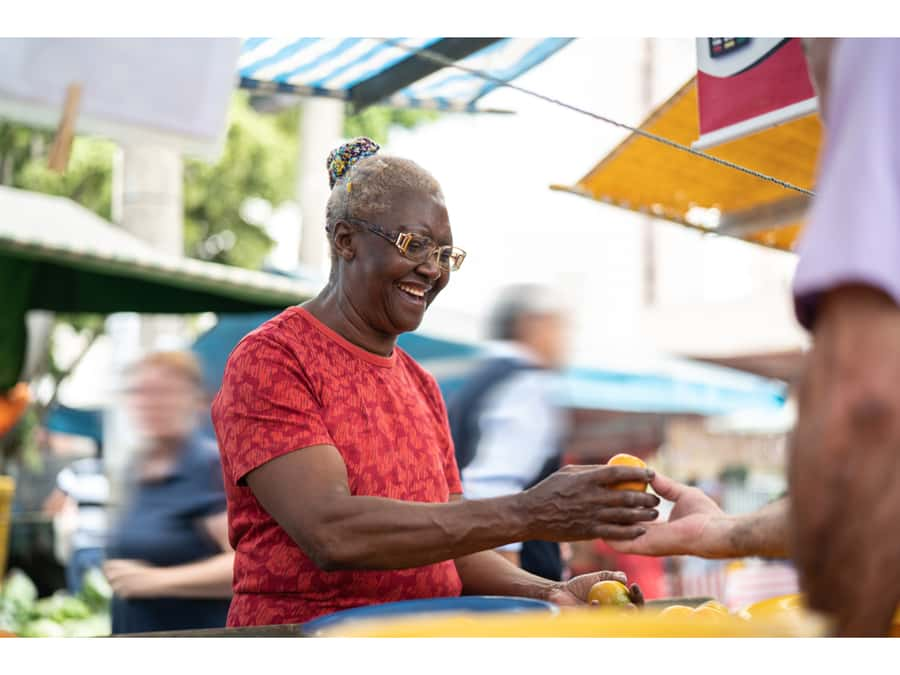
$198 per person is not a “cheap eats” number. But for a 6-hour guided experience that includes professional guidance, food samples, entrance fees, and a tram ticket, the value makes sense if you want both food and sights.
Here’s what you’re paying for, practically:
- Tastings and samples across multiple local stops (not just one or two)
- Included beverages like cachaça and local beer, plus other drink pairings
- A tram ride with sightseeing elements like the Lapa Arches aqueduct and Ruinas Park area
- Access to the kind of food history explanation you usually only get by hiring a private guide
If you’re the type who hates spending vacation time figuring out what’s good in each neighborhood, this price can feel reasonable fast. You’re buying time-saving logistics plus a guided narrative that makes the flavors stick.
If you’re mostly in Rio for beach time and you want only a quick snack, you may find this is more than you need. But if you want a structured food-and-history day, it’s a solid match.
Practical Tips: How to Dress and Prepare for a 10:45 Departure
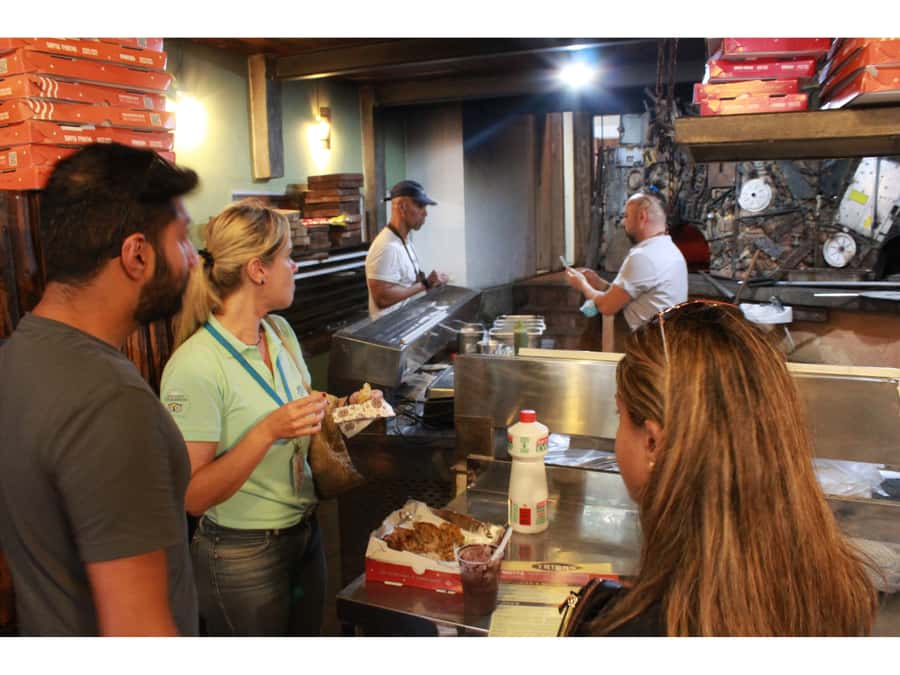
This tour runs in the late morning. Check-in is at 10:30 a.m., and the departure is 10:45 a.m. You’ll want to arrive at least 10 minutes early so you can start on time.
You’ll also walk around a bit—about 1 mile total—which fits most fitness levels. Still, in Rio, comfort matters. I’d plan for sun and heat: bring sunglasses and a sun hat, and wear comfortable clothes you can move in.
One restriction that’s important: no luggage or large bags. So travel light. If you’re carrying a big daypack, plan on using it sparingly or adjusting your setup so you’re not stuck trying to manage it during stops.
Who Should Book This Tour (And Who Might Skip It)
This experience is best for you if:
- You want a guided food-focused day with real neighborhood context
- You enjoy learning the story behind ingredients like açai, tapioca, and manioc flour
- You like tasting drinks as part of the culture, especially cachaça
- You want a mix of walking and a scenic tram ride over the Lapa Arches aqueduct
You might skip it if you’re:
- Not interested in tasting multiple foods and drinks
- Sensitive to sun and prefer very short outings
- Looking for a purely independent, self-guided itinerary
The sweet spot is someone who likes to eat well, walk a little, and understand Rio through what people actually eat and drink.
Should You Book Rio Culture and History Through the Art of Traditional Foods?
I think you should book this tour if you want a day that connects flavor to place. The Santa Teresa and Lapa neighborhoods give it a strong setting, and the tastings—pão de queijo, coxinha, açai, tapioca, manioc flour, plus sweets at Colombo—make it feel like a proper sampling journey rather than a quick snack stop.
The tram ride over the Lapa Arches aqueduct, passing Ruinas Park, adds an extra reason to choose this one over a simple walking food loop. And with guides like Romayne and Camila getting attention for energy and storytelling, you’re more likely to leave with understanding, not just photos.
If you want a food day with structure, context, and a few classic Rio moments, this is a smart pick.
FAQ
How long is the Rio food and history tour?
The tour lasts 6 hours.
What time does the tour check in and depart?
Check-in is at 10:30 a.m., and the tour departs at 10:45 a.m.
What languages is the tour guide available in?
The live guide offers English and Spanish.
How much walking is involved?
The distance walked is about 1 mile, suitable for most fitness levels.
What is included in the tour price?
The tour includes a professional guide, tastings and food samples, a tram ticket, entrance fees, and the walking tour itself.
What food and drinks can I expect to sample?
You’ll sample local foods such as pão de queijo and coxinha, plus items made with açai, tapioca, and manioc flour. The route also includes tastings of local beer and cachaça, and you’ll also visit Colombo confectionery for sweet and salty snacks.
Is hotel pickup included?
No, hotel pickup and drop-off are not included.
Are luggage or large bags allowed?
No. Luggage or large bags are not allowed on the tour.
More Historical Tours in Rio De Janeiro






More Tour Reviews in Rio De Janeiro






More Churrasco and Food Tours





Fresh off the review desk: newer Rio De Janeiro tours we have been out on





Churrasco & Food Tours, compared.
 ★ 4.5Christ the Redeemer, Sugarloaf, Selaron & BBQ LunchFrom $692,428 reviews
 ★ 4.0Skip the Line to Christ Redeemer, Sugar Loaf and Barbecue LunchFrom $113593 reviews
 ★ 4.0Rio From the Sea: Guanabara Bay Cruise with Optional Barbecue LunchFrom $7488 reviews
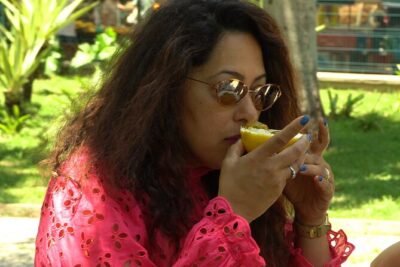 ★ 5.0Guided Market Fruit Tasting in Rio with 15+ Exotic FlavorsFrom $4968 reviews
 ★ 5.0City Tour Full VIP – Corcovado Train + Churrascaria RodízioFrom $14743 reviews
 ★ 5.0African Heritage: Gastronomy and Musicality ExperienceFrom $11039 reviews
 ★ 5.0A socio-educational and gastronomic experience in the Vidigal favelaFrom $5539 reviews
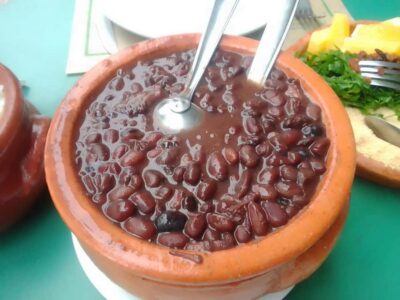 ★ 4.2Barra da Tijuca Walk & Food Tour with DrinksFrom $019 reviews
Browse the lists this tour appears in