
Reviewed · SURF & STAND-UP PADDLE
Rio Surf Experience!
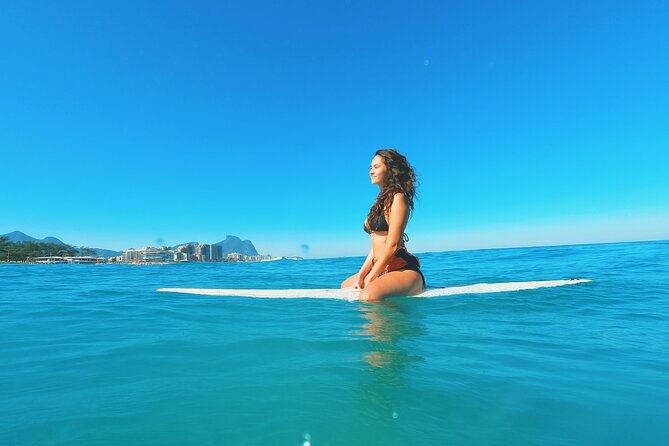
Rio’s shoreline can feel chaotic. This tour turns it into a lesson.
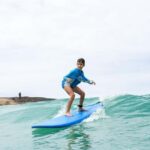
I really like that you’re coached through the basics first on land, then right onto waves—so your feet and balance get trained before you’re fighting the ocean. I also love the small-group feel (up to 6 people), which makes the guidance more personal, especially for beginners. The one drawback to consider: there’s no hotel pickup mentioned, and the day is built around finding the best conditions, so you’ll want to arrive on time at the start point and be ready to move quickly.
Here’s the heart of it: you meet in Barra da Tijuca, the guide checks the water, then you surf in a way that matches your skill level. Afterward, you’ll head to a scenic spot with a big Rio payoff—so you don’t just come home with wet hair and saltwater memories.
In This Review
- Key Highlights You’ll Feel Fast
- Where You Meet on Barra da Tijuca (and Why It Matters)
- Choosing the Best Wave Spot for Your Skill Level
- Sand Warmups, Standing Practice, Then the Real Ocean
- Instruction That Helps You Catch More Waves
- Gear, Photos, and the Pace of a 4-Hour Surf Day
- The Post-Surf Viewpoint Stop: Why It’s More Than a Bonus
- Price and Value: Is $90 Worth It?
- Who Should Book This Surf Session (and Who Might Pass)
- Simple Tips to Make Your Day Smoother
- Should You Book Rio Surf Experience?
- FAQ
- Where does the tour start?
- How long is the surf experience?
- Is hotel pickup included?
- How many people are in the group?
- Is the experience suitable for beginners?
- What happens before you go into the water?
- Is surf gear provided?
- Do you go to a scenic spot after surfing?
- What weather conditions are required?
- What if I need to cancel?
Key Highlights You’ll Feel Fast
- A surf plan built around conditions: the guide looks for the best spot of the day based on your level.
- Warmup + pop-up practice first in sand: you rehearse standing up before you go for real waves.
- Up to 6 surfers: calmer vibe, more attention, and better odds to catch waves.
- Safety briefing before you paddle: you get sea-safety guidance before stepping into the water.
- Photos and a post-surf viewpoint: you leave with keepsakes and a scenic stop after surfing.
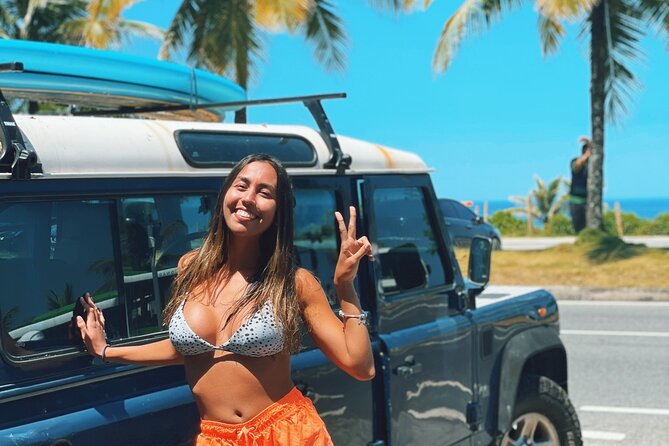
- Guides who stay patient with beginners: clear English coaching is a common theme, especially for first-timers.
More waves and flat-water paddles off the beaches
- Rio de Janeiro: Stand-Up Paddle – Copacabana Beach Sunrise★ 3.7 · 39 reviews
- Rio Surf Experience★ 4.9 · 37 reviews
- Surf lessons: in Arpoador in Ipanema.★ 4.7 · 35 reviews
- Surf lessons with local instructors in Copacabana/ipanema!★ 3.6 · 31 reviews
Where You Meet on Barra da Tijuca (and Why It Matters)
This experience starts at Banco24Horas, Av. Rodolfo Amoedo, 455, in Barra da Tijuca. That matters more than it sounds, because the whole day is about momentum. The guide is looking for good waves, so the plan depends on where conditions are best when you’re ready to go.
Also, this is one of those tours where you should plan to handle yourself at the meeting point. The information I was given points clearly to meeting at the address above, with the activity ending back at the same location. In other words: don’t wait for a van that comes to your hotel unless you’ve been explicitly told otherwise.
The good news: the meeting area is marked as near public transportation, so it’s easier to build a simple day around it. If you’re staying somewhere in Rio where you can hop over to Barra, this can fit cleanly into your schedule.
Practical tip: arrive early and give yourself time to find the exact pickup spot in front of Banco24Horas. When you’re about to get in the ocean, “almost on time” isn’t the same as on time.
Choosing the Best Wave Spot for Your Skill Level
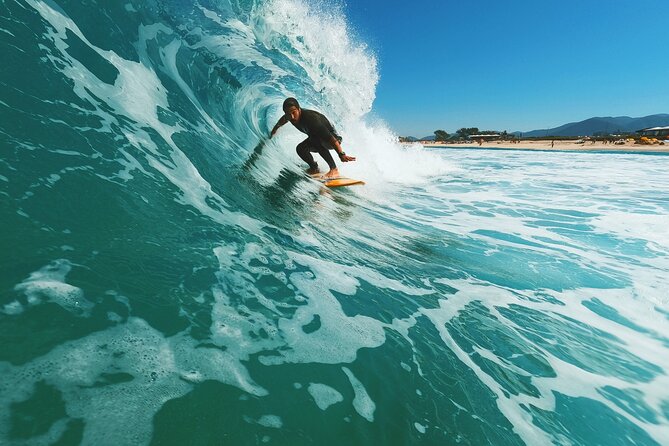
Once everyone’s together, the guide’s job is to get you out to the water in the right place. The tour is structured around this idea: instead of forcing everyone into the same conditions, you search for a spot with the best wave setup for the group that day.
That’s one of the biggest reasons this tour is so beginner-friendly in practice. If you’re new to surfing, the worst-case scenario is getting dropped into water that’s too strong, too crowded, or too chaotic. Here, you’re taught to match technique to conditions—starting with the beach training, then transferring that into the sea.
This is also where you get the “feel like locals” part without turning it into a sightseeing lecture. Barra can be busy, but having a guide who can spot a calmer pocket of surf (and adjust your plan) is what turns a “lesson” into actual riding time.
From the way the experience is described, the group keeps moving with the ocean. If the conditions shift, the plan shifts too. That’s normal in surfing, but it’s still a big deal for value—because your time in the water is the product.
Sand Warmups, Standing Practice, Then the Real Ocean
Before you paddle, you do a proper sequence. First comes the safety talk at sea. Then you warm up and practice the core movement—especially getting your body into position to stand—starting in the sand.
This is exactly what you want as a first-timer. Surfing is less about strength and more about timing and muscle memory. If you try to “figure it out” only once you’re floating on a board, you lose your attention to fear and balance issues. Doing it on sand first helps you focus on what matters.
In the water, the guide helps you catch waves. A name that comes up for this kind of instruction is Gabriel, and the coaching style described is very hands-on: clear technique breakdown for the pop-up (the fast transition from lying to standing) and encouragement that keeps you present rather than panicked.
One detail I think you’ll appreciate: the warm-up is described as mindful and aimed at reducing risk of injury while building focus. That means you’re not just being told what to do—you’re being prepped to do it safely.
Also, keep in mind the ocean isn’t predictable. Even in drizzle, the day can still work. One account mentions water and scenery still feeling great even when weather wasn’t perfect. In Rio, that’s a realistic expectation: you come prepared, you follow the guide’s calls, and you don’t let light rain ruin the session.




Instruction That Helps You Catch More Waves
The tour is designed for Most travelers can participate, and the max group size is 6. That combination is what keeps the instruction effective. With fewer people in the water, the guide can watch body position, correct quickly, and guide where you should be paddling.
Clear English coaching shows up as a strong theme too. If you’ve ever had a “surf lesson” where the instructor talks so fast you can’t process anything, this one sounds different: the technique cues are described as simple and successful, especially for beginners.
Here’s what that means for your day:
- You don’t just get a board and a hope.
- You’re coached on the movement you need most (pop-up and stance).
- You’re guided to the right spot so you’re not fighting for scraps in the worst part of the break.
The most repeated win here is that beginners feel like they’re actually doing surfing, not just learning gestures. And if you’ve surfed before, you still get value from the guide’s wave selection and real-time help.
Gear, Photos, and the Pace of a 4-Hour Surf Day
The experience runs about 4 hours. That may sound short, but surfing lessons don’t waste time if they’re run well. Your time gets split between training on land, getting into the water, catching waves, and then moving on to the next part of the day.
Gear is provided, so you’re not stuck shopping or improvising a wetsuit plan at the last minute. That’s a real value point: surfing gear costs money, and getting it wrong can waste your session.
Another perk: there’s often a photographer involved. One account mentions getting photos to commemorate the experience, and that the guide captures the essence of the day. Even if you’re not a “photos person,” it’s useful. Surfing happens fast—having a record helps you remember what you learned, not just that you were wet.
As for pace, the tour is active but not frantic. You’re warmed up, taught, then in the water. The group size helps keep it calm. When it’s working, it feels like you’re spending your energy on technique instead of logistics.
The Post-Surf Viewpoint Stop: Why It’s More Than a Bonus
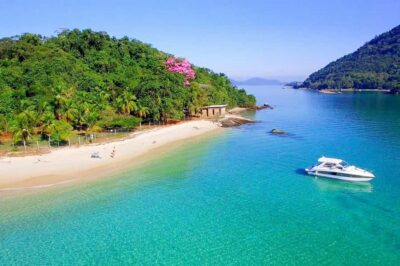
After surfing, you head to a place of unique beauty with a breathtaking Rio view. This is one of those “small” additions that actually changes the feel of the day.
Surfing is fun, but it’s also tiring. A scenic stop after you’ve caught waves does two things:
- It gives your body a breather so you don’t just rush home.
- It turns the session into a full experience instead of a single physical activity.
In the descriptions I was given, the viewpoint is a highlight—especially because it offers a different angle on Rio than the usual city routes. And because the day stays guided, you’re not wandering around trying to find a good overlook with the wrong lighting or the wrong viewpoint.
Even if your surfing was limited by conditions that day, the scenic stop helps make sure the memory still lands.
Price and Value: Is $90 Worth It?

At $90 per person for about 4 hours, this isn’t a bargain-basement activity. But it also isn’t priced like a luxury private surf trip. It lands in a “this is a real coached experience” category.
Here’s why the value can work:
- Instruction + safety briefing: you’re not just renting a board.
- Group size max of 6: more attention than typical big-group lessons.
- Wave selection: the guide actively seeks the best conditions for your level.
- Gear provided: you save the headache (and expense) of figuring out what to bring.
- Photos + viewpoint stop: you get more than one moment of fun.
Is it worth it if you only want one quick try? Maybe not. If your goal is a quick photoshoot or a casual stroll, you’d be happier with a different kind of Rio activity.
But if you want real guidance and you care about catching waves—especially as a beginner—this pricing starts to look fair.
One more thing: it’s commonly booked about 25 days in advance. That’s a hint that the scheduling is popular and the operator isn’t sitting on empty calendars. If you’re going during high-demand weeks, booking earlier gives you better odds of landing your preferred time.
Who Should Book This Surf Session (and Who Might Pass)
This tour is a strong fit if you:
- are a beginner and want structured coaching
- want a calm, small group instead of a chaotic class
- like the idea of matching surf conditions to your skill level
- want a full half-day with both surfing and a viewpoint stop
It’s also a good choice if you’re traveling with family or a mixed-skill group, because the instruction described is patient and adapts to your level.
You might think twice if:
- you need hotel pickup (the meeting point is clearly specified at Av. Rodolfo Amoedo, 455)
- you hate moving fast or adjusting to changing conditions
- you’re very sensitive to weather (the experience requires good weather, and it may be canceled or moved if conditions aren’t right)
Simple Tips to Make Your Day Smoother
You’ll enjoy this more if you treat it like an actual lesson, not a drop-in activity.
- Plan to arrive early at Av. Rodolfo Amoedo, 455 and get your bearings fast.
- Wear water-friendly clothing that dries quickly.
- Bring basics for after: a towel if you prefer, and something for comfort once you’re out.
- Listen closely during the sea-safety briefing. It’s not dramatic, it’s just smart.
- Go in ready to practice your pop-up. That’s the skill that changes everything.
And if your first attempts feel awkward, good. That’s normal. With the kind of coaching described, the goal isn’t perfection—it’s getting you standing up safely and catching waves.
Should You Book Rio Surf Experience?
If you want a beginner-friendly surf day that actually helps you catch waves, I think this is a solid booking. The combo of small group size, land-based warmups for balance and stance, safety guidance, and wave-finding for your level makes the experience feel focused instead of random.
I’d book it if you’re okay meeting at the stated address in Barra da Tijuca and you’re flexible with changing ocean conditions. If you’re expecting hotel pickup or you’re counting on perfect weather no matter what, you’ll probably feel frustrated.
Bottom line: for $90, you’re buying coaching, better odds in the water, and a scenic Rio payoff after. That’s a pretty good deal for a half-day outing.
FAQ
Where does the tour start?
The tour starts at Banco24Horas, Av. Rodolfo Amoedo, 455 – Barra da Tijuca, Rio de Janeiro – RJ, 22620-350, Brazil.
How long is the surf experience?
It lasts about 4 hours.
Is hotel pickup included?
The provided information does not mention hotel pickup. The activity starts and ends back at the meeting point at Av. Rodolfo Amoedo, 455.
How many people are in the group?
The tour/activity has a maximum of 6 travelers.
Is the experience suitable for beginners?
Yes. It’s described as suitable for most travelers, and the instruction includes warmups and practice so beginners can participate.
What happens before you go into the water?
You meet at the beach, get safety measures at sea, do warm-up exercises, and practice standing on the board first in the sand.
Is surf gear provided?
Yes, surf equipment is provided.
Do you go to a scenic spot after surfing?
Yes. After surfing, you’ll go to a place of unique beauty for a breathtaking view.
What weather conditions are required?
The experience requires good weather. If it’s canceled due to poor weather, you’ll be offered a different date or a full refund.
What if I need to cancel?
You can cancel up to 24 hours in advance for a full refund. If you cancel less than 24 hours before the start time, the amount paid is not refunded.
More Tour Reviews in Rio de Janeiro






More Surf and Paddle Sessions





Fresh off the review desk: newer Rio de Janeiro tours we have been out on




Surf & Stand-Up Paddle, compared.
 ★ 5.0Kayaking to the mangrovesFrom $3685 reviews
 ★ 3.7Stand-Up Paddle – Copacabana Beach SunriseFrom $7039 reviews
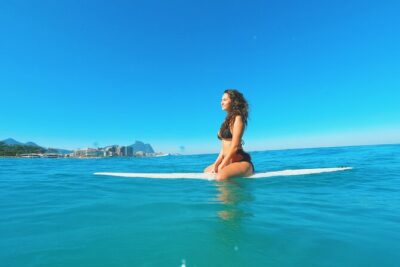 ★ 4.9Rio Surf ExperienceFrom $10037 reviews
 ★ 5.0Sunset KayakingFrom $3637 reviews
 ★ 5.0Kayaking Mangroves tour ( Natural Reserve )From $3636 reviews
 ★ 4.7Surf lessons: in Arpoador in Ipanema.From $3335 reviews
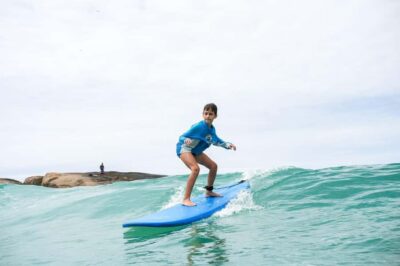 ★ 3.6Surf lessons with local instructors in Copacabana/ipanema!From $1031 reviews
 ★ 4.7Paraty Bay: Half-Day Mangroves and Beaches Tour by KayakFrom $9015 reviews
Browse the lists this tour appears in