
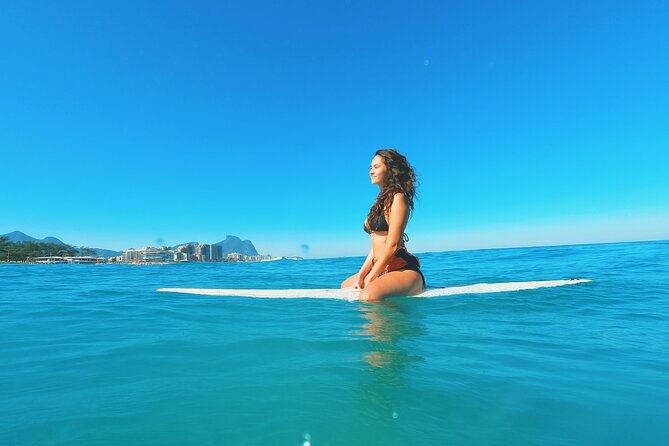
Reviewed · SURF & STAND-UP PADDLE
Rio Surf Experience
Waves, coaching, and a Rio view. What makes this surf outing especially worth your time is the wave scouting for your level and the way the lesson starts with real technique practice before you ever try to stand up. I also like the small-group vibe and the fact you get a short, memorable sightseeing stop after the session. The main consideration is timing: the 4 hours can stretch based on how far you need to drive to find the right conditions.
On the beach, you’ll go through safety at sea, then warm up and practice the pop-up motion on sand. Instructors like Gabriel and Emiliano (depending on your date) show up with real patience for beginners, and they’ll still fine-tune advanced riders when you’re ready to level up.
If you’re imagining you’ll leave with tons of action photos, plan ahead: professional photo and video packages aren’t automatically included. You can also expect the ocean to be, well, an ocean—one rider noted colder water and close-to-shore breaking waves, so being mentally ready for surf conditions helps.
In This Review
- Key things you’ll notice fast
- Price and what you actually get for $100
- Meet-up at BR gas station: easy start, real-world logistics
- The 4-hour rhythm: 90 minutes of surfing plus the rest of the day
- Finding the right waves: why this approach feels smart
- On the sand first: how the lesson sets you up to stand
- In the water: coaching that matches your level
- Gear included: board, wetsuit, rash guard, and what to bring
- The post-surf stop: the part that makes it feel local
- Photo expectations: how to get the memories you want
- Who should book this surf session?
- Things to consider before you go
- Tips to make your session smoother (and more fun)
- Should you book Rio Surf Experience?
- FAQ
- Is the surf lesson beginner-friendly?
- How long is the surfing time?
- What’s included in the price?
- Do I need to bring my own surfboard or wetsuit?
- Is there an age or swimming requirement?
- Where do we meet?
- Are photos or videos included?
- What happens if the waves near the meeting point are good?
Key things you’ll notice fast
- They pick the best surf spot for your ability on the day, not a one-size-fits-all beach.
- 1 hour 30 minutes of actual surfing time is built in, with extra time compared to the standard.
- Technique starts on sand, so your first attempts at standing up aren’t random luck.
- Trilingual instruction (Portuguese, Spanish, English) keeps you moving even if you don’t speak Portuguese.
- A post-surf viewpoint stop adds a local-feeling finish beyond just changing and leaving.
More waves and flat-water paddles off the beaches
- Rio Surf Experience!★ 5.0 · 85 reviews
- Rio de Janeiro: Stand-Up Paddle – Copacabana Beach Sunrise★ 3.7 · 39 reviews
- Surf lessons: in Arpoador in Ipanema.★ 4.7 · 35 reviews
- Surf lessons with local instructors in Copacabana/ipanema!★ 3.6 · 31 reviews
Price and what you actually get for $100
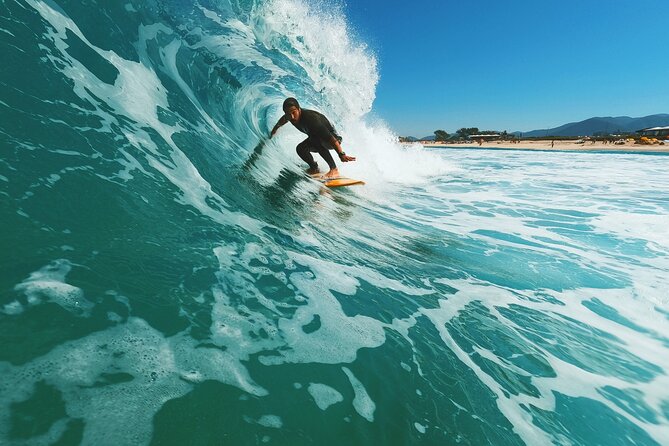
At $100 per person for about 4 hours total, this isn’t a budget-only activity. The good news is that the price covers the stuff that usually eats your time and energy on your own: board, wetsuit (or rash guard), transportation to the surf spot, and a dedicated instructor for the full session.
You’re also paying for decision-making. Surf in Rio is not always the same from morning to morning. The experience is designed around finding the best conditions for your level—whether you’re brand-new or already catching waves—so you’re less likely to end up at a beach with the wrong mix of waves, wind, or swell.
What’s not included matters too. Photos and videos with a professional camera, plus GoPro-style coverage, are extra. If you want that “proof I did it” set, ask about the photo add-on before you go.
Meet-up at BR gas station: easy start, real-world logistics
Your meet-up is at the BR gas station. There’s a café and an açaí store right there, which is handy if you need a quick coffee or a snack before you head out.
From a practical standpoint, this location works because you’re starting in Barra da Tijuca. That’s where the trip begins, and from there you either:
- Surf near the meeting area if conditions are already good, or
- Drive to find better waves for your group’s level
This “drive if needed” approach is key. You’re not just buying a lesson—you’re buying flexibility in where you surf, based on conditions.
The 4-hour rhythm: 90 minutes of surfing plus the rest of the day

The surf session is fixed at 1 hour 30 minutes, and it’s intentionally longer than a standard session (the experience notes 30 minutes above the average). The total time you’ll spend out is about 4 hours because travel time varies.
Here’s what that usually means for your morning:
1) Meet up and gear up
2) Head to the beach (or stay local if conditions are already good)
3) Safety briefing + warm-up + pop-up drills on sand
4) Paddle out and surf for 1.5 hours
5) Finish with a viewpoint or special stop after surfing
One review also mentioned the timing feeling closer to 3 hours on a particular day, but the sightseeing stop was still part of the experience. So if you’re planning a tight schedule right after, I’d build in some buffer.





Finding the right waves: why this approach feels smart
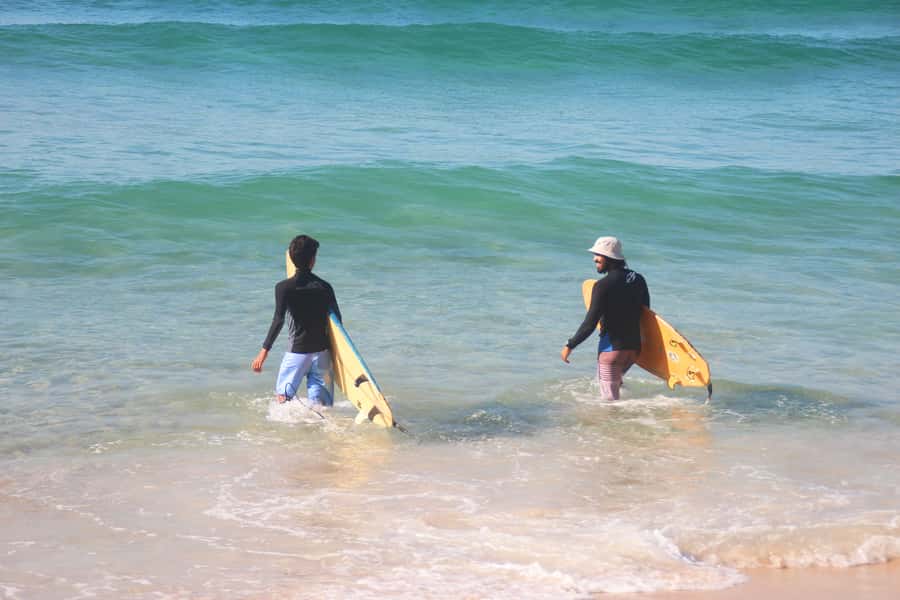
The biggest quality-of-life upgrade here is that you don’t have to guess where the surf will be good for your level. The instructors actively look for conditions that match the group’s ability.
You’ll get the clearest benefit if:
- You’re new and want your first waves to be actually learnable
- You’re intermediate or advanced and want the day’s waves to support your progression
- You don’t speak the local “surf forecast language” and don’t want to spend your vacation decoding it
The experience also calls out that waves aren’t always suitable for beginners every day. That’s why it’s recommended to message ahead of time—because you’re not just booking a beach visit. You’re booking a session that depends on ocean conditions, and good guides adjust.
On the sand first: how the lesson sets you up to stand
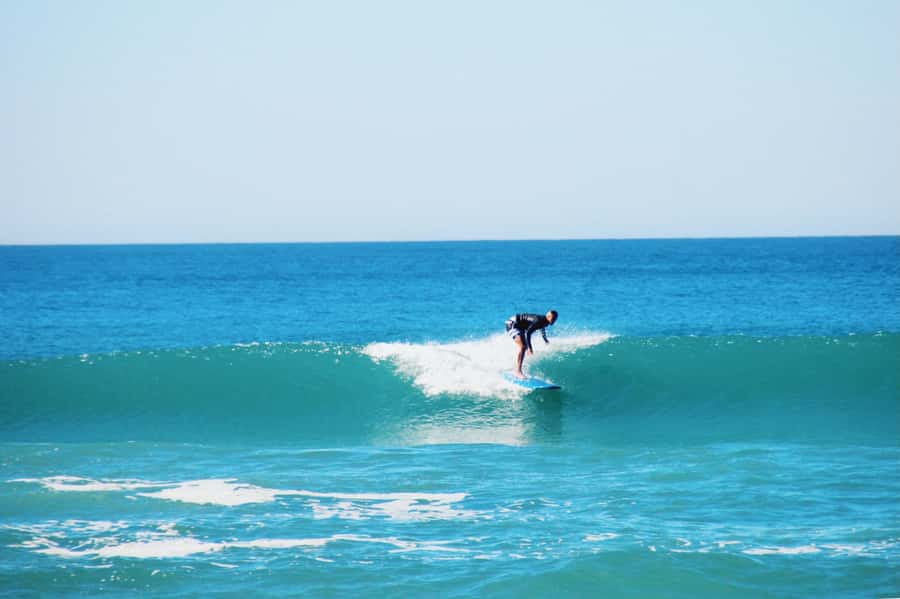
Surf lessons often fail the same way: you jump into the water too fast, your body panics, and you never build the muscle memory you need. This one starts with pop-up movement practice on sand first.
You can expect:
- Safety measures at sea (so you understand what to do and what not to do)
- Warm-up
- Pop-up technique practice on land
- Then you move into the water to catch waves
That order matters. Even if it’s your first time on a board, you’re more likely to get that first clean pop-up because you already rehearsed the sequence—hands placement, timing, and the basic rise to standing.
Several of the reviews specifically highlight how patient instructors were for first-timers, and how people moved from struggling to catching waves. Names that came up include Gabriel and Emiliano, with one mention of Emiliano being especially patient and friendly for a complete beginner.
In the water: coaching that matches your level
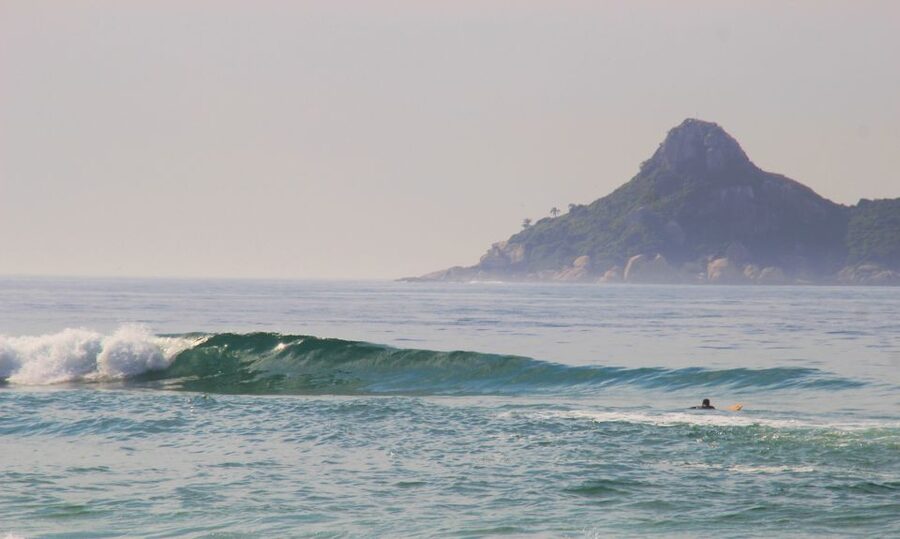
Once you’re in the ocean, the instruction shifts from drills to real wave reading and positioning. The guiding idea is: surf where conditions give you a fair shot, and coaching helps you use it.
What you’ll likely notice in practice:
- You’re not left alone to figure it out
- The instructor focuses on technique fixes you can actually apply right away
- The group stays small enough for attention
The experience is listed as limited to 6 participants, but one review noted a group of 7 with 2 instructors. Even with that variation, the point stays the same: it’s designed to avoid the “too many people, not enough coaching” problem.
If you’ve surfed before, you’ll also appreciate that the instruction isn’t locked to beginner moves. It’s not just survival; it’s technique work geared to the day’s conditions.
Gear included: board, wetsuit, rash guard, and what to bring
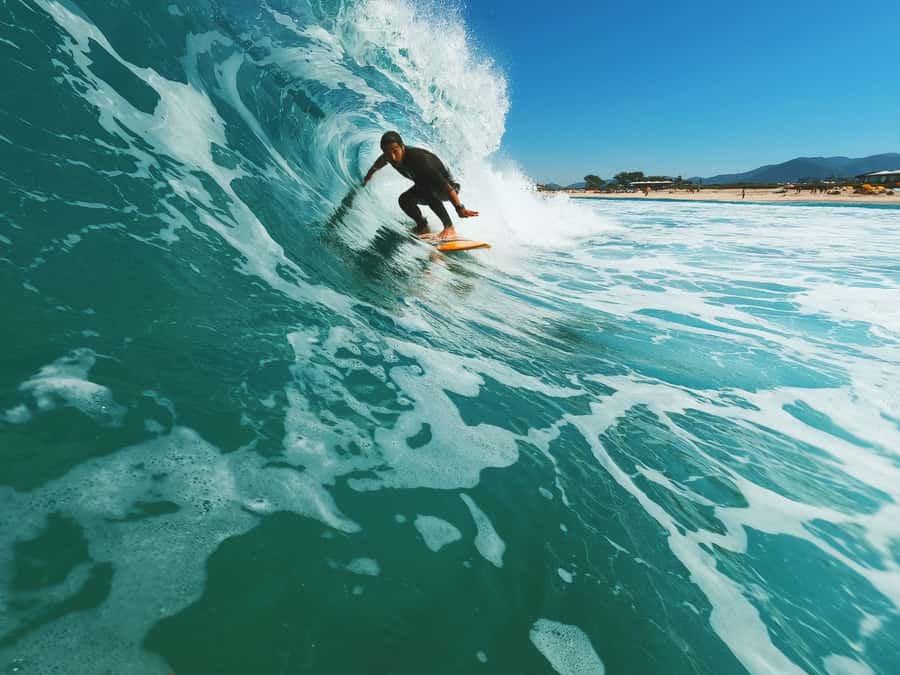
Good surf days depend on comfort. This experience includes:
- Surfboard
- Wetsuit or rash guard
- Transportation to the beach with the best conditions for your level
But you still need to bring the basics:
- Sunscreen
- Towel
- Water
- Change of clothes
A quick reality check: even in a “warm-weather” city, ocean temperatures can feel chilly, especially at certain times of year. One reviewer mentioned colder water and waves breaking close to shore. So pack wisely, and don’t assume warm skin equals warm water.
The post-surf stop: the part that makes it feel local
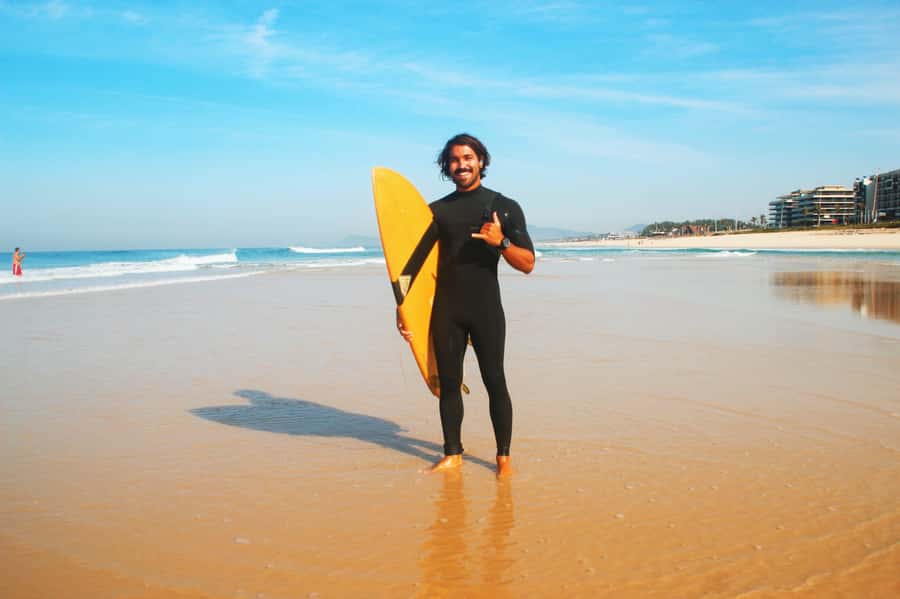
After you surf, you don’t just head back. You’ll be taken to a place of unique beauty in town to enjoy a view.
The experience frames it as one of Rio’s hidden gems—something very few tourists know. I’d treat that as a promise of a quieter, more local-feeling viewpoint rather than a famous landmark. It’s also a smart way to end, because your body’s warmed up from surfing and you can actually enjoy the moment instead of sprinting to your next reservation.
In practice, this stop is also a nice buffer. Even if the surf session is intense (and it is), you finish with a calm reward.
Photo expectations: how to get the memories you want
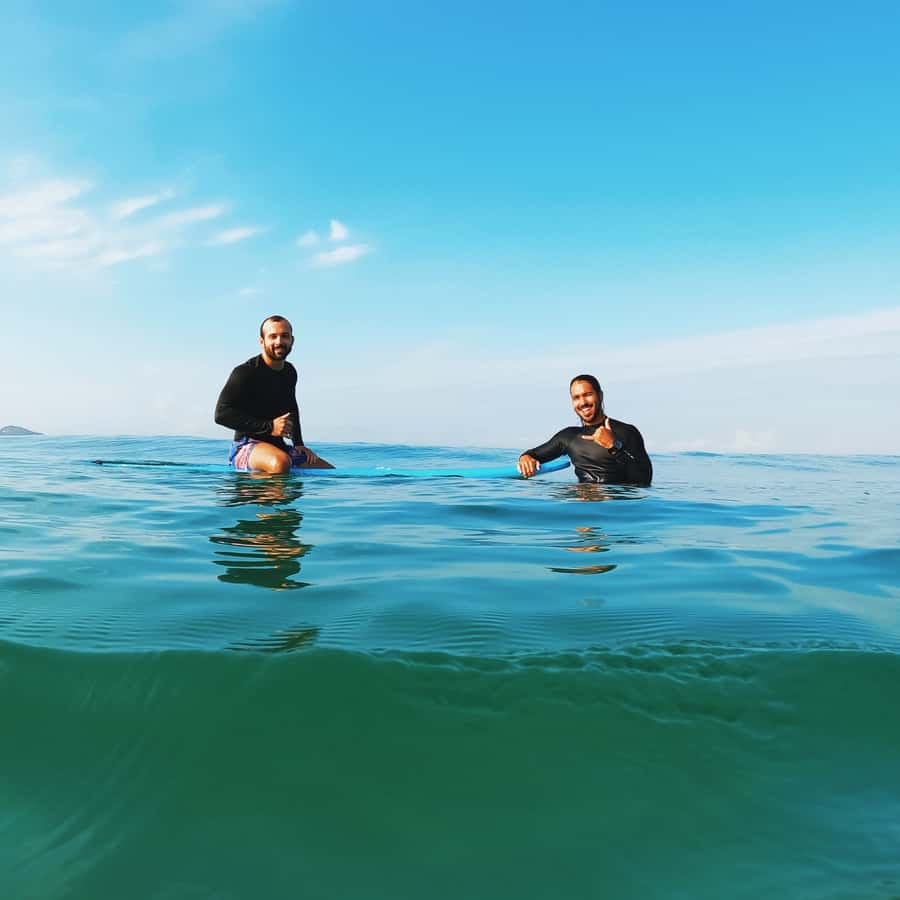
There’s an optional surf photos package available for an extra cost. Professional camera photos and videos aren’t included by default, and GoPro photos/videos also aren’t included.
This matters because people often assume they’ll get a bunch of shots. If photos are important to you, consider adding the package so you aren’t left with only shaky phone angles.
One review specifically mentioned photos as a cherry-on-top detail, and another referenced an Ivan connected with the photo part. That’s a good sign the photo experience can be part of what you buy into.
Who should book this surf session?
This is a great fit if you want:
- A structured lesson that starts with technique (not random wave attempts)
- A small group with real coaching attention
- A surf plan that adapts to the day’s conditions
- A morning activity plus a scenic finish
It’s not suitable for non-swimmers. Surfing can involve distance, currents, and unexpected moments, so this is a hard requirement for your safety.
If you’re visiting Rio and want something active that still feels local—coastal exploration, then a less-touristy viewpoint—this fits the bill.
Things to consider before you go
A few practical notes can save you frustration:
- If you’re a beginner, don’t assume every day has beginner-friendly waves. Message the provider ahead so your plan matches ocean reality.
- Bring a change of clothes no matter what. You’ll leave sandy, salty, and usually wet.
- Be ready for variable driving time. The 4 hours depends on where the waves are best.
- If you’re sensitive to cold water, keep expectations realistic. One rider flagged colder ocean temps and close-to-shore breaking waves on their day.
Tips to make your session smoother (and more fun)
I’d do these before you meet:
- Eat something light and arrive hydrated (there’s a café and an açaí store at the meet-up point)
- Pack sunscreen and water like you’re going to the beach all day—because you effectively are
- Use the warm-up and pop-up drill time. That’s where progress starts
- Listen carefully during the safety briefing. It’s the fastest way to feel confident in the lineup
And once you’re out there, focus on one thing at a time—your pop-up timing first, then your position, then wave choice.
Should you book Rio Surf Experience?
Book it if you want surf coaching in Rio that’s organized around conditions and your skill level, not just a ticket to a random beach. The combination of 1.5 hours of surfing, gear included, and a trilingual instructor with long experience makes it strong value for an active half-day.
I’d think twice only if you:
- Need guaranteed photo/video deliverables without an add-on
- Are counting on a very exact 4-hour window every time
- Are a non-swimmer (this one is explicitly not for you)
If you match those boundaries, this is one of the more practical ways to surf Rio with confidence and leave with a view stop that feels like the city in-between the headlines.
FAQ
Is the surf lesson beginner-friendly?
Yes. The session is designed so you surf at the beach with the best conditions of the day for your level, including complete beginners. It’s also recommended to message ahead because beginner-suitable conditions aren’t guaranteed every day.
How long is the surfing time?
The surf session is 1 hour and 30 minutes. The total duration is about 4 hours, depending on travel time to find the right waves.
What’s included in the price?
Included are the surfboard, wetsuit or rash guard, transportation to the best surf spot for your level, a limited-size group, 1 hour and 30 minutes of surfing, a trilingual instructor (Portuguese, Spanish, English), and a visit to a place of unique beauty after surfing.
Do I need to bring my own surfboard or wetsuit?
No. The surfboard and wetsuit/rash guard are provided. You should bring a towel, sunscreen, water, and a change of clothes.
Is there an age or swimming requirement?
The experience is not suitable for non-swimmers.
Where do we meet?
You meet at the BR gas station. There’s a café and an açaí store at the meeting place.
Are photos or videos included?
No. Professional photos/videos and GoPro photos/videos are not included. There is an optional surf photos package available for an extra cost.
What happens if the waves near the meeting point are good?
If conditions near the meeting place are good, then you won’t drive to search for waves. The trip may stay closer to the start point.
More Tour Reviews in Rio De Janeiro






More Surf and Paddle Sessions






Fresh off the review desk: newer Rio De Janeiro tours we have been out on




Surf & Stand-Up Paddle, compared.
 ★ 5.0Kayaking to the mangrovesFrom $3685 reviews
 ★ 5.0Rio Surf Experience!From $9085 reviews
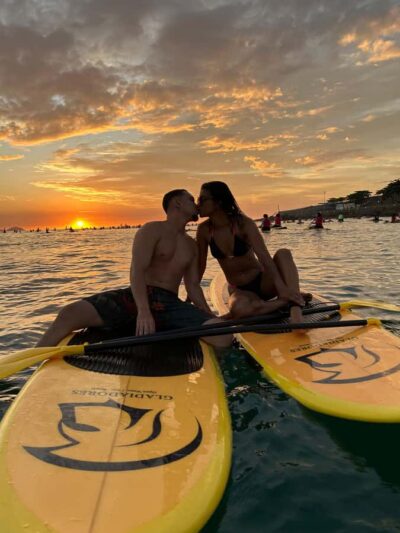 ★ 3.7Stand-Up Paddle – Copacabana Beach SunriseFrom $7039 reviews
 ★ 5.0Sunset KayakingFrom $3637 reviews
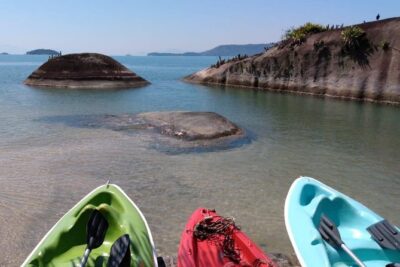 ★ 5.0Kayaking Mangroves tour ( Natural Reserve )From $3636 reviews
 ★ 4.7Surf lessons: in Arpoador in Ipanema.From $3335 reviews
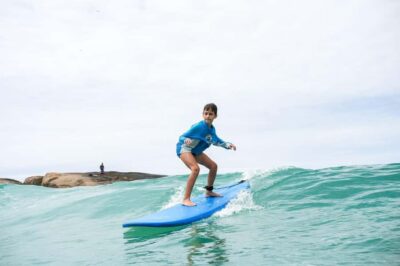 ★ 3.6Surf lessons with local instructors in Copacabana/ipanema!From $1031 reviews
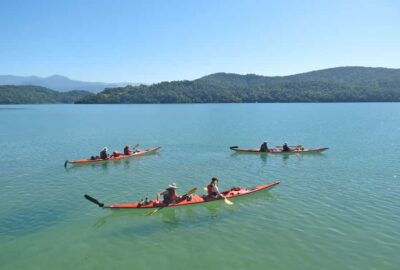 ★ 4.7Paraty Bay: Half-Day Mangroves and Beaches Tour by KayakFrom $9015 reviews
Browse the lists this tour appears in