
Reviewed · CANOES & KAYAKS
Kayaking to the mangroves
A mangrove kayak trip turns Paraty into a whole new world. I love the way this tour mixes wildlife watching with an easy, guided paddle, so you’re not stuck figuring things out on your own. You also get the comfort of an English-speaking guide who helps you understand what you’re seeing.
The biggest reason I think it’s great value is how much water-time you get: about 90 minutes of paddling inside a total ~2-hour outing, with gear and instruction included. One thing to plan for: it’s weather-dependent, and good conditions matter for the mangrove sections and the sunset timing.
In This Review
- Kayaking to the Mangroves: The Quick Pitch
- Key Things to Know Before You Go
- From Pontal Beach to Ilha dos Pombos: Getting Oriented Fast
- The Last Mangrove Inside Paraty: Nature Up Close, Not a Big Production
- Perequê Açu River and the Canal Return: Paraty Seen From Water Level
- Wildlife Stops That Feel Like Mini-Safaris (Without the Rush)
- Gear and Paddling Effort: What Medium Means in Real Life
- Timing and the Sunset Finish: Why Morning vs Afternoon Matters
- Price and Value: Paying $36.30 for More Than Just a Kayak
- What to Bring So You Don’t Cut Your Day Short
- When This Tour Fits Best (And When It Might Not)
- Should You Book Kayaking to the Mangroves in Paraty?
- FAQ
- How long is the kayaking trip?
- Where is the meeting point?
- What time does the tour start?
- Do I need any prior kayaking experience?
- Is the guide English-speaking?
- What wildlife might we see?
- What should I bring?
- What kayaking equipment is provided?
- What happens if the weather is bad?
- Is there a limit on group size?
Kayaking to the Mangroves: The Quick Pitch
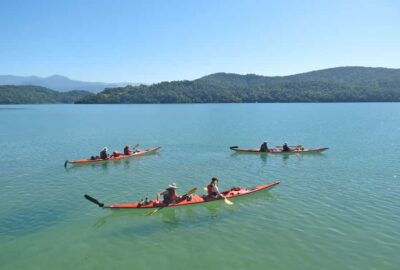
If you want a nature-focused Paraty activity that feels calm but still fun, this is a strong choice. You start from Pontal Beach near the historic center, paddle past Ilha dos Pombos (birds), then work your way through Paraty’s last mangrove within the city. After that, you head toward the Perequê Açu river and glide back through the canals for photo-worthy views.
More waves and flat-water paddles off the beaches
- Sunset Kayaking★ 5.0 · 37 reviews
- Kayaking Mangroves tour ( Natural Reserve )★ 5.0 · 36 reviews
- Paraty Bay: Half-Day Mangroves and Beaches Tour by Kayak★ 4.7 · 15 reviews
Key Things to Know Before You Go
- English-speaking guide helps you understand wildlife and local plant life as you paddle
- 90 minutes of paddling inside an outing of about 2 hours total
- Ilha dos Pombos and the last city mangrove put birds, crabs, and capybaras on your route
- Photo stops are built in, not an afterthought
- Single or double kayaks are available, with lifejackets provided
- Max group size of 15 keeps the trip feeling relaxed and not chaotic
From Pontal Beach to Ilha dos Pombos: Getting Oriented Fast
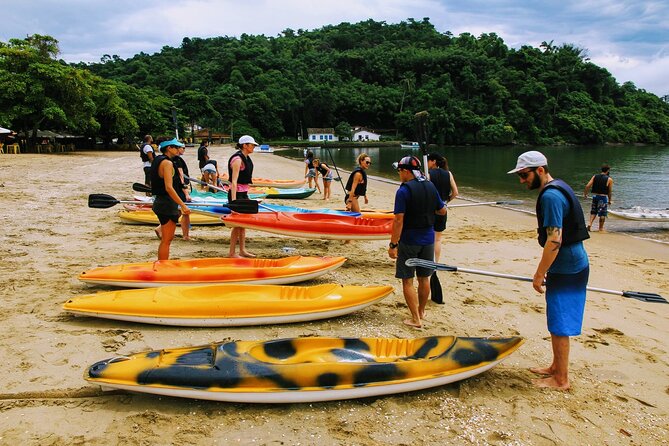
You meet in Pontal at Praca Macedo Soares, 26, right near the water. The first part of the trip is all about getting your bearings: a brief instruction period, then you’re off. This matters because mangroves reward calm paddling and good spacing, not raw power.
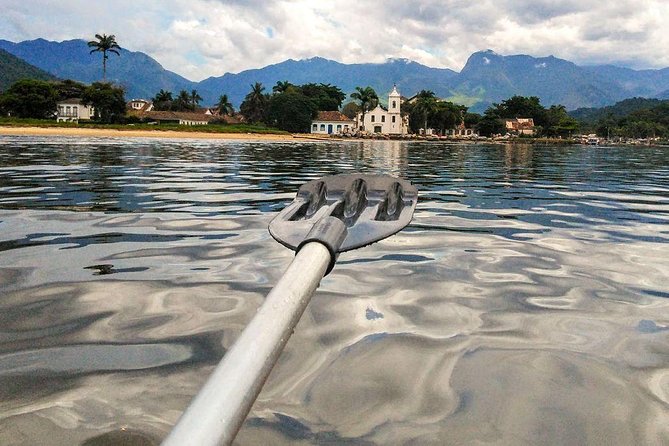
Once you leave Pontal Beach, you head toward Ilha dos Pombos, which is known for birds. You’ll be out in open water for a bit, and that’s a nice warm-up before the tighter, greener areas. Expect views over the area and lots of chances to stop and look closely at plants as you move along.
If you’re new to kayaking, the pacing is built for you. Reviews describe it as an easy ride with breaks, and the whole experience is designed for all ages and conditions. You still should show up ready to sit, paddle, and share space with the group.
The Last Mangrove Inside Paraty: Nature Up Close, Not a Big Production
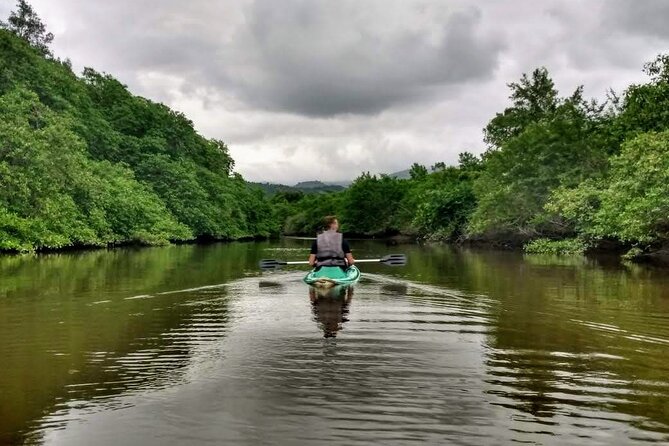
The signature moment is when you enter the last mangrove within Paraty city limits. This is where the trip shifts from “nice water activity” to “why didn’t I do this earlier.” The mangrove setting is visually complex: roots, small channels, and a different kind of quiet than you get on the open bay.
This is also where the wildlife odds feel real. The route is designed so you can spot surprises like toucan, imperial heron, and capybaras, plus smaller creatures such as crabs. One practical plus: your guide can point things out as they appear, so you’re not scanning for 90 minutes hoping you get lucky.
A quick reality check: animal sightings are never guaranteed. You may see capybaras and birds, or you may just get great mangrove scenery and learning moments. Either way, the real win is experiencing mangrove ecosystems from the water, at the slow speed they deserve.

Perequê Açu River and the Canal Return: Paraty Seen From Water Level
After the mangrove section, the paddle continues toward the Perequê Açu river. Along the way, you move through areas connected to the historic center, which means you get a second angle on Paraty: not just buildings and streets, but the city’s relationship to water.
You’ll paddle through canals and enjoy views of curiosities, characters, and historical places as you head back. This is where the tour becomes more than wildlife spotting. You’re connecting landmarks to what you can actually see from a kayak, and that gives you a clearer mental map of Paraty.
It also helps that the pace stays leisurely. Reviews mention time to chat and learn while paddling, plus regular stops where your guide points out what matters. If you enjoy taking photos, these built-in pauses are a gift.
In some departures, you might even get an extra moment on the water like a quick swim or a beach stop for a drink, depending on conditions and the day’s flow. If that’s on offer, it’s a fun break from paddling straight through.
Wildlife Stops That Feel Like Mini-Safaris (Without the Rush)
One of the strongest parts is how your guide turns sightings into stories. Names that come up include Brenda and Mateo, and both are described as patient, friendly, and experienced with local nature. That matters because mangroves can feel like “green blur” if you’re left to figure it out yourself.
Here’s what you can realistically expect to try to spot:
- Birds like toucans and imperial herons
- Capybaras that live in the area
- Crabs, including a bright blue crab sighting mentioned by people who went
Even when the exact animal isn’t guaranteed, you still benefit from the guide’s explanations about flora and fauna. Some guides also share info about fruits and local plant life, which is a fun extra layer beyond just animals.
For photos, the tour is designed with stops in mind. You’ll have ample photo moments rather than racing to the next location. If you bring a phone, waterproof storage helps you relax, since you’re not constantly worried about accidental splashes.
Gear and Paddling Effort: What Medium Means in Real Life
The tour is described as medium physical effort with about 90 minutes of paddling. That doesn’t mean it’s hard; it means you should be comfortable using your arms and core for sustained, light work. The positive is that you’re not paddling nonstop, and you’re not asked to race.
You’ll receive instruction at the start and lifejackets are provided. Equipment is reported to be in good condition, and there’s secure storage for belongings while you’re out on the water. That’s a practical comfort, especially in a place where you’ll want sunscreen, a phone, and maybe a camera.
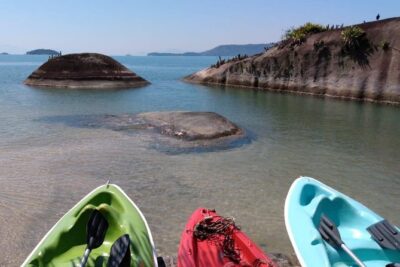
Kayaks are available as single or double, and reviews say you can choose what fits your comfort level. If you want more control, a single kayak can feel great. If you want easier coordination and less stress, a double can be the calmer option.
If you get tired, the group rhythm and the planned stops help. One solo kayaker noted they were okay even without much upper-body strength, which suggests the paddling load is manageable if you pace yourself.
Timing and the Sunset Finish: Why Morning vs Afternoon Matters
This trip is scheduled for meeting times listed around 08:45 and 14:45, and the activity start time is also shown as 4:00 pm on some slots. Because timing is part of the experience, I’d treat your confirmation details as the truth. The goal is a sunset finish, and that part can shift depending on daylight.
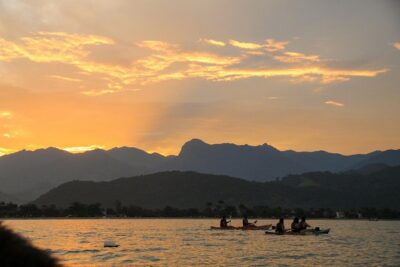
The sunset goal is one reason I like this tour layout. You’re not just doing daytime paddling and calling it done. You’re ending with a visual payoff, which makes the effort feel worth it.
Even on overcast days, people still reported a strong experience. That’s reassuring if you’re planning your trip around weather. If the sky clears, though, the ending tends to be the part you’ll remember the most.
Price and Value: Paying $36.30 for More Than Just a Kayak
At $36.30 per person for about 2 hours, you’re paying for more than equipment. You get a guided route, instruction, lifejackets, time on both sea/bay areas and freshwater canals, and multiple photo opportunities.
For me, the value comes from the “guided” part. Kayaking on your own can be fun, but you still have to understand where to go and what to look for in a mangrove environment. With a guide, you’re getting wildlife context and local plant and animal knowledge built into the trip.
You also get a smoother experience because language barriers are handled. The guide is English-speaking, and in some cases described as able to work in English, Spanish, and Portuguese too. That kind of flexibility can matter when you want real explanations, not just directions.
Finally, the small-group feel helps. With a maximum of 15 travelers, the tour doesn’t turn into a long line of kayaks. That improves wildlife spotting because you’re not constantly bumping into each other’s movement.
What to Bring So You Don’t Cut Your Day Short
The basics are sunscreen and repellent, plus sportswear and a bathing suit. Bring a cap and sunglasses because you’ll be in the sun while kayaking, even if the mangroves offer shade when you get close. You also want water, since 90 minutes on the water adds up.
For your phone and valuables, you’ll be happiest with a waterproof bag and a waterproof cell phone cover. Even with secure storage for belongings on the boat or at staging, a waterproof cover is still smart for quick photos. If rain moves in, a raincoat is recommended.
If you’re planning to take lots of photos, pack intentionally. Keep items organized so you can grab your camera or phone during the photo stops without digging through everything while wet hands are involved.
When This Tour Fits Best (And When It Might Not)
This is a great match if you want:
- A first kayaking experience with support and instruction
- Wildlife and mangroves without doing any planning-heavy work
- A relaxed, scenic paddle that includes historic center canals and photo stops
It’s also a good option for families, since the tour is designed for all ages and conditions. If you want a workout, you may find it too calm. But if you want “movement with meaning,” you’ll likely enjoy the balance.
If your heart is set on guaranteed capybara sightings, remember the tour can’t control wildlife. Your best strategy is to show up curious, paddle slowly, and let the guide’s local eyes do some of the searching.
Should You Book Kayaking to the Mangroves in Paraty?
Yes, if you want a guided Paraty kayak day that mixes mangroves, canals, and sunset in one go. The biggest selling point is that you’re not just paddling; you’re learning as you go, with wildlife like toucans, imperial herons, crabs, and capybaras as real possibilities.
I’d especially book it if you’re short on time and want an activity that covers a lot of ground around Paraty. And if you’ve been wondering how to see Paraty’s mangrove side without complicated logistics, this is the simple solution: gear, instruction, and an English-speaking guide.
If you strongly prefer “no weather risk,” keep your schedule flexible. Since it needs good weather, you’ll want to be ready to shift days if conditions aren’t right.
FAQ
How long is the kayaking trip?
The duration is about 2 hours (approx.). Paddling time is listed as 90 minutes.
Where is the meeting point?
You meet at Praca Macedo Soares, 26 – Pontal, Paraty – RJ, 23970-000, Brazil. The activity ends back at the same meeting point.
What time does the tour start?
Meeting times are listed as 08:45 am and 14:45 pm. The activity start time is also shown as 4:00 pm, so check your confirmation for the exact slot.
Do I need any prior kayaking experience?
Most people can participate, and the tour is described as short, fun, and suitable for all ages and conditions. The paddling is reported as easy and leisurely, with instruction at the start.
Is the guide English-speaking?
Yes. The tour description says there is an English-speaking guide to help with language barriers.
What wildlife might we see?
The route includes the bird area Ilha dos Pombos and Paraty’s last city mangrove, where you may see animals such as toucan, imperial heron, and capybaras, plus crabs.
What should I bring?
Bring sunscreen, repellent, sportswear, a bathing suit, a cap, sunglasses, and water. If you want personal items, bring a waterproof bag and a waterproof phone cover. In rainy weather, bring a raincoat.
What kayaking equipment is provided?
You’re provided with kayaks and lifejackets. There is also a choice between single or double kayaks.
What happens if the weather is bad?
This experience requires good weather. If it’s canceled due to poor weather, you’ll be offered a different date or a full refund.
Is there a limit on group size?
Yes. The tour has a maximum of 15 travelers.
More Canoes & Kayaks in Paraty

More Tour Reviews in Paraty




More Surf and Paddle Sessions
Fresh off the review desk: newer Paraty tours we have been out on



Canoes & Kayaks, compared.
 ★ 3.7Stand-Up Paddle – Copacabana Beach SunriseFrom $7039 reviews
 ★ 5.0Sunset KayakingFrom $3637 reviews
 ★ 5.0Kayaking Mangroves tour ( Natural Reserve )From $3636 reviews
 ★ 4.7Paraty Bay: Half-Day Mangroves and Beaches Tour by KayakFrom $9015 reviews
Browse the lists this tour appears in