
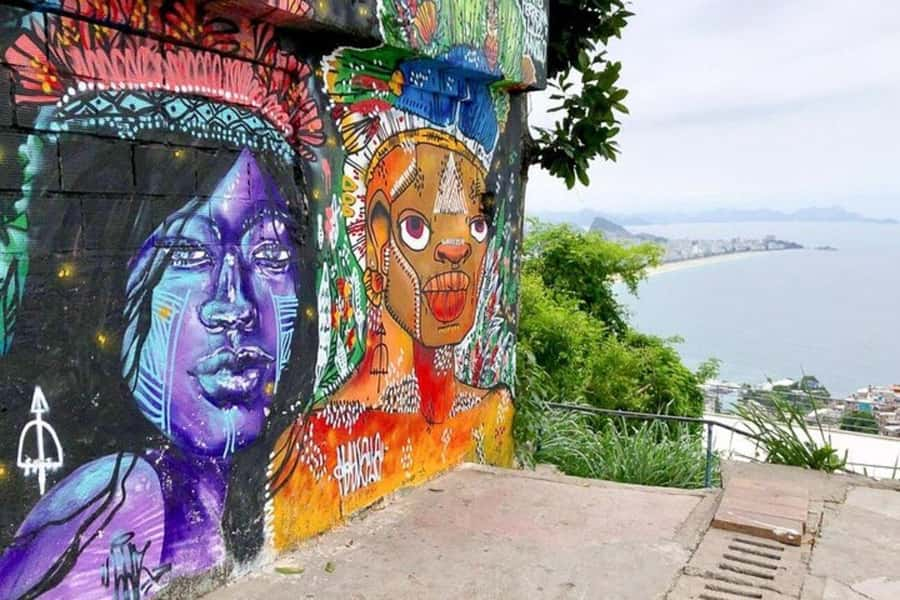
Reviewed · FAVELA COMMUNITY TOURS
Rio de Janeiro: Favela Jeep Tour to Rocinha and Capoeira
A jeep ride gets you close to real life. This tour is all about Rocinha and the daily culture inside it, with guided time for history, crafts, and community customs like capoeira. One thing to weigh: the experience can vary a bit in practice—especially vehicle type and whether the capoeira moment lines up with what you expected from the description.
What I like most is the focus on learning how people live, not treating the favela like a photo set. You also get real value in the logistics: roundtrip pickup makes it easier to do this without losing half your day to transit, and the group stays small.
That smaller group matters because you’re not just passing through. You’re walking through shops and common areas where purchases help local commerce, and in four hours you can still fit it into a Rio itinerary without feeling rushed.
In This Review
- Key things to know before you go
- Rocinha on foot: what this tour is really about
- The 4-hour rhythm: pickup, Rocinha streets, commerce stops, capoeira
- Jeep vs van: why the ride style affects your experience
- The capoeira circle: what to watch for and what to confirm
- Your guide and the quality of the explanation
- Supporting local commerce without turning it into a transaction
- Price and value: $65 for 4 hours, transport, and admission
- Weather, walking, and who should skip this one
- Who this tour fits best (and who might feel let down)
- Should you book the Rio de Janeiro Favela Jeep Tour to Rocinha and Capoeira?
- FAQ
- How long is the Rocinha and capoeira jeep tour?
- Is roundtrip transportation included from my Rio hotel?
- What size is the group?
- What languages is the tour guide available in?
- What’s included in the price?
- What if the weather is poor on the day?
- Is this tour suitable for everyone?
Key things to know before you go

- Rocinha is framed as a living community, with history and everyday customs
- Capoeira circle is part of the experience, but you should plan to confirm it on your departure
- Small group size (10 max) helps the guide keep things understandable in English or Spanish
- Local store stops support jobs and income in the area
- Jeep or van can change the feel of the ride, depending on demand
More community-led walks through Rocinha
- Rio De Janeiro: Half-Day Rocinha Favela Walking Tour★ 4.7 · 2,272 reviews
- Rio: Favela Rocinha Tour with Local Guide & Secret Spots★ 4.7 · 218 reviews
- Favela Tour The Original, Rocinha & Vila Canoas since 1992★ 4.5 · 113 reviews
- Rocinha Local Tour★ 5.0 · 41 reviews
Rocinha on foot: what this tour is really about
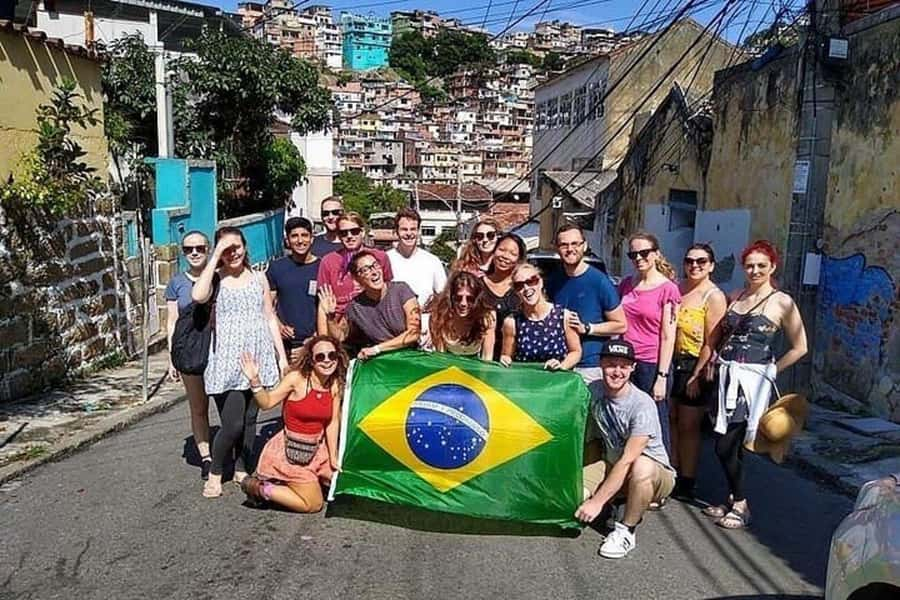
Most Rio sightseeing is built for views. This one is built for context.
Rocinha is the largest favela in Latin America, and this tour doesn’t treat it like an abstract headline. Instead, you’re guided through what life looks like there—how people organize daily routines, how culture shows up in public space, and how residents have built an economy around what’s available in the neighborhood. You’ll also hear about the hardships residents face, which is important, because it keeps the visit human instead of sensational.
The cultural anchor is capoeira. Capoeira isn’t just a show; it’s Brazilian history and community expression built into movement, music, and call-and-response energy. If you come in curious, the circle experience tends to land better because you’re seeing it as living tradition, not a performance for tourists.
The most practical part: you’re not improvising transport or trying to navigate on your own. You get roundtrip hotel transportation, and you’ll be back at your hotel at the end.
The 4-hour rhythm: pickup, Rocinha streets, commerce stops, capoeira
A lot of favela tours fail by rushing. This one is advertised as 4 hours, which is a manageable length for learning without turning the trip into a sprint.
It typically starts with you being picked up at your hotel. From there you head out toward Rocinha, described as the big, central stop. Expect the day to be paced by the guide: questions in the group, short explanations between streets, and time for you to look around without feeling shoved along.
Inside the community, the tour focuses on how residents live and on customs you can actually observe. That includes culture and craft work, and it also includes the kinds of community spaces where people connect during the day.
One of the most meaningful moments is the planned visit to local stores. The tour is explicit that these stops aren’t an accident. Purchases you make there go back into the neighborhood’s economy—money spent locally tends to support jobs and keep day-to-day commerce moving. If you want a souvenir that feels more honest than a generic postcard, this is where to look.
Then the cultural payoff: the capoeira circle. You’ll be guided through what you’re seeing, so you’re not just watching bodies in motion. You should go in ready to pay attention to the rhythm and the exchange between participants, even if you’ve never seen capoeira before.
Jeep vs van: why the ride style affects your experience
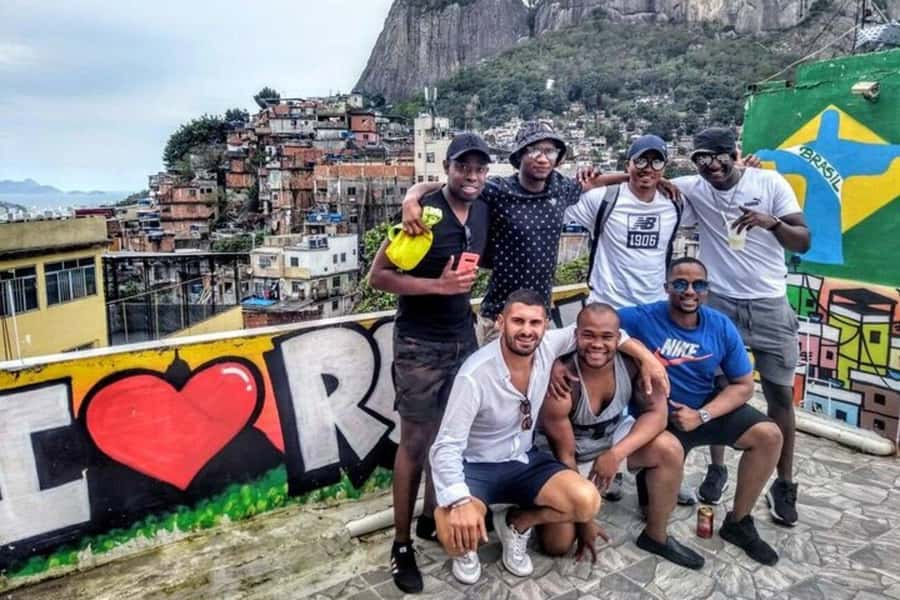
The tour can run by jeep or by van depending on the day’s demand. That might sound like a small detail, but it changes the vibe of the whole outing.
A jeep ride often feels like a more direct connection to the neighborhood streets and gives you a stronger sense of “you’re there.” A van can still work well, and it may feel easier for some travelers, but it can be a tighter, more crowded ride experience if the vehicle fills up more than expected.
Here’s the practical takeaway: don’t assume your ride will match the name in the title. The operator may switch between jeep and van, and that can shift comfort and how you experience the route.
Also, keep expectations flexible if the timing compresses slightly. Some tours in Rio run on neighborhood realities—traffic, access, and scheduling—so the trip may feel like it lands closer to the lower end of the advertised window. If you’re booking something right after, give yourself buffer time.
More tours led by the people who live there

The capoeira circle: what to watch for and what to confirm
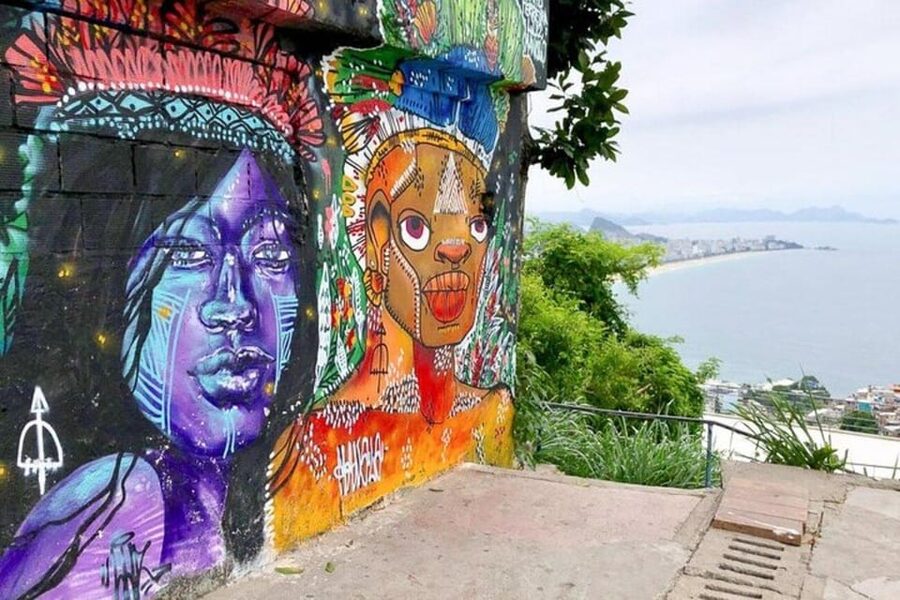
Capoeira is the cultural heart of this tour, but it’s also the part that can disappoint if expectations get out of sync.
The good news: when it’s included as described, the capoeira circle is one of the most memorable parts of the day because it turns a cultural story into something you can see and feel. The guide’s explanation can help you understand the structure of the circle and what participants are communicating through movement and music.
The caution: since the experience can vary based on conditions and day-to-day scheduling, you should confirm that capoeira is actually on your departure plan. If you want this to be the highlight, ask directly before you go whether your group will participate in the capoeira circle, not just pass by it.
If you’re planning to take photos, do it respectfully. Watch first, then shoot when the moment clearly allows it. In community spaces, your attention matters more than your camera.
Your guide and the quality of the explanation

A favela tour rises or falls on the guide.
When the guidance is strong, you get more than a running commentary. You get the “why” behind what you’re seeing—how Rocinha has developed, what daily life looks like, and how cultural traditions like capoeira connect to Brazilian identity.
The tour includes a live guide in English or Spanish, and this is a big deal for value. If the language support is limited, your ability to connect with the story drops fast. So if you’re traveling solo with limited Portuguese, prioritize a departure that clearly states English or Spanish instruction and arrives with clear communication.
One more thing to keep in mind: guides often answer best when you ask specific questions. Not in a confrontational way—just curiosity. Things like how residents organize their local economy, how craft culture is passed along, or what people consider most important in community life can turn the tour into a two-way conversation.
Supporting local commerce without turning it into a transaction
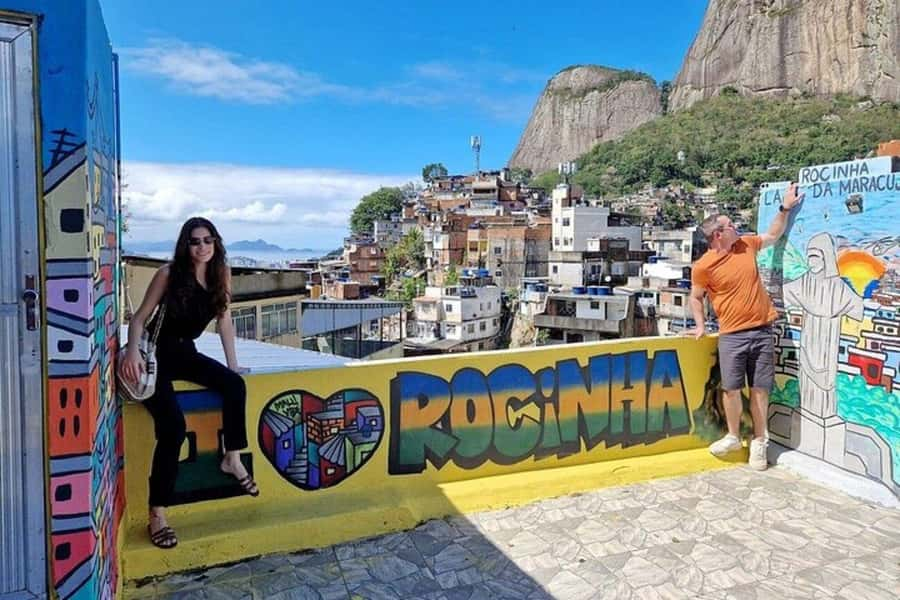
This tour explicitly includes visiting local stores and boosting commerce. That’s one of the strongest value arguments because your spending isn’t going straight to a souvenir factory.
But here’s how to make it meaningful: buy something small and practical if you find it. Think along the lines of crafts or local items that feel connected to the place you’re visiting. You don’t need to overdo it. The point is participation in local commerce, not charity guilt.
Also, use your manners. Treat store visits like you would anywhere else—ask, browse, and keep interaction respectful. If the guide explains that purchases support jobs, it helps you understand why these stops are part of the itinerary, not just a quick detour.
Price and value: $65 for 4 hours, transport, and admission
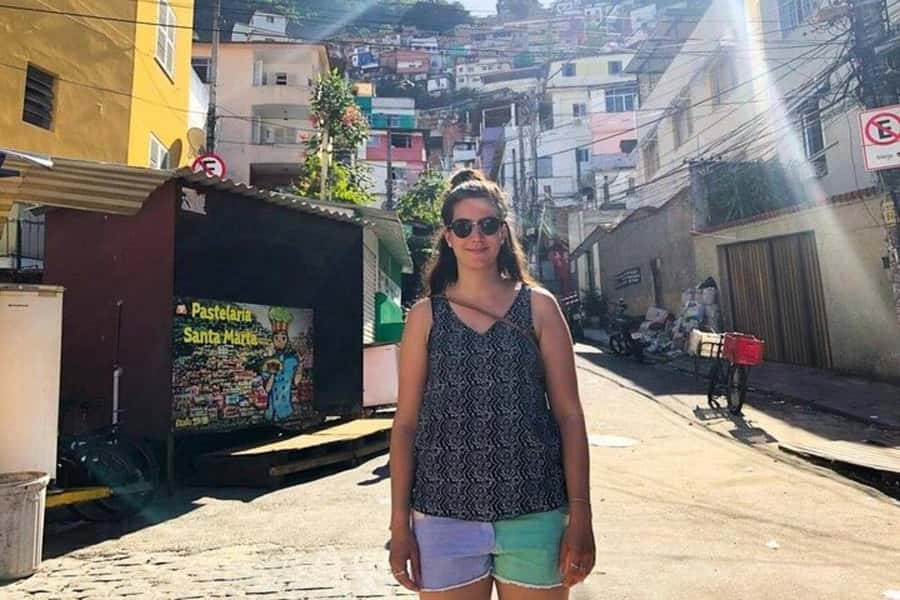
At $65 per person for about four hours, the value depends on what you personally want from the day.
You’re paying for three key things:
- roundtrip transportation from your hotel
- admission/entry related to the Rocinha visit
- a guided explanation in English or Spanish with a small group
That’s not just sightseeing. It’s time with context—especially if you’d otherwise feel uneasy visiting Rocinha without guidance.
Still, set your expectations carefully. If your departure ends up feeling shorter than advertised or if the most important parts of the description (like capoeira) don’t happen the way you expected, the same $65 can feel steep. Before you book, make sure your main priorities are explicitly included for your specific departure.
My practical advice: treat this as a culture-and-connection tour, not a guaranteed “show.” If you’re open to learning and respectful observation, it tends to justify the cost.
Weather, walking, and who should skip this one

This experience requires good weather. If it’s canceled due to poor conditions, you’ll be offered a different date or a full refund. So don’t lock it into a day when rainstorms are a real risk unless you have flexibility.
The tour also isn’t for everyone physically. It’s listed as not suitable for pregnant women and people with back problems. That makes sense when you consider that you’re in a community where access can involve uneven ground and stairs, plus you may be doing some walking during pickup, inside the neighborhood, and on the return.
One more real-world note: you should be ready for a return that can involve walking and downhill movement, even though the operator may also offer an alternative transport option depending on the situation. If mobility is a question for you, ask ahead and plan conservatively.
If you’re comfortable walking and you don’t mind uneven terrain, you’ll likely enjoy this more because you’ll stay present instead of struggling.
Who this tour fits best (and who might feel let down)
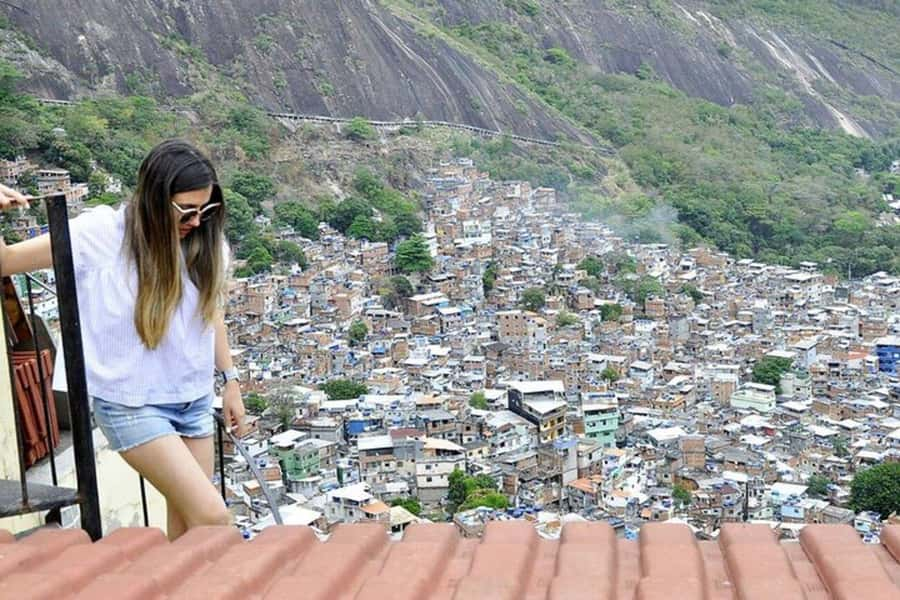
This works best for you if:
- you want a guided introduction to Rocinha’s community life and culture
- capoeira is on your must-see list and you’re interested in understanding it
- you prefer small-group tours and clear language support
- you like the idea of supporting local commerce in a direct way
You might not love it if:
- you want a very controlled, fully scripted experience every minute
- you need a guaranteed vehicle type and timetable without any possible adjustments
- you’re sensitive to language barriers and want detailed explanation in English without any gaps
- you have mobility limits that make uneven walking a problem
The sweet spot is curiosity plus flexibility. If you show up ready to learn and you’re prepared for day-to-day variation, this can be a standout Rio cultural day.
Should you book the Rio de Janeiro Favela Jeep Tour to Rocinha and Capoeira?
I’d book this if your goal is a guided, culture-focused look at Rocinha, capped with capoeira, and you value practical logistics like hotel pickup and a small group.
I’d pause and confirm details if capoeira and the vehicle type are your top two priorities. Ask the operator directly how your departure will run that day—especially whether you’ll actually do the capoeira circle as part of the program.
If you’re looking for a simple checklist tour, this isn’t that. If you want a human-scale experience with a guide explaining daily life, crafts, and tradition, this is a strong option.
FAQ
How long is the Rocinha and capoeira jeep tour?
The tour duration is listed as 4 hours.
Is roundtrip transportation included from my Rio hotel?
Yes. The tour includes roundtrip transportation from your hotel in Rio de Janeiro.
What size is the group?
The group is a small group limited to 10 participants.
What languages is the tour guide available in?
The live tour guide is listed as available in English and Spanish.
What’s included in the price?
The included items are roundtrip transportation and entry/admission for Favela da Rocinha.
What if the weather is poor on the day?
The experience requires good weather. If it’s canceled due to poor weather, you’ll be offered a different date or a full refund.
Is this tour suitable for everyone?
No. It is not suitable for pregnant women or people with back problems.
More Jeep Runs Into the Hills





More Community-Led Tours





More Community Walks in Rocinha



Fresh off the review desk: newer Rio De Janeiro tours we have been out on




Favela Community Tours, compared.
 ★ 4.8Rocinha Favela Walking Tour with Local GuideFrom $363,052 reviews
 ★ 4.7Rio De Janeiro: Half-Day Rocinha Favela Walking TourFrom $352,272 reviews
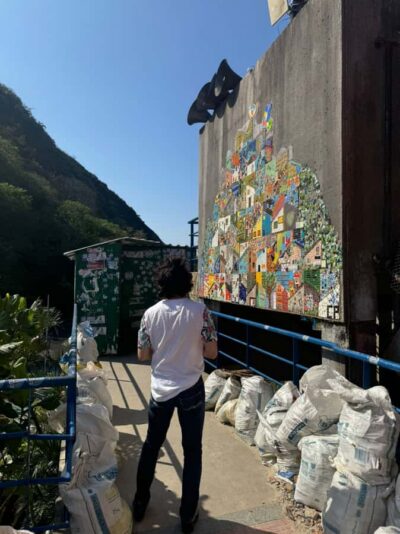 ★ 4.9Favela Santa Marta Top Tour with Local GuideFrom $28488 reviews
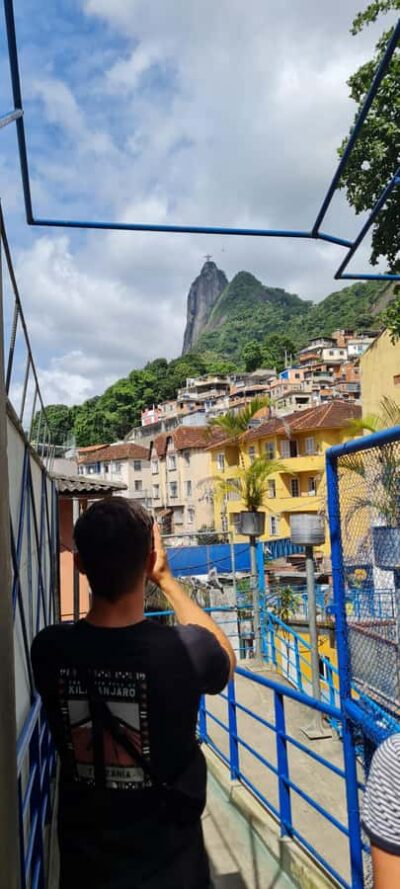 ★ 4.6Favela Santa Marta Tour with Resident GuideFrom $27220 reviews
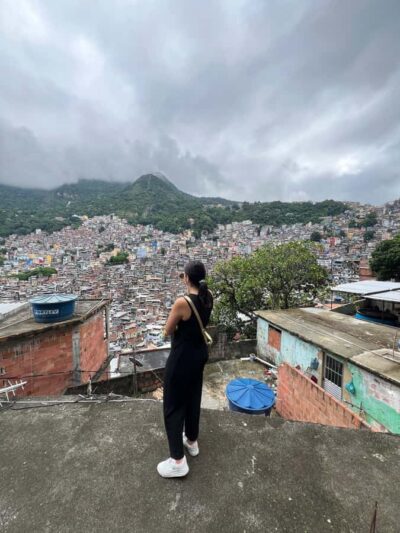 ★ 4.7Favela Rocinha Tour with Local Guide & Secret SpotsFrom $43218 reviews
 ★ 4.5Vidigal Favela Tour and Two Brothers HikeFrom $88121 reviews
 ★ 4.5Favela Tour The Original, Rocinha & Vila Canoas since 1992From $33113 reviews
 ★ 5.02h30 circuit in the Vidigal FavelaFrom $5088 reviews
Browse the lists this tour appears in