

Reviewed · FAVELA COMMUNITY TOURS
Favela Tour The Original, Rocinha & Vila Canoas since 1992
Rio changes when you walk uphill. This is the kind of Rio tour that trades quick photos for a real look at daily life, with friendly local guides who explain what you’re seeing. You’ll also get panoramic views over the city that feel like the reward for making the climb. One thing to plan for: this is a mostly walking experience through tight lanes, so comfortable shoes and patience matter.
What makes Favela Tour stand out is the tone. It’s designed to be socially inclusive and not voyeuristic, and your ticket supports on-the-ground projects inside the neighborhoods—most notably a community school backed by Favela Tour. At the same time, remember that you’re visiting a working community, not a theme park—so act respectful, listen closely, and be ready for the day to move at local pace.
In This Review
- Key Things You’ll Notice on This Tour
- Two Favelas in Three Hours: Why This Tour Works
- Getting From Your Hotel to the First Stop (Without Turning It Into a Hunt)
- The 2.25-Hour Guided Walk: What the Time Actually Feels Like
- Rocinha: From First Impressions to Real Understanding
- A practical note on expectations
- Vila Canoas: A Different Angle on the Hillside Story
- The School Project and the Handcraft Center: Where Your Money Lands
- “Safer Than You Think” Without Safety Theater
- Guide Style and Language: The Real Benefit Is the Explanation
- Views Over Rio: The Reward for Understanding the Climb
- Price and Value: Why $33 Can Be a Smart Use of Time
- Who This Tour Is Best For (and Who Should Skip)
- What to Bring and How to Behave So You Feel Welcome
- Should You Book Favela Tour? My Decision Guide
- FAQ
- How long is the Favela Tour experience?
- Which favelas are visited?
- Is pickup included?
- Where do you get dropped off?
- Is the tour mainly walking?
- What languages are available?
- How much does the tour cost?
- Is there anything I should budget for during the tour?
- Is the tour considered safe?
- What’s the cancellation policy?
- Can I reserve without paying right away?
Key Things You’ll Notice on This Tour
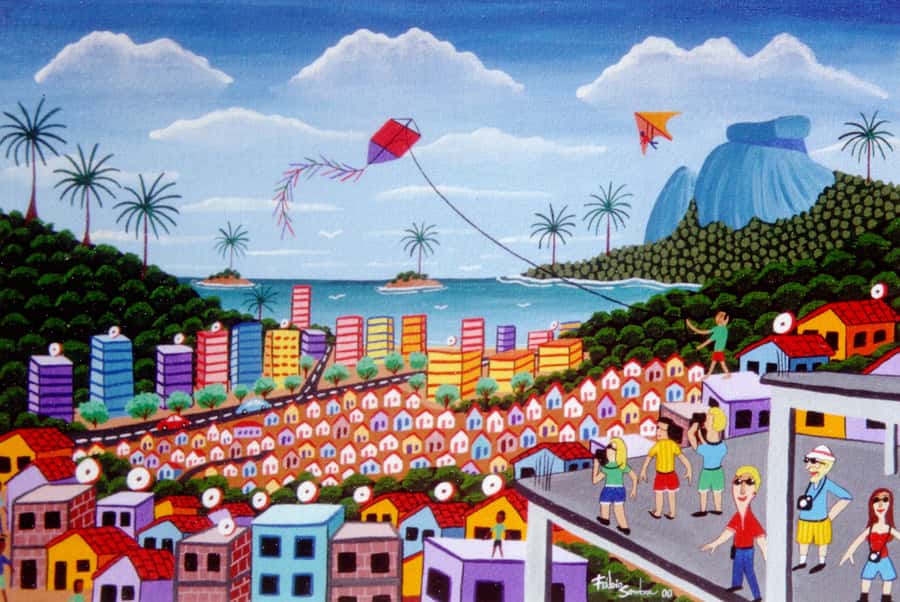
- Two communities, not one: You visit Rocinha (the largest favela in Brazil) and Vila Canoas in the same 3-hour outing.
- You start moving from the first vehicle ride: the tour doesn’t really begin when you step onto the street; it starts when you embark in the transport.
- More than housing: you’ll see residential areas plus commercial activity, not just buildings on a hill.
- Hands-on community stops: a handcraft center and a school project funded by Favela Tour are part of the route.
- Views that change your perspective: scenic lookouts give you context for how these neighborhoods sit above Rio.
- Guides lead the conversation, not hype: tours run in English, French, Spanish, Italian, and Portuguese with a live guide.
More community-led walks through Rocinha
- Rio De Janeiro: Half-Day Rocinha Favela Walking Tour★ 4.7 · 2,272 reviews
- Rio: Favela Rocinha Tour with Local Guide & Secret Spots★ 4.7 · 218 reviews
- Favela Tour The Original, Rocinha & Vila Canoas since 1992★ 4.5 · 113 reviews
- Rocinha Local Tour★ 5.0 · 41 reviews
Two Favelas in Three Hours: Why This Tour Works
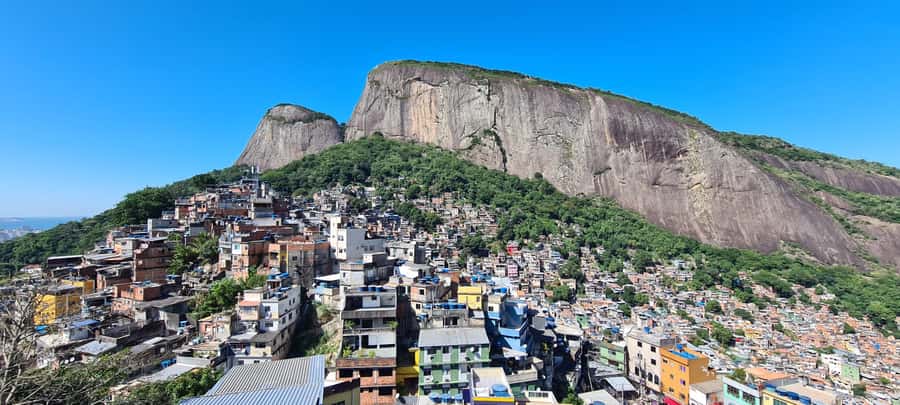
I like tours that fix a wrong mental picture fast. Favela Tour does that by taking you to Rocinha and Vila Canoas, instead of only showing one neighborhood from a distance. From far away, you might think you know what you’re looking at. Up close, the details tell a different story—complex architecture, active storefronts, and people going about their day.
Rocinha is the biggest favela in Brazil, so it’s a natural place to start if your goal is to understand scale and density. Vila Canoas helps balance that story. Together, they give you the sense that favelas aren’t one “thing.” They’re a set of communities shaped by geography, economics, and local solutions.
The best part for me is the tour’s attitude: you’re not treated like a spectator with a camera. It’s framed as learning how Brazilian society works—contrasts, paradoxes, and all.
Getting From Your Hotel to the First Stop (Without Turning It Into a Hunt)
You’re not left to figure out meeting points at random. The tour includes transportation from and back to most hotels in Rio’s south zone. Your pickup is usually in the Leme, Copacabana, Ipanema, and Leblon areas, and the commonly listed options include Leblon, Copacabana Beach, Ipanema, and São Conrado.
This matters because good favela tours depend on coordination. If you’re walking in the wrong direction or late, the whole rhythm can suffer—both for your group and for the local stops.
Tip: plan your day so you arrive at pickup location time with a little buffer. And yes, you’ll likely be in areas where signage isn’t designed for tourists. The included transport is what keeps the day smooth.
The 2.25-Hour Guided Walk: What the Time Actually Feels Like

This is a 3-hour experience overall, and most of that time is on foot. The route is structured as guided walking with frequent explanation—so you don’t just stare at buildings. You get context in between the turns.
You’ll also make a “local bar” stop during the experience. That’s not just a pause for a drink—it’s part of keeping the group moving, comfortable, and engaged while your guide lays out the bigger picture.
I like that the tour is built for pacing. When you’re learning something sensitive and complex, rushing is how you misunderstand it. Here, the walking time is used for conversation, not sightseeing checkmarks.
More tours led by the people who live there
Rocinha: From First Impressions to Real Understanding
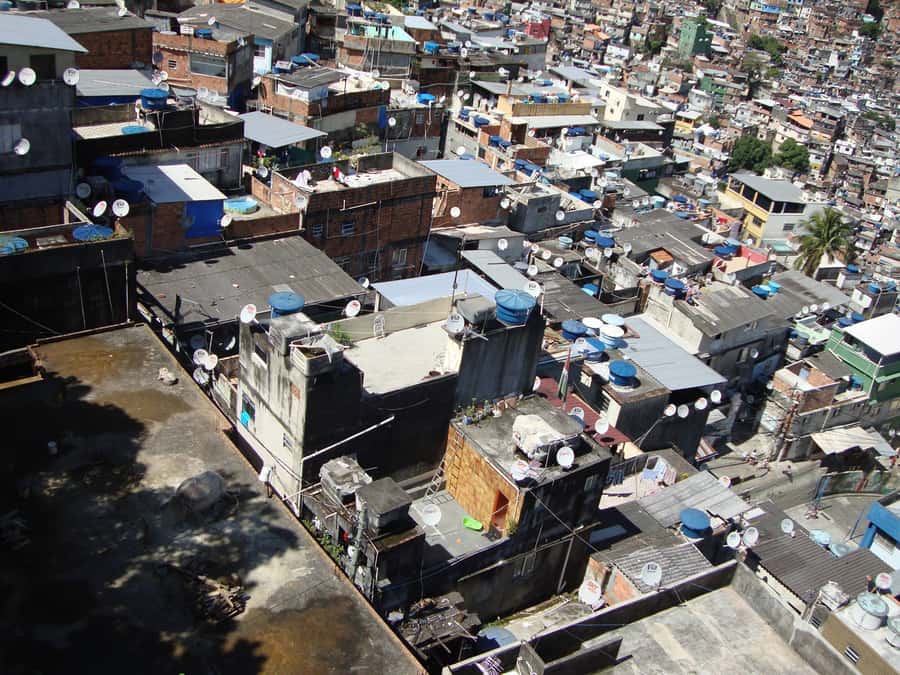
Rocinha often gets reduced to stereotypes. This tour gives you a chance to replace that with something you can actually see and understand.
In the Rocinha portion, you’ll walk through residential and commercial areas. That’s key. Housing blocks matter, but so do the streets where people work, sell, study, and socialize. Watching daily commerce—what’s offered, where people gather, how the neighborhood functions—changes your mental model fast.
You’ll also get scenic views on the way and during the walk. These viewpoints help you understand why so many communities ended up where they did: the hillsides, the elevations, the way Rio’s geography funnels development.
What surprised me (in a good way) is how the tour frames Rocinha not as chaos, but as an organized lived-in place with its own systems. The guide explains the layers—past and present—and connects them to what you’re seeing in real time.
A practical note on expectations
Because this is a walking tour inside a real community, you should expect:
- tight lanes and simple street crossings
- time spent listening, not sprinting for photos
- a steady focus on the guide’s explanation
If you want a fast, photo-only sprint, this may feel too slow. If you want the “how and why,” it fits very well.
Vila Canoas: A Different Angle on the Hillside Story
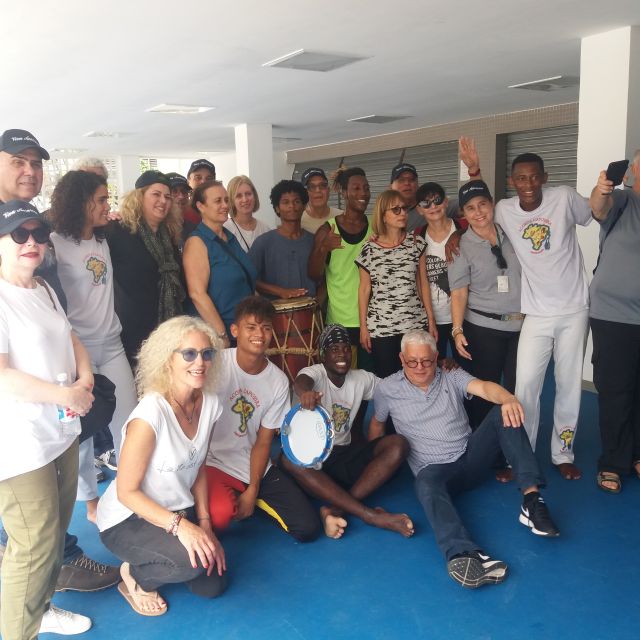
After Rocinha, you go to Vila Canoas. The goal isn’t to compare neighborhoods like sports teams. It’s to help you see the variation—how community structure can look different even when the geography is similar.
From a distance, Vila Canoas can look picturesque and easy to misread. Up close, the tour puts your attention on architecture, local activity, and day-to-day life. You’re learning to judge by details, not by guesswork.
You’ll walk through more areas that combine residential space and local services, so you keep building your understanding rather than swapping one impression for another.
The School Project and the Handcraft Center: Where Your Money Lands
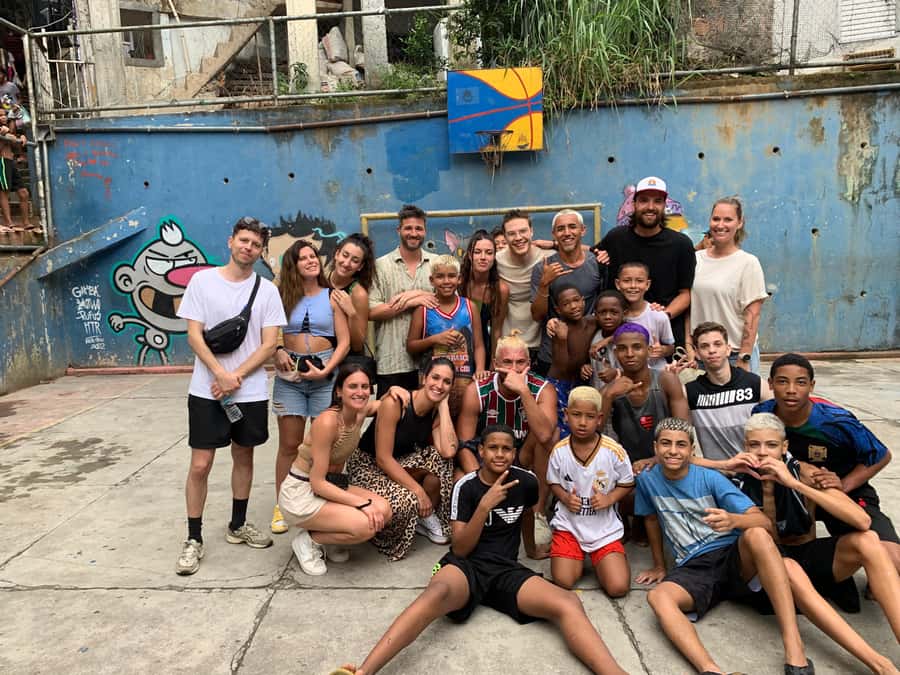
One reason I’d take this tour seriously is that your visit isn’t just about watching. Favela Tour is set up to contribute to educational projects inside the community—especially the community school financed by Favela Tour.
That matters because it shifts the exchange. Instead of a one-way “tourist experience,” the tour is built around support for local priorities. You’re not just consuming the story; you’re helping fund part of the future story.
You’ll also visit a handcraft center. This is a chance to buy directly from local makers rather than guessing at souvenirs later in more touristy areas. It also gives you a calmer setting to ask questions and learn how products connect to local skills.
Practical tip: bring some extra cash for drinks, snacks, and local handcraft purchases. The tour clearly expects walking and encourages you to spend a little locally if you want.
“Safer Than You Think” Without Safety Theater
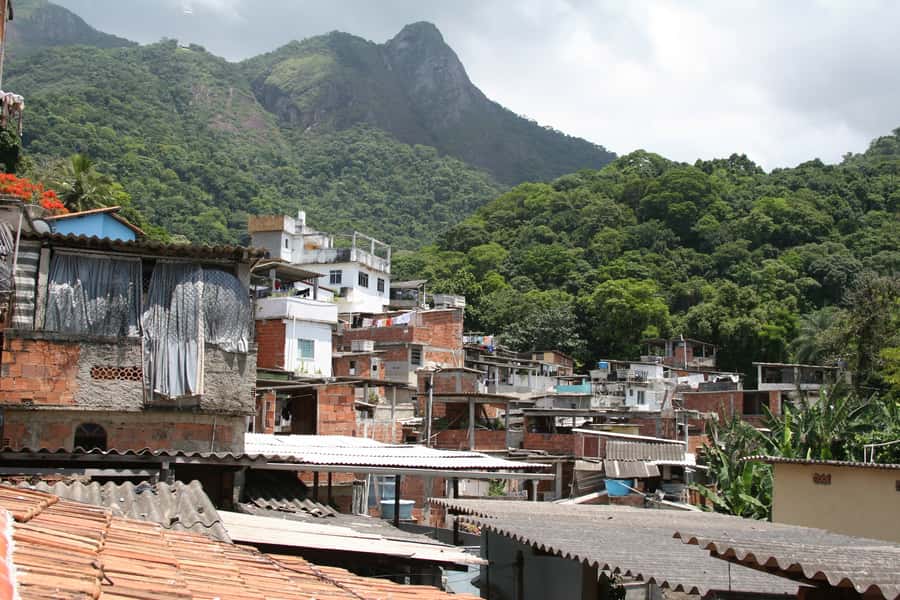
The tour openly says favelas are safer than most people believe, but it also insists on one condition: go with an organized tour. That combination is what I respect. It avoids fear-mongering while still treating safety as real and practical.
In other words: this isn’t you wandering in alone with good intentions. It’s guided, timed, and structured. Your guide’s role isn’t just translation—it’s managing the day in a way that keeps things respectful and orderly.
Also, the experience is described as socially inclusive and not voyeuristic. That tone matters for safety in a different way: how you behave affects how people feel about your presence.
Guide Style and Language: The Real Benefit Is the Explanation
This tour runs with a live guide and multiple languages: Italian, English, Spanish, French, and Portuguese. That’s useful because the difference between a good tour and a confusing tour is usually the quality of explanation.
In the feedback I’m using to guide my expectations, names like Mateo and Francesco show up as standout guides. What they’re credited for is offering a lot of perspective—history, everyday life, and practical understanding that helps you connect what you see to the bigger picture of Brazilian society.
One thing to know: if you’re booking in a less common language, you should expect that availability can depend on demand. If your language is important, confirm it early.
Views Over Rio: The Reward for Understanding the Climb
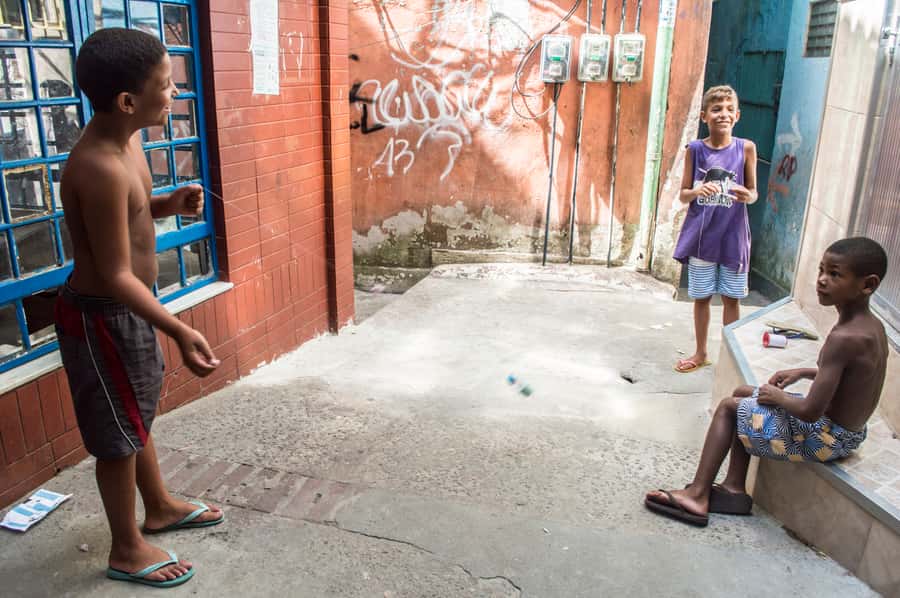
Rio’s famous views are easy to come by in the tourist zones. Here, the views feel different because you earned them by learning the neighborhood first.
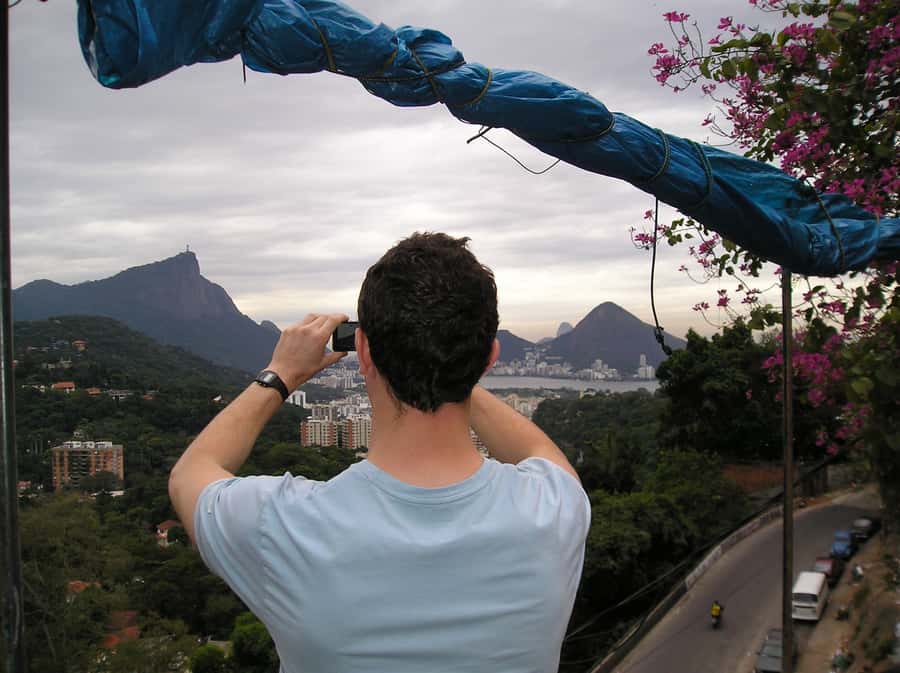
You’ll enjoy panoramic views over Rio, especially along the way when the city opens up above the hills. Those moments do more than look pretty. They help you understand geography—how elevation shapes access, how distance affects opportunities, and why communities developed the way they did.
It’s a reminder that perspective isn’t only about photography. It’s also about position—where you stand changes what you can understand.
Price and Value: Why $33 Can Be a Smart Use of Time
At $33 per person for a 3-hour guided tour, this isn’t a “cheap eats and photos” outing. It’s priced like an organized experience that includes:
- transport from and back to many hotels in Rio’s south zone
- a safe, guided walking format
- interpretation in several languages
- stops connected to community projects (like the school) and local craft
Is it good value? For me, yes—because you’re paying for context and access. The transport alone can cost more if you try to replicate it by taxi and local coordination. And the school-related contribution means your time has a tangible effect beyond memories.
Where the value gets personal is your goal. If you want to understand Brazilian society at ground level, this tour does that. If you only want a skyline and beach time, then you might feel the walking is “too much” for the payoff.
Who This Tour Is Best For (and Who Should Skip)
This works best if you:
- want to understand Brazil beyond postcards
- prefer guided learning over self-directed wandering
- like meeting guides who explain history and daily life in plain terms
- are curious about how communities function, including challenges and solutions
It may not be ideal if you:
- struggle with walking and don’t have flexible energy for 2+ hours on foot
- want a passive, low-engagement activity with minimal discussion
- are uncomfortable visiting a working neighborhood and interacting respectfully with locals
What to Bring and How to Behave So You Feel Welcome
Come ready to walk. That’s the clearest instruction you’re given. Beyond shoes, I recommend you also bring:
- water (especially if you’re doing it during hotter parts of the day)
- a small amount of cash for drinks/snacks and handcrafts
- a calm, curious attitude
And this is important: don’t act like you’re expecting people to entertain you. The tour works when you’re there to listen, ask smart questions, and accept that local life doesn’t pause for visitors.
Most of all, be straightforward and respectful. The experience is built around you being welcomed, not treated like an intruder.
Should You Book Favela Tour? My Decision Guide
If you’re choosing between another Rio view and a tour that changes how you understand the city, I’d lean Favela Tour—especially if you want more than surface-level sightseeing. The combination of Rocinha + Vila Canoas, guided walking, and community-connected stops (school and handcraft center) gives you both a stronger story and real-world impact.
Book it if:
- you’re in Rio’s south zone and want included hotel pickup
- you’re okay with walking and conversation-heavy guiding
- you want a safer, structured way to experience a neighborhood many people misunderstand
Hold off or ask more questions first if:
- your preferred language is a must-have and you’re booking last minute
- you’re not comfortable with tight walking environments
- you need a strictly photo-only outing
If you want to understand Brazil in Rio—not just see Rio—this is one of the more practical ways to do it.
FAQ
How long is the Favela Tour experience?
The tour lasts about 3 hours.
Which favelas are visited?
You visit Rocinha (the largest in Brazil) and Vila Canoas.
Is pickup included?
Yes. Pickup is included from most hotels in Rio’s south zone, and it’s available around Leme, Copacabana, Ipanema, and Leblon. There are also pickup options listed as Leblon, Copacabana Beach, Ipanema, and São Conrado.
Where do you get dropped off?
Drop-offs are offered in the same south-zone areas: São Conrado, Ipanema, Leblon, and Copacabana Beach.
Is the tour mainly walking?
Yes, it’s mostly a walking tour, and it doesn’t start only when you arrive—it starts when you embark in the vehicles.
What languages are available?
Live guides are available in Italian, English, Spanish, French, and Portuguese.
How much does the tour cost?
The price is $33 per person.
Is there anything I should budget for during the tour?
It’s suggested you bring extras for drinks, snacks, and for buying local handcrafts.
Is the tour considered safe?
The tour is presented as a safe 3-hour experience, and it emphasizes going with an organized tour.
What’s the cancellation policy?
You can cancel up to 24 hours in advance for a full refund.
Can I reserve without paying right away?
Yes, there’s a reserve now & pay later option, so you can book your spot and pay nothing today.
More Tour Reviews in Rio De Janeiro






More Community-Led Tours



More Community Walks in Rocinha



Fresh off the review desk: newer Rio De Janeiro tours we have been out on





Favela Community Tours, compared.
 ★ 4.8Rocinha Favela Walking Tour with Local GuideFrom $363,052 reviews
 ★ 4.7Rio De Janeiro: Half-Day Rocinha Favela Walking TourFrom $352,272 reviews
 ★ 4.9Favela Santa Marta Top Tour with Local GuideFrom $28488 reviews
 ★ 4.6Favela Santa Marta Tour with Resident GuideFrom $27220 reviews
 ★ 4.7Favela Rocinha Tour with Local Guide & Secret SpotsFrom $43218 reviews
 ★ 4.5Vidigal Favela Tour and Two Brothers HikeFrom $88121 reviews
 ★ 5.02h30 circuit in the Vidigal FavelaFrom $5088 reviews
 ★ 5.0Half Day Hiking Tour Morro Dois Irmaos and Favela VidigalFrom $5365 reviews
Browse the lists this tour appears in