
Reviewed · WALKING TOURS
Pedra do Telégrafo: Nature Excursion and Scenic Walk
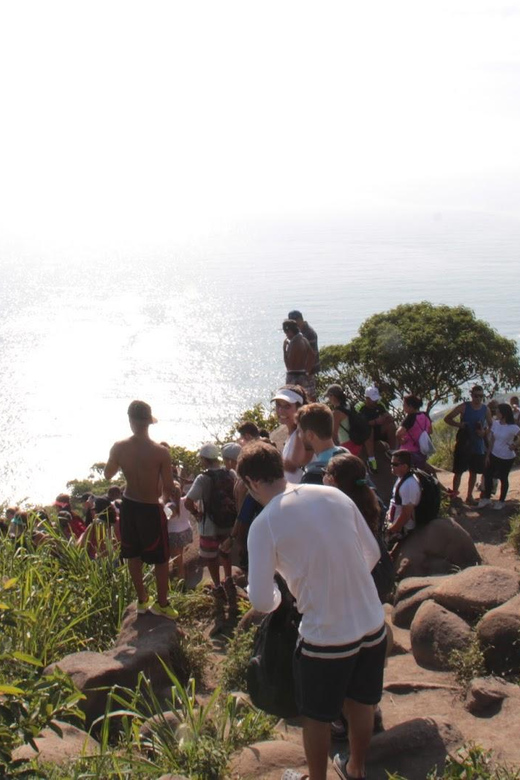
That first climb starts the day in full color. The hike to Pedra do Telégrafo is worth it for the sweeping viewpoints, and the payoff is even better once you slow down on Grumari. I love how the experience mixes effort with calm, plus the best angles for photos are actively coached. One drawback: the route can feel harder than you expect, so sturdy shoes matter.
What really makes this tour click is the way the mountain is treated like a place to look and think, not just a checkmark. You’ll get a guided stop at Telegraph Rock with time to pause, and you’ll see big stretches of Rio’s coast at once. I also like the guide-led photography approach, with people encouraged to get to the right spots for great shots, even if you’re not a seasoned hiker.
Plan for an early start. Boarding begins at 6:00 am, and the tour is shared, with pickup only from Copacabana, Ipanema, and Leblon (no Barra da Tijuca or Recreio). If you’re expecting a relaxed, late-morning outing, this is not that.
In This Review
- Key highlights worth the effort
- Early 6:00 am start: getting to the trail the right way
- Morro do Telégrafo hike: what the trail feels like
- Telegraph Rock guided stop: better than a quick photo stop
- Wild Beaches Circuit: the coast you’ll actually recognize
- Photography help on the hike: how to get results, not just attempts
- Grumari after the hike: where you slow down
- Price and value: is $55 reasonable here?
- Who this tour suits (and who should skip it)
- Quick practical checklist before you go
- Should you book Pedra do Telégrafo and Grumari?
- FAQ
- What is the duration of the Pedra do Telégrafo tour?
- Where are the pickup and drop-off locations?
- Is the tour private?
- What languages does the guide speak?
- What’s included in the price?
- What is not included?
- What should I bring?
- Is the tour suitable for wheelchair users?
Key highlights worth the effort
- Photo-minded guide: guidance on angles and where to stand for the best images
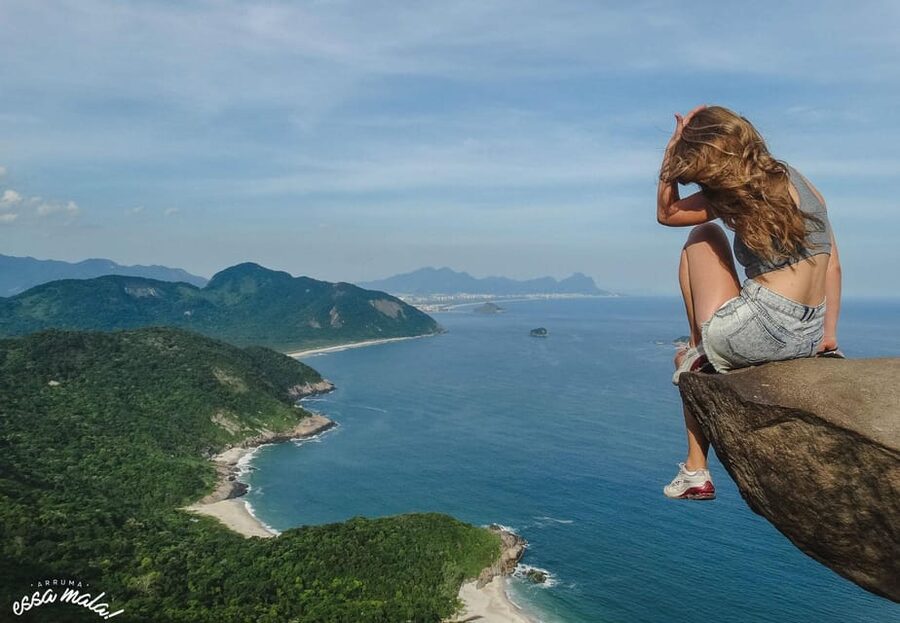
- Big viewpoints from Morro do Telégrafo: multiple spots for photos across Rio’s coast
- Quiet pause at Telegraph Rock: contemplation time built into the experience
- Wild Beaches Circuit views: Praia do Perigoso, Praia do Meio, and Grumari from above
- Secluded beach time after hiking: relax at Grumari once your legs catch up
That famous ledge, and other Pedra do Telegrafo walks
- Guided Walk to Telegraph Stone★ 4.5 · 49 reviews
- Pedra do Telégrafo Hiking Tour ( Telegraph Rock – Avoid Crowds) – Rio de Janeiro★ 4.5 · 41 reviews
- Pedra Do Telegrafo and Grumari Beach with Photos★ 5.0 · 31 reviews
- Rio de Janeiro: Pedra do Telégrafo Trail Hike and Ocean View★ 5.0 · 30 reviews
Early 6:00 am start: getting to the trail the right way
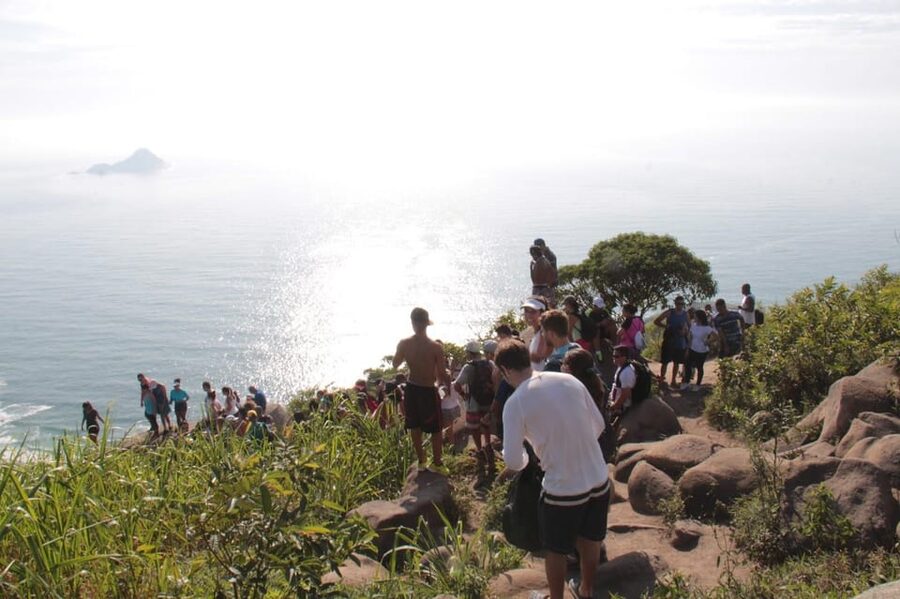
This tour is built around an early morning. Boarding starts at 6:00 am, and your exact start time can vary, so check availability before locking in plans. Why it matters: an early departure helps you spend more daylight at the viewpoints and gives you a calmer pace before the heat ramps up.
Pickups are limited to three classic neighborhoods: Copacabana, Ipanema, and Leblon. That’s simple and central if you’re staying nearby, but it also means you shouldn’t assume the van will reach everywhere. Barra da Tijuca and Recreio pick-ups are not included, so you’ll need to get yourself to one of the included pickup points.
Transportation is handled in a car licensed by the tourism department, so you’re not dealing with random logistics. And since the group is shared, you’ll be moving at a steady rhythm rather than waiting for a private car that can go at your pace.
If you do one thing to set yourself up for success: plan to be on time for pickup. This kind of hike lives and dies by schedule—miss the start and you miss the viewpoint window.
Morro do Telégrafo hike: what the trail feels like
Morro do Telégrafo is not a tiny scramble. It’s a large area with several interesting points for photography, which is great because it gives you options. It also means the hike is more active than the phrase scenic walk can suggest.
From the way the experience is described, I’d treat this as a hike first, with walking stamina needed. One of the standout bits from people’s feedback is that it can be harder than expected, but the same feedback also points to a happy ending: the views and photo opportunities at the top.
Bring a mindset like this: you’re climbing to earn your reward, and you’ll likely stop a few times. The guide’s job isn’t just leading the route—it’s keeping the group moving in a way that still allows you to enjoy the scenery.
What I like about the way this is framed is that you’re not rushed from one viewpoint to the next. Instead, you get a chance to pause for introspection on the mountain. That matters because the views over the coast can make you forget to breathe—this gives you permission to slow down.
Practical advice before you go:
- Wear shoes with grip. Dusty trails and uneven ground happen on hikes.
- Pack water and something small to snack on since food and drinks are not included.
- Bring a hat and sunscreen. You’re on exposed coastal viewpoints part of the day.
Telegraph Rock guided stop: better than a quick photo stop
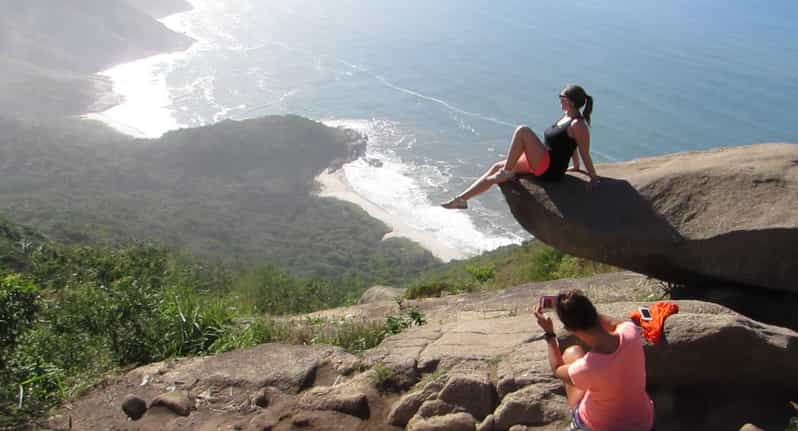
The heart of the tour is the guided time at Telegraph Rock. This isn’t described as a fly-by moment; it’s guided, with a stop that’s meant for both looking and thinking.
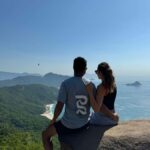
You’ll see why this spot gets attention. The viewpoints are set up so the coast spreads out like a map: you can spot multiple beaches and landmarks in one glance. And because Morro do Telégrafo offers several photography points, the guide helps you move to the right sections instead of just standing wherever you happen to arrive.
A cool detail: the mountain is treated as a place for contemplation and introspection. I love that idea in practice. The best observation points aren’t only visual—they give you a minute to take in the scale of Rio’s coastline and the way the coastline changes from one cove to the next.
If you want the photos to look like the views felt, take the guide’s lead seriously. The tour is designed with photo angles in mind, and the guide is trained to help you get them.
Still browsing Rio De Janeiro? These are the ones we go back to
Wild Beaches Circuit: the coast you’ll actually recognize
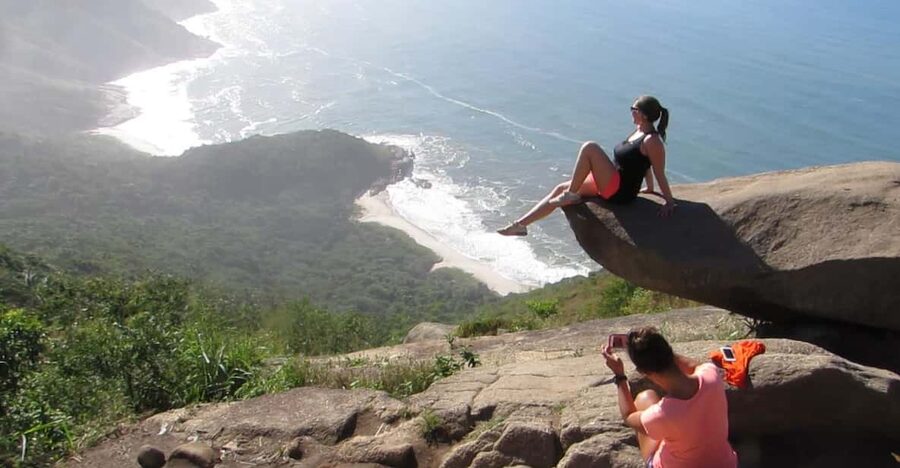
One of the smartest parts of this experience is that it doesn’t show you just one pretty beach. It gives you a big “connect-the-dots” view across Rio’s coast.
During the tour, you’ll be able to enjoy wide sightlines over:
- Praia do Perigoso
- Praia do Meio
- Grumari
These are part of what’s called the Wild Beaches Circuit, and from the viewpoints on the hike, you can understand why that name makes sense: these beaches feel remote, untamed, and visually rugged compared with Rio’s famous urban coastline.
But the view doesn’t stop there. You can also see:
- Pontal do Recreio
- Barra da Tijuca
- Pedra da Gávea
- the Restinga do Marambaia, described as one of the largest beaches on the coast
That spread of landmarks is what turns this into more than a photo moment. When you can recognize multiple points from above, you start to “read” Rio’s geography. The coastline feels connected instead of random.
One more reason this is valuable: it makes your later beach time make sense. After you’ve viewed Grumari from above, the beach becomes the destination, not just the place you reach after walking.
Photography help on the hike: how to get results, not just attempts
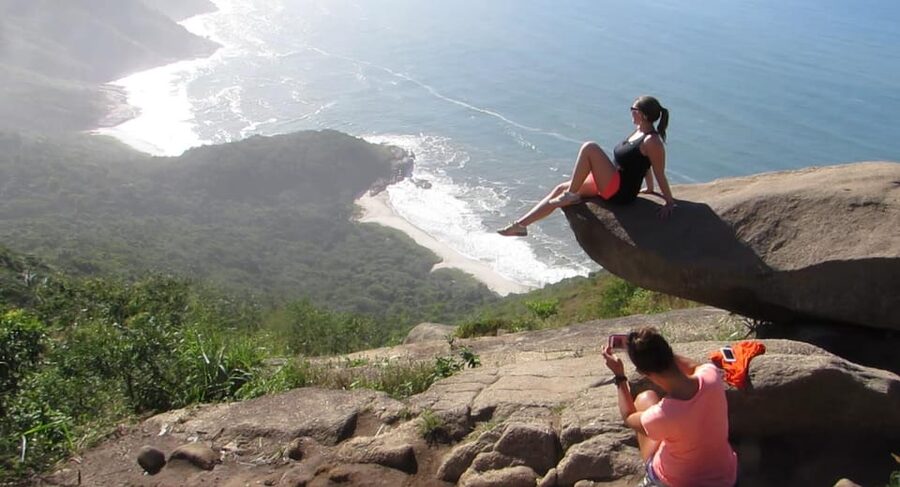
If photography matters to you—even a little—this tour is set up for that. The guide to Pedra do Telégrafo is trained in photography and knows the best angles for the best photos.
And yes, that coaching can matter a lot. When you’re standing on a viewpoint with many sightlines, it’s easy to point your camera in the wrong direction. A guide who knows where the light and angles work saves you time and frustration.
I especially appreciate that Morro do Telégrafo is described as having several interesting points. That means your photos won’t all look like the same shot from the same spot. You can step to different areas and get variety: wider context shots, more focused angles toward specific beaches, and scenic composition that shows the coast’s depth.
Also, in people’s experiences, guides like Mário and Leonardo come up for motivation and encouragement. That’s practical. On a harder-than-expected hike, morale matters. A guide who pushes the group gently helps you reach the best viewpoints without turning the climb into a stressful slog.
Grumari after the hike: where you slow down
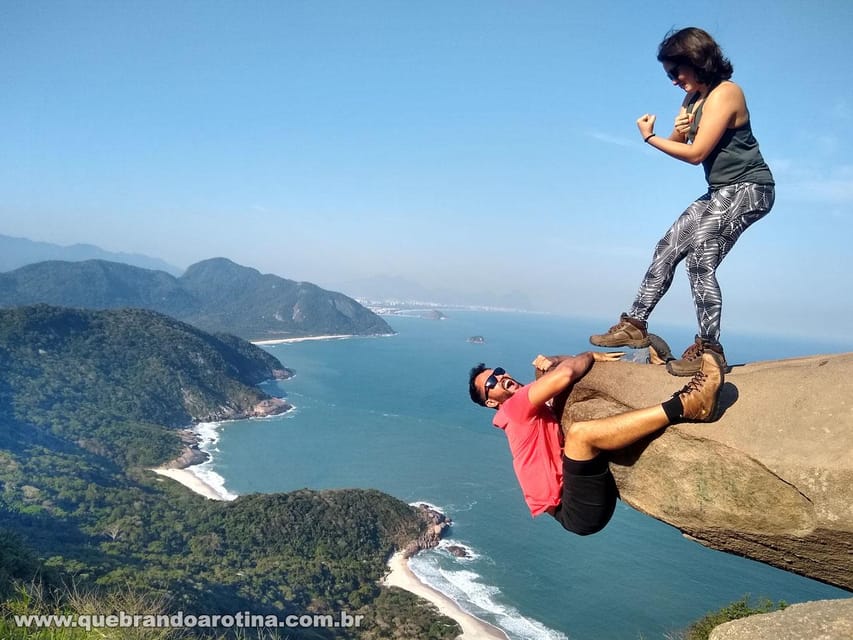
After Telegraph Rock, you get time to rest at the secluded beaches of Grumari. This is a big part of why I’d recommend this tour: it balances exertion with recovery.
It’s not just sitting around, either. Once you’ve spent time looking from above, Grumari’s beach setting feels earned. The coast you studied from the mountain becomes real under your feet—sand, ocean, and a calmer pace than what you’ll get in central Rio.
Secluded beach time is also a nice change from typical sightseeing. You’re not bouncing through crowds or chasing back-to-back attractions. You’re taking a breather on one of the Wild Beaches Circuit spots, in a setting that feels more nature-driven than city-driven.
A word of caution: since food and drinks aren’t included, don’t assume you can easily buy what you need during the beach portion. Bring what you’ll want for comfort—water at minimum.
Price and value: is $55 reasonable here?
The price is listed as $55 per person for about 5 hours of total time. That’s not just a viewpoint ticket; you’re getting guided mountain time plus transportation from and back to central neighborhoods.
Here’s how I think about value with tours like this:
- You’re paying for a guide who can translate the scenery into something you can recognize and photograph well.
- You’re also paying for a logistics piece (licensed transport, pickup/drop-off coordination).
- And you’re buying access to a natural viewpoint that would be harder to do as a solo day without local guidance.
What’s not included helps you plan your budget. Food and drinks aren’t part of the $55, so the true cost depends on what you bring or purchase during the tour. For me, that’s fine—as long as you plan ahead and don’t arrive hungry.
If you like nature walks but also want the experience to feel structured, this price-to-effort ratio can make sense. You’re not just taking photos; you’re getting coached positioning, a guided stop, and a beach payoff.
Who this tour suits (and who should skip it)
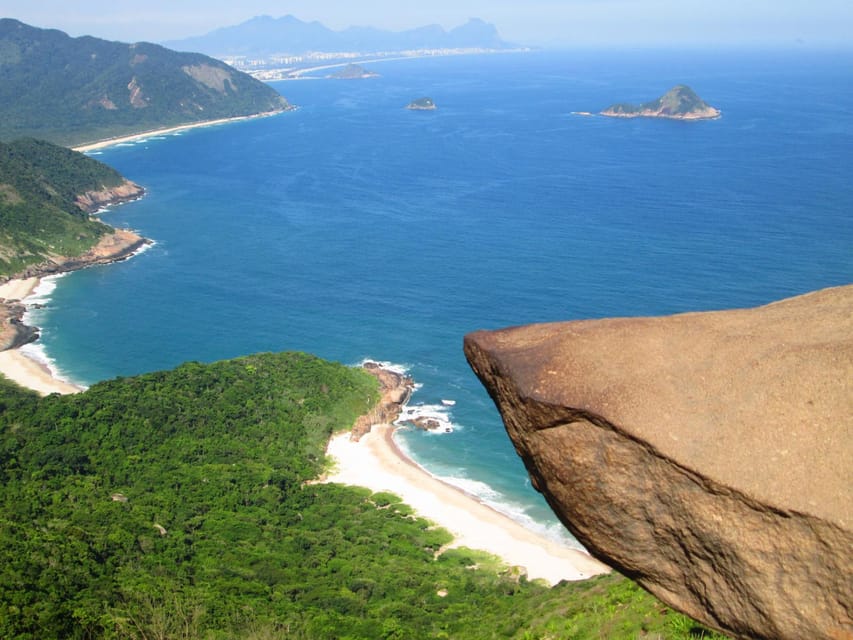
This is a good fit if you want a nature-focused morning in Rio that includes:
- guided hiking time to a standout viewpoint
- help with photography angles
- a finish at Grumari to decompress
It’s also a good match if you’re the type who likes understanding where you are, not just snapping a shot. The multiple coastal landmarks you’ll see from above add a sense of geography and perspective.
On the other hand, it’s not suitable for wheelchair users, so don’t count on adapting this route for mobility needs.
Also, because it’s not private (it’s shared), you’ll be in a group rhythm. That’s usually fine, and it can even add energy, but if you want total control over pacing and stops, consider that before booking.
Quick practical checklist before you go
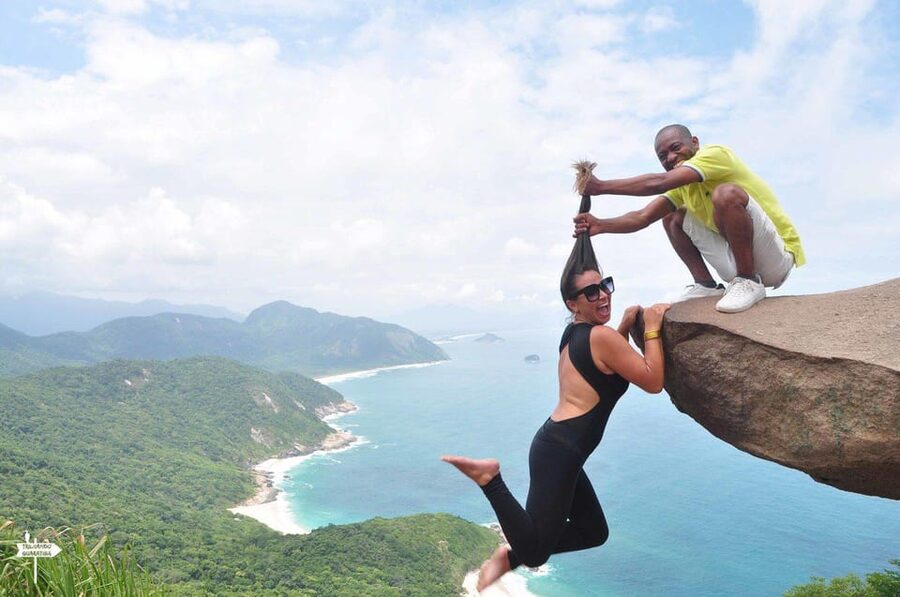
- Bring a passport or ID card
- Wear grippy shoes (the hike can be tougher than expected)
- Bring water and a snack since food and drinks are not included
- Expect an early schedule with 6:00 am boarding
- Plan your commute to Copacabana, Ipanema, or Leblon pickup points
Should you book Pedra do Telégrafo and Grumari?
I’d book this if you want one of the more memorable nature experiences Rio can offer: climb to a dramatic viewpoint, get real photo guidance, then end with a calmer beach moment at Grumari. The combination is the value—views with context, plus nature time that feels less touristy than typical city excursions.
I wouldn’t book it if your priority is an easy, late, relaxed walk. The hike can feel harder than the headline suggests, and you’ll need stamina to enjoy the top viewpoints instead of just surviving them.
If you’re flexible and ready for an early start, this tour is the kind of morning you’ll talk about later: the coast stretching out below, the guided pauses for looking closely, and the relief of Grumari once the climb is done.
FAQ
What is the duration of the Pedra do Telégrafo tour?
The tour lasts about 5 hours. Starting times can vary, so you’ll need to check availability.
Where are the pickup and drop-off locations?
Pickup and drop-off are available in Copacabana, Ipanema, and Leblon. Pickups in Barra da Tijuca and Recreio are not included.
Is the tour private?
No. It is a shared group tour, and the guide provides commentary in Portuguese, English, and Spanish.
What languages does the guide speak?
The live guide speaks Portuguese, English, and Spanish.
What’s included in the price?
Included items are a professional bilingual tour guide and transportation in a car licensed by the tourism department.
What is not included?
Food and drinks are not included.
What should I bring?
Bring your passport or ID card.
Is the tour suitable for wheelchair users?
No. It is not suitable for wheelchair users.
More Walking Tours in Rio De Janeiro






More Tour Reviews in Rio De Janeiro



More Walks to Pedra do Telegrafo




Fresh off the review desk: newer Rio De Janeiro tours we have been out on




Walking Tours, compared.
 ★ 4.8Rocinha Favela Walking Tour with Local GuideFrom $363,052 reviews
 ★ 4.7Rio De Janeiro: Half-Day Rocinha Favela Walking TourFrom $352,272 reviews
 ★ 5.0Sunrise and Sunrise Walk Two Brothers with Local GuideFrom $64193 reviews
 ★ 4.9Little Africa Heritage Walking TourFrom $40177 reviews
 ★ 4.8Paraty: Historic Centre Walking Tour & Cachaça TastingFrom $1996 reviews
 ★ 5.0Learn the History of Rio with an Unforgettable City Center Walking TourFrom $4982 reviews
 ★ 4.5Rio’s city walking tour: a glimpse of history and olympic legacyFrom $6078 reviews
 ★ 5.0Walking tour of the bohemian neighborhoods of Santa Teresa and LapaFrom $7259 reviews
Browse the lists this tour appears in