
Reviewed · FAVELA COMMUNITY TOURS
A Walk in the Rocinha Favela: Women Leading the Way
Rocinha changes how you see Rio fast. I like the way you get bilingual local stories from women who grew up there, and then see real daily life up close through street art, shops, and photo stops. The moto-taxi ride at the start adds energy and great views, but the walk is on steep, tight lanes, so comfortable shoes and insect repellent matter.
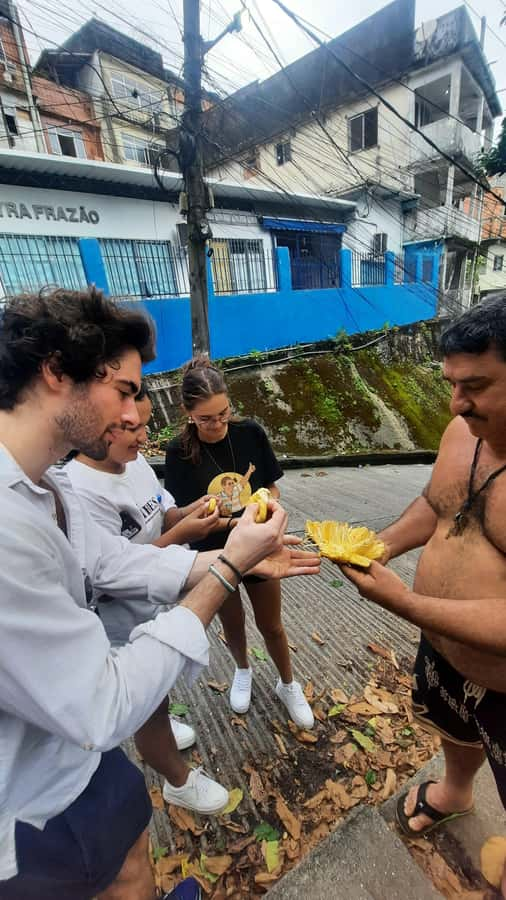
What makes this tour especially worthwhile is the human pace. You’ll meet people in the community, visit a social project area where donations are welcome, and often share time with local youth through dance or football, plus you can even try homemade black coffee. Just plan on not having full food included, so bring a simple plan for drinks and snacks afterward.
In This Review
- Key things I think you’ll care about
- Rocinha by foot and moto-taxi: how the tour actually feels
- Meeting near Universal Church: first impressions and safety layers
- What you’ll see on the first photo stop and guided walk
- Traditional dance time and youth interaction (yes, you may join in)
- Street art, arts-and-crafts, and the kind of markets you can actually use
- Black coffee, local shops, and the library stop when open
- Price and time: value you can feel (and what to budget)
- Who this Rocinha walk suits best (and who should think twice)
- Should you book this Rocinha walk with women-led local guides?
- FAQ
- FAQ
- How long is the Rocinha walking tour?
- What time does the tour run?
- Where do I meet the group?
- What languages are the guides?
- How big is the group?
- Do I need cash for the moto-taxi?
- Is food included?
- Is there a restroom available during the tour?
- Is the library stop guaranteed?
- Can I visit a local home or rooftop?
- What should I bring?
Key things I think you’ll care about
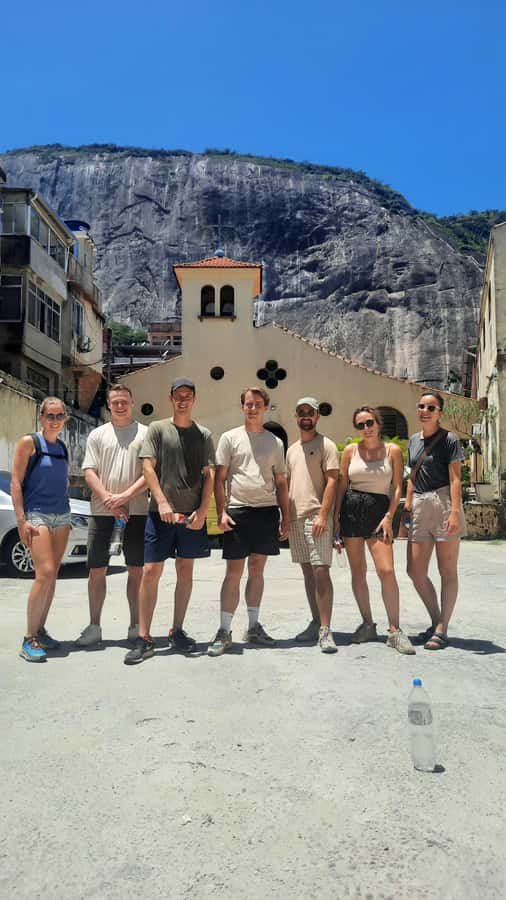
- Women-led, bilingual guidance: Your guide is from the favela and can talk culture in English, Portuguese, or Spanish.
- Moto-taxi start for the big “wow” moment: It’s part of how you get oriented quickly on the Rio hills.
- Street art, local shops, and photo stops: You’ll pause for viewpoints and colorful scenes without turning it into a drive-by.
- Dance/football with local youth: You’re not just watching; you get a chance to join in.
- Library stop (when open) and a market visit: You see community spaces beyond the main streets.
- Safety support you can feel: Real-time location tracking via guides’ and residents’ associations, plus restroom access along the route.
More community-led walks through Rocinha
- Rio De Janeiro: Half-Day Rocinha Favela Walking Tour★ 4.7 · 2,272 reviews
- Rio: Favela Rocinha Tour with Local Guide & Secret Spots★ 4.7 · 218 reviews
- Favela Tour The Original, Rocinha & Vila Canoas since 1992★ 4.5 · 113 reviews
- Rocinha Local Tour★ 5.0 · 41 reviews
Rocinha by foot and moto-taxi: how the tour actually feels
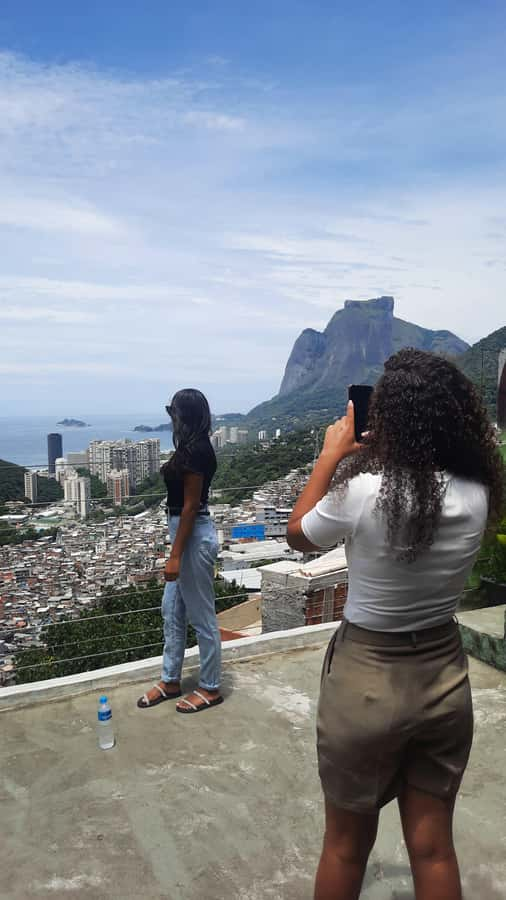
This is not a long bus ride where you check boxes from a window. You start with a short ride up into the favela, then switch to walking so you can notice the details: the pace of daily routines, how people hang out in the open, and how everyday corners become landmarks.
The moto-taxi is the quickest way to understand Rocinha’s geography. The roads climb fast, turns come quickly, and the ride can feel a little intense if you’re not used to moto-taxis, but it’s also a practical “get your bearings” tool—and it sets up the views you’ll see while you walk.
Once you’re on foot, the group size keeps things personal. You’ll be limited to 10 participants, which helps with questions, photos, and the simple fact that your guide can slow down when the alley scene matters.
Meeting near Universal Church: first impressions and safety layers
You meet at the subway Exit A near the Universal Church. From there, you head toward Av. Niemeyer, 780 as the tour’s starting point, then you make your way to the first stop inside Rocinha using local transport.
I appreciate the tour’s safety approach because it’s not just “trust us.” The experience uses real-time location tracking by the local guides’ association and the residents’ association, which adds a layer of support while you’re moving through the community. There are also restrooms along the way, so you’re not stuck planning every pause around your own endurance.
In practical terms, this kind of tour works best when you show up calm and ready to follow your guide’s rhythm. When the route is on slopes and narrow paths, one person lagging behind can create friction, so stick close and let the group stay together.
What you’ll see on the first photo stop and guided walk
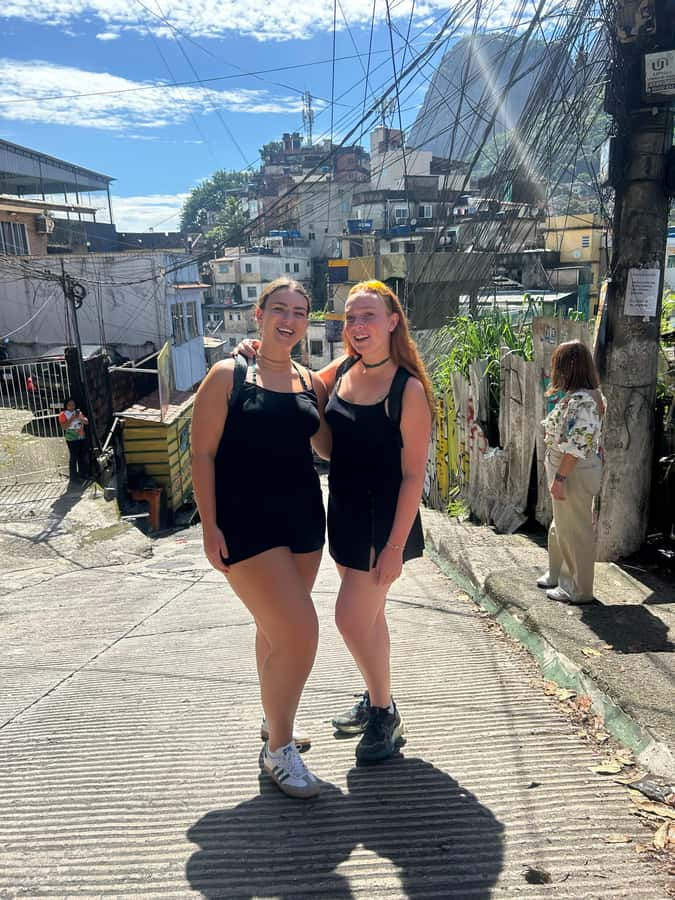
Right away, you’ll get a photo stop plus guided time as you settle into Rocinha’s street life. This early section matters because it’s where your guide frames what you’re looking at—why certain areas look the way they do, how families live day to day, and what resilience looks like when it’s part of ordinary life instead of a headline.
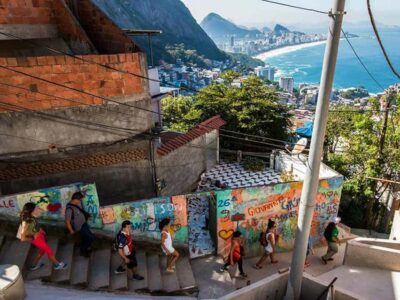
Expect plenty of small scenes rather than giant monuments. You’ll likely pass by local shops and places people rely on daily, and you may notice street art right away—murals and artwork that make the alleys feel personal instead of anonymous.
The walking itself is where the culture becomes real. You’re not just seeing Rocinha; you’re moving through it, and that changes how you understand scale. You’ll also see children playing and everyday moments that feel casual, even while the broader story behind the neighborhood is heavy.
More tours led by the people who live there
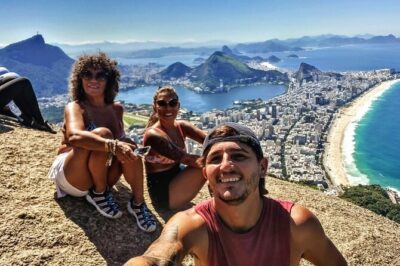
Traditional dance time and youth interaction (yes, you may join in)
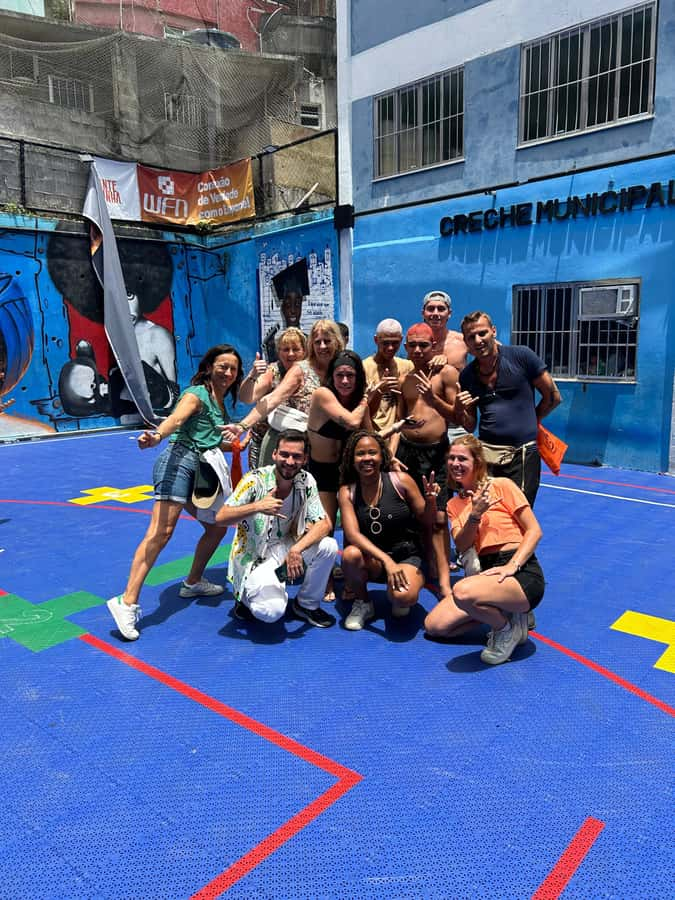
One of the most memorable parts of this tour is the energy shift when it moves into performance and interaction. There’s a traditional dance show segment, and it’s followed by time that often connects you with local youth for learning dance steps or playing football.
This part is valuable because it flips the usual power dynamic. Instead of you standing on the outside watching, you get a chance to participate—follow a rhythm, learn a move, or toss yourself into a quick football game when the guide sets it up.
The best advice here is simple: don’t overthink it. Keep your attitude open and your body language friendly. If you go in stiff or cautious, the moment can feel awkward fast, but if you match the vibe, it becomes one of those rare travel experiences that feels genuinely shared.
Also, this is where the small-group format pays off again. With fewer people, your guide can guide you through the interaction without turning it into a staged moment.
Street art, arts-and-crafts, and the kind of markets you can actually use
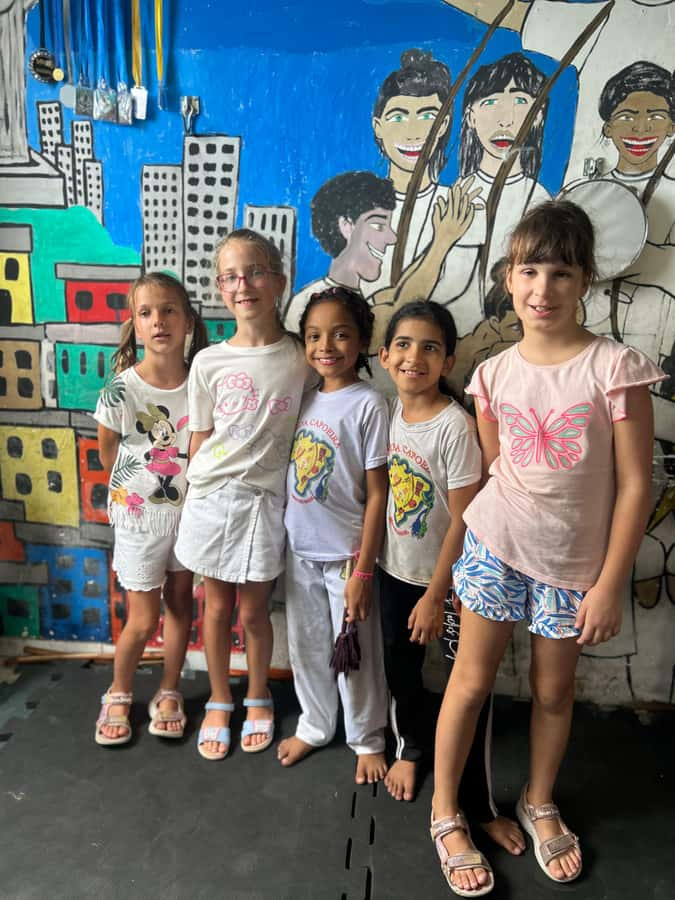
As the tour continues, you’ll move into areas where art and craft show up as part of daily community life. There’s time for an arts & crafts market visit, which is where you can slow down, look closely, and understand how creativity becomes income and identity.
This isn’t about buying souvenirs fast. It’s more about learning what the art means and meeting the people selling it. If you’re the type who likes to talk to artisans, this is one of the best spots in the experience because your guide can translate the “why” behind what you’re seeing.
You’ll likely pass by additional local spots along the way, so the walking route keeps stacking little moments. Views of Rio show up at intervals, and the street art gives you something to frame in your camera besides the skyline.
Black coffee, local shops, and the library stop when open
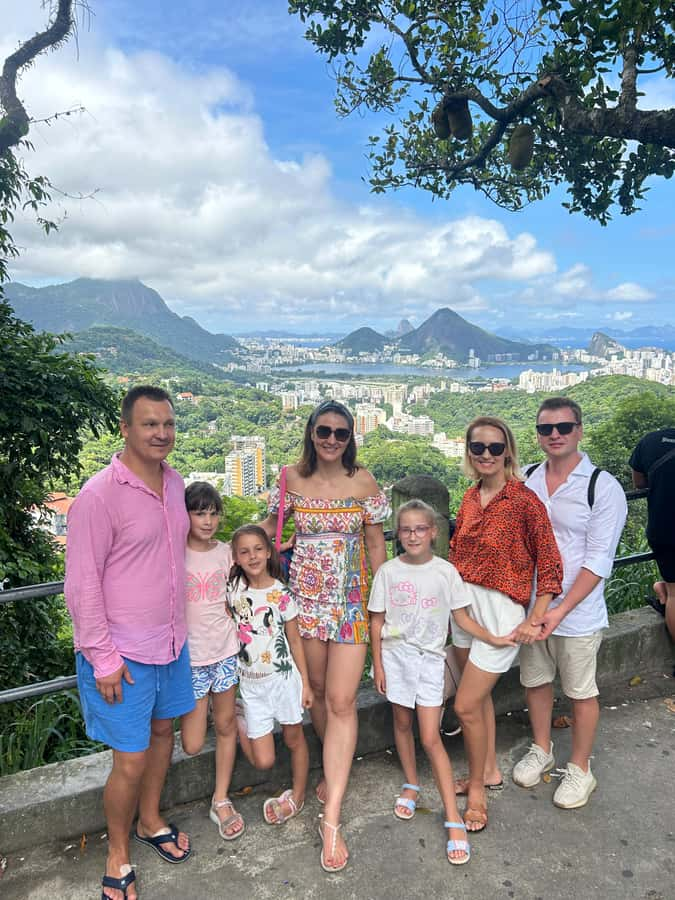
I love that this tour doesn’t treat Rocinha as only a photo assignment. You’ll stop at local shops and you might even get practical tips for food and drinks from your guide, so you can continue the story after the tour ends.
A standout detail is homemade black coffee. It’s a small thing, but those are the moments that stick because they’re simple, sensory, and human. If you’re picky about coffee, don’t worry—your guide sets the expectation, and you can always sip slowly and enjoy the conversation.
There’s also a public library visit when open. Even if you’ve visited libraries elsewhere, this one carries different meaning because it’s part of community infrastructure, not a tourist building. It’s the kind of stop that quietly says: people here build spaces for learning and youth, not only walls and alleys.
If the library is closed, the tour still keeps moving. The key is that your guide plans the route to keep you seeing community life rather than circling the same streets for photos.
Price and time: value you can feel (and what to budget)
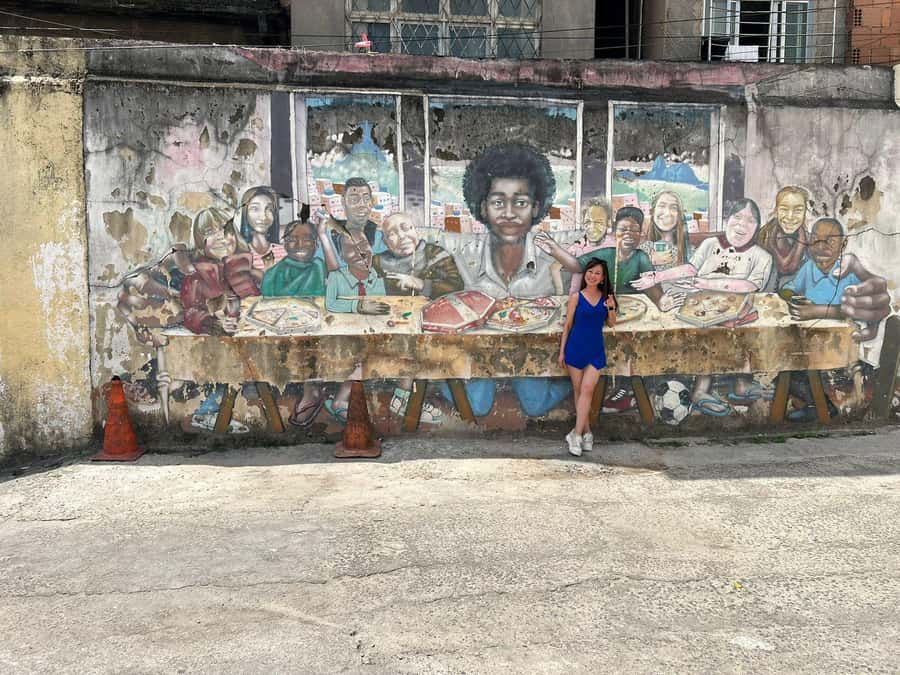
The tour price is $42 per person and the listed duration is 2 hours. In practice, you should expect a bit more time because you’ll include local transport at the start and multiple guided segments across the neighborhood.
Here’s how I judge value for this one. You’re paying for:
- a bilingual local guide who can share personal, lived stories
- a small group (max 10), which makes it easier to ask questions and feel safe moving
- moto-taxi transport to the first stop
- multiple community-focused stops: street art areas, shops/markets, and often social-project time
- interaction with youth through dance or football
- coffee and access to restrooms along the route
One important budget detail: the tour data says the moto-taxi to the first stop involves R$10 per person (cash). Even though the experience description includes moto-taxi, you’ll still want to bring that cash or have it ready as instructed.
Food and drink are not included. Shops and restaurants accept credit cards, so it’s fairly easy to add a snack or drink after the tour, but don’t count on lunch being part of the experience.
There’s also an optional add-on: you can pay R$10 per person for a visit to a local home or rooftop. This is optional, and you should only do it if your guide feels it’s appropriate and your comfort level matches the setting.
Who this Rocinha walk suits best (and who should think twice)
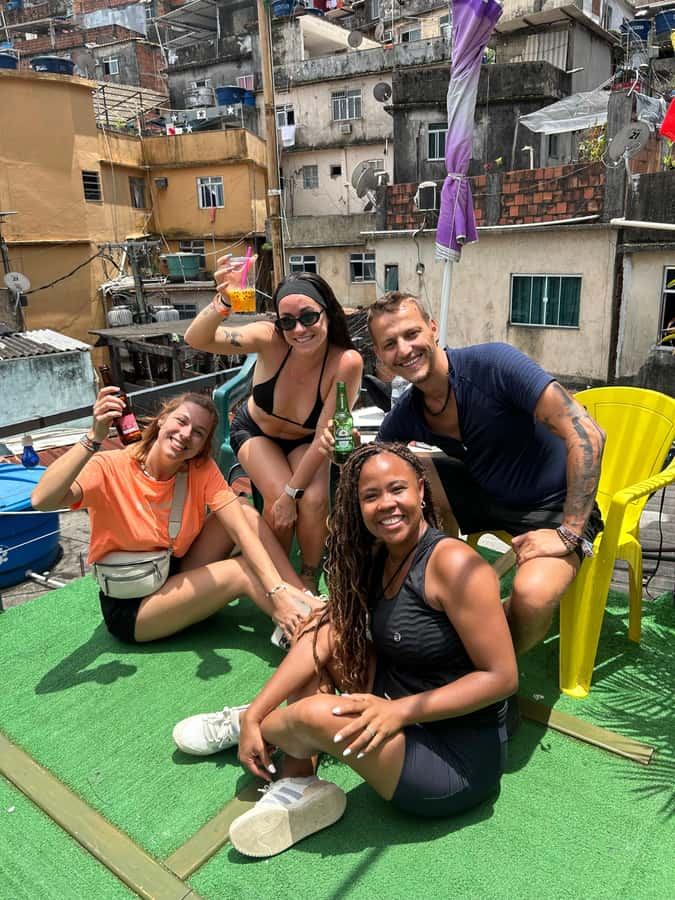
This tour is a strong match for people who like real contact with locals and want context, not just sights. If you enjoy street art, conversations about community life, and cultural exchange through dance or football, you’ll probably feel like you got your money’s worth.
It’s also a good choice for first-time Rio visitors who want something different from the classic postcard route. Rocinha gives you a side of Rio you can’t reach through viewpoints alone.
Think twice if you have mobility issues, because you’ll be walking on slopes and through narrow lanes. Also, if you get carsick or anxious with moto-taxis, the ride may feel stressful at first—your guide can’t remove the reality of the climb, so it helps to go in prepared.
Should you book this Rocinha walk with women-led local guides?
If you want an experience that feels personal, not performative, I’d say yes. The combination of bilingual local guidance, a small-group pace, and community interactions (dance/football time, coffee, art market stops, library when open) makes it far more than a sightseeing walk.
Book it if:
- you like learning from people who live there (not just reading captions)
- you want a guided route with safety support like real-time tracking
- you’re ready for a real walk with real slopes and close quarters
Skip it or choose another option if:
- you can’t manage steep walking
- you’re uncomfortable with moto-taxis and steep hill roads
- you strongly prefer food to be included in the tour price
FAQ
FAQ
How long is the Rocinha walking tour?
The duration is listed as 2 hours, with the experience also described as taking about 2 hours and 30 minutes.
What time does the tour run?
Available starting times shown are 10:00 AM and 2:00 PM.
Where do I meet the group?
You meet at Exit A of the subway near the Universal Church, and the tour starting location is listed as Av. Niemeyer, 780.
What languages are the guides?
The live tour guide speaks English, Portuguese, and Spanish.
How big is the group?
The tour is a small group limited to 10 participants.
Do I need cash for the moto-taxi?
Yes. The tour information says the moto-taxi to the first stop is R$10 per person and you should bring cash.
Is food included?
No, food and drink are not included.
Is there a restroom available during the tour?
Yes, the tour description says there is access to restrooms along the way.
Is the library stop guaranteed?
The library is visited when it is open.
Can I visit a local home or rooftop?
There is an optional visit to a local home or rooftop for R$10 per person.
What should I bring?
Bring a camera, light and comfortable clothes, a hat or cap, and insect repellent. You should also have cash for the moto-taxi.
More Tour Reviews in Rio De Janeiro






More Community-Led Tours


More Community Walks in Rocinha



Fresh off the review desk: newer Rio De Janeiro tours we have been out on





Favela Community Tours, compared.
 ★ 4.8Rocinha Favela Walking Tour with Local GuideFrom $363,052 reviews
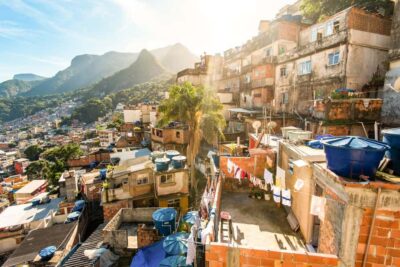 ★ 4.7Rio De Janeiro: Half-Day Rocinha Favela Walking TourFrom $352,272 reviews
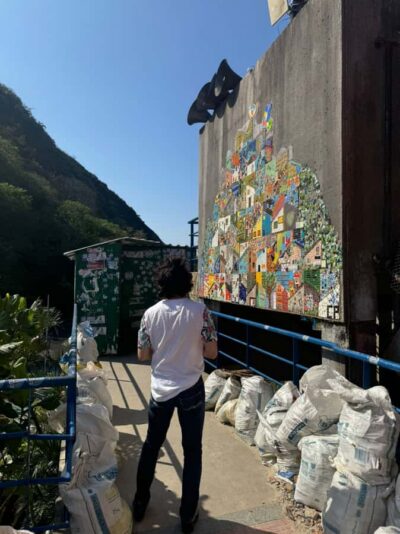 ★ 4.9Favela Santa Marta Top Tour with Local GuideFrom $28488 reviews
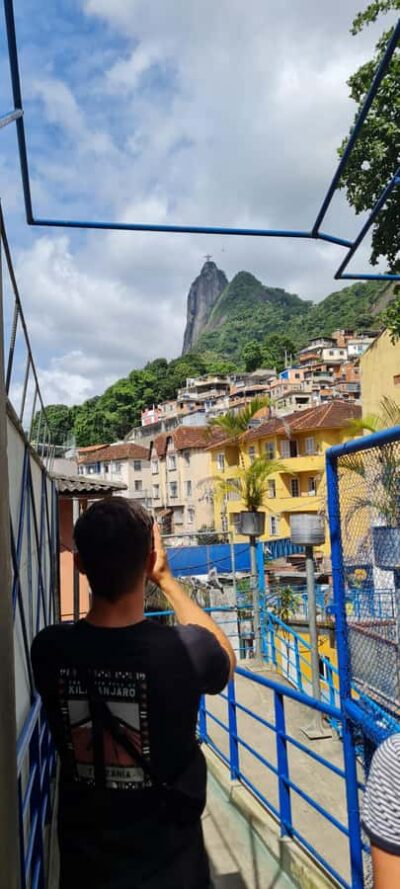 ★ 4.6Favela Santa Marta Tour with Resident GuideFrom $27220 reviews
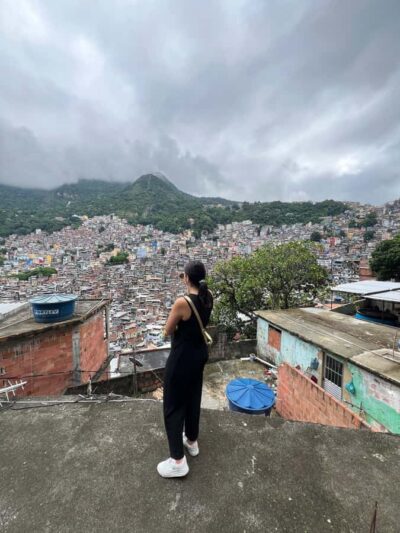 ★ 4.7Favela Rocinha Tour with Local Guide & Secret SpotsFrom $43218 reviews
 ★ 4.5Vidigal Favela Tour and Two Brothers HikeFrom $88121 reviews
 ★ 4.5Favela Tour The Original, Rocinha & Vila Canoas since 1992From $33113 reviews
 ★ 5.02h30 circuit in the Vidigal FavelaFrom $5088 reviews
Browse the lists this tour appears in