
Reviewed · WALKING TOURS
3-Hour Urban Arts Walking Tour
Rio’s walls tell stories. This 3-hour urban arts walk turns them into a readable map. I especially like how the guide connects murals to Brazilian culture and current events, and how you get to see the big one on Olympic Boulevard: the world’s largest street mural. One thing to keep in mind: you’re on your feet for the full session, so heat and sun can make the pacing feel quicker than you’d like.
You’ll start downtown in Cinelândia, roll out on Rio’s tram system (VLT), and end at the Museum of Tomorrow with help getting back. The whole tour is built around a 6-year project, so it’s not just pointing at graffiti. It’s about why the art looks the way it does, and what it’s saying.
In This Review
- Key highlights you’ll actually feel on the tour
- Street Art in Rio, but with a real guide behind it
- Meeting in Cinélândia at the Municipal Theatre (then getting moving)
- Why the VLT tram ride is part of the point
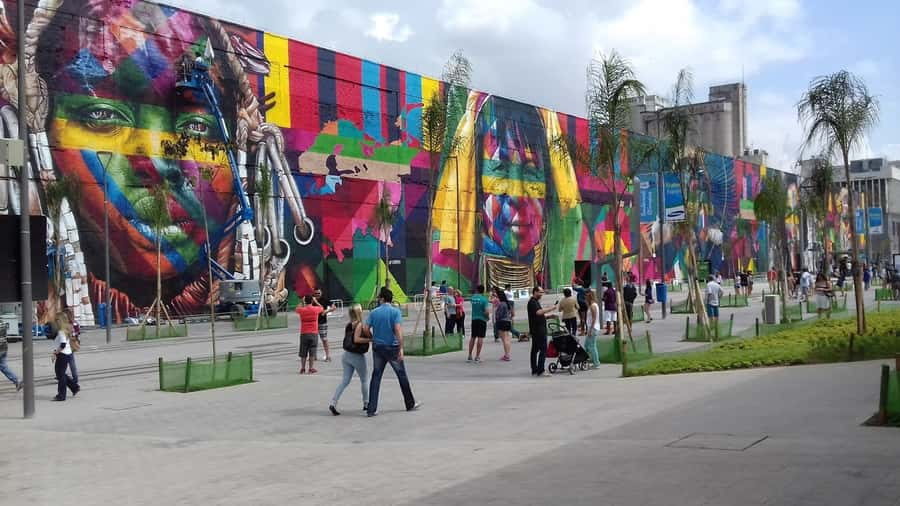
- Olympic Boulevard: seeing the world’s largest street mural
- Mural stops like The Ethnicities, and how to read street art fast
- A 6-year project that turns art into a story of place
- The finish at the Museum of Tomorrow (and how to get back)
- Price and value: is $45 fair for 3 hours in Rio?
- Who should book this, and who should skip it
- Practical tips for a smoother urban arts walk
- Should you book this 3-hour urban arts tour?
- FAQ
- How long is the 3-Hour Urban Arts Walking Tour?
- Where is the meeting point for the tour?
- What time does the tour start?
- What is included in the $45 price?
- Is food and beverages included?
- What languages is the live tour guide available in?
- Do we ride the tram as part of the tour?
- What should I bring?
- Is free cancellation available?
- Who is this tour not suitable for?
Key highlights you’ll actually feel on the tour
- Cinélândia meeting point: you begin at the Municipal Theatre area, then head into the street-art streets nearby
- VLT tram ride included: the tram gets you from downtown to Olympic Boulevard fast, with less backtracking
- Olympic Boulevard’s massive murals: you’ll see world-scale street art and take in the neighborhood shift
- Mural names like The Ethnicities: the guide helps you read meaning, not just color
- A specialist urban arts guide: the storytelling focus is on artists, styles, and cultural context
- Finish at the Museum of Tomorrow: you get directions to get back to your accommodation
Still browsing Rio De Janeiro? These are the ones we go back to
- Rio de Janeiro: Rocinha Favela Walking Tour with Local Guide★ 4.8 · 3,052 reviews
- Rio De Janeiro: Half-Day Rocinha Favela Walking Tour★ 4.7 · 2,272 reviews
- Sunrise and Sunrise Walk Two Brothers with Local Guide★ 5.0 · 193 reviews
- Rio de Janeiro: Little Africa Heritage Walking Tour★ 4.9 · 177 reviews
Street Art in Rio, but with a real guide behind it
Rio street art can feel like a visual blur if you’re just walking and snapping photos. This tour changes that. You get an urban arts specialist guide who helps you slow down mentally, so you start noticing style, references, and the social context behind each mural.
I like that the tour is centered on understanding, not only sightseeing. You’re not just getting a highlights walk; you’re getting an organized way to make sense of what’s on the walls. And with a price of $45 for a 3-hour experience that includes a guide plus tram tickets, you’re paying for the interpretive part, which is the hardest thing to recreate on your own.
The other big win is the route logic. Downtown to Olympic Boulevard is a huge shift in feel. Riding the VLT gets you there efficiently, and it also keeps the tour moving as a connected story instead of a random collection of stops.
Meeting in Cinélândia at the Municipal Theatre (then getting moving)
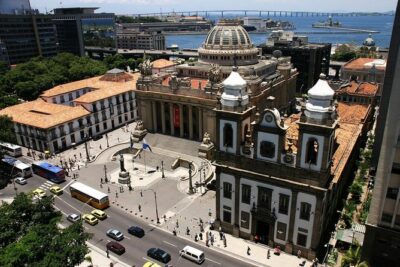
You meet at 13:30 in front of the Municipal Theatre of Rio de Janeiro in Cinélândia, at Praça Floriano, S/N – Centro. Plan to arrive a few minutes early so you’re not rushing right at start time.
Before you head out, you’ll get a quick briefing. That matters more than it sounds. It sets expectations for what you’re about to see, and it helps you know how your guide will talk about the art. Then you walk toward the nearest VLT station, and the street art starts almost immediately around the downtown area.
A practical note: the tour only includes the guide and tram tickets. Food and drinks are not part of the price. If you’re doing this right after a morning activity, I’d treat the tour like a concentrated block: drink water, keep your energy up, and plan any snacks outside the tour.
Why the VLT tram ride is part of the point
This isn’t just a transfer between sights. You ride the tramway system (VLT), and it’s tied to Rio’s modern-era changes that began around the 2016 Olympic Games. Getting on board turns the day into a moving “then and now” corridor.
When you step off at Olympic Boulevard, you’re not only arriving at murals. You’re arriving at the bigger conversation the guide wants you to understand: how Rio’s public art reflects neighborhood identity, international influence, and major city moments.
Also, the tram reduces the amount of pointless zigzagging you’d do trying to connect downtown street art with the Olympic zone. That’s real value when you only have 3 hours.



Olympic Boulevard: seeing the world’s largest street mural
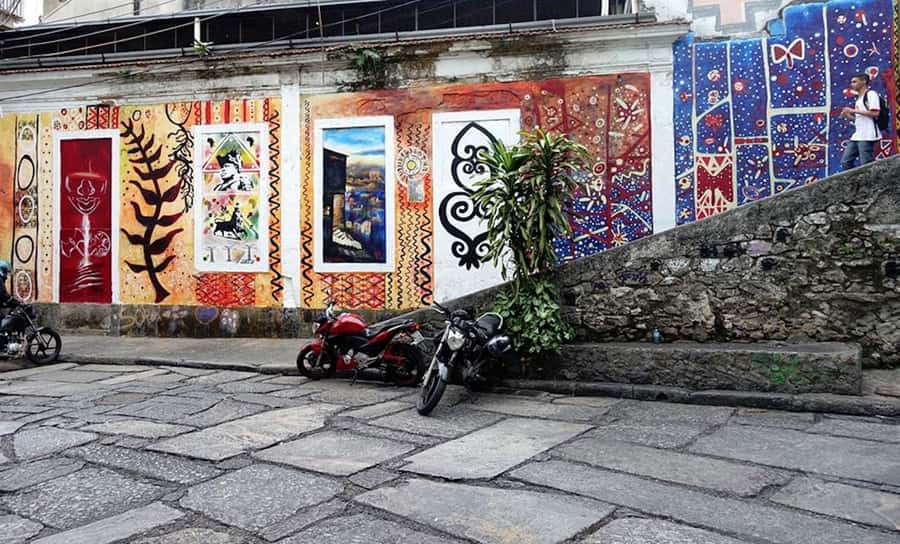
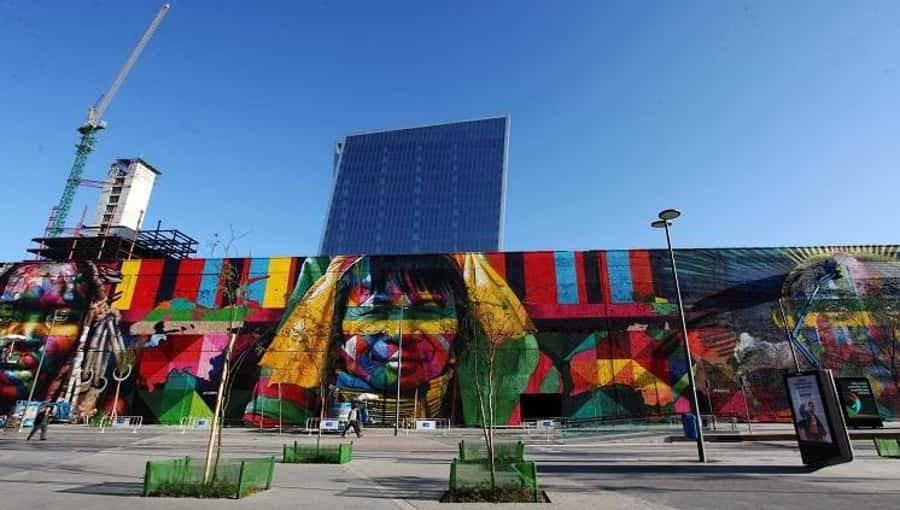
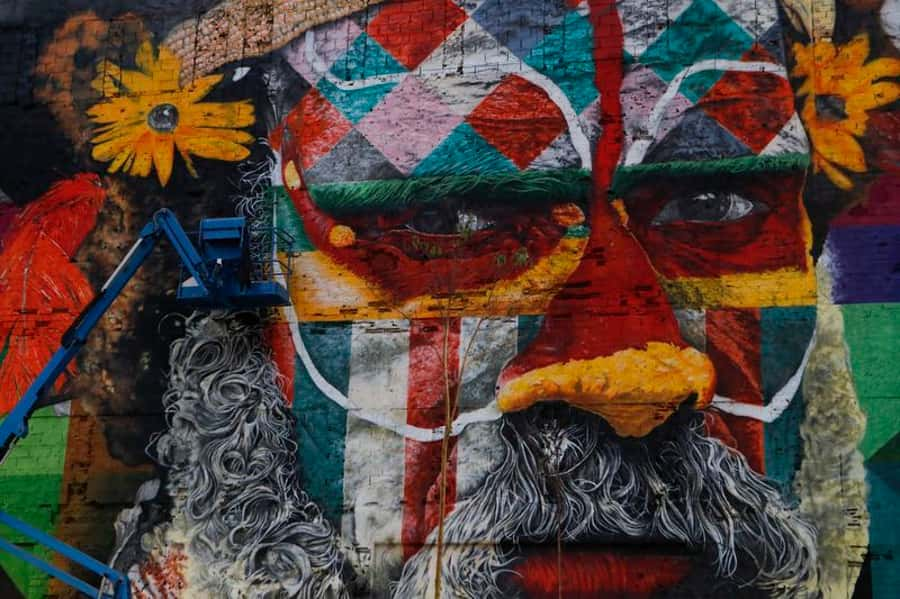
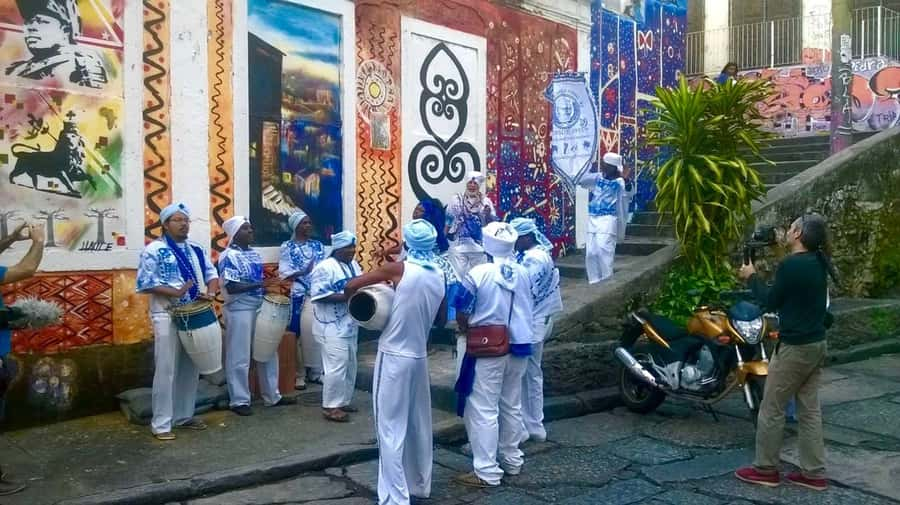
The most headline moment is the mural on Olympic Boulevard. This is where you get to marvel at what’s described as the largest street mural in the world. Standing there, the scale does the talking. You can’t miss that this is more than casual graffiti.
What I find useful here is that the guide doesn’t treat it as a one-off spectacle. Instead, you get context for how the mural fits into a wider movement—who is making this work, who it’s for, and what kinds of themes are being expressed across different walls.
If you’re the type who likes photographs, this is also where you’ll want to be ready. Large murals reward timing and angle, so don’t spend the whole stop searching for the perfect spot. Listen first, then take photos once you know what detail the guide is pointing out.
Mural stops like The Ethnicities, and how to read street art fast
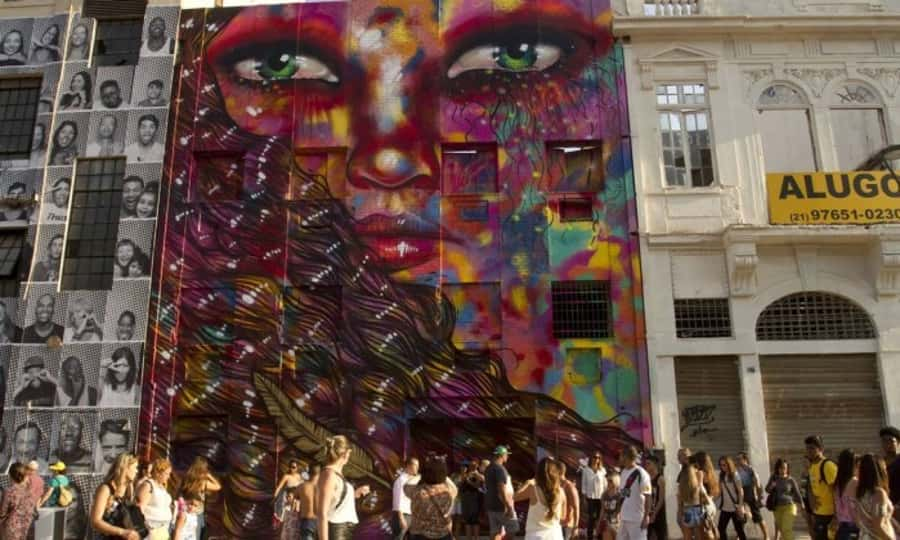
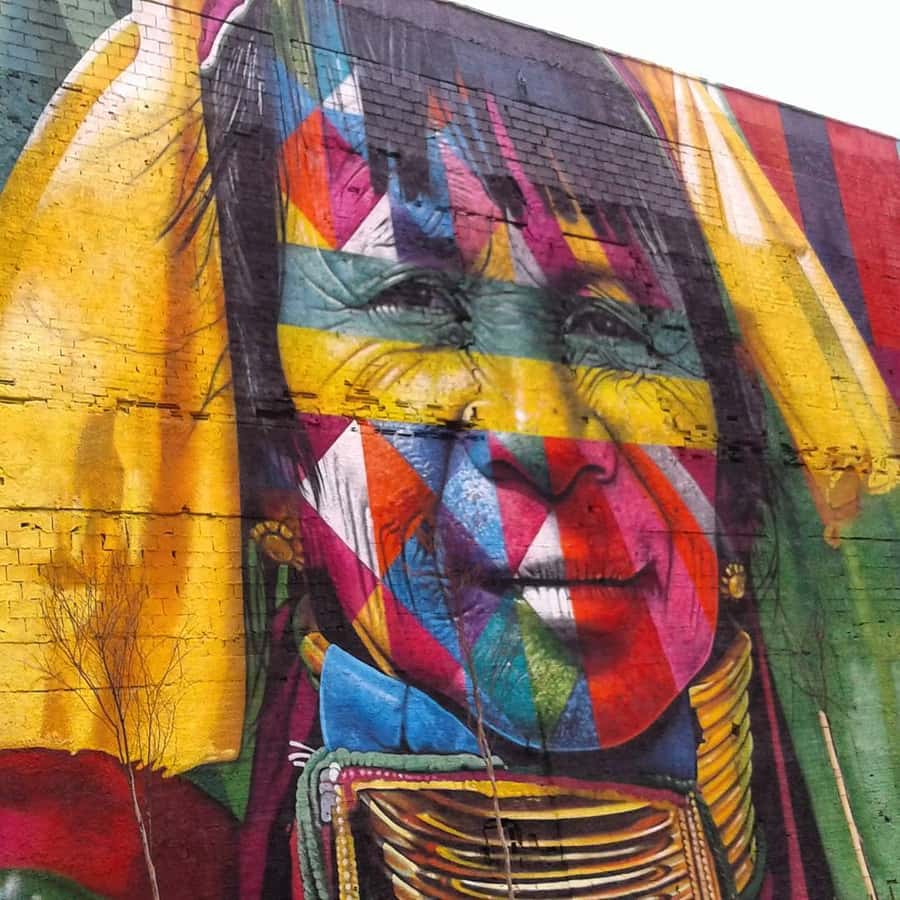
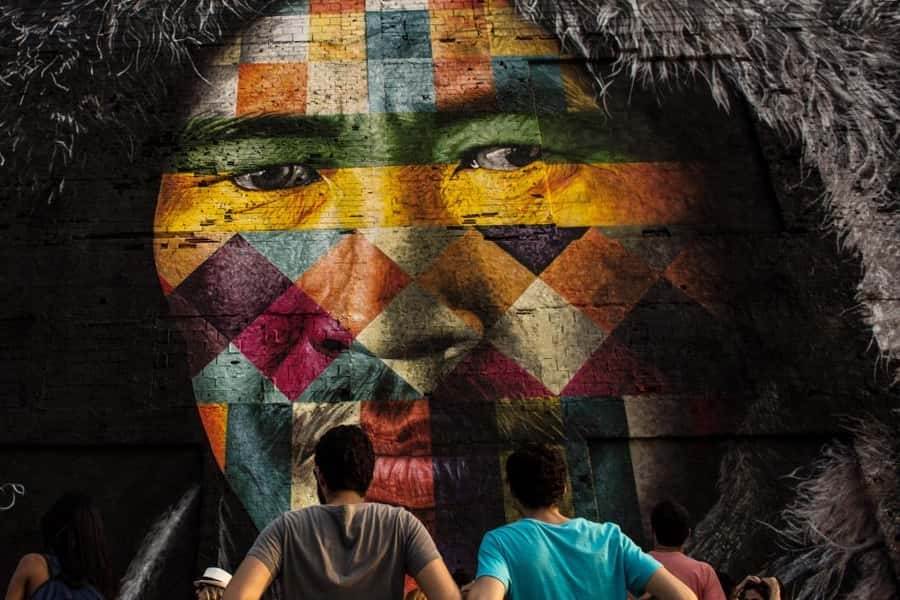
One of the tour’s strongest promises is that you’ll see massive murals, including The Ethnicities. The value isn’t only the artwork itself; it’s how your guide teaches you to look.
Here’s what you should expect from the guide’s approach:
- You’ll hear explanations of style choices, not just dates and names.
- You’ll connect what you’re seeing to Brazilian culture and to artists from different backgrounds.
- You’ll learn how murals can comment on identity, community, and even global influences.
That matters because street art can look random if you only judge it by color. With a guide, you start understanding the logic: symbols, themes, and why certain subjects show up again and again across Rio’s neighborhoods.
One small caution: the tour is scheduled, so you may not have unlimited time to linger at every wall. If you like to stop and study every detail for ten full minutes, wear patience. This is a guided crawl with a steady pace.
A 6-year project that turns art into a story of place
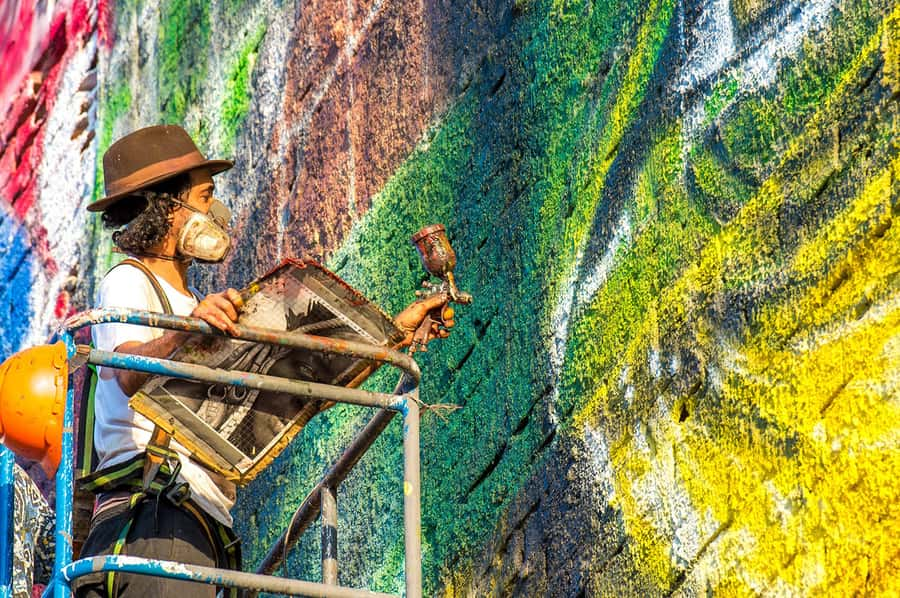
The tour is built around the results of a 6-year project. That’s a useful detail because it changes how you interpret what you see. You’re not watching a temporary pop-up. You’re encountering a body of work that has taken time to develop.
In practical terms, that means your guide can speak to patterns. They can connect different murals through theme and approach. And they can frame how the urban art scene has grown and shifted across neighborhoods, from older parts of Rio to newer zones.
Language also plays a role here. The tour runs with live guides in English, Portuguese, and Spanish. If your Portuguese is basic or your Spanish is better, you still get the explanations you need. Street art talks best when you can catch the cultural references, and that’s exactly what a multilingual guide helps with.
One personal note from guide appreciation in the reviews: some participants highlight how guides like Edmundo (spelled Edmund in one booking) don’t just explain styles. They also bring in connections to artists and the stories behind the images, which makes the art feel more immediate and less like a museum label.
The finish at the Museum of Tomorrow (and how to get back)
You’ll end the tour at the Museum of Tomorrow. That location is handy because it’s easier to plan your next move once you’re done. You’ll be directed on how to get back to your accommodation, which is a big practical service when your last stop isn’t right where you started.
Think of this as your reset point. You can step into a museum area, grab a snack nearby, or simply recharge after a few hours of walking plus tram time. Since food isn’t included, you’ll likely appreciate having a clear end point where you can make your own choices for dinner or a quick bite.
Price and value: is $45 fair for 3 hours in Rio?
At $45 per person for a 3-hour tour, you’re not just paying for someone to point out street art. You’re paying for:
- a specialist urban arts guide
- tram tickets (which saves you time and hassle)
- a structured route that links downtown context to Olympic Boulevard murals
That makes the price feel more reasonable than it might at first glance. If you tried to replicate it alone, you’d spend time figuring out transit and you’d likely lose the interpretive layer that makes murals click.
Where to watch your own costs: food and beverages are not included. So budget for your own drinks during the tour. Bring water and wear comfortable clothes—simple stuff, but it keeps the experience enjoyable instead of miserable.
Who should book this, and who should skip it
This tour works best if you:
- want street art explanations tied to culture and real place
- like guided walking where you learn as you move
- are comfortable doing a couple of hours of active sightseeing in the afternoon
It’s not suitable for:
- wheelchair users
- people with heart problems or respiratory issues
- children under certain ages (it specifies not suitable under 2, 3, 4, 5, and under 10)
- people over 95 years and people over 70 years
If you’re traveling with kids, treat this as an adults-focused experience. The tour is listed as not suitable for many younger age groups, so check your situation carefully before booking.
Practical tips for a smoother urban arts walk
Here are the basics that matter for this specific tour:
- Bring water. Food and beverages are not included.
- Wear comfortable clothes. You’ll be walking and riding transit during the 3 hours.
- Arrive at 13:30 at the Municipal Theatre area so you start on time.
- Send a message on WhatsApp the day before to confirm presence and meeting point details (the contact number is +5521999982907).
For photos, don’t expect a “museum quiet” experience. Street art is outdoors, on city streets. That means you’ll be sharing space and dealing with movement around you. The best strategy is to listen for the details the guide mentions, then frame your shots around that.
Should you book this 3-hour urban arts tour?
Book it if you want the fastest path to understanding Rio street art with real context, and you’re happy mixing downtown walking with a tram ride to Olympic Boulevard. The guide-led interpretation is the core value, and the big mural stop gives you a memorable, must-see payoff.
Skip it if you need a very slow pace, require wheelchair access, or you’re sensitive to walking and transit in warm conditions. Also, because food isn’t included, plan your snack situation so the tour doesn’t turn into a frantic search for drinks mid-route.
If you match those basics, this is a smart, efficient way to experience Rio’s public art scene in just three hours.
FAQ
How long is the 3-Hour Urban Arts Walking Tour?
The tour lasts 3 hours.
Where is the meeting point for the tour?
You meet in front of the Municipal Theatre of Rio de Janeiro, Praça Floriano, S/N – Centro, Rio de Janeiro – RJ 20031-050.
What time does the tour start?
The tour starts at 13:30.
What is included in the $45 price?
The price includes an urban arts specialist tour guide and tram tickets.
Is food and beverages included?
No. Foods and beverages are not included.
What languages is the live tour guide available in?
The live guide is available in English, Portuguese, and Spanish.
Do we ride the tram as part of the tour?
Yes. You ride on the tramway (VLT) and get off at the Olympic Boulevard stop, and tram tickets are included.
What should I bring?
Bring water and wear comfortable clothes.
Is free cancellation available?
Yes. You can cancel up to 24 hours in advance for a full refund.
Who is this tour not suitable for?
It is not suitable for wheelchair users, people with heart problems, people with respiratory issues, and it has age restrictions. It also lists not suitable for people over 95 years and people over 70 years.
More Walking Tours in Rio De Janeiro






More Tour Reviews in Rio De Janeiro




Fresh off the review desk: newer Rio De Janeiro tours we have been out on





Walking Tours, compared.
 ★ 4.8Rocinha Favela Walking Tour with Local GuideFrom $363,052 reviews
 ★ 4.7Rio De Janeiro: Half-Day Rocinha Favela Walking TourFrom $352,272 reviews
 ★ 5.0Sunrise and Sunrise Walk Two Brothers with Local GuideFrom $64193 reviews
 ★ 4.9Little Africa Heritage Walking TourFrom $40177 reviews
 ★ 4.8Paraty: Historic Centre Walking Tour & Cachaça TastingFrom $1996 reviews
 ★ 5.0Learn the History of Rio with an Unforgettable City Center Walking TourFrom $4982 reviews
 ★ 4.5Rio’s city walking tour: a glimpse of history and olympic legacyFrom $6078 reviews
 ★ 5.0Walking tour of the bohemian neighborhoods of Santa Teresa and LapaFrom $7259 reviews
Browse the lists this tour appears in