
Reviewed · RIO ADVENTURE SPORTS
Rio: White Water Rafting Adventure tour in Rio de Janeiro
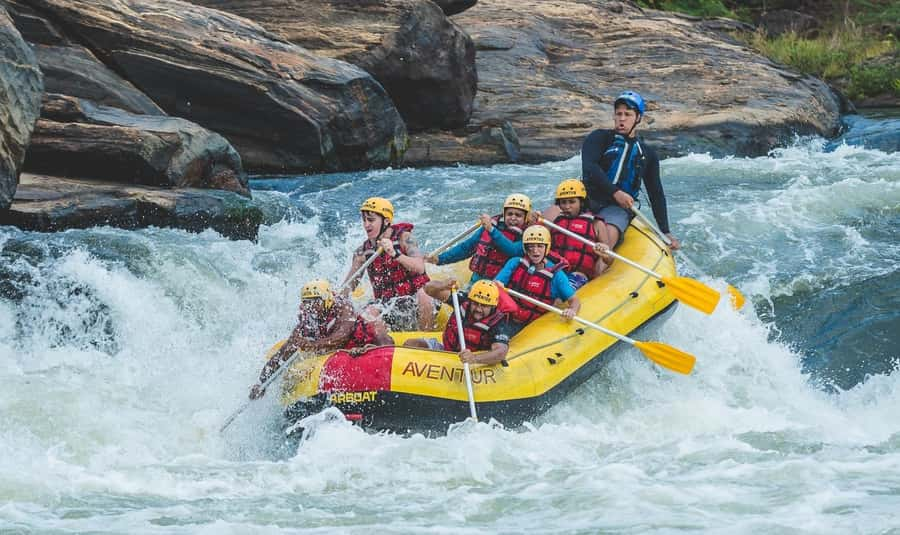
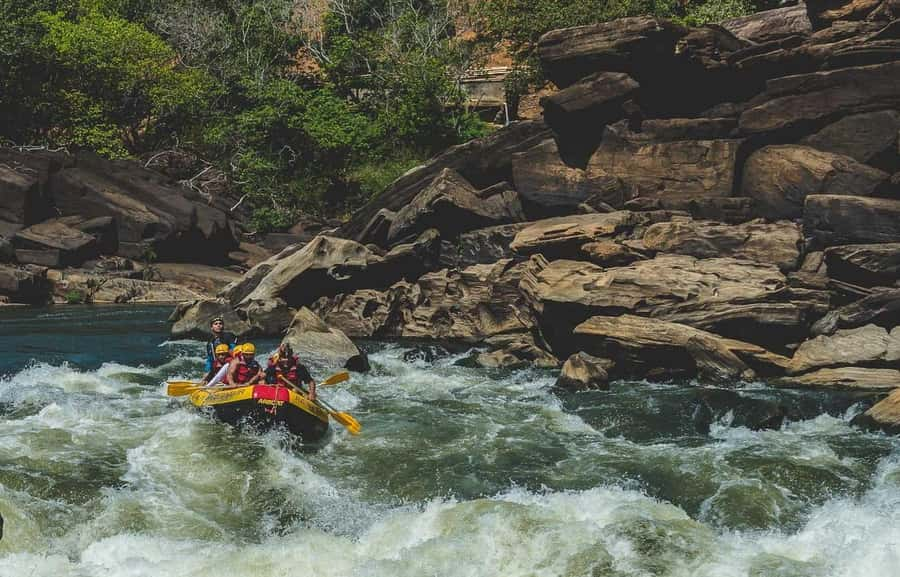
Rapids start the day in Rio. This white-water rafting outing runs about 7 kilometers of levels II to III rapids, with the kind of teamwork that makes even first-timers feel capable fast. I also like that the river corridor is surrounded by preserved Atlantic rainforest, so you get adrenaline and nature in the same day.
The best part is how much guidance you get. You don’t need prior experience, and the day is led by instructors who work in English, Portuguese, or Spanish (I’ve seen names like Renato, Henrique, and Daniel mentioned in association with this trip). The main drawback is simple: paddling and bracing can leave you with sore arms by the end.
In This Review
- Key things that make this rafting day worth it
- Getting out of Rio: pickup timing and the ride to the river
- The 7 km rapids: what levels II–III feels like in real life
- Atlantic rainforest vibes: wildlife spotting without trying too hard
- Guides and languages: how instruction makes a difference
- Lunch afterward: refueling without wrecking the rest of your day
- What to bring: simple packing that helps you enjoy the water more
- Who should go—and who should skip this rafting day
- Price and value: is $160 a fair deal?
- Should you book Rio white-water rafting?
- FAQ
- How long is the rafting experience?
- Where does pickup happen?
- How far from Rio is the rafting area?
- How long is the rafting course and what are the rapids like?
- Do I need prior rafting experience?
- What languages are the instructors available in?
- What’s included in the price?
- What should I bring?
- Is food included?
- Who isn’t this tour suitable for?
- What’s the cancellation policy?
Key things that make this rafting day worth it
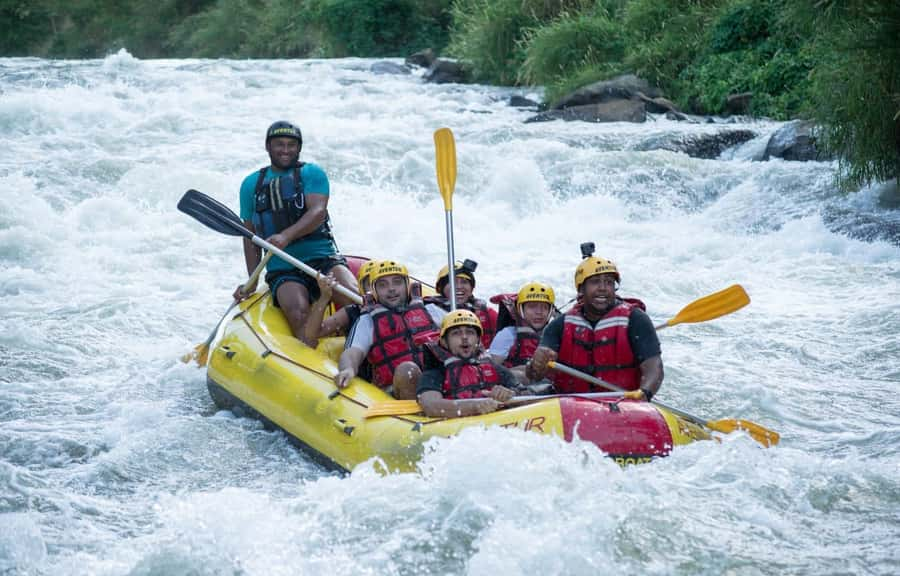
- Levels II–III for real rapids over a 7-kilometer course, ideal if you want thrills without going extreme
- Preserved Atlantic rainforest along the river, with chances to spot birds and other tropical animals
- You don’t need prior experience, because the crew guides you through the basics and safety rhythm
- Teamwork on the boat turns shared effort into instant bonding for friends and family
- A full 8-hour outing that mixes action with a lunch stop afterward (food and drinks are not listed as included)
Rope, rock and rapids: more Rio adventures
- Trail and Rappel on Morro Dois Irmãos★ 5.0 · 77 reviews
- Rio de Janeiro: Hiking and Rappelling at Tijuca Forest★ 4.8 · 44 reviews
- Climb Rio de Janeiro: Rock Climbing Tailored for All Levels★ 5.0 · 32 reviews
- Rio: White Water Rafting Adventure tour in Rio de Janeiro★ 4.7 · 5 reviews
Getting out of Rio: pickup timing and the ride to the river
This trip is set up for an easy start: you’re picked up in Rio de Janeiro, with coverage in the South Zone, City Center, and Barra (and also the North Zone). If your hotel isn’t in the main pickup belt, you can choose a meeting point at a hotel closer to you within the covered area.
From there, you head to a town about 120 kilometers from Rio, where the rafting launch area is. That distance matters for two reasons. First, it helps explain why the river feels tucked away rather than like a quick city outing. Second, it means you should treat the day as a full schedule, not just a short adrenaline break. With a total duration of 8 hours, you’re going to spend more time traveling and getting ready than you would on a half-day activity.
There’s also a guided component early on. You’ll have guided touring time plus rafting within the day’s flow. Practically, this is a good setup if you’d rather not “arrive, get geared, and hope for the best.” It gives you context before you’re asked to focus on paddling.
The 7 km rapids: what levels II–III feels like in real life
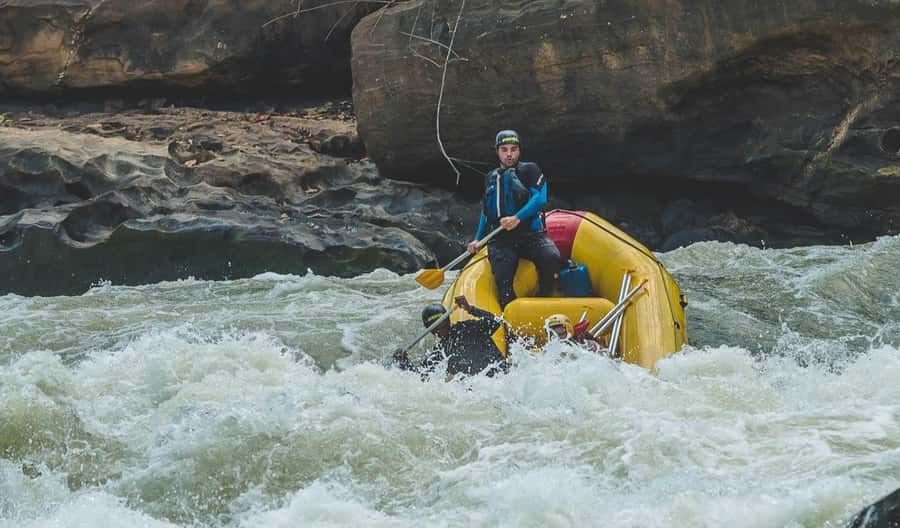
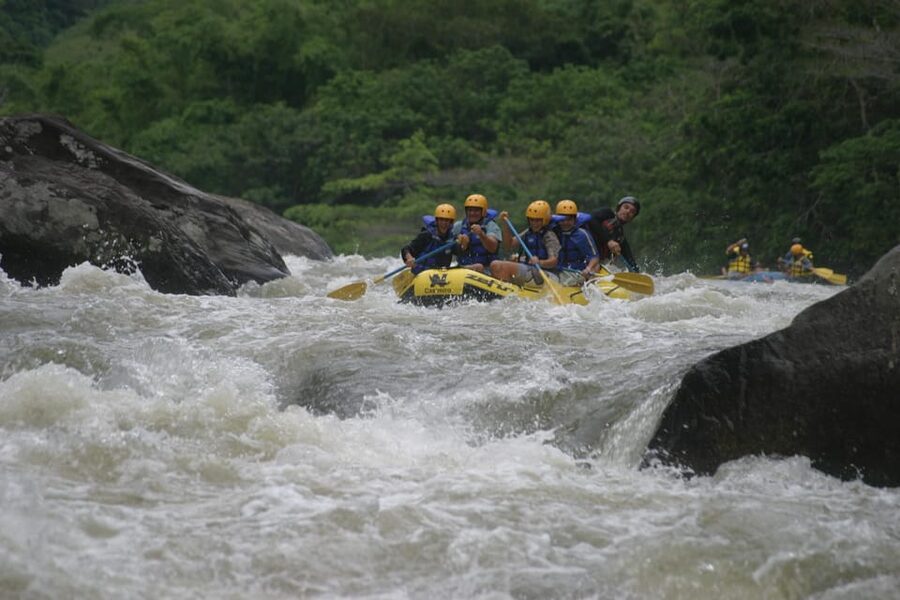
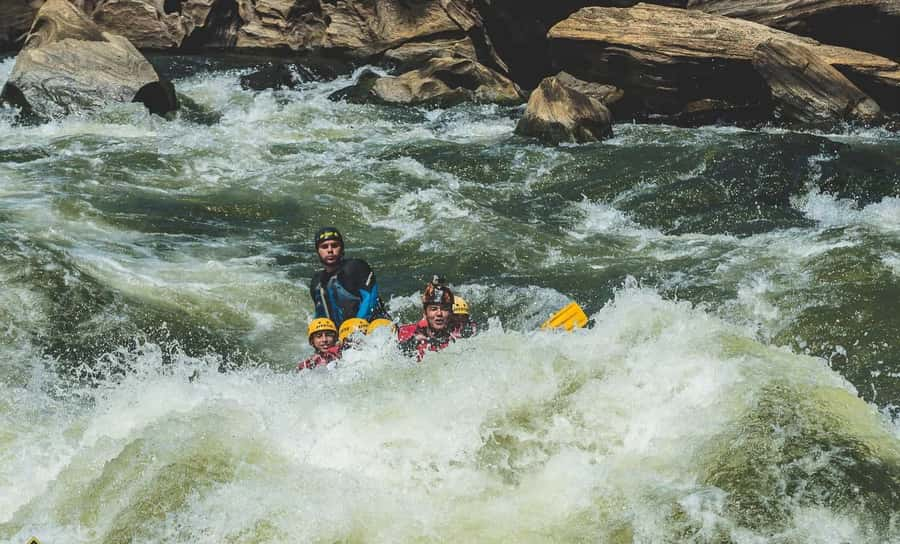
The rafting course covers 7 kilometers and includes rapids rated from level II to level III. If you’re new to rafting, those numbers are useful. Level II usually means straightforward rapids with regular waves. Level III generally adds more power and bigger waves, the kind that asks you to paddle on cue and keep your balance.
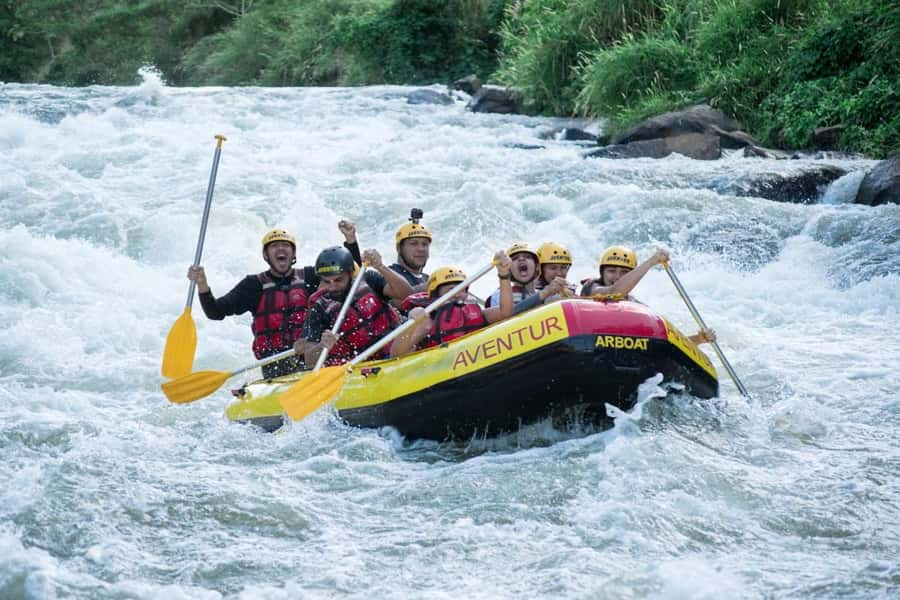
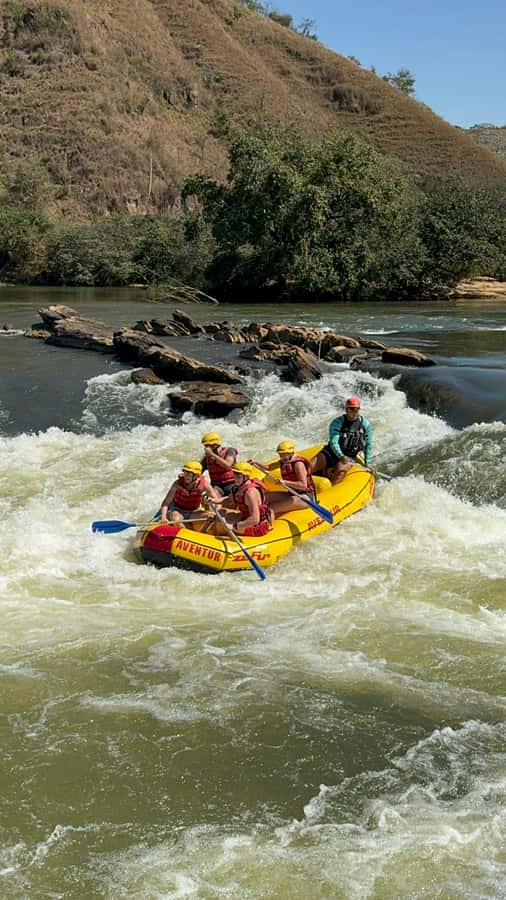
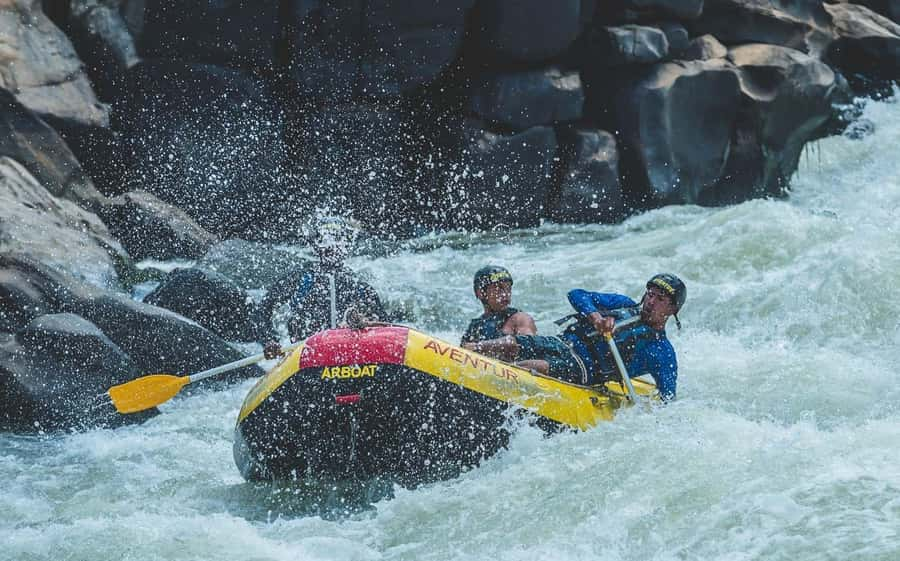
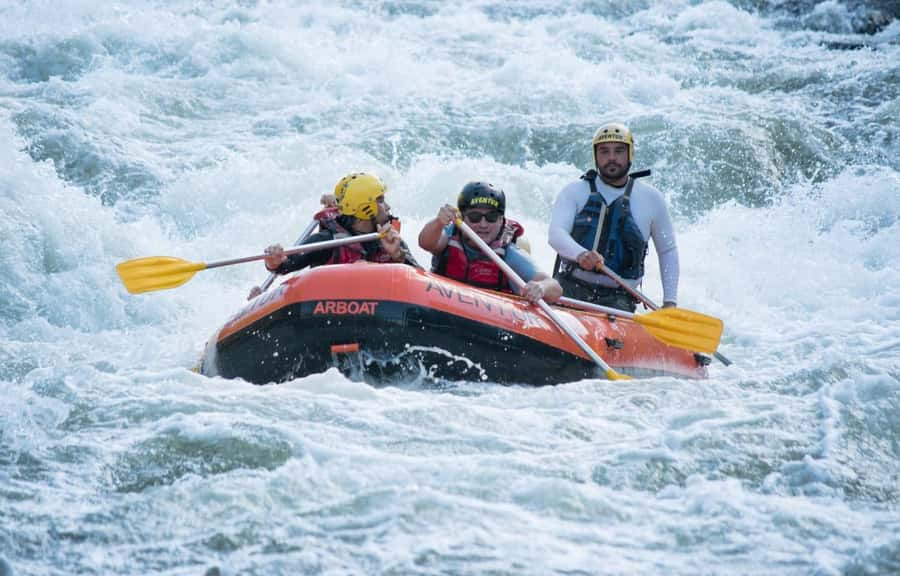
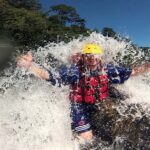
Here’s what you’re signing up for: an adrenaline rush you can actually feel, not just scenic boating. You’ll be working in sync—paddling when you’re told, bracing when the water demands it, and reacting as a team when the raft hits something. That team element is a big part of why this kind of day can be so satisfying. It’s not solo heroics. It’s coordination.
You should also expect that your body will do real work. Even when you’re not constantly fighting for speed, paddling and bracing use arms, shoulders, core, and timing. One of the clearer bits of advice from past participants is to be prepared for sore arms at the end. That’s not a warning to skip it. It’s a heads-up to pack smart, rest afterward, and be proud of the effort.
Another practical detail: there’s time during the experience to stop and get back into the water briefly. That’s a nice pressure release after the main rapids, and it’s also one of those moments that helps you shift from tense focus to “okay, we’re really doing this.”
Atlantic rainforest vibes: wildlife spotting without trying too hard
This is not a rafting route where everything is about rushing past scenery. The river runs through lush Atlantic rainforest that’s described as well preserved. Translation: you’re more likely to feel like you’re inside a living nature setting rather than watching trees from a parking lot.
Wildlife spotting is part of the appeal. You can look out for birds and tropical animals in their natural habitat. And because you’re moving downriver at a pace that depends on the raft and your paddling rhythm, you’re not trapped in a fast-bus blur. Instead, you get small windows to look, react, and enjoy.
Even if you don’t spot animals on the dot, the setting still matters. Preserved rainforest creates a cooler, greener feel, and it changes how the river sounds and looks. It’s easier to enjoy the day when the scenery isn’t just an afterthought.
One thing to remember: wildlife is never guaranteed. The smarter way to approach it is to treat spotting as a bonus, not a mission. If you go in expecting at least the rainforest atmosphere—shade, water sound, bird calls—you won’t leave disappointed.




Guides and languages: how instruction makes a difference
A huge part of whether white-water rafting feels intimidating or empowering is the coaching. This tour is run with an instructor team that works in English, Portuguese, or Spanish, so you’re not stuck decoding gestures if you don’t speak local languages.
Names you may see associated with the experience include Renato, Henrique, and Daniel. The key takeaway isn’t the name itself—it’s what people highlighted about the human side of the guides: patience, communication, and adjusting when someone is outside their comfort zone.
That matters because rafting isn’t just about getting on a boat. It’s about learning a few basics quickly so you can enjoy the rapids instead of fighting them. With levels II–III, you’ll have enough action to feel the thrill, but you still need the guide’s timing to keep the ride safe and fun.
If you’re nervous, you’ll likely do best if you treat the first portion as your training time. The more you pay attention to instructions early, the easier the rest of the day becomes. And if you’re traveling with friends or family, a good guide also helps keep everyone confident, so the group energy stays positive.
Lunch afterward: refueling without wrecking the rest of your day
After the main rafting window, the schedule includes a lunch stop (listed as 45 minutes). This is exactly what you want after paddling: time to sit down, rehydrate, and calm your muscles.
One caution: food and drinks are not listed as included. So plan to pay for your meal and any drinks you want. The upside is that the lunch stop gives you a reset point in the middle-to-late portion of the day, when you’ll feel the effects of activity.
For value, this lunch timing is important. It turns the trip from a “go paddle until you’re done” outing into a complete day. You’ll feel better on the ride back to Rio, and you won’t be stuck hungry with wet gear and travel fatigue.
What to bring: simple packing that helps you enjoy the water more
You don’t need to show up dressed like an athlete. But you should bring the right basics so you’re comfortable during wet parts, then sane again on the ride back.
Bring:
- Swimwear
- Towel
- Jacket
- Quick-dry clothing
Here’s how I’d think about that list. Swimwear and quick-dry clothing handle the wet parts with less misery. A towel is your best friend for not spending the whole day cold and damp. A jacket helps with wind or cooler moments, especially once you’re out of the water and your body is no longer warmed by movement.
Tip: pack with an easy-change mindset. The ride back can feel long if you’re stuck in uncomfortable damp clothes. Quick-dry gear reduces that problem.
Who should go—and who should skip this rafting day
This activity is designed for people who want no prior experience required, which is great if you’re trying to step outside your usual routine. You’ll still need to follow instructions and participate in paddling, but you’re not being thrown into the deep end with “figure it out” expectations.
This is also a good match for groups. The action is intense enough to feel memorable, and the teamwork part is built in. Friends and family tend to bond during the coordination moments, especially when everyone’s learning together.
On the flip side, it’s not suitable for children under 4 and it’s also not suitable for pregnant women. Those are clear boundaries, and it’s worth respecting them.
If you’re recovering from an injury or have medical concerns, use the info you have to judge whether your body can handle sustained paddling and bracing. The tour data doesn’t list medical restrictions beyond the age and pregnancy notes, so if you’re unsure, it’s smart to check directly with the operator.
Price and value: is $160 a fair deal?
The price is $160 per person, and value comes from what’s included and what isn’t.
Included:
- Guide
- Transportation
- All equipment
That’s a strong value mix for an experience that’s both active and logistically demanding. Getting out to a river system about 120 kilometers away would cost time and effort on your own, and renting gear plus finding a qualified instructor would usually stack up quickly. Having the equipment included also removes a common friction point for first-timers.
What’s not included:
- Food and drinks
So you should mentally budget for a meal after rafting. The cost itself still feels reasonable because the day’s core services—getting you there, gearing you up, and guiding you through rapids—are covered. The lunch stop is on the schedule, but your money for food and drinks is not part of the base price.
If you’re deciding between doing nothing or booking one big adventure, this is the kind of trip that gives you both. You get the adrenaline of levels II–III rapids and the nature setting of the Atlantic rainforest, not just one or the other.
Should you book Rio white-water rafting?
I’d book this if you want a guided day that turns nervous energy into real confidence quickly. The combination of no prior experience needed, strong coaching in English/Portuguese/Spanish, and a river course that’s exciting but not described as extreme makes it a smart first rafting choice.
You should also book it if you like action that has a payoff beyond photos. The workout aspect is real, and the team paddling turns the rapids into a shared accomplishment. Just plan for that physical effort, including possible sore arms afterward, and pack quick-dry clothing plus a towel so you don’t spend the second half of the day uncomfortable.
Skip it if you fall into the listed non-suitability categories (children under 4, pregnancy) or if you know you can’t manage sustained paddling and bracing.
If you want one all-in-one thrill day near Rio that’s grounded in nature and guided instruction, this is a solid pick.
FAQ
How long is the rafting experience?
The tour duration is 8 hours.
Where does pickup happen?
Pickup is included from the South Zone, North Zone, City Center, and Barra area, covering most hotels and rented flats in those zones. If you are outside the main pickup areas, you can choose a closer meeting hotel within the covered zone.
How far from Rio is the rafting area?
The rafting happens in a town about 120 kilometers from Rio de Janeiro.
How long is the rafting course and what are the rapids like?
The rafting course is 7 kilometers, with rapids ranging from level II to level III.
Do I need prior rafting experience?
No prior experience is needed.
What languages are the instructors available in?
The instructor language options are English, Portuguese, and Spanish.
What’s included in the price?
The included items are guide, transportation, and all equipment.
What should I bring?
Bring swimwear, a towel, a jacket, and quick-dry clothing.
Is food included?
Food and drinks are not included, even though there is a lunch stop on the day.
Who isn’t this tour suitable for?
It’s not suitable for children under 4 years or for pregnant women.
What’s the cancellation policy?
You can cancel up to 24 hours in advance for a full refund.
More Tour Reviews in Rio De Janeiro






More Adventure Days Around Rio


Fresh off the review desk: newer Rio De Janeiro tours we have been out on




Rio Adventure Sports, compared.
 ★ 5.0Trail and Rappel on Morro Dois IrmãosFrom $8577 reviews
 ★ 4.8Hiking and Rappelling at Tijuca ForestFrom $5944 reviews
 ★ 5.0Climb Rio de Janeiro: Rock Climbing Tailored for All LevelsFrom $12732 reviews
 ★ 3.3Zip Lining and Canopy Tree TourFrom $806 reviews
 ★ 5.0Guided River Rafting TourFrom $2064 reviews
Browse the lists this tour appears in