
Reviewed · HISTORIC & DOWNTOWN RIO
Rio: Historical Walking Tour
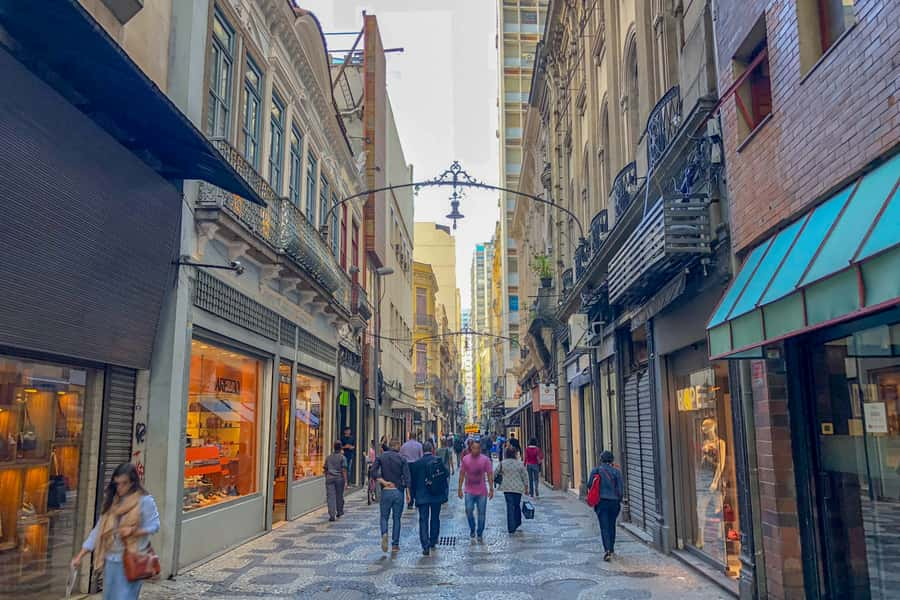
Rio’s downtown tells its story street by street. I like that this tour uses the subway to get you quickly into the historic core, then shifts into a guided walking loop where you actually notice details instead of just passing by. I also like the focus on big architecture hits you can see from the sidewalk, plus indoor stops like Confeitaria Colombo. One consideration: this is a lot of walking on uneven sidewalks and cobblestones, so it’s not a good match if you have mobility limits.
You’ll meet in the Copacabana area, ride the subway to Cinelândia, and spend about four hours absorbing what used to be the center of Brazil’s public life. The route is built for people who enjoy learning as they walk—and who don’t mind a bit of city bustle along the way.
In This Review
- Key things I think you’ll care about
- Starting in Copacabana and riding the subway downtown
- Cinelândia Station and the French-influenced streetscape
- Carioca Square stops: churches, a monastery, and the Naval Club area
- Praça XV to the Imperial Palace zone: monuments you can actually follow
- Confeitaria Colombo (1894): the indoor stop that keeps the tour human
- From Travessa do Comércio to Carmen Miranda’s former residence
- Cultural centers along the way: the Post Office, France-Brazil House, Bank of Brasil
- Candelária Church and the final downtown loop before heading back
- Price, group size, and why $79 can make sense
- Who should book this historical walking tour of downtown Rio?
- Should you book this tour?
- FAQ
- How long is the Rio historical walking tour?
- What does the tour include?
- Where does the tour start and end?
- What languages are the live guides?
- Which places are included during the walk?
- Is it okay if I use a wheelchair or have mobility issues?
- Can I cancel and get a full refund?
Key things I think you’ll care about
- Subway start, not a car ride: you get into downtown fast and keep the pacing real.
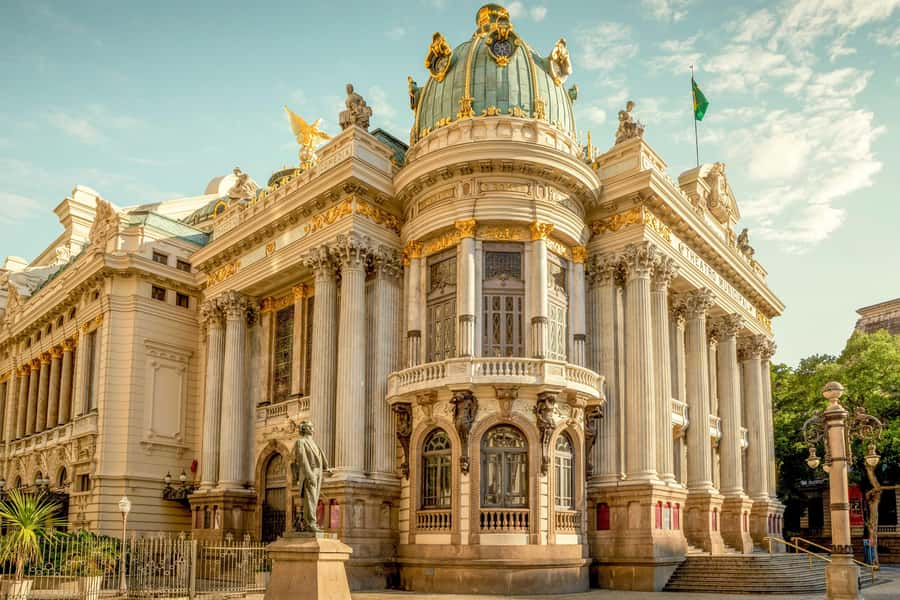
- Cinelândia’s French influence: you’ll be able to point out why this area looks the way it does.
- Praça XV and the Imperial Palace zone: you’ll see major civic monuments in one stretch.
- Confeitaria Colombo (1894) stop: a standout indoor break tied to Rio’s old-gold era.
- Cultural centers when open: France-Brazil House and Bank of Brasil Cultural Center depend on hours.
- A guide who takes questions seriously: guides like Lucien, Monique, Ernani, and Mathilda are praised for clear, detailed commentary and flexibility.
Old downtown Rio, a few more ways to see it
- Rio de Janeiro: Historic Rio and Santa Teresa Half-Day Tour★ 4.4 · 228 reviews
- Learn the History of Rio with an Unforgettable City Center Walking Tour★ 5.0 · 82 reviews
- Rio’s city walking tour: a glimpse of history and olympic legacy★ 4.5 · 78 reviews
- Olympic Boulevard, Museum of Tomorrow & Historical Rio★ 4.5 · 66 reviews
Starting in Copacabana and riding the subway downtown

This tour begins at the Copacabana Palace area (the Belmond Hotel) or a nearby meeting spot, then you get on the subway for the ride into downtown Rio. That detail matters more than you might think. Walking around central Rio is best when you don’t waste time trying to cross the city by taxi or fighting traffic. The subway also gives you a real sense of how Rio moves on a normal day.
Once you arrive at Cinelândia Station, the vibe changes quickly. You’re no longer in beach-and-palm mode. You’re in a government-and-theater part of town, where stone buildings, church facades, and formal squares make you slow down.
The tour is described as a small-group experience with a professional guide, and that’s a good setup for a walking route. It usually means less queueing, more chances to ask questions, and a better chance the guide can adjust when your group has ideas about what to focus on.
Cinelândia Station and the French-influenced streetscape
Cinelândia is where the tour sets your mental map. You start around the Cinelândia area, known for French architectural influence, and the guide helps you connect the look of the buildings to the story behind them. Even if you’re not an architecture nerd, this is an easy place to “read” the city. Wide streets and grand facades create a kind of stage set, and your brain automatically shifts from sightseeing to history.
You’ll also notice that Cinelândia is the kind of neighborhood where things sit in layers. Buildings of different eras share the frame. Your guide’s job here is to help you see the logic: why this district developed the way it did, and how it connects to Rio’s role as the country’s former capital.
Practical tip: since the group is moving, put your camera away for a minute when your guide is talking. You’ll get time to shoot, and you’ll understand what you’re photographing.
Carioca Square stops: churches, a monastery, and the Naval Club area
After Cinelândia, the walking route points toward Carioca Square. This is one of those stretches where religious buildings and civic institutions sit close enough that you can compare their forms and functions on foot. You’ll pass by the Naval Club, the Monastery Church of Santo Antônio, and the Ordem Terceira de São Francisco da Penitência.
Those names are long, but the payoff is simple: you’re seeing how Rio’s downtown used architecture to signal status. A church isn’t just a church here; it’s part of the city’s public identity. A club by the water isn’t just a building; it’s a clue about who had influence and what kind of life happened in this zone.
What I like about doing these stops with a guide is the pacing. If you try to do it alone, you can end up with a grab bag of churches and monuments. With the tour, each pass-by feels like an explanation continuing from the last one. You’re building a timeline while walking.
If you get a little tired, this is still a good section to keep your energy. The route stays close enough that you can catch your breath without losing the thread.
Still browsing Rio De Janeiro? These are the ones we go back to




Praça XV to the Imperial Palace zone: monuments you can actually follow
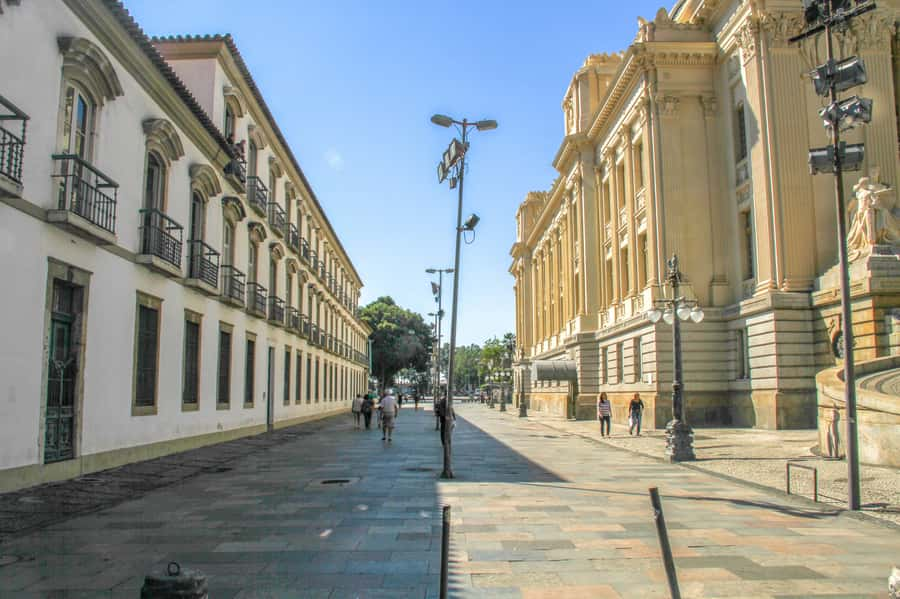
From Carioca Square, the tour heads toward Praça XV, including sights around the Imperial Palace. This is where downtown Rio starts to feel extra symbolic. Squares matter in cities like this because they’re where decisions play out and where crowds collect. You’ll also see the statue of General Osório and Mestre Valentim’s Fountain.
Again, the guide’s value is what you can’t easily see on your own: how these landmarks connect to the way the city governed itself and celebrated power. You’re not just looking at stone. You’re learning the roles the spaces played.
A great part of this section is that it stays very walkable. You’re in the historical core, and the stops are close enough that you’re not spending the best part of the tour in transit. The subway ride handles the long jump; the walking handles the detail work.
If you love photos, this is also prime time. Squares and official buildings give you clear sight lines.
Confeitaria Colombo (1894): the indoor stop that keeps the tour human
One of the most memorable stops is Confeitaria Colombo, built in 1894. This is not just a quick glance. The tour includes visiting it, and entrance is covered as part of the experience.
Why I think this stop works so well: it interrupts the constant outdoor walking. Even if you don’t plan on buying anything, stepping inside a historic café changes the rhythm. You get a chance to regroup and reset your attention. It also shows you a different side of downtown Rio: not just government and religion, but the everyday culture of people who met, talked, and spent time in classic spaces.
You’ll learn how this place fits into the broader story your guide has been building. If you’ve ever wondered how a city’s architecture reflects how people lived, this kind of stop gives you the answer without requiring a textbook.
One small caution: indoor time can be tight depending on crowds. If you’re the type who needs a long sit-down break, you might want to plan on using the time efficiently—watch the space, listen to the guide, then take a quick break.
From Travessa do Comércio to Carmen Miranda’s former residence
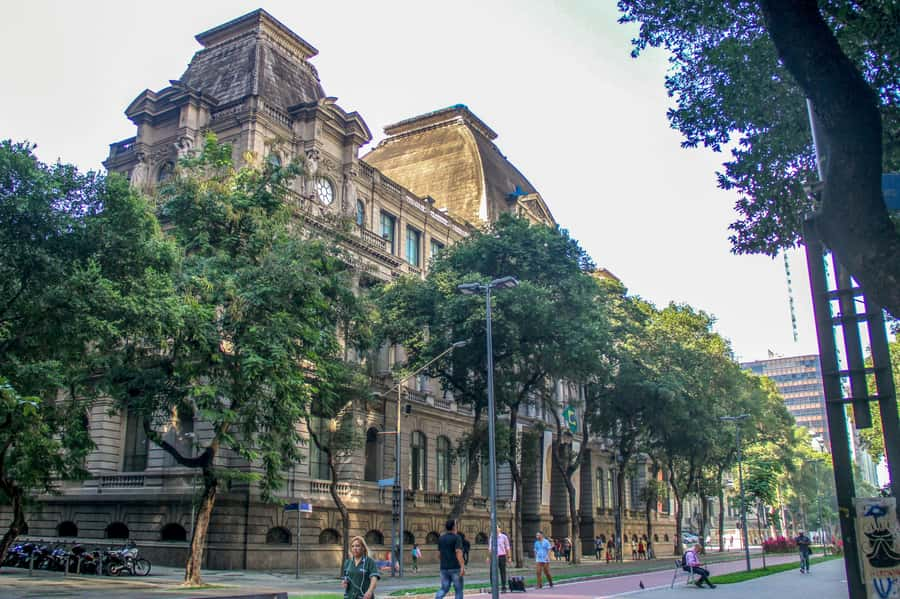
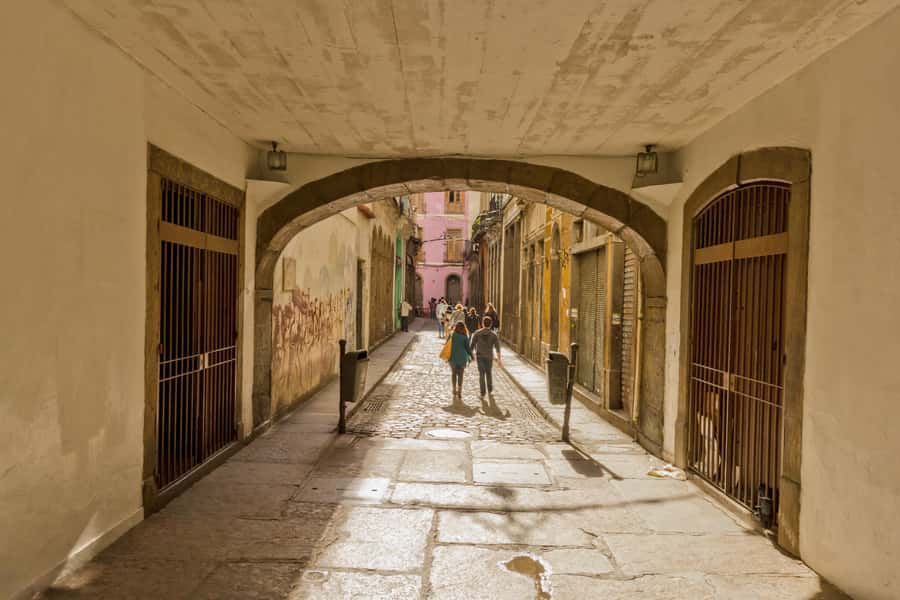
After Praça XV territory, you’ll head toward Travessa do Comércio, which is cobble-stoned. Walking on cobblestones slows you down in the best way. Your steps get careful. Your attention goes to the edges of buildings and the textures underfoot.
This is also where the tour connects downtown’s grand official sites with the more human stories of entertainment and memory. You’ll pass the former residence of Carmen Miranda, a meaningful detail that keeps the tour from feeling like an only-government-and-churchs itinerary.
That mix is a big part of the value here. Architecture tours can sometimes lean too formal. This one uses a star like Carmen Miranda to remind you that cities are made by artists as well as institutions.
Practical note: cobblestones can be slippery when wet. If the weather looks questionable, bring shoes with good grip.
Cultural centers along the way: the Post Office, France-Brazil House, Bank of Brasil
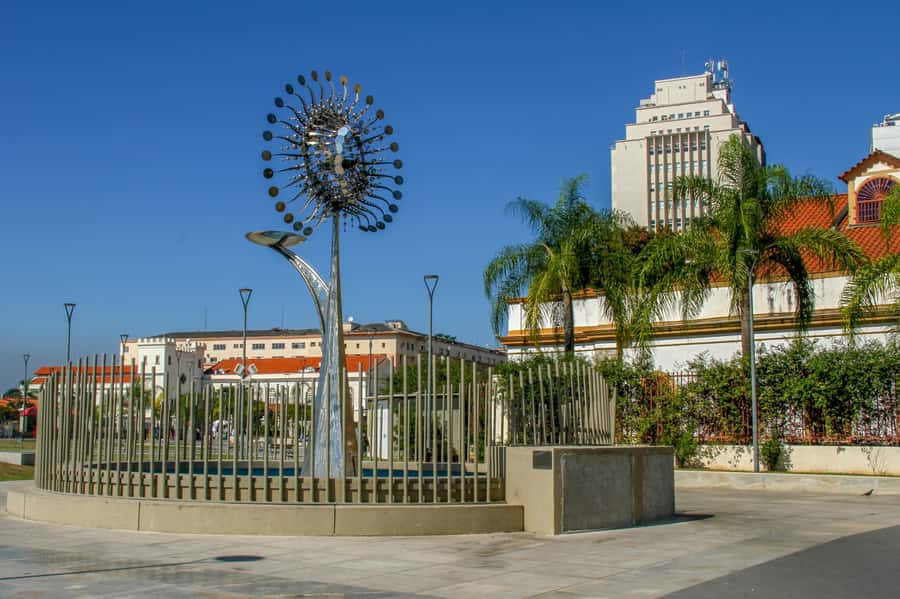
Downtown Rio has a knack for turning historic buildings into public cultural spaces, and this tour points you to several key ones. You’ll see the Church of Our Lady of the Merchants and the Post Office Cultural Center, and you’ll also visit the France-Brazil House when it’s open.
You’ll then make your way to the Bank of Brasil Cultural Center when it’s open. The fact that these visits depend on opening hours is built into the experience, so the guide will use what’s available during your time slot.
Why these stops matter: they show how Rio reuses important structures instead of only replacing them. You’re not just learning what a building used to be. You’re seeing what it’s for today.
The guide’s role here is to connect the dots. A cultural center is often more interesting when you know what it used to house, what kind of organization ran it, or why the building’s presence mattered.
If you’re trying to fit a lot into a limited time window, these indoor stops help you beat the “I saw a building, now what” feeling. You walk in with questions you didn’t know you had.
Candelária Church and the final downtown loop before heading back
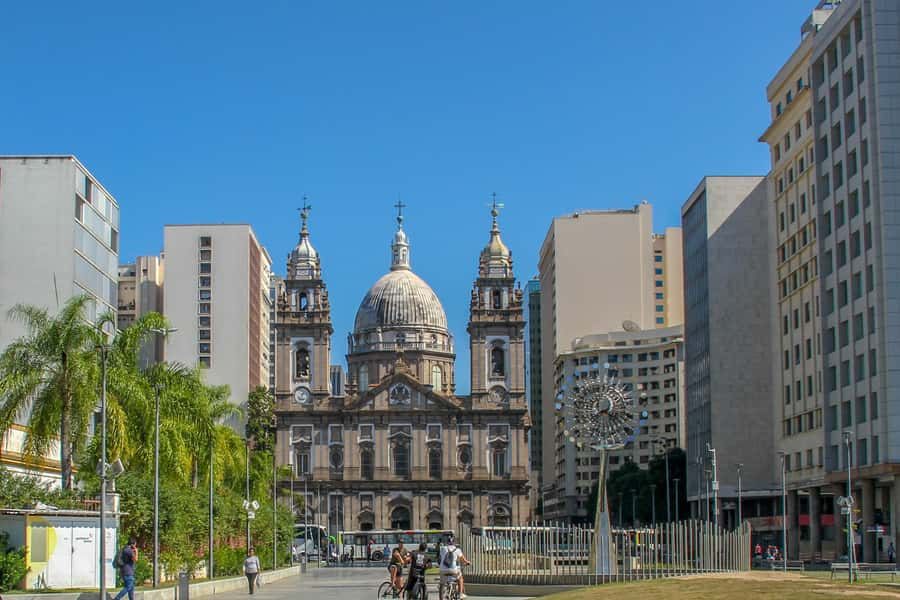
The tour finishes with a strong downtown anchor: Candelária Church. It’s included when open, and it’s one of those places where the guide’s narrative lands naturally. After touring government, commerce, entertainment, and cultural institutions, the church often becomes a symbolic wrap-up.
You’ll also spend time around Largo da Candelaria as part of the route. That area helps you understand the church’s place in the flow of downtown life.
When the tour wraps, you head back toward your hotel by subway. That closing detail is smart. It’s easy to get tired in a city center, and riding back together is smoother than trying to figure out transit at the end of your four hours.
Price, group size, and why $79 can make sense
At $79 per person for about four hours, this isn’t a cheap “quick photo walk.” But it also isn’t trying to sell you a long, expensive day. The value comes from what’s included: a professional guide, a small-group tour, entrance fees, and transport by subway.
Here’s how I’d think about it in real-life terms: if you tried to replicate this alone, you’d need local knowledge for the order of stops, and you’d likely pay for entrance tickets on top of your own transit costs. The guide compresses the learning time. You spend your energy walking and absorbing, not researching.
This tour is also a good match for people who want downtown Rio without the stress of building a route from scratch. The guide handles the connections—architecture to politics, buildings to civic life, squares to what they meant.
One more point: the guides have a reputation for engaging. Names like Lucien, Monique, Ernani, and Mathilda show up in the guide style descriptions, and the common thread is answering questions beyond surface details—often touching history, politics, and the economy of the country. That makes the tour feel like a conversation, not a monologue.
Who should book this historical walking tour of downtown Rio?
This one is best for you if you:
- enjoy walking and can handle uneven surfaces
- want to understand downtown Rio as a set of stories, not just a checklist
- like architecture and want a guide to explain what you’re seeing
- prefer learning while moving, with time for questions
It’s not a good fit if you have mobility impairments or use a wheelchair, since it’s not recommended for people with walking difficulties and involves cobblestones and extended walking.
If you’re traveling solo, this can still be a great option because a small group usually makes it easier to ask questions. If you’re with friends who want different interests—churches, squares, cultural centers—this routing style tends to satisfy more than one type of traveler.
Should you book this tour?
If your goal is a focused, four-hour hit of downtown Rio with guidance and key indoor stops, I think this is a solid choice. The combination of subway access, guided walking through landmark districts, and visits like Confeitaria Colombo (1894) makes it feel efficient without turning into a rush.
I’d skip it only if walking is hard for you or if you prefer a slower, self-paced wandering style. For everyone else, it’s an easy way to turn downtown Rio from confusing streets into a story you can follow.
FAQ
How long is the Rio historical walking tour?
The tour lasts 4 hours.
What does the tour include?
It includes entrance fees, a professional guide, a small-group tour, and transport by subway. Drinks and meals are not included.
Where does the tour start and end?
The tour starts in the Copacabana area (meeting options include Av. Atlântica, 1702, Copacabana Palace) and finishes back at Copacabana Palace, A Belmond Hotel.
What languages are the live guides?
The live tour guide speaks Spanish, English, and Portuguese.
Which places are included during the walk?
The tour includes stops/visits such as Cinelândia, Largo da Candelaria, Confeitaria Colombo, the Church of Our Lady of the Merchants, France-Brazil House when open, the Bank of Brasil Cultural Center when open, and Candelária Church when open.
Is it okay if I use a wheelchair or have mobility issues?
No. The tour is not suitable for wheelchair users and is not recommended for people with walking difficulties.
Can I cancel and get a full refund?
Yes. You can cancel up to 24 hours in advance for a full refund.
More Walking Tours in Rio De Janeiro






More Tour Reviews in Rio De Janeiro




More of Historic Downtown Rio




Fresh off the review desk: newer Rio De Janeiro tours we have been out on





Historic & Downtown Rio, compared.
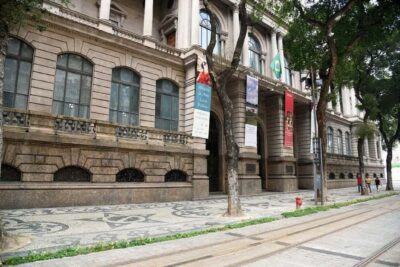 ★ 4.4Historic Rio and Santa Teresa Half-Day TourFrom $47228 reviews
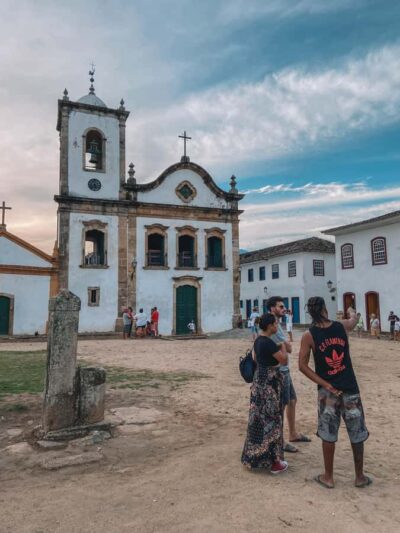 ★ 4.8Paraty: Historic Centre Walking Tour & Cachaça TastingFrom $1996 reviews
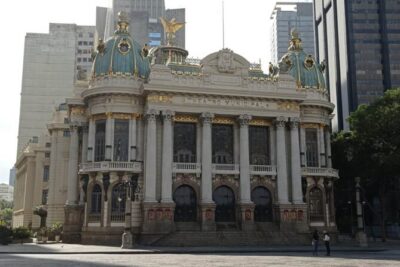 ★ 5.0Learn the History of Rio with an Unforgettable City Center Walking TourFrom $4982 reviews
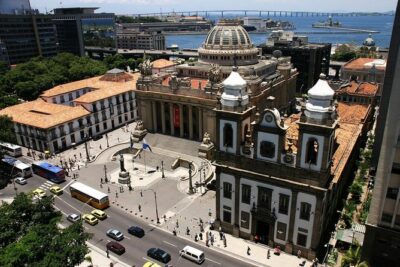 ★ 4.5Rio’s city walking tour: a glimpse of history and olympic legacyFrom $6078 reviews
 ★ 4.5Olympic Boulevard, Museum of Tomorrow & Historical RioFrom $7266 reviews
 ★ 4.5Olympic Boulevard, AquaRio and Museum of Tomorrow TourFrom $4954 reviews
 ★ 4.5Aqua Rio + Olympic Boulevard Tour – Rio de Janeiro by Pepe Rio ToursFrom $4554 reviews
 ★ 5.0Private walk tour of Paraty’s historical center – BY PARATY TOURSFrom $8049 reviews
Browse the lists this tour appears in