

Reviewed · TIJUCA FOREST & WATERFALLS
Rio de Janeiro: Tijuca National Park & Botanic Garden Tour
Rio goes green fast, right in the city. I especially love the scale of Tijuca National Park as a true urban rainforest, and the way the walk sets you up for Vista Chinesa panoramic views. One thing to plan around: the Botanical Gardens entry isn’t included, and conditions can affect what you’re able to see in Tijuca.
For a short trip, this is a smart way to get context as well as scenery. You’ll learn how Tijuca was created in 1861 by Pedro II to reforest land damaged by sugar cane and coffee plantations, then you’ll carry that story with you as you spot animals from a distance and hit key landmarks like Taunay Waterfall and the pink Mayrink Chapel. The second half shifts to the Botanic Garden’s plant collections, including bromeliads and orchids, where you’re looking at 7,000+ species—but you should budget time and extra money for garden admission.
In This Review
- Key highlights worth caring about
- A four-hour plan that fits Rio’s traffic and your energy
- Tijuca National Park: why this urban rainforest feels different
- Vista Chinesa: the viewpoint stop that makes the morning click
- Taunay Waterfall and Mayrink Chapel: landmarks that anchor your route
- When Tijuca conditions change: what to expect and how to stay flexible
- Botanic Garden: 7,000+ species, and what to look for
- Price and value: is $65 actually a good deal?
- Getting picked up, getting dropped off, and beating the stress
- What to bring (and why it’s not optional in a rainforest)
- Who this tour suits best
- Should you book this Tijuca + Botanic Garden tour?
- FAQ
- How long is the Rio de Janeiro Tijuca National Park & Botanic Garden tour?
- What is included in the price?
- Is entry to the Botanical Gardens included?
- Where do the hotel pickups take place?
- What languages are available for the live tour guide?
- Is the tour wheelchair accessible?
- When should I be ready for pickup?
- What should I bring for the tour?
- Can I cancel or pay later?
Key highlights worth caring about
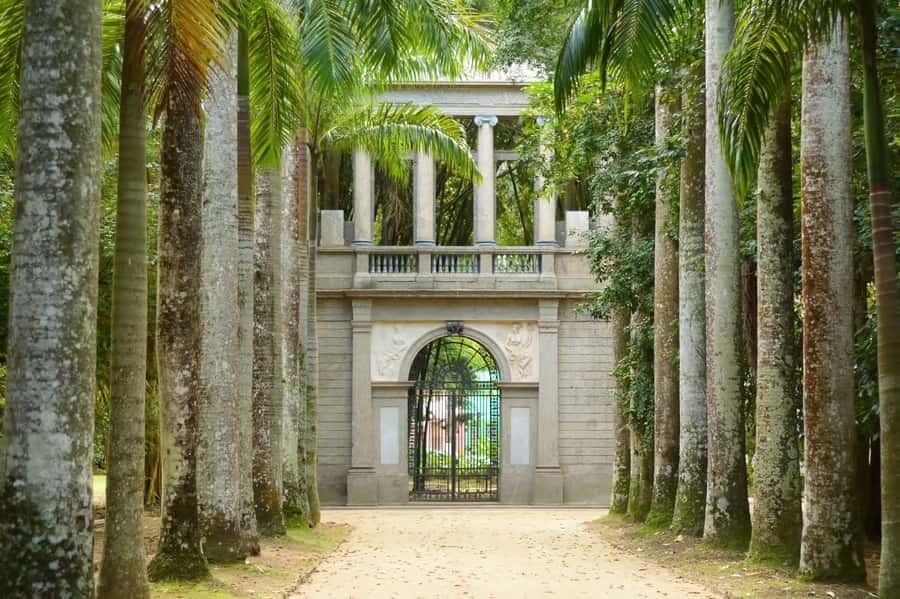
- Tijuca National Park’s urban-forest feel: rainforest plants and wildlife without leaving Rio
- Vista Chinesa viewpoint: big panorama that helps you understand Rio’s geography fast
- Mayrink Chapel and Taunay Waterfall: two iconic stops that make the walk feel anchored
- Pedro II’s 1861 reforestation story: the guide connects what you see to why it exists
- Botanic Garden collections: bromeliads, orchids, and native Brazilian flora in one place
Deeper into the Tijuca forest and its waterfalls
- Rio de Janeiro: Christ, Selaron Steps, and Tijuca Park Tour★ 4.7 · 857 reviews
- Rio de Janeiro: Guided Jeep Tour through Tijuca Rainforest★ 4.3 · 740 reviews
- Jeep Adventure: Guided Tour through Tijuca Rain Forest★ 4.0 · 554 reviews
- Rio: Tijuca Forest Small Group Hike to Caves and Waterfalls★ 4.9 · 536 reviews
A four-hour plan that fits Rio’s traffic and your energy
This tour is built for the real constraint of Rio: time. Four hours is long enough to experience a rainforest section of Tijuca and then still enjoy the Botanic Garden, but short enough that you’re not stuck all day if you want beach time, Christ the Redeemer later, or a night out.
I like that the pace is structured around visual “anchors.” You don’t just wander. You move from viewpoint to landmark—Vista Chinesa, Taunay Waterfall, and the Mayrink Chapel—then you shift gears into the calm of the Botanic Garden.
One practical note: the tour includes hotel pickup and drop-off, which saves you the headache of timing buses or taxis around traffic. In high season, though, the ride can take longer, so treat the four hours as a plan that can stretch a bit depending on city conditions.
Tijuca National Park: why this urban rainforest feels different
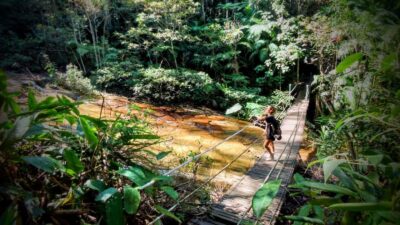
Tijuca National Park is one of the largest urban forests in the world, and it shows. As soon as you get into the trees, the city noise fades and you start noticing the texture of the landscape—lush trails, layered vegetation, and a sense that the forest is actively alive rather than just “scenery.”
You’ll get a clear explanation of the park’s origin: it was founded in 1861 by Emperor Dom Pedro II. The goal was reforestation after land was devastated by sugar cane and coffee plantations. That backstory matters because it reframes what you see from pretty greenery into a recovery success—forest growth you can walk through, not just admire from afar.
The guide also sets expectations for wildlife. Tijuca is home to small animals, including squirrels, monkeys, porcupines, foxes, armadillos, plus birds, butterflies, and reptiles. I like that you’re told to watch from a distance and not feed the animals. That protects the animals and it also keeps the experience enjoyable—feeding can turn a calm spot into chaos fast.
And yes, you might catch views to major Rio landmarks during the route. You may see a distant glimpse of Pedra da Gávea, along with the iconic Christ the Redeemer statue in the background on clear days. Even if clouds roll in, your guide will help you understand what you’re looking at from the forest edge.
Vista Chinesa: the viewpoint stop that makes the morning click
Vista Chinesa is the kind of stop that turns a walking tour into a “now I get Rio” moment. This is where the forest opens up and you’re rewarded with panoramic views. The viewpoint is worth your attention because it gives you scale—Rio’s hills, the urban spread, and the dramatic contrast between mountains and neighborhoods.
I like that Vista Chinesa sits naturally within the tour’s story. You’re not just doing a photo moment. You’re getting oriented. When later you look at the city from other viewpoints, you’ll recognize the shapes and understand how the geography lines up.
There’s also a practical side. If weather is iffy, a viewpoint can be the most frustrating place to stand—wind, mist, or rain can cut visibility quickly. In one example of how conditions can change, rain made the experience harder to appreciate, so it helps to bring weather-ready gear even if the forecast looks friendly.
Greener corners: the Botanical Garden and Parque Lage



Taunay Waterfall and Mayrink Chapel: landmarks that anchor your route
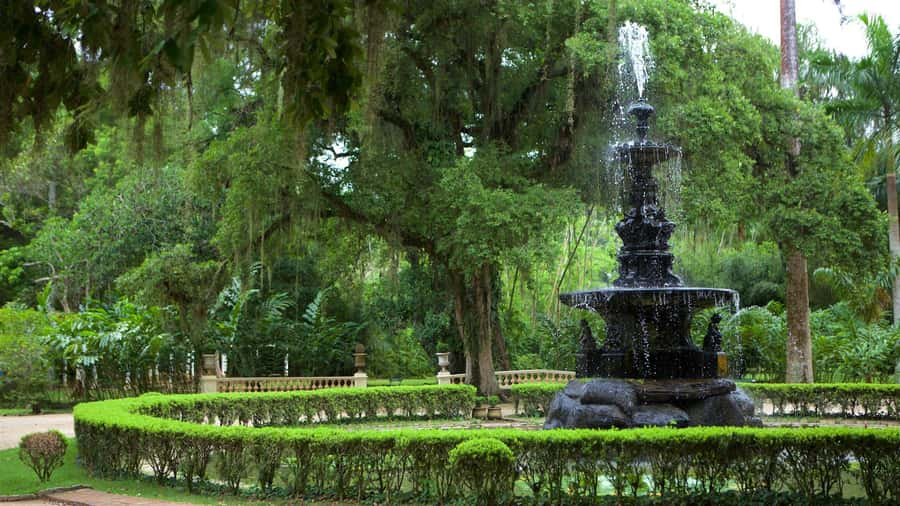
Two stops do a lot of work here: Taunay Waterfall and Mayrink Chapel.
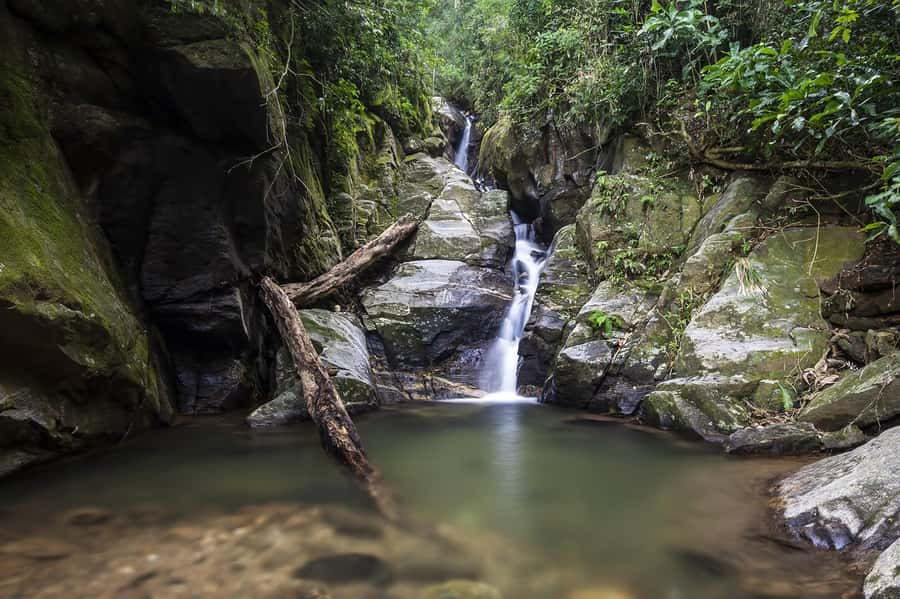
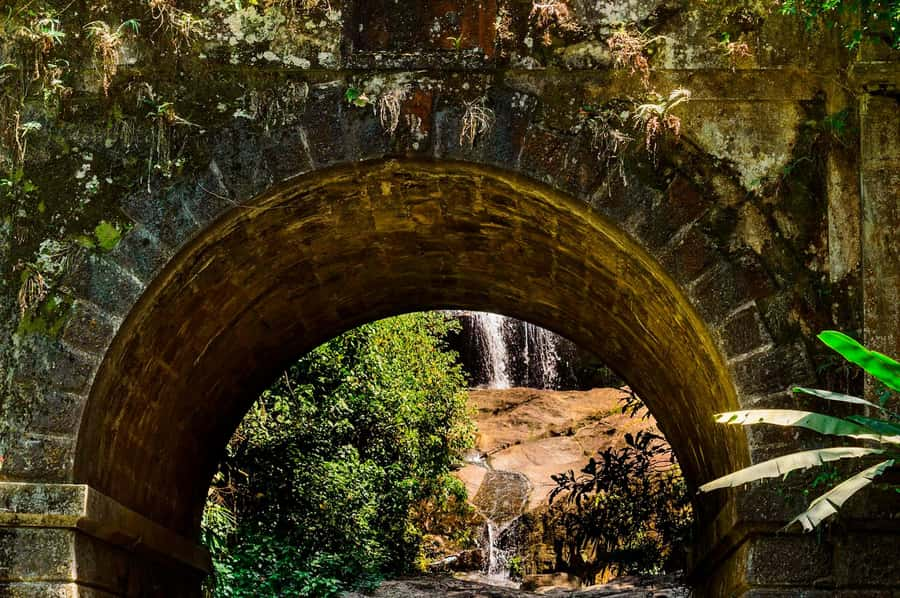
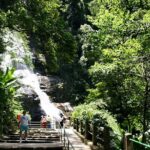
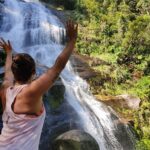
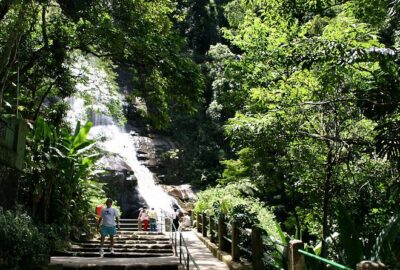
Taunay Waterfall is a clear visual goal. Instead of chasing scenery that can feel similar from trail to trail, you can focus on the cascading water and the sound it brings. On a damp day, water features often look stronger and feel more alive, but rain also means slick footing—so you’ll want stable shoes and careful steps.
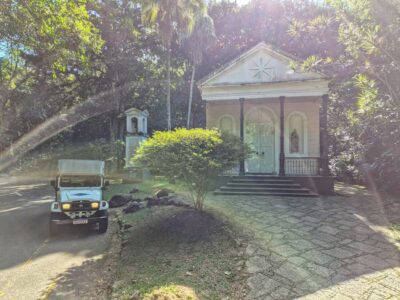
Then there’s the Mayrink Chapel, known for its distinctive pink façade. It’s a great contrast point: you’re in the middle of the forest, and suddenly you have a recognizable landmark that feels like it belongs to Rio’s human side of the story. The guide uses it as a reference point, which helps if you’re not a “read every sign” type of visitor.
These two stops also help with pacing. They create natural breaks and keep the tour from feeling like one long slog. In a compact four-hour format, that matters.
When Tijuca conditions change: what to expect and how to stay flexible
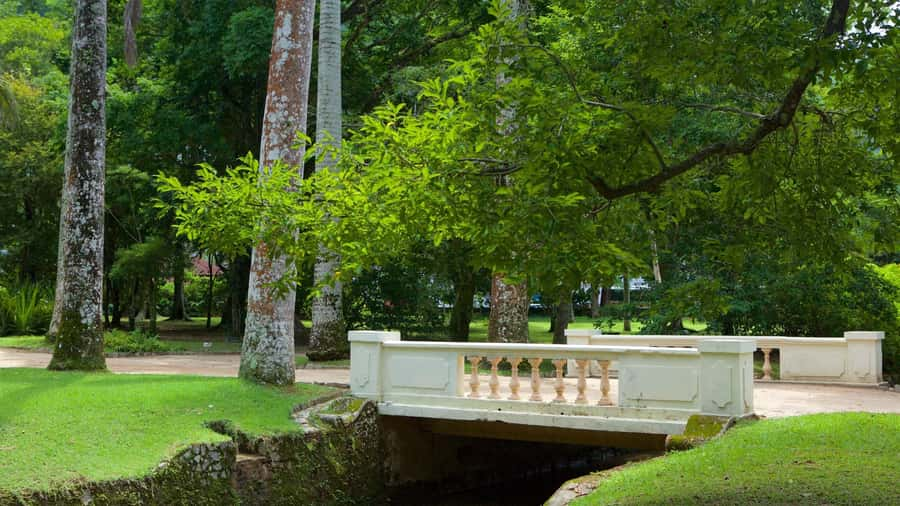
The plan centers on Tijuca National Park, but access can be affected. If the park is closed or the route can’t be followed as expected—something that can happen due to conditions—your guide may adjust the schedule.
In at least one real-world scenario, the Tijuca portion didn’t happen, and the group focused on the Botanical Gardens instead, followed by an informal extra stop outside the core plan. That’s not something you can control, but you can control how you prepare.
Here’s how I’d handle it:
- Bring rain-appropriate clothing. Even light rain can change what’s comfortable to enjoy.
- Keep your expectations grounded. The Botanic Garden portion is still part of the overall value.
- Plan for the possibility that you may need to handle Botanical Gardens admission on the day, since entry there is not included.
Botanic Garden: 7,000+ species, and what to look for
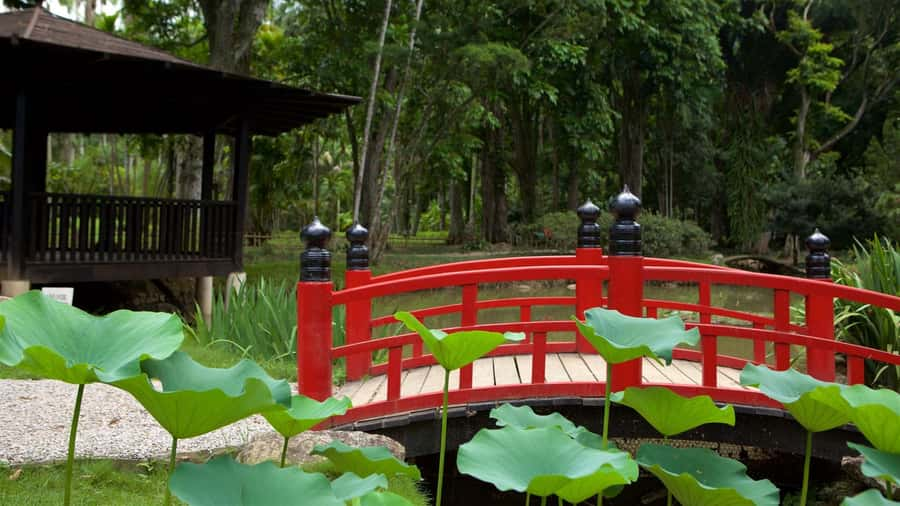
After the forest, you move into the calm of the Botanic Garden. This part is often the best “reset” for people who want nature without constant uphill walking. It’s also the tour’s education portion in plant form.
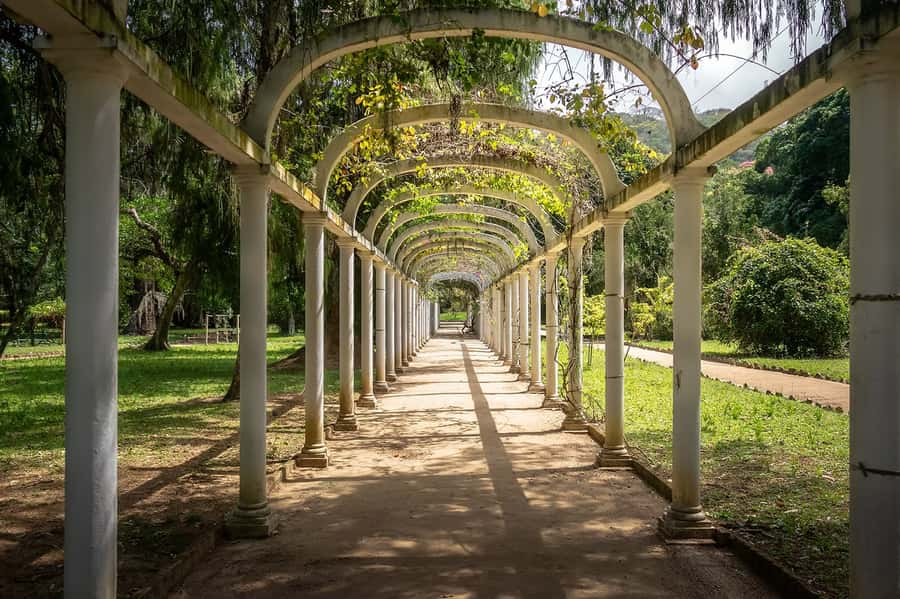
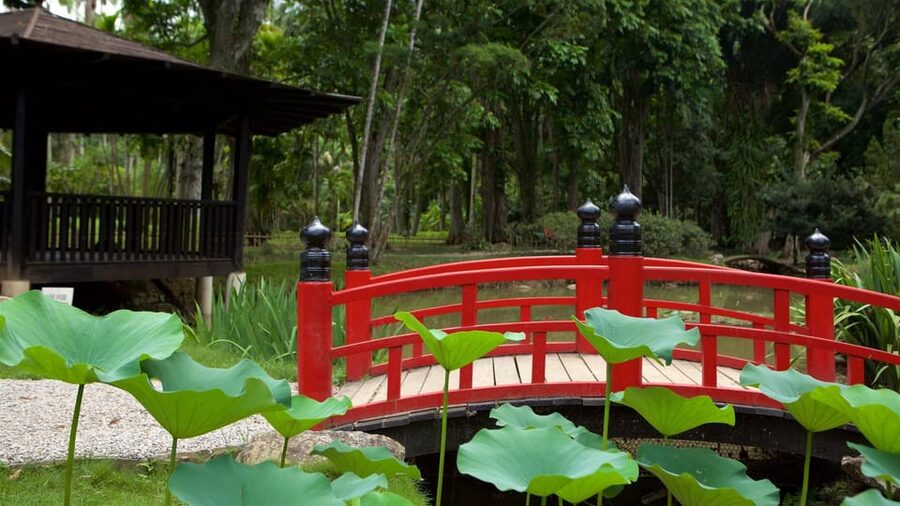
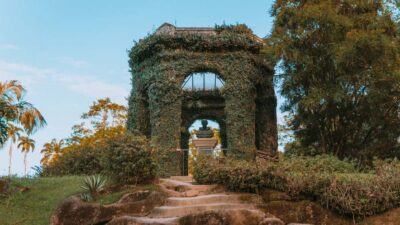
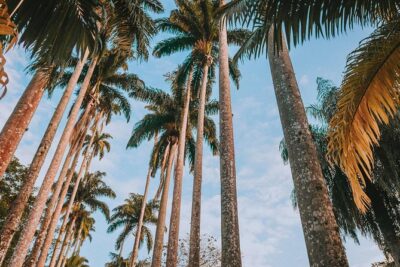
You’ll explore a collection with over 7,000 species of tropical plants, including bromeliads and orchids, plus native Brazilian flora. That variety is the point. You’re not just seeing one type of plant—you’re seeing how Brazilian ecosystems support different forms of life.
Since garden entry isn’t included, budget for it so there’s no surprise later. One issue that comes up is that people assume the garden ticket is already covered, then they’re asked to pay when they arrive. Avoid that friction by planning in advance.
What should you do while you’re there? Slow down just enough to observe patterns:
- How bromeliads collect water and grow in clusters
- How orchids can look delicate but still dominate their space
- How native plants often have a sturdier, more climate-appropriate structure than the ornamental look you might expect elsewhere
Even if you’re not a plant expert, the guide will help you notice differences you’d otherwise miss.
Price and value: is $65 actually a good deal?
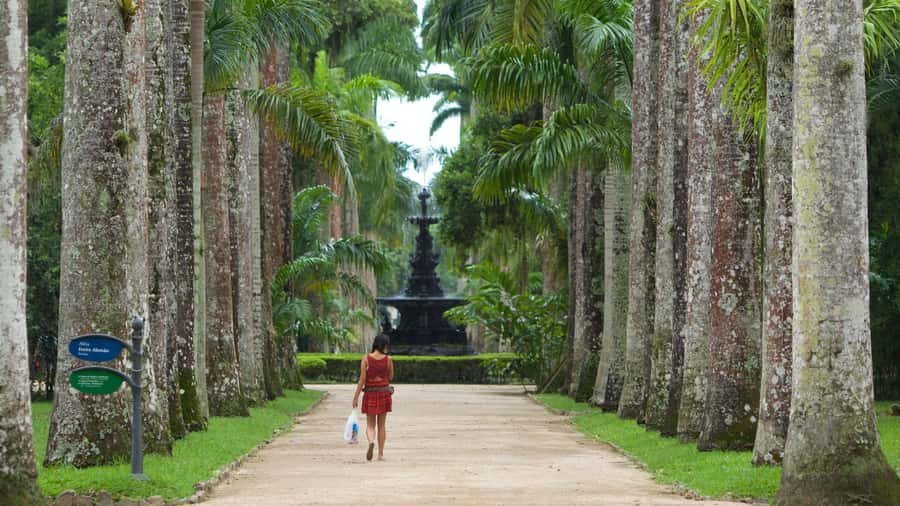
At $65 per person for about four hours, the value depends on what you compare it to.
You are paying for:
- Hotel pickup and drop-off
- A tour guide
- Entry ticket to Tijuca National Park
You are not paying for:
- Food and drinks
- Entry to the Botanical Gardens
That split is why I treat this as a “guided access” experience rather than an all-in-one ticket bundle. If you plan to visit Tijuca and you also want the Botanic Garden, the combination can be cost-effective compared with figuring out transport and separate admissions on your own.
If you’re only interested in the Botanical Garden, you’ll likely feel the price more strongly because the main paid value includes national park access and guidance, while the garden entry comes extra. On the other hand, if Tijuca is on your list, this tour structure is a practical way to get there with context.
Also keep in mind that you’re getting multilingual guiding support: English, Portuguese, Spanish, German, French, and Italian. That matters if you want explanations, not just movement.
Getting picked up, getting dropped off, and beating the stress
Logistics can make or break a short tour, and this one tries to remove friction.
Pickup works from most hotels in Leblon, Ipanema, Copacabana, Flamengo, and Centro, plus the cruise port. You should be ready in the lobby 10 minutes before the scheduled pickup time. That detail sounds small, but in a city like Rio it can keep you from missing the van and wasting your precious four hours.
Where traffic comes in: in high season, tours may take longer due to crowds and congestion. Your best move is to avoid scheduling something tight right after the tour ends. Leave slack, especially if you’re connecting to another viewpoint, a museum, or a dinner reservation.
What to bring (and why it’s not optional in a rainforest)
A rainforest tour asks for simple basics, not gear fantasies.
Bring:
- Sunglasses
- Sun hat
- Sunscreen
- Water
- Weather-appropriate clothing
I also recommend rain-friendly footwear and a light layer you can tolerate if the temperature drops under the trees. Even when the day looks sunny, forest conditions can feel cooler and damp.
And remember the wildlife rule: observe from a distance and don’t feed animals. This is one of those instructions that’s not about politeness—it’s about keeping wildlife wild and keeping your experience calm.
Who this tour suits best
This fits you if you want:
- A short guided nature outing in Rio that doesn’t swallow your whole day
- Clear stops with names you can remember: Vista Chinesa, Taunay Waterfall, Mayrink Chapel
- A guide-led explanation of how the park was restored after plantation damage in the 1800s
- Plant-focused time at the Botanic Garden with lots to see
It might be less ideal if you’re the kind of traveler who wants long, slow hiking hours. Four hours moves at a brisk but manageable pace, and the time can feel tight if you’re hoping for a deeper trek.
It’s also wheelchair accessible, and reduced mobility needs can be communicated in advance, which helps the provider plan the route and timing.
Should you book this Tijuca + Botanic Garden tour?
Yes—if you want an efficient, guided taste of Rio’s jungle side plus a structured plant-garden experience. I’d especially recommend it if you like having viewpoints and landmark stops built into the plan, and if you’re happy to plan for Botanical Gardens admission separately.
If your top priority is just one location, decide first which one matters most. For a pure Botanical Garden visit, you might want a garden-focused option. For Tijuca, the guided format and national park ticket inclusion are the strong reasons to book.
If you’re traveling during rainy weeks or trying to squeeze in a tight schedule, keep expectations flexible. Weather and access can shift. The good news is that the tour’s structure already includes a backup-friendly second half: the Botanic Garden.
FAQ
How long is the Rio de Janeiro Tijuca National Park & Botanic Garden tour?
The tour lasts 4 hours.
What is included in the price?
Hotel pickup and drop-off, a tour guide, and entry ticket to Tijuca National Park are included.
Is entry to the Botanical Gardens included?
No. Entry to the Botanical Gardens is not included.
Where do the hotel pickups take place?
Pickup is offered from most hotels in Leblon, Ipanema, Copacabana, Flamengo, and Centro areas, plus the cruise port.
What languages are available for the live tour guide?
The guide is available in English, Portuguese, Spanish, German, French, and Italian.
Is the tour wheelchair accessible?
Yes, the tour is wheelchair accessible.
When should I be ready for pickup?
You should be ready in the hotel lobby 10 minutes before the scheduled pickup time.
What should I bring for the tour?
Bring sunglasses, a sun hat, sunscreen, water, and weather-appropriate clothing.
Can I cancel or pay later?
You can cancel up to 24 hours in advance for a full refund, and you can reserve now and pay later to keep plans flexible.
More Tour Reviews in Rio De Janeiro






Gardens and Parks Worth the Detour




More of the Tijuca Forest



Fresh off the review desk: newer Rio De Janeiro tours we have been out on




Tijuca Forest & Waterfalls, compared.
 ★ 4.7Christ, Selaron Steps, and Tijuca Park TourFrom $68857 reviews
 ★ 4.3Guided Jeep Tour through Tijuca RainforestFrom $90740 reviews
 ★ 4.0Jeep Adventure: Guided Tour through Tijuca Rain ForestFrom $88554 reviews
 ★ 4.9Tijuca Forest Small Group Hike to Caves and WaterfallsFrom $69536 reviews
 ★ 4.7Paraty: Jungle Waterfalls and Cachaça Distillery Jeep TourFrom $37491 reviews
 ★ 4.5Half-Day Jeep Tour at Floresta da TijucaFrom $60353 reviews
 ★ 4.34-Hour Botanical Garden & Tijuca Forest TourFrom $51275 reviews
 ★ 4.5Rio de Janeiro Botanical Garden & Tijuca Forest TourFrom $55168 reviews
Browse the lists this tour appears in