
Reviewed · SUGARLOAF & CABLE CAR
Rio De Janeiro: SUGARLOAF MOUNTAIN HIKE & CLIMB
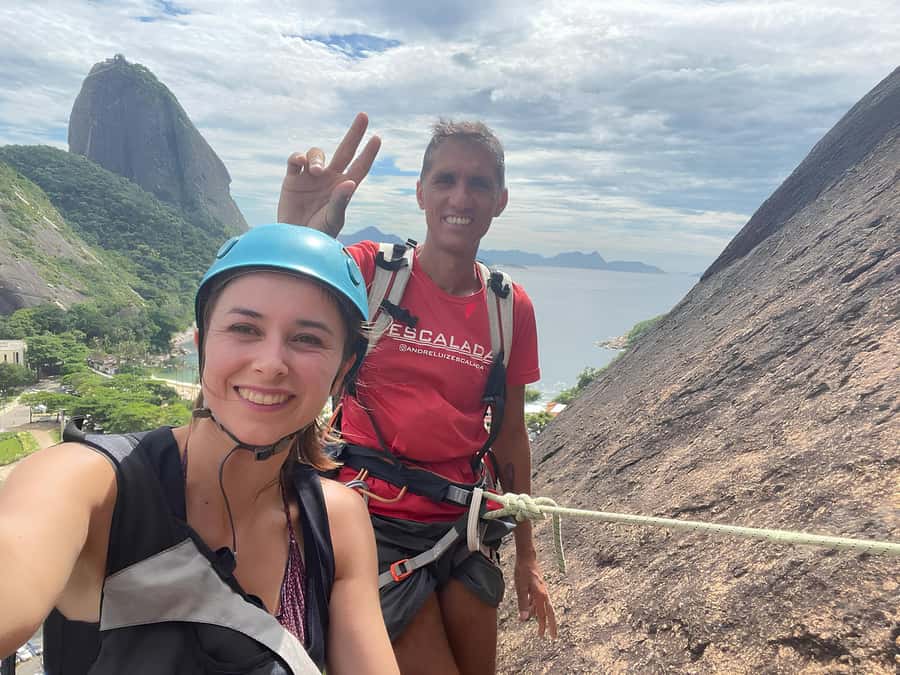
Sugarloaf feels different when you climb it. This 4-hour Sugarloaf Mountain (Pão de Açúcar) hike-and-climb puts you on the rock for real, not just looking at it from below, with André running the show and keeping the focus on safety and a good pace. I like that it’s a small group, so you actually get attention on the tricky steps, and the summit payoff feels earned.
What I really like is the mix of effort and support: you tackle a 20-meter vertical wall using climbing gear and an instructor who helps you place hands and feet, even if you’ve never climbed outside. Second, the route does more than deliver a photo moment. You’ll work through rocky passages in a nature reserve, possibly spot monkeys along the way, then pop out near the top for wide views over Copacabana and the Bay of Guanabara.
One consideration: this is still a steep, height-heavy hike with a real climbing segment, so you’ll want solid fitness and a steady head for exposure. If you get nervous on narrow, uneven rock, go in prepared and don’t pretend you’ll be fearless on day one.
In This Review
- Key things that make this climb worth it
- Why the Sugarloaf climb beats the cable car
- The rhythm of the morning: Urca trail, narrow rocky steps, then up
- What to watch for on the hike
- The 20-meter wall: how beginners make it through
- A quick mental tip
- Summit payoff: Copacabana, Guanabara Bay, and the monkey bonus
- Getting down: hiking downhill, with cable car support if you want it
- Why this descent approach is smart
- Fitness reality check: what “beginner friendly” really means
- What you’ll pay ($60) and why the price makes sense
- Practical tips that make the climb smoother
- Timing tip
- Who this tour is best for
- Should you book this Sugarloaf Mountain hike-and-climb?
- FAQ
- Do I need prior rock climbing experience?
- How long does the Sugarloaf hike and climb take?
- What’s the toughest part of the tour?
- How big is the group?
- What languages are available during the tour?
- Is a cable car ticket included for the way back?
- What should I bring?
- FAQ
- What should I do if I’m worried about the heights?
- Are children allowed on this tour?
- Can I bring pets?
- What should I wear?
- Do I need a special fitness level?
- What’s the expected difficulty if I’m not a confident hiker?
- What happens if weather isn’t ideal?
Key things that make this climb worth it
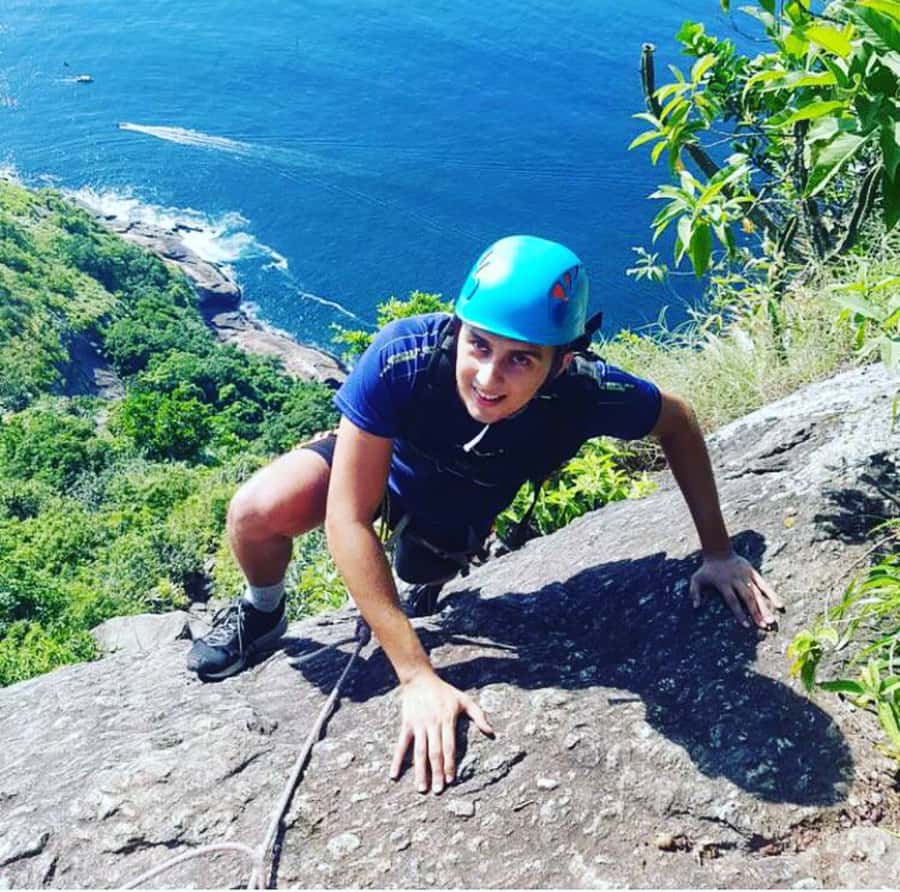
- Beginner-friendly rope technique: no prior climbing experience needed, but you do use certified equipment.
- A real vertical challenge: that standout section is about a 20-meter wall, not a token scramble.
- The hike adds the view: you earn the summit by moving through the nature reserve, not by only riding up.
- Early starts can mean fewer crowds: the top can feel calmer when you’re up before the rush.
- Small group attention: limited to 5 participants, which matters when footing gets technical.
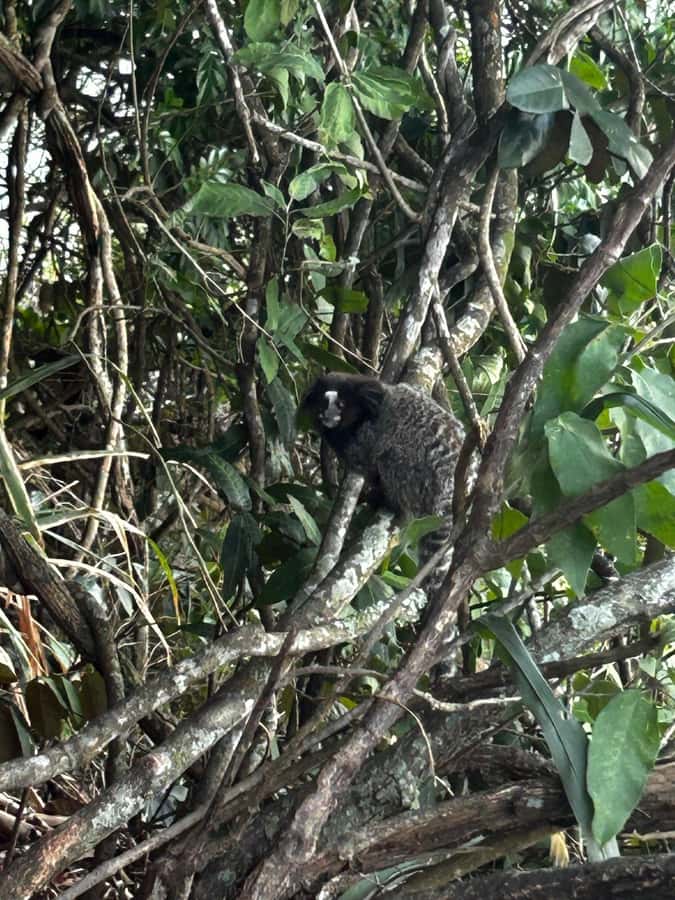
- Nature is part of the show: monkeys show up often enough to keep your eyes moving.
More cable-car and Sugarloaf runs we have taken
- Rio: Christ the Redeemer, Sugarloaf, Selaron & BBQ Lunch★ 4.5 · 2,428 reviews
- Skip the Line to Christ Redeemer, Sugar Loaf and Barbecue Lunch★ 4.0 · 593 reviews
- Rio de Janeiro: Christ the Redeemer and Sugarloaf Tour with…★ 4.6 · 499 reviews
- Rio: 5-hour Christ the Redeemer and Sugarloaf Express Tour★ 4.4 · 407 reviews
Why the Sugarloaf climb beats the cable car
Sugarloaf Mountain is famous because the views are world-class. But the cable car is basically the “best of the view” route. This tour adds the stuff that makes Rio feel like Rio: moving through the landscape, feeling the rock under your shoes, and watching the city change behind you as you gain height.
I love that the experience is built around a simple idea: you don’t need climbing background, you need good guidance. André’s job is to make the route readable—where to step, where to grip, and how to move when the trail gets narrow or slick. That changes how you experience the mountain. Instead of wondering if you’re capable, you’re busy learning the next move.
Also, it’s not only about the summit. The climb includes a “down first” section at the start, which feels odd until you realize what it does. It gets your legs warmed up on real ground and sets you up to appreciate the upward push later.
The rhythm of the morning: Urca trail, narrow rocky steps, then up
You start at the foot of Sugarloaf in Urca. Expect a short hike before things get interesting. This is where the tour moves from sightseeing to “okay, we’re doing this.”
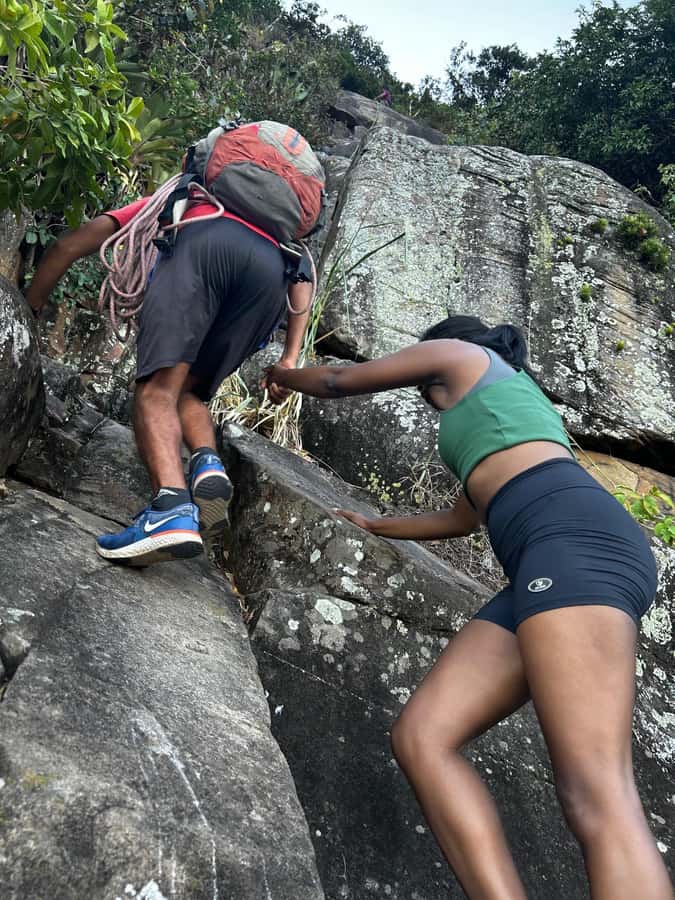
From there, you go down a narrow, challenging path through a nature reserve. It’s not a trail stroll. You’ll move along rocky terrain where footing matters, with tropical plants around you and careful steps required. The good news is the tour is designed so you’re not improvising. You’ll have an instructor with you who can call out the safest way through each section.
After the down-and-technical start, you switch to an upward grind. The terrain keeps changing: rocky passages, steeper sections, and moments where you’ll feel your calves working hard. This is where the group size helps—when there are only a few of you, guidance feels immediate.
What to watch for on the hike
The biggest practical factor is traction and confidence on uneven rock. If your shoes grip well, you’ll feel more in control. If you come in with worn soles or questionable footwear, you’ll spend the whole time thinking about slipping instead of enjoying the climb.
The tour is also a “head for heights” experience. Even when you’re not on the wall, you’re climbing above ground level with exposure. If you tend to freeze when you feel height, tell André early. He can help you slow down and focus on the next step instead of panicking about the total height.
Still browsing Rio De Janeiro? These are the ones we go back to





The 20-meter wall: how beginners make it through

This is the signature moment. The biggest challenge is a roughly 20-meter vertical wall, and it’s where climbing gear turns fear into a system.
You don’t need to know climbing knots or techniques from a gym. The equipment and the instructor do the heavy lifting. André walks you through how to handle the rope setup, and you’ll use climbing support to get up the wall safely. Think of it less like “figure it out” and more like “follow instructions and commit to the movement.”
I also like that the approach is motivational, not macho. You’ll still feel the wall is tough—no sugarcoating. But you’ll feel supported. When you’re tired or nervous, André’s role is to help you keep momentum without rushing you.
A quick mental tip
On a vertical wall, your brain wants to look at the summit and panic about distance. Instead, focus on the next handhold, the next foot placement, and the rope as your safety net. If you keep it micro, the wall becomes manageable.
Summit payoff: Copacabana, Guanabara Bay, and the monkey bonus

Once you clear the main challenge, the last approach to the summit is fewer steps but still feels meaningful. This is the part where you catch your breath and look around.
From up top, you get breathtaking views across Copacabana and the Bay of Guanabara. The city looks layered—urban blocks, coastline, and water all at once. It’s the kind of view that makes you stop talking for a minute.
And yes, nature shows up. Several experiences include seeing little monkeys while you’re moving through the reserve. Don’t expect a guarantee, but do keep your eyes up and around as you climb—Rio’s wildlife likes the same “green but dramatic” areas humans pick for trails.
Getting down: hiking downhill, with cable car support if you want it
The way back matters because it affects how you plan energy. The good news is you’re not forced into a full leg-day punishment.
The cable car ticket isn’t included for the way back, and the description notes you might use it if you don’t like to walk. In practice, André covers the first cable car down and then you continue with hiking downhill for the remaining portion. That means you still get the walking experience, but you’re not stuck paying for the whole return if your legs are done.
A couple of experiences also mention time ranges for the return depending on how your group moves, including a finish a bit under the full 4 hours when schedules align and the terrain conditions cooperate.
Why this descent approach is smart
Climbing up is the hard part. Downhill is where people lose confidence and start stepping too quickly. A split return—some cable car, some downhill hike—keeps the mood safer and more enjoyable. You get to savor the summit without worrying that you’ll be miserable by the end.
Fitness reality check: what “beginner friendly” really means
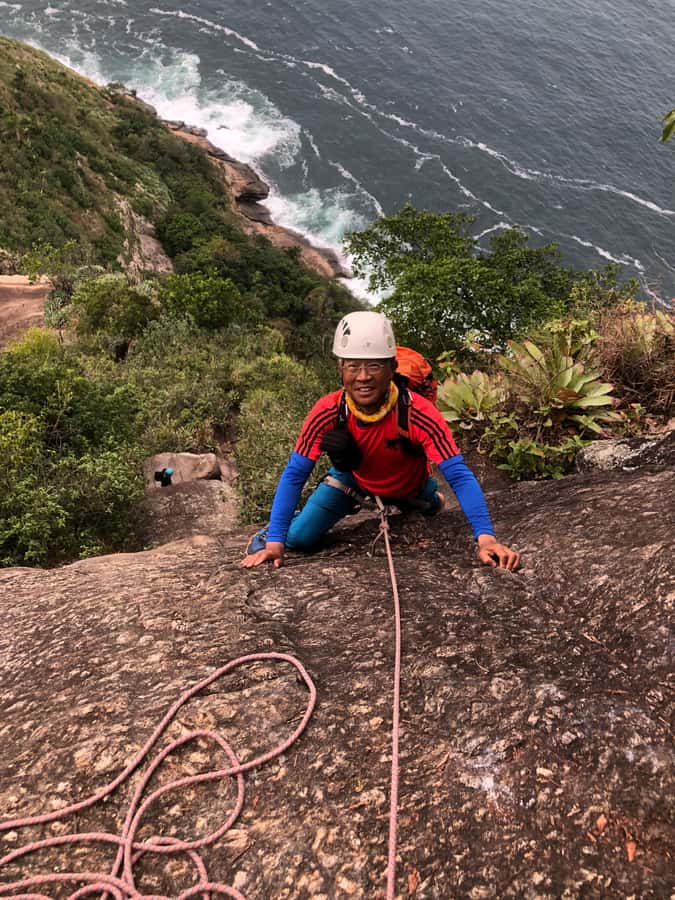
Beginner friendly doesn’t mean easy. It means the climbing section is structured, guided, and supported with equipment.
You do need a good level of fitness, and you’ll want to handle steep trail segments and uneven footing. The tour also isn’t for children under 18, and it’s not suitable for people with altitude sickness. Even if you’ve never climbed before, you should be comfortable with:
- Steep hiking for multiple hours
- Narrow rocky steps
- Heights and exposure
- A short but real vertical climb using ropes
If you’re someone who gets winded easily on stairs, you might still manage with pacing and breaks, but go into it honestly. This tour is about doing a challenging thing safely—not about collecting an effortless badge.
What you’ll pay ($60) and why the price makes sense
The price is $60 per person for a 4-hour guided hike and climbing tour, with certified equipment and an experienced guide included.
For this kind of activity in Rio, value comes from three things:
- Safety and gear are included. You’re paying for the equipment and the certified setup, not just someone walking beside you.
- You’re in a small group (up to 5). That affects how much attention you get on technical parts.
- You’re buying access to the right kind of route. The hike-and-climb route is more rewarding than just taking the cable car—because the trail and rock moments are the experience.
If you’ve got the time and you want your Sugarloaf moment to feel active, this is a solid use of money. If you want the easiest sightseeing version, you may prefer the cable car only.
Practical tips that make the climb smoother

Pack like you’re going on a real outdoor hike, not a city tour.
Here’s what I’d prioritize based on what you’re told to bring and what makes a difference on rock:
- Wear sturdy sports shoes with good grip (skip sandals and flip-flops).
- Bring water and a small energy snack. Beverages and snacks aren’t included.
- Use sunscreen and sunglasses. You’re exposed for stretches.
- Wear light, sporty clothing that lets you move.
- Keep it simple with no alcohol or drugs—those aren’t allowed.
Timing tip
Starting times can vary. André reaches out to schedule when you meet, and early starts can be a big advantage because they can help you reach the top before larger crowds.
Who this tour is best for
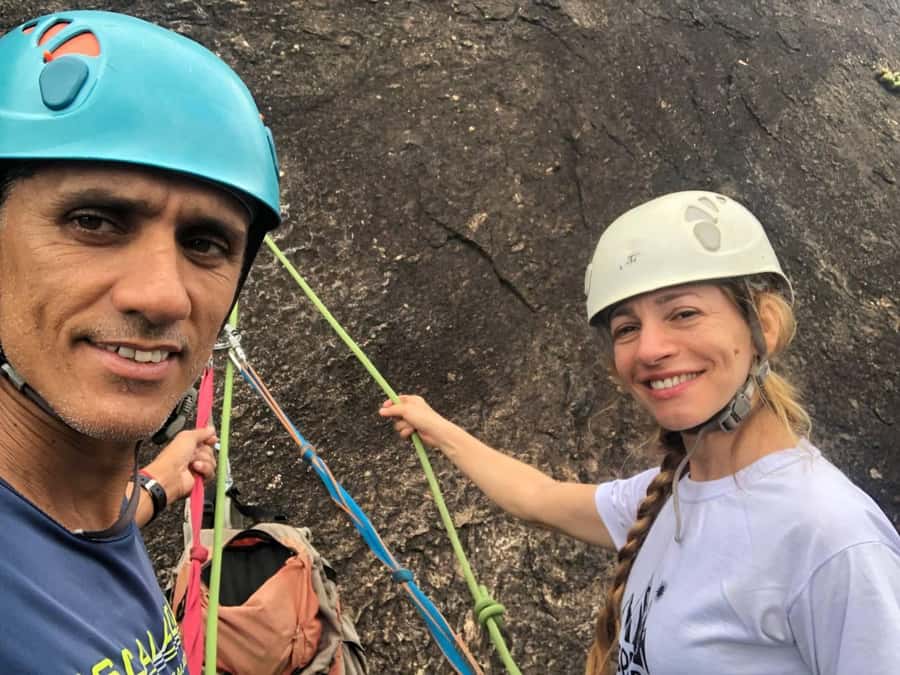
You’ll love this if you want adventure with structure. This is ideal for:
- Adults who are fit enough for steep hiking and don’t mind heights
- People who have never rock climbed before but want to try a guided version
- Anyone who cares about the route and not just the view
- Groups of friends who want a calmer experience with lots of attention
You should skip it if you:
- Have low fitness or struggle with steep terrain
- Know you freeze on exposed paths
- Need an easy, seated sightseeing option
- Are traveling with children under 18
- Have issues with altitude sickness
Should you book this Sugarloaf Mountain hike-and-climb?
I’d book it if you want Sugarloaf to be more than a photo. The combination of a guided route, the rope-assisted vertical wall, and that summit view over Copacabana and the Bay of Guanabara is exactly the kind of Rio moment that stays with you.
But be honest about the effort. This isn’t a casual walk, and the heights are real. If you’re prepared—good shoes, water, sunscreen, and the willingness to follow instructions—you’ll get a safe, memorable climb without needing prior experience.
FAQ
Do I need prior rock climbing experience?
No. The tour is designed for people who have never climbed outside. You’ll use climbing equipment and an experienced instructor will guide you through the wall and technical sections.
How long does the Sugarloaf hike and climb take?
It lasts about 4 hours.
What’s the toughest part of the tour?
The biggest challenge is a roughly 20-meter vertical wall, handled with climbing equipment and instructor support.
How big is the group?
It’s a small group limited to 5 participants.
What languages are available during the tour?
The instructor speaks Portuguese, Spanish, and English.
Is a cable car ticket included for the way back?
A cable car ticket for the way back is not included. You can choose to take it if you don’t want to walk, and André covers the first cable car down in practice based on past experiences.
What should I bring?
Bring food and drinks (water and a snack are important), sunscreen, sunglasses, comfortable clothes, and sports shoes. Sandals and flip flops aren’t allowed.
FAQ
What should I do if I’m worried about the heights?
Tell André early. The tour is built around step-by-step guidance, and the climb is supported with equipment during the wall section.
Are children allowed on this tour?
No. It’s not suitable for children under 18.
Can I bring pets?
Pets aren’t allowed.
What should I wear?
Light, sporty clothing and sturdy sports shoes. Avoid sandals or flip flops.
Do I need a special fitness level?
Good fitness is required because the hike is steep and includes rocky passages plus a vertical climbing segment.
What’s the expected difficulty if I’m not a confident hiker?
You’ll still likely manage with guidance, but expect steep sections and narrow rocky areas. If you’re easily scared or get worn out quickly, take that into account before booking.
What happens if weather isn’t ideal?
The tour is weather-dependent, and the guide may reschedule the climb if conditions aren’t suitable.
More Hiking & Trekking in Rio De Janeiro






More Tour Reviews in Rio De Janeiro






Sugarloaf and the Cable Car, Keep Going





Fresh off the review desk: newer Rio De Janeiro tours we have been out on





Sugarloaf & Cable Car, compared.
 ★ 4.6Sugarloaf Cable Car Official TicketFrom $462,873 reviews
 ★ 4.5Christ the Redeemer, Sugarloaf, Selaron & BBQ LunchFrom $692,428 reviews
 ★ 4.0Skip the Line to Christ Redeemer, Sugar Loaf and Barbecue LunchFrom $113593 reviews
 ★ 4.6Christ the Redeemer and Sugarloaf Tour with…From $141499 reviews
 ★ 4.45-hour Christ the Redeemer and Sugarloaf Express TourFrom $109407 reviews
 ★ 4.8Christ the Redeemer Early Access and SugarloafFrom $125404 reviews
 ★ 4.5Two of Rio’s Best: Christ the Redeemer & Sugarloaf Mountain Half-Day TourFrom $118294 reviews
 ★ 4.0Sugarloaf Cable Car and Corcovado Train TicketsFrom $86267 reviews
Browse the lists this tour appears in