

Reviewed · SUGARLOAF & CABLE CAR
Rio de Janeiro: Sugarloaf Mountain Hike and Climb
Sugarloaf Mountain in Rio is famous for a cable car ride. This version adds something better: earning your panoramas with a guided hike and a real climbing section on Pão de Açúcar. You also follow the kind of route that’s been used since the early 1800s, with multiple lookouts along the way.
Two things I really like about this experience are the breathtaking viewpoints over Rio (and even toward Niterói) and the practical climbing coaching you get from guides such as Sergio, Thomas, and Didi. The climb doesn’t feel like a leap into the unknown; you’re guided through handholds and foot placements while you use certified equipment.
One consideration: this is not a casual stroll. You’ll face steep scrambling and a 20-meter vertical wall, and it’s not recommended if you have heart complaints or other serious medical conditions.
In This Review
- Key highlights you will feel right away
- Why hike Sugarloaf Mountain (Pão de Açúcar) instead of just riding up?
- Meeting at Praça Gen. Tibúrcio near the obelisk, then a quick jump to the first payoff
- The trail to the belvederes: stone ramps, technical footing, and built-in pauses
- The 20-meter vertical wall: what basic climbing feels like on day one
- From Pedra Filosofal to the summit: Copacabana, Pedra da Gávea, Morro Dois Irmãos
- Cable car descent to Urca Hill: the perfect finish for tired legs
- What about monkeys, weather, and safety on the trail?
- What you should bring (and wear) so you don’t waste energy
- Price and value: is $68 worth it for a half-day?
- Who this tour suits best (and who should rethink it)
- Should you book the Sugarloaf hike and climb?
- FAQ
- How long is the Rio de Janeiro Sugarloaf hike and climb?
- Where do we meet the guide?
- Is hotel pickup included?
- What climbing equipment is provided?
- What should I wear and bring?
- Is the tour suitable if I have heart problems?
- Does the route ever change due to weather?
Key highlights you will feel right away
- A hike up Sugarloaf Mountain (Pão de Açúcar) instead of only a viewpoint stop
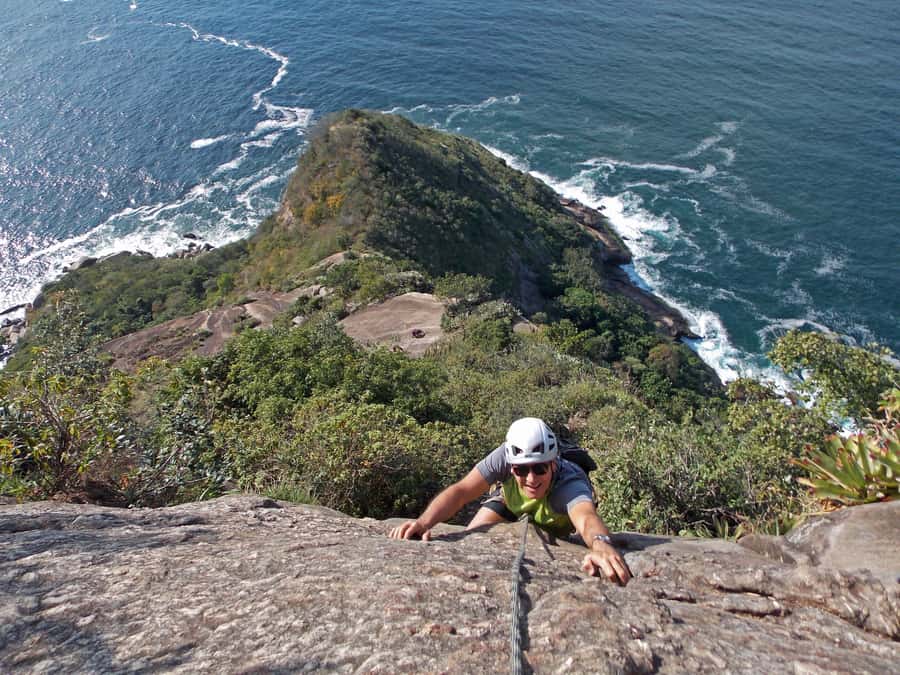
- Basic rock climbing practice on a 20-meter vertical wall with certified gear
- Multiple scenic belvederes, including lookouts toward Guanabára Bay and Niterói
- Big Rio geography in one morning: Copacabana, Pedra da Gávea, Morro Dois Irmãos
- Wild monkeys on the trail, so keep your eyes up as well as on your footing
More cable-car and Sugarloaf runs we have taken
- Rio: Christ the Redeemer, Sugarloaf, Selaron & BBQ Lunch★ 4.5 · 2,428 reviews
- Skip the Line to Christ Redeemer, Sugar Loaf and Barbecue Lunch★ 4.0 · 593 reviews
- Rio de Janeiro: Christ the Redeemer and Sugarloaf Tour with…★ 4.6 · 499 reviews
- Rio: 5-hour Christ the Redeemer and Sugarloaf Express Tour★ 4.4 · 407 reviews
Why hike Sugarloaf Mountain (Pão de Açúcar) instead of just riding up?

Sugarloaf is the kind of place where people rush for the postcard shot. This hike changes the rhythm. You start on Urca Hill and work your way upward step by step, which makes every view feel earned instead of handed to you.
The payoff is that you get panoramic perspectives in layers. Rather than one view from one platform, you collect lookouts across the trail. You’ll also notice how the coastline and the bay shape the city, especially when you’re angled toward Guanabára Bay.
And yes, the climb part is real. You’re not just holding a railing while a guide tells you stories. There’s a 20-meter tall vertical wall and you’ll be taught basic climbing skills before you go for it.
Meeting at Praça Gen. Tibúrcio near the obelisk, then a quick jump to the first payoff
You meet at Praça Gen. Tibúrcio, 75, Urca, near the obelisk. Plan to show up a bit early so you’re not standing around when your group is ready to move.
If you booked pickup, you’ll be collected from many hotels in the South Zone and Downtown Rio. There are some areas that aren’t eligible for pickup (like Barra da Tijuca, Recreio, São Conrado, and Santa Tereza), but the activity still offers an established pickup route to get you close to the starting point.
After you get moving, you’ll reach a first lookout fast—about 20 minutes—with spectacular views over the entrance to Guanabára Bay and toward Niterói. It’s a great moment to get your bearings fast, catch the light, and start thinking about what you’ll see later from the higher points.
The trail to the belvederes: stone ramps, technical footing, and built-in pauses
Once you’re past the initial lookout, the hike becomes more technical. Expect more scrambling and uneven ground than a smooth scenic walk. The path can include stone ramps that require attention, not just energy.
Along the way, you’ll hit several belvederes—small scenic stops where the views open up and you can pause. This is a smart design for a morning like this. When you’re working harder physically, you want frequent chances to reset your breathing and take photos without feeling like you must sprint between viewpoints.
The best advice here is simple: treat the trail like the main attraction. Yes, you’re chasing Sugarloaf’s summit. But the “in-between” lookouts are where the hike feels special, because you can see Rio unfolding behind you as you gain elevation.
Still browsing Rio De Janeiro? These are the ones we go back to




The 20-meter vertical wall: what basic climbing feels like on day one
This is the part that makes this tour more than a hike. You’ll practice a guided, intro-level rock climbing challenge that includes a 20-meter vertical wall.
You’re not expected to be an expert. Certified climbing equipment is included, and guides help you with where to place your hands and feet. In past groups, guides like Sergio, Thomas, and Didi were praised specifically for being encouraging and for pointing out the right holds so beginners didn’t feel stuck.
What does that mean for you in real terms?
- You’ll climb using safe setups and guide direction, not guesswork.
- The wall is tall enough to feel exciting, but the coaching aims to make it understandable.
- Safety and pacing matter, especially if you’re new to heights or unsure of your balance.
If you’re nervous about heights, don’t hide from it. Just take it one move at a time and listen carefully. The guide’s job is to translate the wall into something your body can do.
From Pedra Filosofal to the summit: Copacabana, Pedra da Gávea, Morro Dois Irmãos

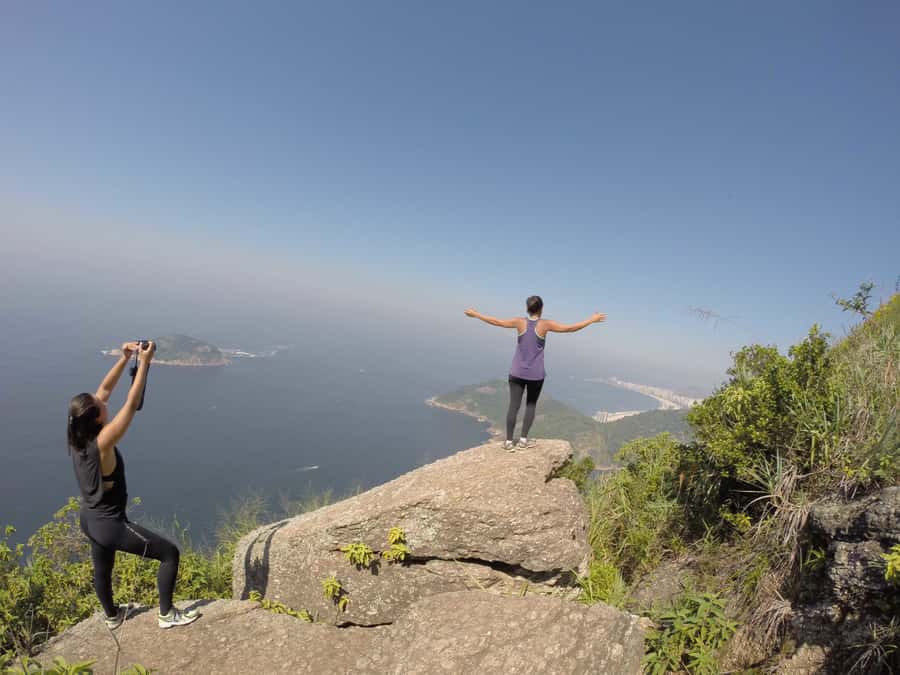
When you reach Pedra Filosofal, the views tend to land all at once. This is where you soak in a broad panorama across Copacabana Beach, with sights extending toward Pedra da Gávea and Morro Dois Irmãos.
These names might sound like geography class. Up here, they snap into context. You start understanding how Rio’s neighborhoods and coastlines align with each other, and why people obsess over these angles in photos.
From there, you continue to the summit of Sugarloaf Mountain. You’ll finally get the classic wide view, but it’s different because you’ve been working for it the whole time. When you’re standing there, the climb feels like a backstory, not a chore.
One note from real-world experience in similar groups: for many people, getting to the top takes around 2.5 to 3 hours of climbing/hiking time, depending on pace and how much time you spend photographing.
Cable car descent to Urca Hill: the perfect finish for tired legs
After the summit, you descend by cable car back down to Urca Hill. This is a nice balance. You get the exertion of the climb and hike, then you finish with an easier, scenic ride that lets your legs recover.
It also changes your perspective as you come down. From above, Rio looks like a giant geometry puzzle. On the cable car descent, those shapes stretch and soften, and you can look back at the route you just earned.
If you still have energy after your ride down, it can be a good time to grab a simple snack or walk around near Urca. Even if you don’t plan anything big, you’ll feel like you got a real morning workout without losing your whole day.
What about monkeys, weather, and safety on the trail?
Nature is part of the experience here. The tour includes the possibility of encountering monkeys in the wild. In particular, some people spot them on the hike—often during the return portion—so keep an eye on the trail edges while you’re walking.
Weather matters too. The itinerary and order of sightseeing can change due to weather or adverse conditions. That’s not a scam; it’s a reality with mountain terrain. If the conditions aren’t good, the guide may adjust the sequence for safety and timing.
On the safety side, the tour includes personal accident insurance and certified climbing equipment. You’re also told to avoid alcohol or drug use before or during the activity, and possession of weapons isn’t allowed.
The tour isn’t recommended if you have heart complaints or other serious medical conditions. If you’re unsure, treat that guidance seriously.
What you should bring (and wear) so you don’t waste energy
This is one of those tours where gear choices can make the day smoother.
Bring:
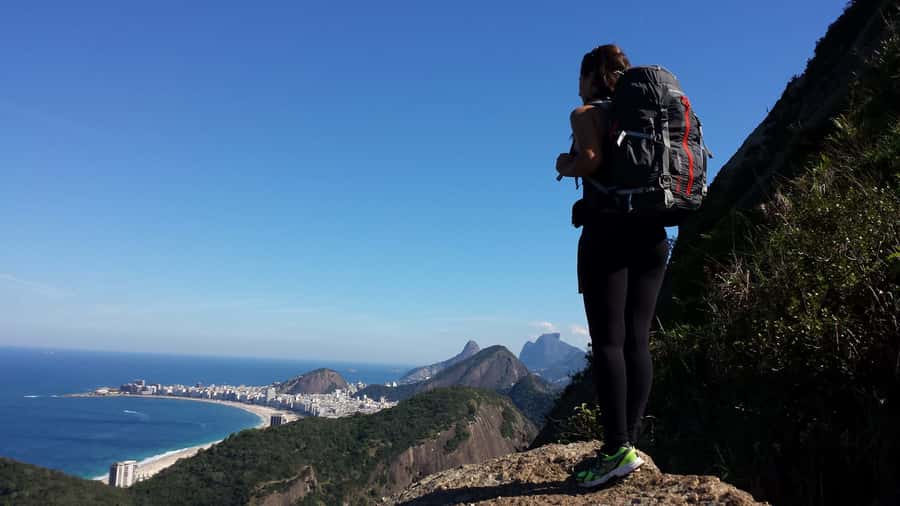
- Water (3 liters is recommended)
- A daypack
- A light snack and sunscreen
Wear:
- Comfortable footwear with a good grip
- Shoes, not sandals
Not allowed:
- Sandals or flip flops
- Pets
- Luggage or large bags
My practical take: if your shoes don’t grip well, you’ll feel it fast on rocky ramps and scrambling sections. Choose something you can trust on uneven ground.
Price and value: is $68 worth it for a half-day?
At $68 per person for about 4 hours, you’re paying for three things at once: guided hiking, a real climbing session with certified equipment, and a structured experience that takes you to multiple high-impact lookouts.
If you only ride the cable car, you get one major viewpoint and call it a day. Here, you’re paying more because you’re getting the effort-to-view ratio in your favor: you climb, learn, and then still finish with the cable car descent.
It also helps that the guides are bilingual and often praised for safety and encouragement. People specifically highlighted how guides like Sergio, Thomas, Eduardo, and Didi helped beginners find handholds and foot placements, and that they kept the pace manageable.
Who this tour suits best (and who should rethink it)
This works best for you if:
- You want an active morning with real climbing practice.
- You’re comfortable with heights and uneven trails.
- You’re okay with steep, technical hiking segments before the wall.
You should rethink it if:
- You have heart complaints or serious medical conditions.
- You’re not comfortable with heights or scrambling.
- You’re expecting an easy viewpoint walk with no technical sections.
Based on the way this tour is described and how it’s been experienced by mixed fitness levels, it’s a good fit for adventurous hikers who want a guided intro to climbing—not necessarily for people chasing a gentle stroll.
Should you book the Sugarloaf hike and climb?
If you like your Rio days to be active and memorable, I’d book it. This is one of the best ways to experience Sugarloaf beyond the cable-car crowd: you get sweeping views, a guided 20-meter wall climb, and that satisfying feeling of reaching the summit under your own power.
Just be honest with yourself about effort and safety. If steep scrambling and a vertical wall would stress you out (or if you have a heart condition), choose a different Sugarloaf plan. If not, this is a strong value adventure with clear coaching and a finish that feels earned, not exhausting.
FAQ
How long is the Rio de Janeiro Sugarloaf hike and climb?
The tour lasts about 4 hours.
Where do we meet the guide?
You meet at Praça Gen. Tibúrcio, 75, Urca, near the obelisk.
Is hotel pickup included?
Hotel pickup is optional. Pickup is available from most hotels in the South Zone and Downtown Rio (Barra da Tijuca, Recreio, São Conrado, and Santa Tereza are not eligible).
What climbing equipment is provided?
Certified climbing equipment is included, along with a bilingual guide who leads the hike and climb.
What should I wear and bring?
Wear comfortable footwear with good grip. Bring water (3 liters recommended), a daypack, a light snack, and sunscreen. Sandals or flip flops aren’t allowed.
Is the tour suitable if I have heart problems?
No. It’s not recommended for people with heart complaints or other serious medical conditions.
Does the route ever change due to weather?
Yes. The itinerary and order of sightseeing may change due to weather and/or adverse conditions.
More Hiking & Trekking in Rio De Janeiro






More Tour Reviews in Rio De Janeiro






Sugarloaf and the Cable Car, Keep Going





Fresh off the review desk: newer Rio De Janeiro tours we have been out on





Sugarloaf & Cable Car, compared.
 ★ 4.6Sugarloaf Cable Car Official TicketFrom $462,873 reviews
 ★ 4.5Christ the Redeemer, Sugarloaf, Selaron & BBQ LunchFrom $692,428 reviews
 ★ 4.0Skip the Line to Christ Redeemer, Sugar Loaf and Barbecue LunchFrom $113593 reviews
 ★ 4.6Christ the Redeemer and Sugarloaf Tour with…From $141499 reviews
 ★ 4.45-hour Christ the Redeemer and Sugarloaf Express TourFrom $109407 reviews
 ★ 4.8Christ the Redeemer Early Access and SugarloafFrom $125404 reviews
 ★ 4.5Two of Rio’s Best: Christ the Redeemer & Sugarloaf Mountain Half-Day TourFrom $118294 reviews
 ★ 4.0Sugarloaf Cable Car and Corcovado Train TicketsFrom $86267 reviews
Browse the lists this tour appears in