
Reviewed · TIJUCA FOREST & WATERFALLS
Rio de Janeiro: Garganta do Céu Guided Hike
Rio doesn’t usually come with hiking homework. Pedra da Gávea through Garganta do Céu gives you dense Atlantic rainforest, a serious climb, and one of the best viewpoints over the city. I especially like that you get all safety support from an eco-adventure guide, and that the payoff is specific: Guanabara Bay plus Ipanema, Leblon, São Conrado, and Barra Tijuca in one sweep.
The potential drawback is simple: this isn’t a flat stroll. It’s shorter than the classic Pedra da Gávea trail, but it’s steeper, and you should be ready for rope-assisted descents and a hike that demands good physical fitness.
In This Review
- Key Highlights at a Glance
- Pedra da Gávea and Garganta do Céu: what you’re really hiking
- The 8-hour plan: forest climb, Garganta do Céu viewpoint, return
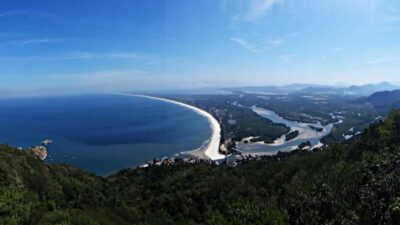
- Garganta do Céu’s views: Guanabara Bay and Rio’s neighborhoods in one look
- Steep reality check: fitness, vertigo, and orienteering skills
- Guides and safety: how Thomas, Sérgio, and Juliana raise your odds
- Price and value: what your $231 buys (and what it doesn’t)
- What to bring: your packing list for a long, steep day
- Getting there and timing: pickup, private pace, and weather changes
- Who should book this hike, and who should skip it
- Should you book the Rio de Janeiro Garganta do Céu guided hike?
- FAQ
- How long is the Garganta do Céu hike?
- Is food included?
- Is it a private group?
- What languages will the guide speak?
- What should I bring?
- What isn’t allowed during the hike?
- Is the hike suitable for wheelchair users or people with mobility impairments?
Key Highlights at a Glance
- One steep alternative route: shorter than the main Pedra da Gávea path, but meaningfully harder
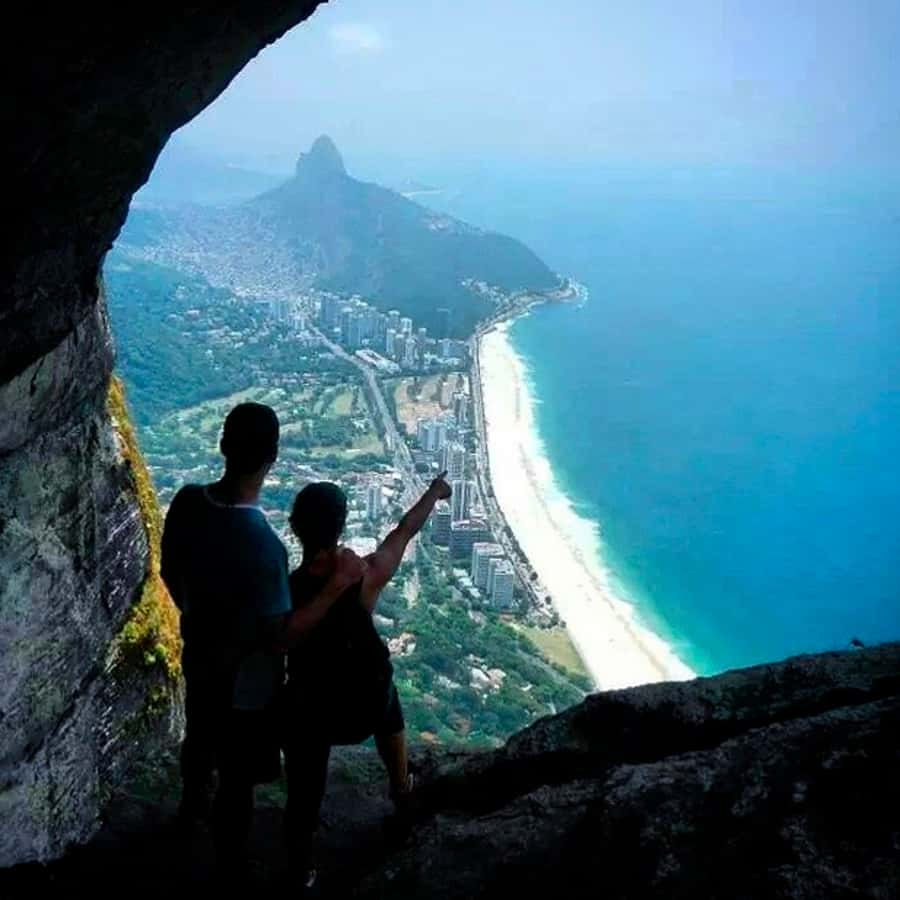
- Top view over Rio’s waterfront: Guanabara Bay, Ipanema, Leblon, São Conrado, and Barra Tijuca
- Guide does the heavy lifting on safety: bilingual specialist guidance with help on steep parts
- Rope or technical sections may appear: plan your mindset for descents that use equipment
- Atlantic rainforest wildlife is on your radar: keep your eyes open for native animals
Deeper into the Tijuca forest and its waterfalls
- Rio de Janeiro: Christ, Selaron Steps, and Tijuca Park Tour★ 4.7 · 857 reviews
- Rio de Janeiro: Guided Jeep Tour through Tijuca Rainforest★ 4.3 · 740 reviews
- Jeep Adventure: Guided Tour through Tijuca Rain Forest★ 4.0 · 554 reviews
- Rio: Tijuca Forest Small Group Hike to Caves and Waterfalls★ 4.9 · 536 reviews
Pedra da Gávea and Garganta do Céu: what you’re really hiking
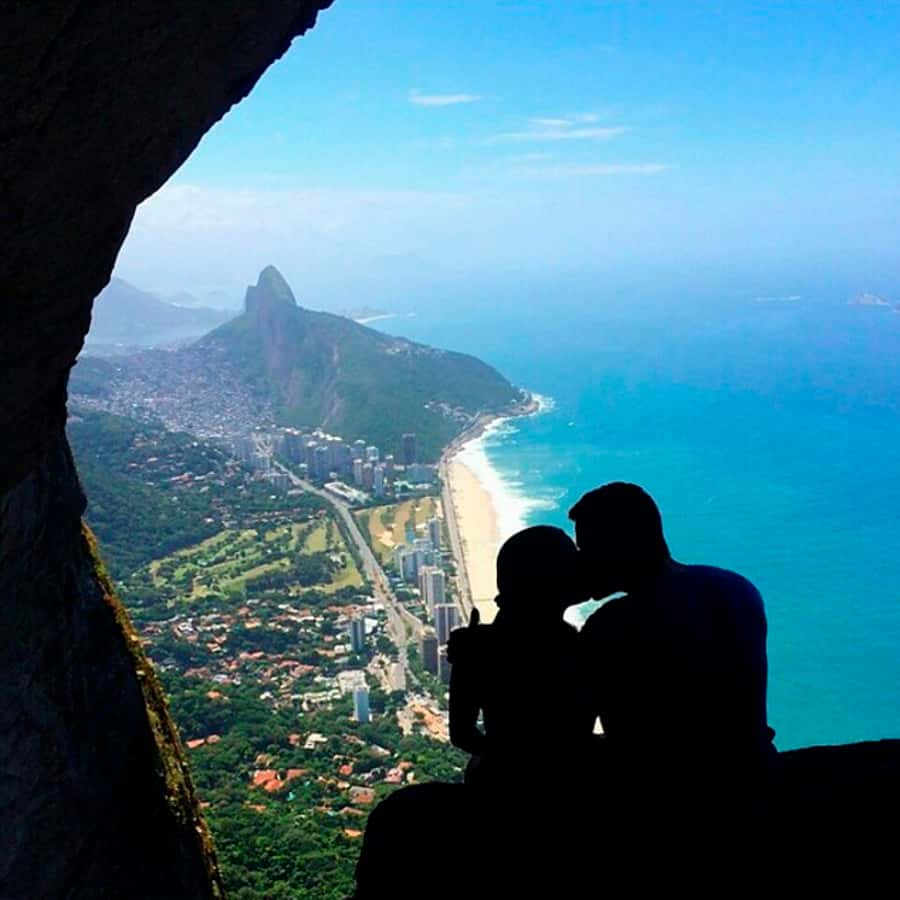
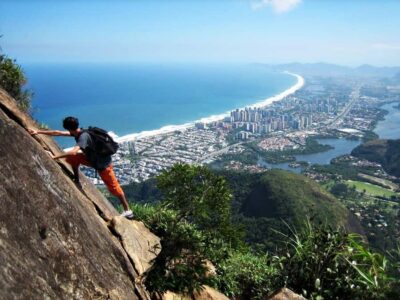
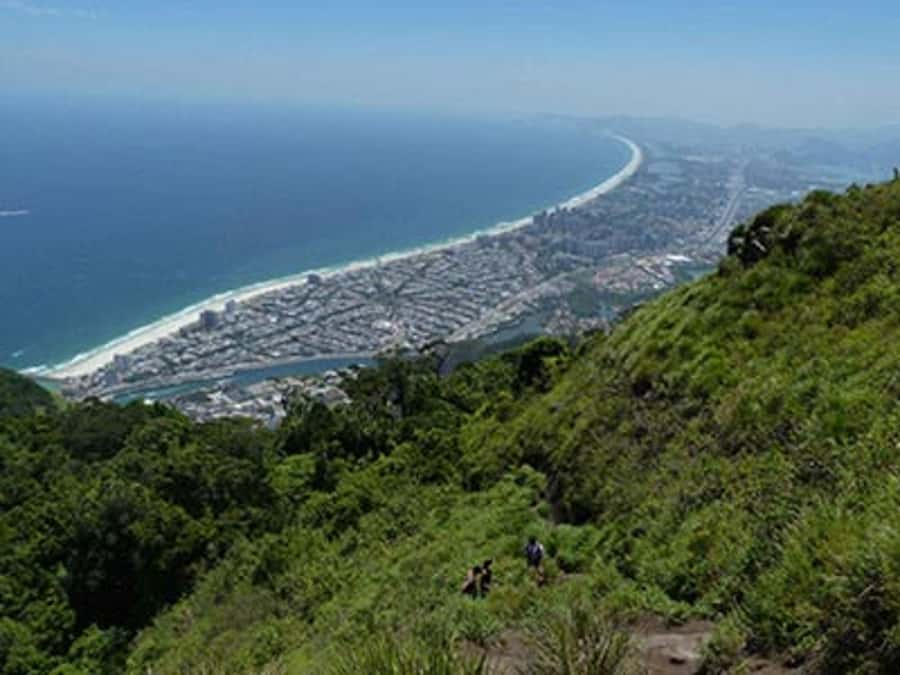
You’re not hiking a paved park trail. This is a climb on Pedra da Gávea, famous for being a huge block of solid rock by the sea. The Garganta do Céu approach takes you up through dense Atlantic rainforest, so you spend real time in the green before the sky-level payoff.
What makes this experience feel extra “Rio” is how quickly the scenery shifts. You start in the forest world—shade, roots, and that thick jungle feeling. Then you work your way toward a viewpoint where Rio looks laid out like a map: bay, neighborhoods, and coastline stretching in multiple directions.
There’s also a practical truth here: this route is considered more difficult even though it’s shorter. The climb is steeper, and you’ll be asked to keep your bearings. The good news is the guide provides the support and the group stays together, so you’re not on your own—still, you should show up ready to walk, not just sightseeing.
The 8-hour plan: forest climb, Garganta do Céu viewpoint, return
This hike is built as a full day—about 8 hours from start to finish—so you can’t treat it like a quick morning workout. The day flows in a clear order: rainforest ascent, viewpoint time, then descent and return.
1) Hotel pickup (if you chose transportation) and start of the hike
Most people begin with pickup from hotels in the touristic zone of Rio de Janeiro. Once you’re with the group, your specialist guide sets the tone and handles the safety setup.
2) Dense forest hiking with a guide at your side
The early part goes through dense forest. This matters because it slows you down in a good way: you get cooler air, more shade, and time to notice the natural details around you. And yes, it’s also when you’ll want to keep your eyes open for native wild animals of the Atlantic rainforest. You’re unlikely to control what you see, but you can control whether you’re paying attention.
3) Steeper sections and technical support
This is where you feel the difficulty. The route is steeper than the more traditional option, and it can include gear-based help during tougher parts. In guide-supported descents, people have mentioned getting help with the rope when climbing down, and the guides are encouraging and professional in those moments. Bottom line: if you have even mild nerves around steep terrain, you should come anyway—but be mentally ready to use the equipment.
4) Garganta do Céu viewpoint: Rio’s shoreline panorama
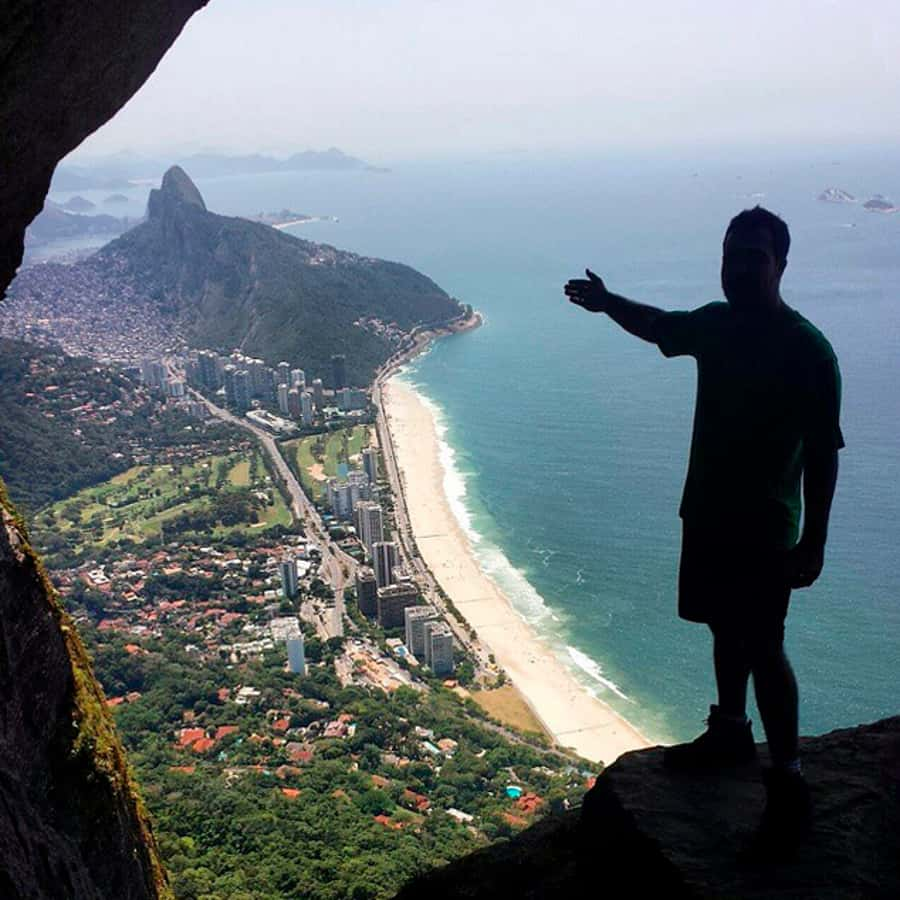
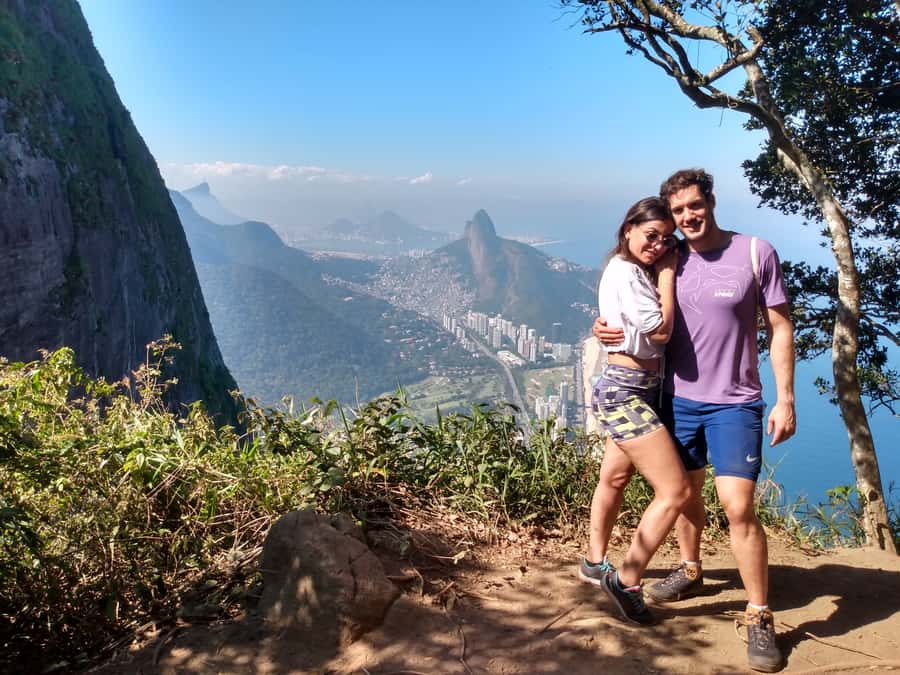
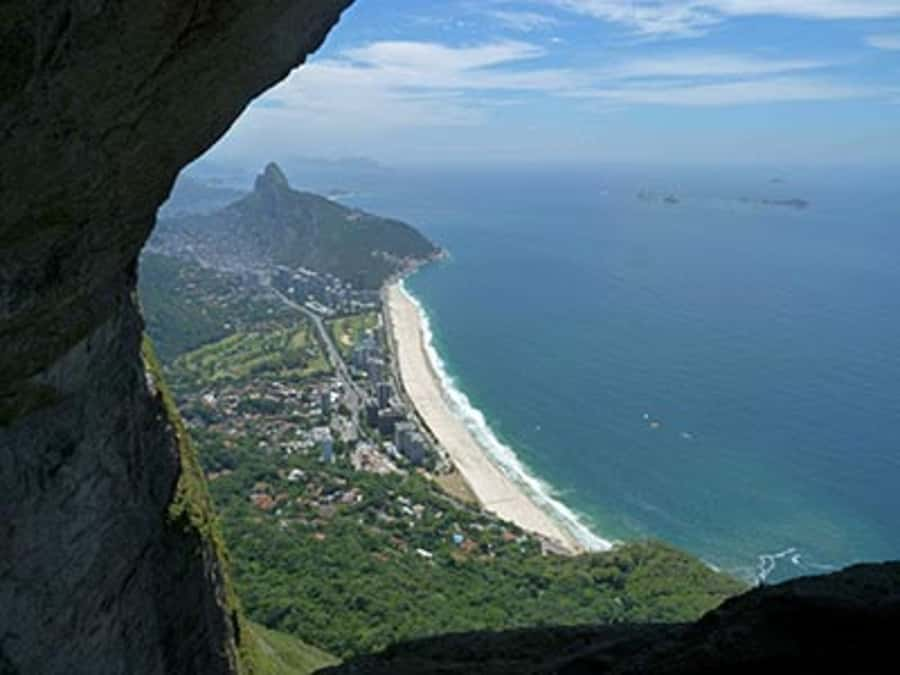
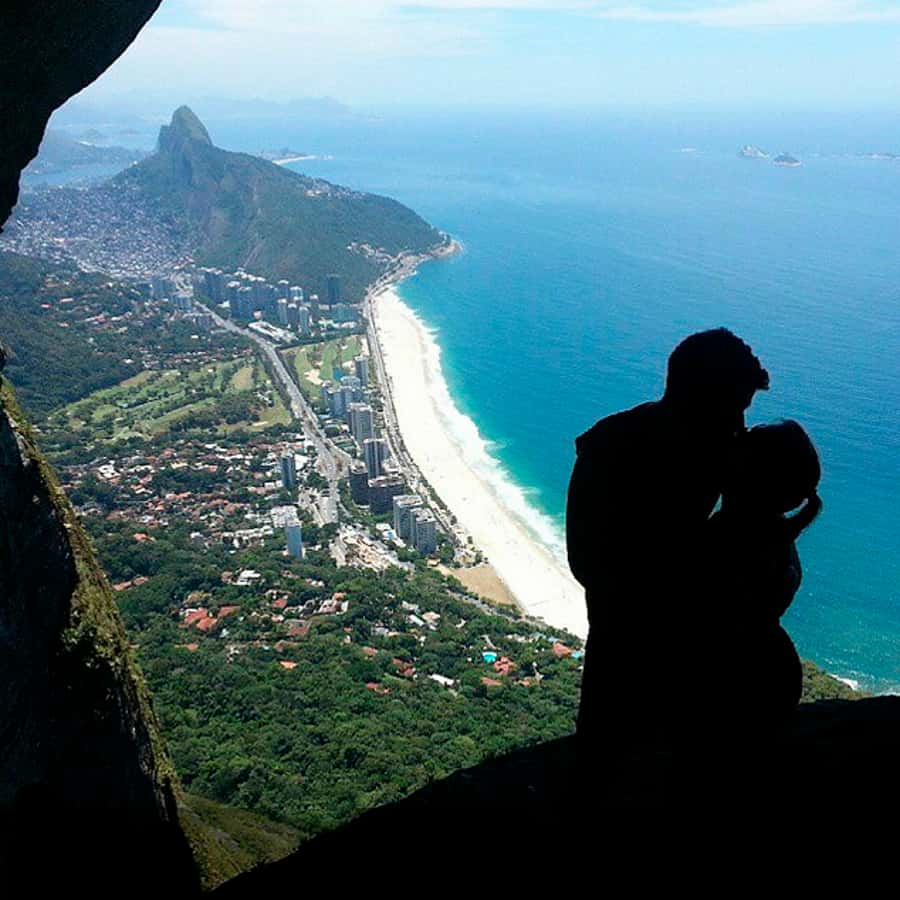
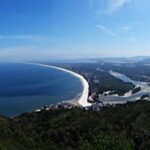
Once you reach the viewpoint, you get time to catch your breath and take in the view. From Garganta do Céu, you’ll look out over Guanabara Bay, plus Ipanema and Leblon, São Conrado, and Barra Tijuca. This is the moment the whole hike makes sense: your legs earn the skyline sweep.
5) Descent, then back to the base of Pedra da Gávea
After the viewpoint, you start down. The guides help with safety techniques and procedures throughout, so the descent isn’t a solo scramble. You’ll return to the base area and relax, ideally with one more pass of wildlife spotting if the forest is still lively.
Garganta do Céu’s views: Guanabara Bay and Rio’s neighborhoods in one look
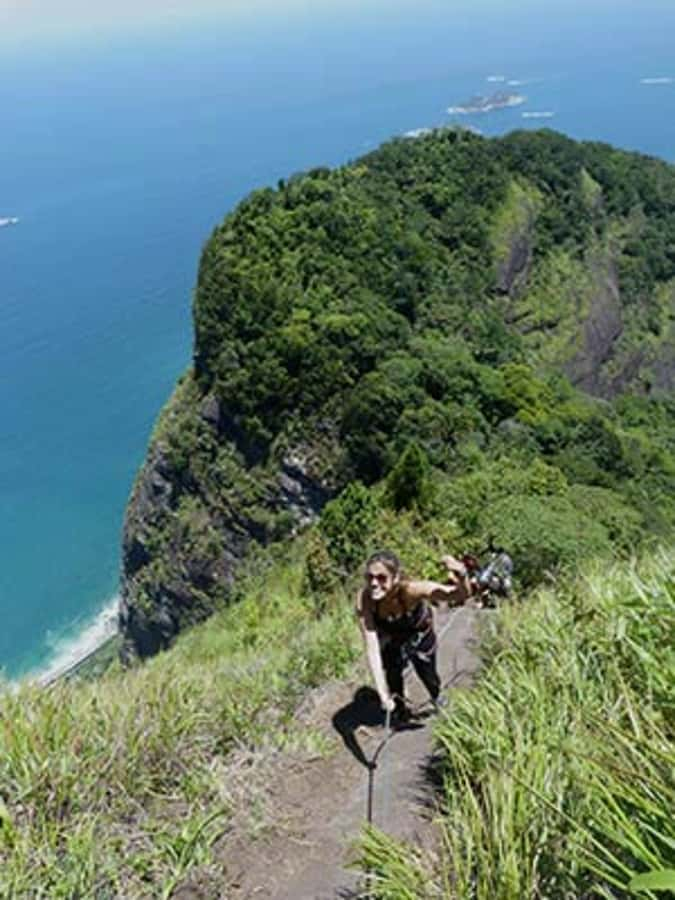
The viewpoint isn’t vague. It’s named for a reason: you’re looking out across Rio in a way that’s hard to replicate from the beach or city viewpoints. You’ll see the big water of Guanabara Bay and the shoreline patterning that makes the city feel like it’s built around geography.
What I like about this view list is that it covers multiple “Rio zones.” You’re not only seeing one postcard direction. You’re looking toward Ipanema and Leblon (the famous coastal neighborhoods), out toward São Conrado (another distinct stretch of coast), and across toward Barra Tijuca. That range helps you understand Rio’s layout fast.
For photos, this is a good choice because the viewpoint is high enough to show the connections between neighborhoods and coastline, not just rooftops. You’ll also likely notice the way the forest sits below you—one of the best reminders that Rio isn’t all city grit. And if clouds roll in, the guide may adjust what you can safely do, since weather and adverse conditions can change the order of sightseeing.
Still browsing Rio De Janeiro? These are the ones we go back to

Steep reality check: fitness, vertigo, and orienteering skills
Let’s talk difficulty like adults. Even though the hike is described as shorter than the traditional Pedra da Gávea trail, it’s considered more difficult because it’s steeper. That means more cardio, more leg burn, and more attention needed for footing.
The route also requires good orienteering skills. That sounds scary, but it doesn’t mean you need a map-reading degree. It means you should be ready to follow instructions, pay attention at turns, and stay alert even when you’re focused on views.
Vertigo matters too. People have specifically noted that you should not be too prone to feeling uncomfortable with heights during this kind of climb and descent. If you know you get shaky on steep exposure, you should plan to lean on the guide’s method, go slowly, and use the safety support fully.
Practical tip: bring shoes with grip. The day is long, surfaces can be uneven, and a slip is the last thing you want on a steeper trail. You’re also going to sweat, so treat water like a priority, not a suggestion.
Guides and safety: how Thomas, Sérgio, and Juliana raise your odds
This is a private group experience, and the guide is not just a translator. The activity is built around bilingual, eco-adventure specialist guidance, and the guide provides all assistance with safety techniques and procedures.
That matters most in the technical moments. In the feedback, Thomas was praised for professional encouragement during rope-assisted climbing down when someone felt panic. That’s exactly the kind of support that keeps a difficult descent from turning into a bad memory.
Sérgio and Juliana were also mentioned for making the trail feel manageable while still delivering serious views. Their job isn’t to make it easy. Their job is to make it safer and smoother—so you can focus on moving and spotting what’s around you.
Language support is a plus if you want to understand the environment instead of just nodding along. You can get the live guide in Spanish, English, or Portuguese.
And here’s a key mindset point: you’re hiking with a plan. When weather shifts or conditions get rough, the itinerary and order of sightseeing may change for safety. That flexibility is part of why having a specialist guide is worth it.
Price and value: what your $231 buys (and what it doesn’t)
The price is listed as $231 per group up to 1, and you’re paying for more than a person walking in nature with you. You’re buying a guided, private, technical-capable experience that includes:
- Bilingual eco-adventure specialist guide
- Garganta do Céu hike
- Personal accident insurance
- Transportation (and hotel pickup/drop-off if you choose that option)
That’s the value equation. A steep hike is only worth the money if you’re getting real safety handling and competent route support. Here, the guide’s role is central, not an afterthought.
The one clear gap: food and drinks aren’t included. That means you need to plan your snack and hydration so you don’t turn hungry and grumpy halfway through. The hike can also be tiring, so treat eating like fuel, not an optional bonus.
Given that you’re getting private attention and insurance included, I’d put this in the “pay for competence” category. If you want a dramatic viewpoint but also want the day handled safely, that’s where this pricing makes sense.
What to bring: your packing list for a long, steep day
You don’t need fancy gear, but you do need the basics right. The tour asks for:
- Hiking shoes
- Water
- Daypack
And it also recommends bringing a few smart extras:
- 3 liters of water
- Light snack
- Sunscreen
- Insect repellent
- Backpack to carry your things
That 3 liters number is a big clue: the hike is long and active, and it’s not a stop-and-chill format. If you show up with only a bottle or two, you’ll feel it fast.
Also consider comfort and friction control. A daypack helps you keep hands free on uneven ground. Sunscreen and repellent aren’t optional in a rainforest setting—especially if you end up moving slower on steep sections.
One more non-negotiable: don’t bring large bags or luggage, and don’t bring pets. The focus is the hike, not managing extra bulk.
Getting there and timing: pickup, private pace, and weather changes
This experience lasts about 8 hours, and starting times depend on availability. If you select transportation, hotel pickup and drop-off is included for hotels in the touristic zone.
A private group changes the vibe. You move at a pace that fits your comfort with steep terrain and technical sections. If you need extra time at a tough moment, that’s not a nuisance to the schedule. It’s part of why private guiding works better for harder hikes.
Weather can also affect what happens when. The order of sightseeing may change due to weather or adverse conditions. That’s not a deal-breaker; it’s a signal that safety is taken seriously. When conditions shift, the guide’s call matters more than sticking to a fixed script.
Who should book this hike, and who should skip it
This is for people who want a challenge and don’t mind a steep, technical day. It suits you best if you:
- Enjoy hiking and want a viewpoint that feels earned
- Like nature time plus a major payoff over Rio
- Want a guide who supports safety and keeps you moving
It’s not suitable for:
- People with mobility impairments
- Wheelchair users
If you’re on the fence because of height anxiety, be honest with yourself. Rope-assisted descents and steep sections can make vertigo a factor. The guides can help you through it, but they can’t erase nerves. If you’re comfortable taking slow steps and using equipment fully, you’ll likely do fine.
Also, follow the rules. Alcohol and drugs aren’t permitted, and possession of weapons of any kind leads to cancellation. It’s a safety and policy thing, plain and simple.
Should you book the Rio de Janeiro Garganta do Céu guided hike?
If you’re in Rio and you want one of the city’s best views with real jungle hiking behind it, I think this is an excellent choice. The combination of steep route challenge, specialist guide support, and a clear payoff over Guanabara Bay plus Ipanema, Leblon, São Conrado, and Barra Tijuca makes it more memorable than yet another viewpoint stop.
Book it if you’re fit enough for a steeper-than-expected climb and you’re willing to use the guide’s safety help on harder sections. Skip it if steep terrain would put you in panic mode the whole time, or if mobility limitations make uneven ground a problem.
Want a good decision shortcut? Ask yourself one question: do you want your Rio day to be active, technical, and guided—or mostly relaxed? This hike is the active, guided option.
FAQ
How long is the Garganta do Céu hike?
The experience lasts about 8 hours.
Is food included?
No. Food and drinks are not included.
Is it a private group?
Yes, it’s a private group.
What languages will the guide speak?
The live guide is available in Spanish, English, and Portuguese.
What should I bring?
Bring hiking shoes, water, and a daypack. It’s also recommended to carry sunscreen, insect repellent, and a light snack, and to bring about 3 liters of water.
What isn’t allowed during the hike?
Pets, luggage or large bags, alcohol and drugs are not allowed. Weapons are also not permitted.
Is the hike suitable for wheelchair users or people with mobility impairments?
No. It is not suitable for people with mobility impairments or wheelchair users.
More Hiking & Trekking in Rio De Janeiro



More Tour Reviews in Rio De Janeiro






More of the Tijuca Forest



Fresh off the review desk: newer Rio De Janeiro tours we have been out on




Tijuca Forest & Waterfalls, compared.
 ★ 4.7Christ, Selaron Steps, and Tijuca Park TourFrom $68857 reviews
 ★ 4.3Guided Jeep Tour through Tijuca RainforestFrom $90740 reviews
 ★ 4.0Jeep Adventure: Guided Tour through Tijuca Rain ForestFrom $88554 reviews
 ★ 4.9Tijuca Forest Small Group Hike to Caves and WaterfallsFrom $69536 reviews
 ★ 4.7Paraty: Jungle Waterfalls and Cachaça Distillery Jeep TourFrom $37491 reviews
 ★ 4.5Half-Day Jeep Tour at Floresta da TijucaFrom $60353 reviews
 ★ 4.34-Hour Botanical Garden & Tijuca Forest TourFrom $51275 reviews
 ★ 4.5Rio de Janeiro Botanical Garden & Tijuca Forest TourFrom $55168 reviews
Browse the lists this tour appears in