

Reviewed · FAVELA COMMUNITY TOURS
Rio de Janeiro: Favela Tour with Hotel Transfers
Rio’s everyday life is right up close. This favela tour trades postcard views for real street-level Rio—narrow alleys, local routines, and context for how people build community in tough conditions.
Two things I really like here: round-trip hotel transfers make it easy to show up without wrestling with public transit, and the tour is built to be respectful and educational, not just a walk for photos. The one thing to consider is that your experience can vary day to day and guide to guide—some people want more explanation, and pickup timing can get messy in heavy traffic.
In This Review
- Key Things That Make This Tour Worth Your Time
- Hotel Transfers and the Rocinha or Vidigal Choice
- The Alley Walk: What Narrow Streets Mean for Your Body
- What You Actually See: Markets, Community Centers, and Local Life
- Safety and Respect: How the Best Guides Run the Group
- Timing Reality: 4 Hours, Plus Rio Traffic and Crowds
- Price and Value: What $47 Buys You (and What It Doesn’t)
- Who Should Book, and Who Might Re-think It
- Practical Tips: How to Get the Most Out of the 4 Hours
- Should You Book This Favela Tour With Transfers?
- FAQ
- Which favela will I visit on the tour?
- How long is the Rio favela tour?
- Is hotel pickup and drop-off included?
- What languages are available for the live guide?
- What should I bring for the tour?
- Are meals included?
- Is the tour accessible for reduced mobility or wheelchair use?
Key Things That Make This Tour Worth Your Time
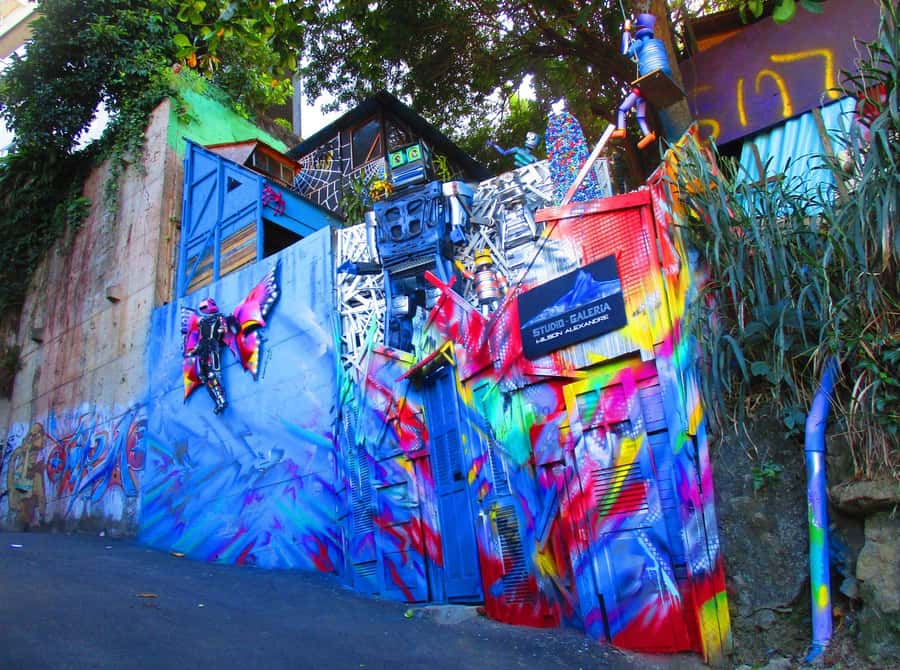
- Rocinha or Vidigal, depending on the day, so you may see a different slice of favela life
- Hotel pickup and drop-off from common Rio areas for less hassle and more time on the ground
- Guided walking through narrow alleys, with stories about daily life and the community’s socioeconomic reality
- Community stops like local markets and community centers (and possibly meeting locals)
- Practical safety focus, including how guides manage group movement in crowded areas
- 4 hours in total, but timing can stretch in high-season traffic
More tours led by the people who live there
- Rio de Janeiro: Rocinha Favela Walking Tour with Local Guide★ 4.8 · 3,052 reviews
- Rio De Janeiro: Half-Day Rocinha Favela Walking Tour★ 4.7 · 2,272 reviews
- Rio de Janeiro: Favela Santa Marta Top Tour with Local Guide★ 4.9 · 488 reviews
- Rio de Janeiro: Favela Santa Marta Tour with Resident Guide★ 4.6 · 220 reviews
Hotel Transfers and the Rocinha or Vidigal Choice

Most Rio visitors underestimate how much time you lose to getting across town. This tour helps by handling in/out transfers from your hotel (with pickup coverage mainly around Leblon, Ipanema, Copacabana, Flamengo, and Centro, plus cruise port pickup). That matters because you’re not burning your limited hours just to reach the start line.
Pickup is arranged from your hotel in those areas, and if you’re staying outside that zone—specifically Barra da Tijuca or Recreio dos Bandeirantes—there’s an extra charge. The meeting point can also be used if you prefer it: Rio Othon Palace (Avenida Atlantica, 3264) in Copacabana, or hotel pickup.
Then comes the big variable: you’ll visit either Favela da Rocinha or Favela do Vidigal, depending on the day. Both are well-known and active communities, but they aren’t clones of each other. If you’re comparing your options in Rio, this “either/or” detail is important. It affects the streets you’ll walk, the views you might catch, and the feel of the neighborhoods you pass through.
One more practical tip: traffic can slow things down in peak season. Even if the tour is about 4 hours on paper, plan for the schedule to breathe.
The Alley Walk: What Narrow Streets Mean for Your Body
Walking in a favela isn’t like a scenic boardwalk. You’re moving through narrow alleys, with crowds, turns, and uneven spots. The upside is that the tour feels like you’re seeing how people actually move through their day, not just watching from a safe distance.
A couple of guests have pointed out that the walk portion could be described more clearly, so here’s how I’d handle that: before you go, ask (or check) how much walking to expect and how pace and breaks will work. If you’re the type who hates getting surprised by stairs or steep stretches, don’t assume it’ll be flat and easy.
You also want to take the weather seriously. Rio sun is not shy. The tour asks you to bring comfortable shoes, plus a hat and sunscreen. That’s not just “tourist advice”—it’s the difference between enjoying the walk and feeling miserable halfway through.
This is where your guide’s style matters too. Some guides keep the talk tight and practical, while others use the walk to share more context. Either way, keep a question ready. If you want the socioeconomic story explained in plain language, ask. If you want to understand what everyday work looks like from street level, ask that too. The more you prompt the guide, the more the experience turns from viewing into understanding.
What You Actually See: Markets, Community Centers, and Local Life

The tour isn’t only about streets. You should expect stops that connect the neighborhood to daily life, including local markets and community centers. These aren’t just “photo stops.” They help you understand how community services, informal commerce, and social networks function when people rely on local solutions.
You might also meet locals, depending on the day and how the group flows. That’s the part that can feel the most human. The best tours create moments where you’re not just observing from the sidewalk. You get a chance to see faces, routines, and the small rhythms that make a neighborhood feel like a living place.
There’s also a clear aim: to explain the socioeconomic aspects of life in Rio’s favelas—history, resilience, and the real-world challenges residents face. That framing matters because it keeps the tour from turning into a generic “poverty tourism” storyline. You’re learning how communities persist, organize, and create culture even under pressure.
Still, keep your expectations grounded. This is a walk and conversation format. If you’re expecting a scripted lesson with long speeches at every corner, you might find it lighter than you want. And if you want more depth, ask your guide to point out what you’re seeing and why it matters.
One fun detail that came up: on at least some days, you may get a motor ride up toward a viewpoint area. That kind of transport can break up the walking and speed you toward a better vantage—useful if the route includes steeper sections.



Safety and Respect: How the Best Guides Run the Group

Safety here isn’t about giving you a movie-like feeling. It’s about how the guide manages your movement, your behavior, and the group’s timing. Some people have described feeling very safe thanks to the guide’s attention.
One name worth noting: Hélio, mentioned as a guide who was invested and shared touching moments while also keeping the group secure. That tells you something important about what makes this tour work. When a guide connects story to place and sets clear boundaries, you can feel comfortable asking questions and walking without turning the experience into chaos.
A good guide also makes it clear that this is a community, not an attraction. That means you follow instructions, keep a respectful distance when needed, and avoid turning the tour into a spectacle. It’s also why your attire matters. Comfortable clothes and shoes help you move confidently and stay with the group.
If you’re traveling with kids, that’s a plus. One family noted that the guide took into account having an 8-year-old with them, with attention to safety. That doesn’t automatically mean this is a kid-friendly “entertainment” tour—but it suggests the operator and guide are aware of group needs.
Now, the honest drawback: one person had an issue where the guide never showed up for their pickup. That’s not something you can predict just from the activity itself. If you’re booking this, plan to confirm pickup details the day before and keep an eye on timing on the morning of the tour.
Timing Reality: 4 Hours, Plus Rio Traffic and Crowds
This experience is set for about 4 hours. In a city like Rio, that can mean smooth sailing—or it can mean you spend more time in traffic than you hoped.
During high season, tours can run longer due to the sheer volume of people and general traffic. So treat the duration as a target, not a promise. If you’re stacking this tour with another timed plan later the same day, give yourself a buffer.
A quick way to protect your day: schedule something flexible afterward. Think late lunch, a relaxed beach walk, or a simple plan like shopping nearby. Don’t book a tight reservation right at the end window.
Also, consider how you’ll handle the pacing. Even if the tour is four hours total, that time includes transfers. The walking portion plus any transport inside the favela area is what will feel longest on your legs. If you’re not used to city walking or you’re sensitive to heat, bring water habits you can manage. Meals aren’t included, so you’ll likely want to eat before or after.
Price and Value: What $47 Buys You (and What It Doesn’t)

At $47 per person, this tour sits in the “mid-range practical” category for Rio. What you’re paying for is not only the guide, but also the operational convenience: transfer in and out, plus a guided route through Rocinha or Vidigal.
That value equation shifts depending on your situation. If your hotel is in the pickup coverage zone, the transfers reduce your overall stress and time cost. If you’re outside the pickup area and need an extra charge (like Barra or Recreio), the price value still holds, but you should factor that add-on into your budget.
What’s not included is just as important: meals and beverages aren’t part of the tour. So you need to plan food around it. Don’t assume you’ll grab something during the route. The best move is to eat beforehand and keep the rest of your day easy.
Also remember: there’s a human element to the experience. With different guides and different group energy, the depth of explanations can shift. One person felt there wasn’t too much explanation from the guide, while still enjoying parts like a motor ride to a higher area. In other words, the tour is educational, but the exact tone can vary.
Who Should Book, and Who Might Re-think It

This is a good choice for you if you want more than viewpoints and beach photos. You’re likely a match if you enjoy street-level context and you’re open to learning about daily life and socioeconomic realities from residents’ neighborhoods.
It’s also a decent fit for families, at least based on one positive note about the guide adjusting for a child’s presence and focusing on safety.
If you have reduced mobility or you’re using a wheelchair, the tour asks you to notify in advance. Access is subject to availability, so you should treat that as a “confirm it first” situation. The walking and narrow streets aren’t described as wheelchair-friendly in the details you’re given.
If you hate uncertainty, the “Rocinha or Vidigal depending on the day” choice might annoy you. You’re not guaranteed a specific favela. You can still go in with the mindset that you’re experiencing a slice of Rio rather than chasing a single checklist item.
If you’re mainly looking for a heavily structured history class, you may want to adjust expectations. The focus is walking plus guide storytelling, plus community sights—not a classroom format with long lecture segments at each stop.
Practical Tips: How to Get the Most Out of the 4 Hours
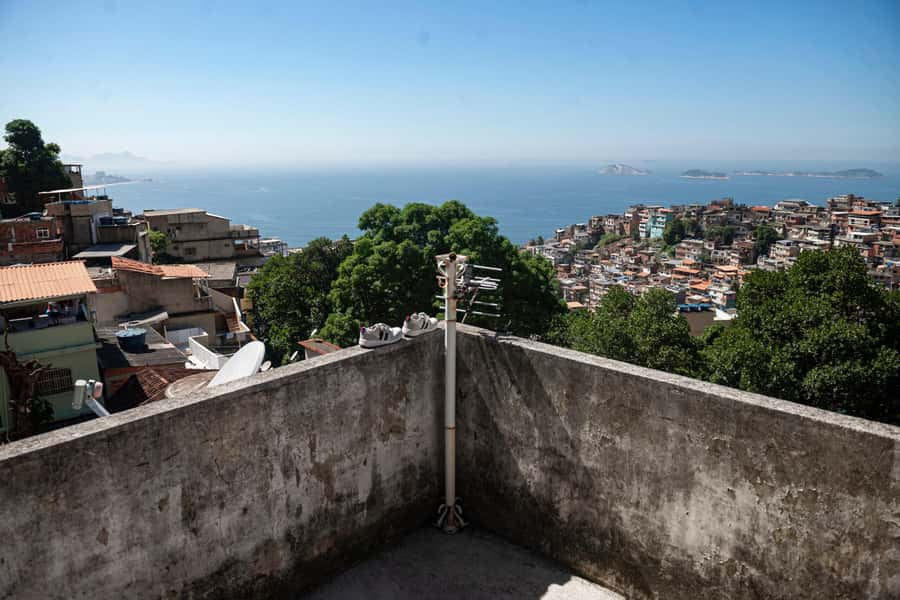
Here’s how to make this tour feel smooth instead of stressful:
- Wear comfortable shoes. The streets are narrow, and you’ll want stable footing.
- Bring a hat and sunscreen. Sun can hit hard, and shade isn’t always guaranteed.
- Use comfortable clothes you don’t mind getting warm or a little dusty.
- If walking distance is a concern for you, ask ahead for clarity. One guest wished the walking amount was described better.
- Keep your questions simple. The tour runs about 4 hours, and the guide’s best value is often in answering what you’re seeing.
- In high season, assume traffic can add time. Plan your day with breathing room.
- If hotel pickup is included for your area, still double-check the pickup time. One unpleasant experience involved a missed pickup, and that’s exactly the kind of issue you can reduce with confirmation.
Language is another practical win. The guide can run the tour in Portuguese, English, French, Spanish, German, or Italian, so you can match your comfort level without feeling stuck.
Should You Book This Favela Tour With Transfers?
If you want a guided, respectful look at how Rio’s communities live day to day, this is a smart way to do it. The biggest selling points for your comfort are the hotel transfers and the fact that the tour is designed around walking with a guide who shares context about the neighborhood.
But book with eyes open. Expect a walking-focused experience through narrow alleys, and understand that explanations can vary by guide. If you’re sensitive to long walks or you need mobility access, confirm details early. And if you rely on pickup, do a quick confirmation the day before.
If you go in with the right mindset—curious, respectful, and ready to learn through the streets—this tour can turn Rio from a skyline into a place with real people behind it.
FAQ
Which favela will I visit on the tour?
You’ll go to either Favela da Rocinha or Favela do Vidigal, depending on the day.
How long is the Rio favela tour?
The duration is listed as about 4 hours.
Is hotel pickup and drop-off included?
Yes. Transfers in and out are included, with pickup from most hotels in Leblon, Ipanema, Copacabana, Flamengo, and Centro, or from the cruise port. If you’re in Barra da Tijuca or Recreio dos Bandeirantes, there is an extra charge.
What languages are available for the live guide?
The tour offers a live guide in Portuguese, English, French, Spanish, German, and Italian.
What should I bring for the tour?
Bring comfortable shoes, a hat, sunscreen, and comfortable clothes.
Are meals included?
No. Meals and beverages are not included.
Is the tour accessible for reduced mobility or wheelchair use?
You should notify in advance if you have reduced mobility or use a wheelchair. Access is subject to availability.
More Tour Reviews in Rio De Janeiro






More Community-Led Tours




Fresh off the review desk: newer Rio De Janeiro tours we have been out on





Favela Community Tours, compared.
 ★ 4.8Rocinha Favela Walking Tour with Local GuideFrom $363,052 reviews
 ★ 4.7Rio De Janeiro: Half-Day Rocinha Favela Walking TourFrom $352,272 reviews
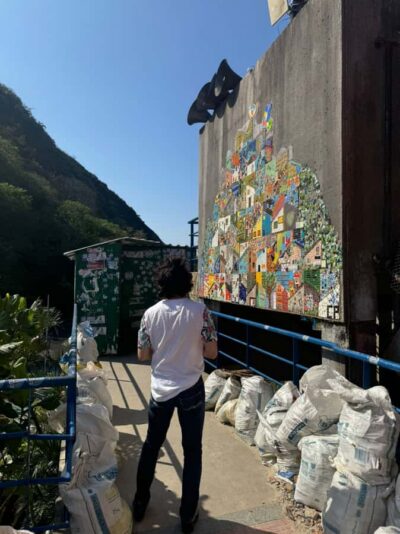 ★ 4.9Favela Santa Marta Top Tour with Local GuideFrom $28488 reviews
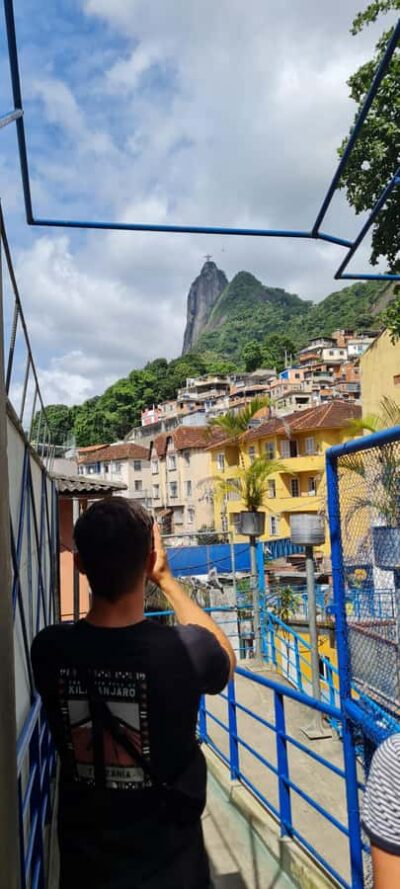 ★ 4.6Favela Santa Marta Tour with Resident GuideFrom $27220 reviews
 ★ 4.7Favela Rocinha Tour with Local Guide & Secret SpotsFrom $43218 reviews
 ★ 4.5Vidigal Favela Tour and Two Brothers HikeFrom $88121 reviews
 ★ 4.5Favela Tour The Original, Rocinha & Vila Canoas since 1992From $33113 reviews
 ★ 5.02h30 circuit in the Vidigal FavelaFrom $5088 reviews
Browse the lists this tour appears in