
Reviewed · CHURRASCO & FOOD TOURS
Rio de Janeiro: Brazilian Cooking Class in Rio de Janeiro
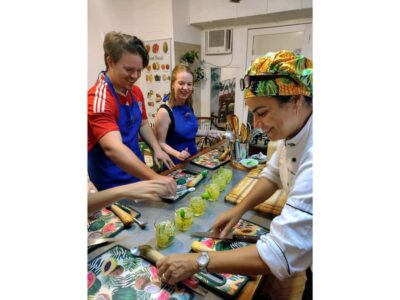
Your kitchen becomes a mini Rio tour. In Copacabana, I love the hands-on setup where you actually cook the classics side by side with Chef Simone. You’ll also get a friendly, social vibe that turns dinner into something more than just a meal, not a lecture. One practical heads-up: transport isn’t included, so you’ll need to plan how to get to the studio and back.
What makes this stand out is the human energy. Chef Simone is described as warm, funny, attentive, and great at making a safe space for learning, even if you’re new to cooking. Her daughter assists too, and the class has a chat-and-eat rhythm that feels like spending time with people who genuinely love Brazilian food. The menu is also built for variety: a mix of starters, seafood or bean-and-pork main, sides, drinks, and a dessert that can shift with seasonal ingredients.
In This Review
- Copacabana Kitchen Studio: Why This Class Feels More Local Than Touristy
- What You Cook: 7 Brazilian Favorites, 5 Dishes, and Two Drinks
- Moqueca or Feijoada: The Day-of-Week Switch That Makes Planning Worth It
- Inside the Class Flow: From Prep to the Toasted-Tasting Finish
- Drinks, Texture, and the Brazilian Flavor Logic You’ll Actually Use at Home
- Price and Value: Is $220 Worth It in Rio?
- Who Should Book This Brazilian Cooking Class (and Who Might Skip It)
- Should You Book It? My Practical Take
- FAQ
- How long is the Brazilian cooking class?
- What recipes will I learn?
- Do I cook both moqueca and feijoada?
- Is any cooking experience required?
- What drinks are included?
- Will I eat what I cook?
- What’s included in the price?
- Is transportation included?
- How big are the groups?
- What languages does the instructor speak?
- (If you want one quick decision tip)
Copacabana Kitchen Studio: Why This Class Feels More Local Than Touristy
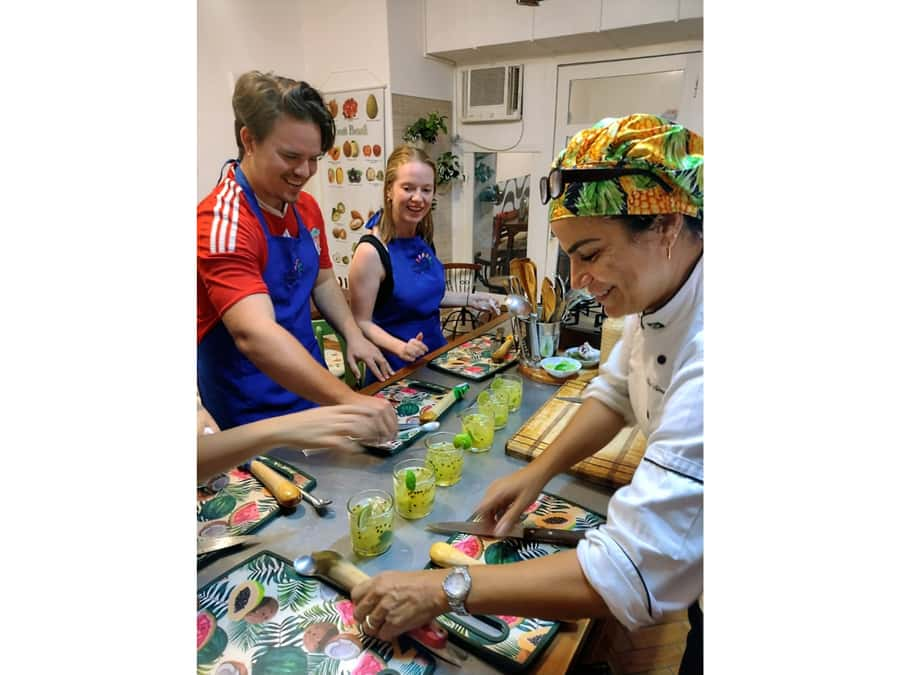
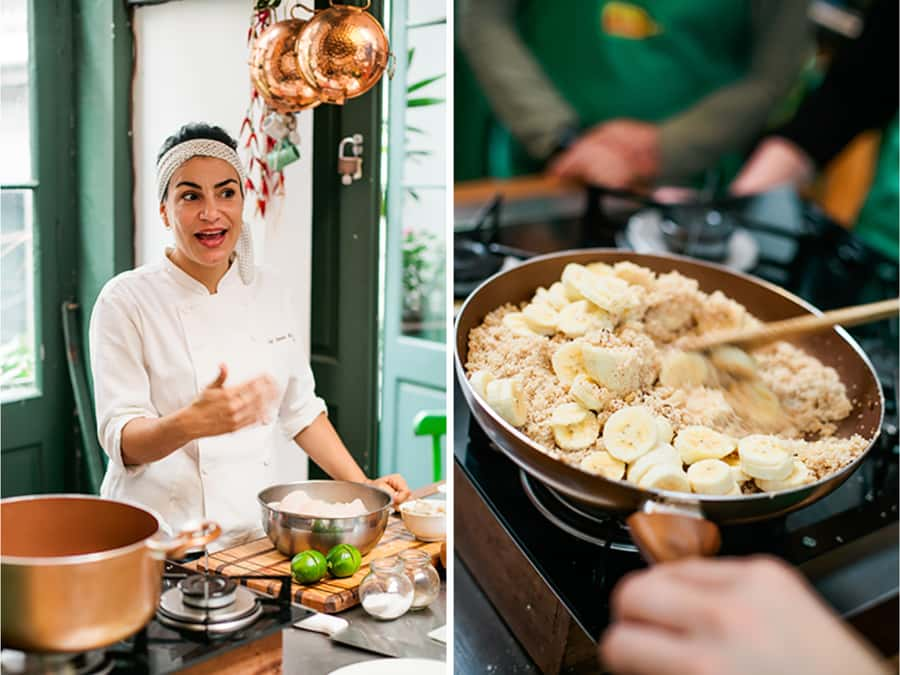
The location matters, and Copacabana sets the tone. You’re in a real working studio environment where Brazilian ingredients and techniques are the focus—not a showroom. The group stays intentionally small: up to 7 participants, which means you’re not stuck watching while someone else does the cooking.
That small size also changes how you learn. When questions pop up—about chopping, timing, spice levels, or how certain flavors come together—you’re more likely to get an answer right away. The class is led by Chef Simone, and the teaching style is described as informative and entertaining, with lots of hands-on guidance.
Another underrated part is the structure. You start cooking, then you sit down with the instructor to toast your efforts and taste what you made. That meal-at-the-end moment is often what turns a cooking class from a skill session into a memory you actually keep.
A final note for your planning: this isn’t a pickup-and-drop-off experience. If you’re staying in Rio away from Copacabana, that means you’ll want a simple route you’re comfortable with before you book.
Still hungry? More churrasco and food tours
- Rio: Christ the Redeemer, Sugarloaf, Selaron & BBQ Lunch★ 4.5 · 2,428 reviews
- Skip the Line to Christ Redeemer, Sugar Loaf and Barbecue Lunch★ 4.0 · 593 reviews
- Rio From the Sea: Guanabara Bay Cruise with Optional Barbecue Lunch★ 4.0 · 88 reviews
- Guided Market Fruit Tasting in Rio with 15+ Exotic Flavors★ 5.0 · 68 reviews
What You Cook: 7 Brazilian Favorites, 5 Dishes, and Two Drinks
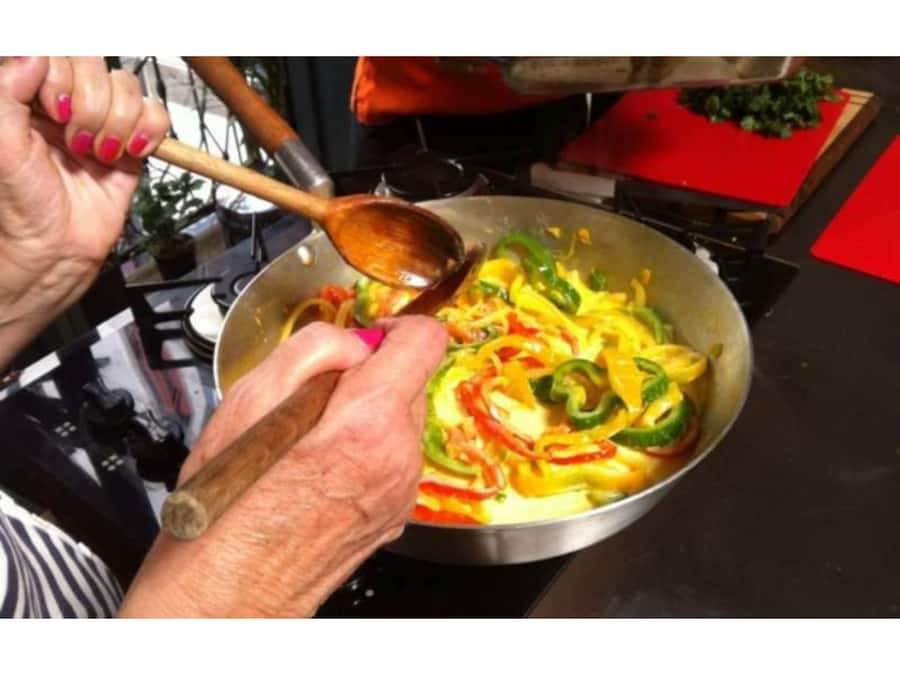
This class is all about doing. You’ll follow the steps, handle the ingredients, and end up serving a full Brazilian meal—plus drinks. The menu is built around 7 favorite recipes, but it lands on a practical table format of 5 dishes and 2 drinks.
Here’s the kind of spread you can expect:
1) Fried cheese with spicy guava jam
This is one of those Brazil flavors that makes sense fast: salty, crispy cheese plus sweet heat from guava jam. It’s also a good starter because it doesn’t require you to master a complicated sauce—yet it teaches you how sweetness and spice can work together.
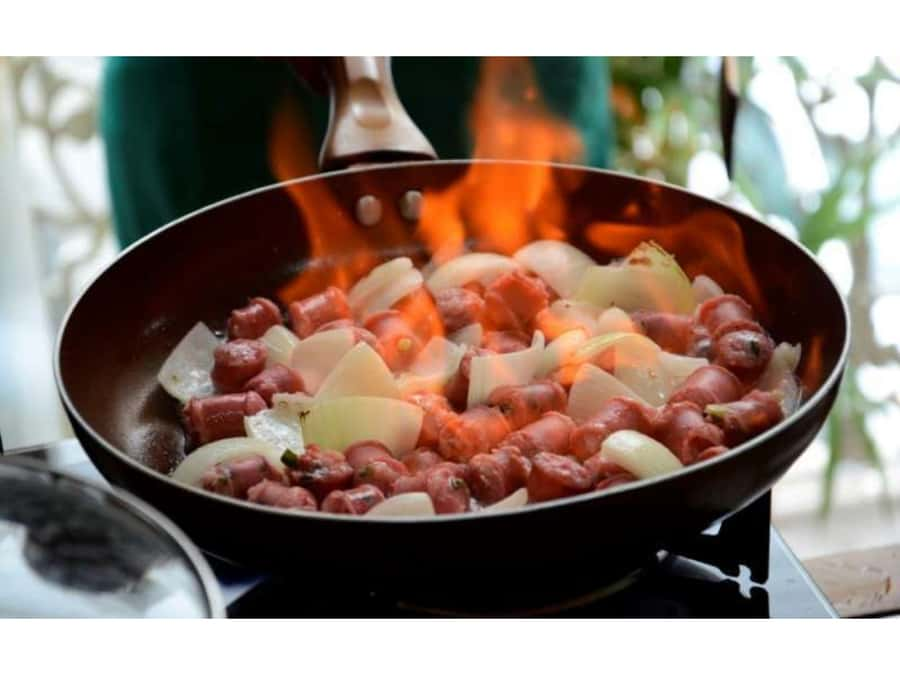
2) Fried sausage slivers
Think quick-fry comfort with small pieces that cook fast. It’s a nice contrast to the cheese, and it helps you understand how Brazilian casual flavors lean savory, punchy, and satisfying.
3) Lime caipirinha
You’ll learn how this classic Brazilian drink is made, and you’ll get the exact citrus profile that makes Brazilian food taste so lively. In a cooking class, learning the drink matters because it teaches balance: acid cuts through richness.
4) Batida de coco drink
Coconut shows up in Brazilian life in a big way, and here it’s part of the tasting experience. It’s also a great follow-up to fried items—creamy, cooling, and different from the sharp lime notes.
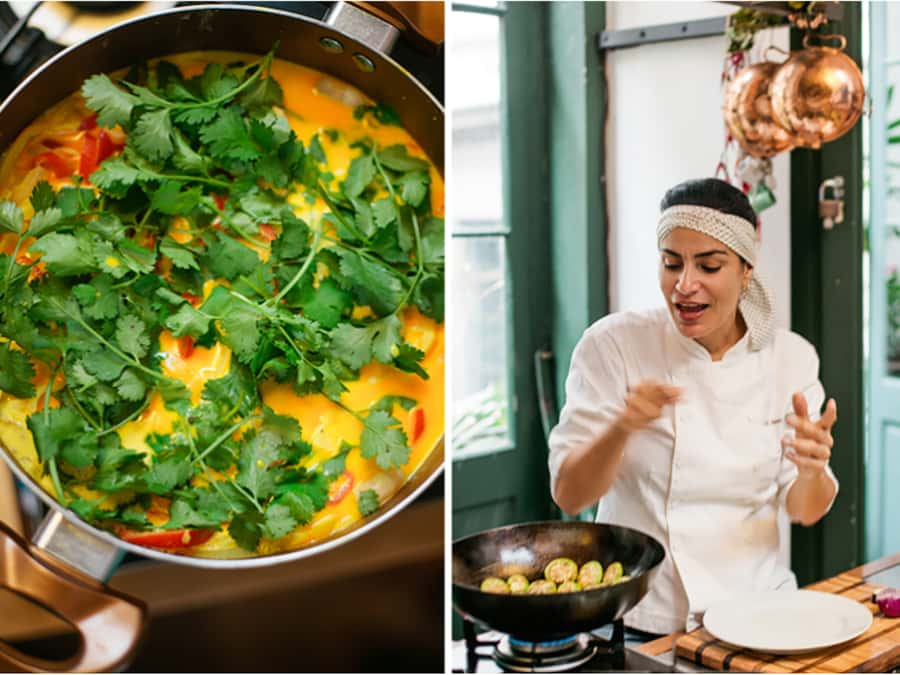
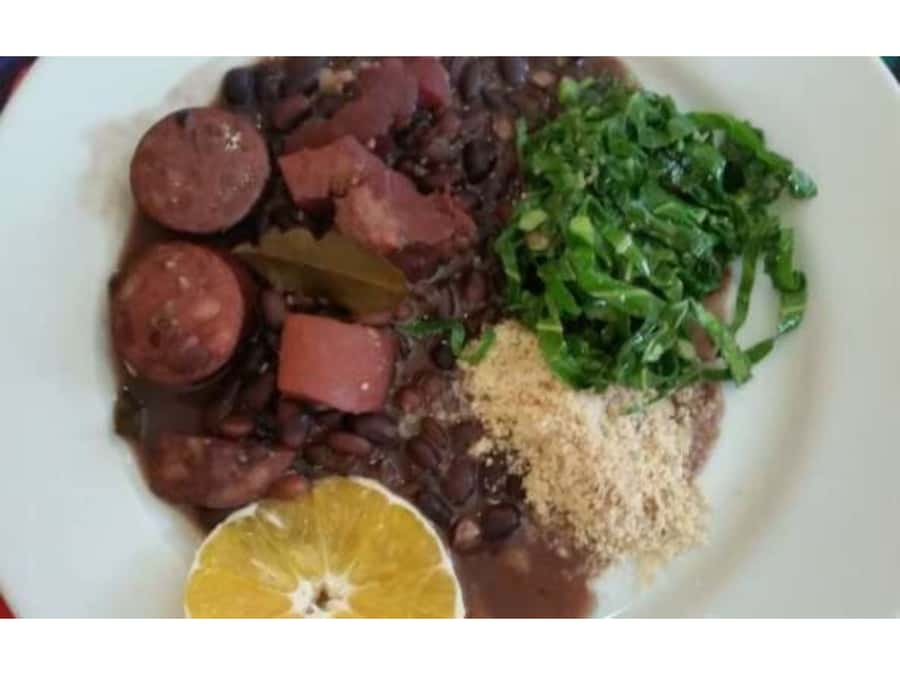
5) Feijoada or seafood moqueca (main dish, depending on day)
This is where the class really earns its keep. You’re not learning a small side recipe—you’re making a central dish Brazilians associate with comfort and celebration.
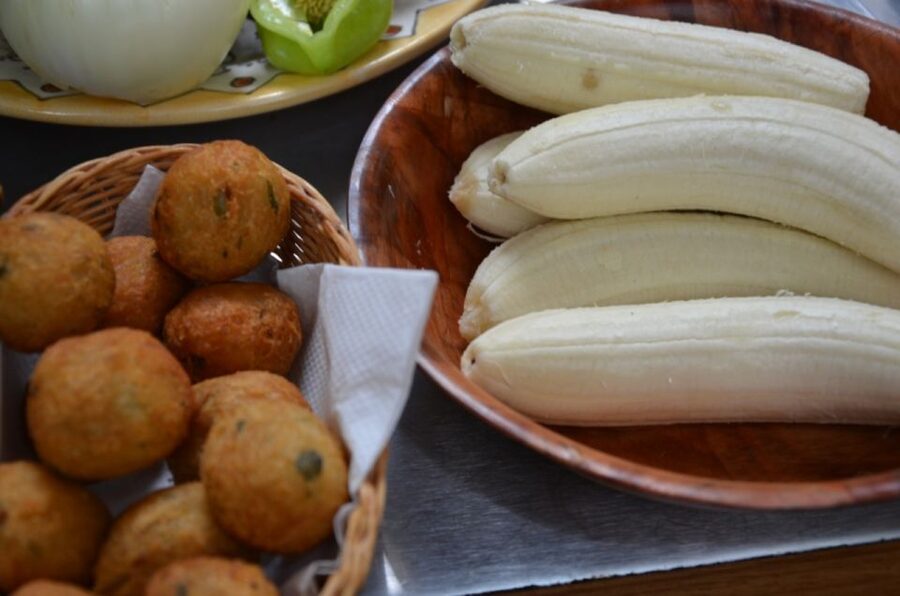
6) Banana farofa with flavored rice
Farofa is a Brazilian side that deserves the hype. It gives crunch, texture, and that grainy, toasted flavor that keeps a plate from feeling flat.
7) Surprise dessert (varies)
Dessert can rotate based on what exotic fruits are available or what the chef produces, like brigadeiro or doce de leite. The payoff: you get a taste of Brazilian home-style sweetness rather than a generic menu item.
By the end, you’re not just eating. You’ve handled a full set of flavors—from sweet-spicy jam to citrus drinks to a hearty main and a textured side.
Moqueca or Feijoada: The Day-of-Week Switch That Makes Planning Worth It
One of the simplest ways to pick the best day is knowing what you’ll cook.
- Mondays, Wednesdays, and Fridays: seafood moqueca
- Saturdays: black bean feijoada
Moqueca is the seafood option. If you like bright flavors and want something that tastes like it belongs to Brazil’s coastal identity, this is the one to target. It also tends to feel slightly lighter on the palate than a bean-heavy main, even though it’s still deeply flavorful.
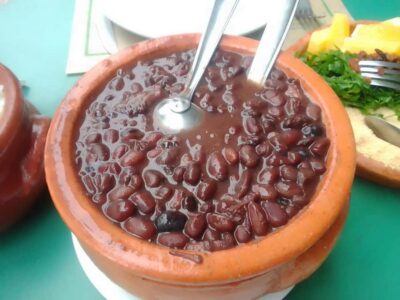
Feijoada is the black bean classic with pork (often a signature combination). If your idea of a great cooking class includes hearty comfort food, this is the day. It’s also the dish that shows up in the standout feedback: people specifically recommend the feijoada for how good it is.
You’ll also get cassava sticks alongside the meal. That matters more than it sounds. Cassava sticks add a crisp, starchy contrast that makes the whole plate feel more complete, like you’re eating a real Brazilian table spread instead of a set of plated samples.
If you’re deciding between days, choose based on your main preference:
- Want seafood and a coastal feel? Pick Moqueca days.
- Want the most iconic comfort-food vibe? Pick Saturday for Feijoada.
Inside the Class Flow: From Prep to the Toasted-Tasting Finish
A good cooking class doesn’t just tell you what to do—it guides your timing. This one is built around a smooth rhythm: you meet your instructor, get oriented, cook through the menu steps, then sit down to eat.
The class format is practical and designed for all experience levels. No special skills are required. You’ll be taught the techniques and helped through the process, which is a big deal if you usually worry about ruining a dish.
During cooking, you can expect two things that make the time feel efficient:
- Step-by-step instruction as you work through each recipe
- Space for questions, since the group is small
Chef Simone’s teaching style is described as both attentive and entertaining, and that shows up in the way the class feels. The atmosphere is safe and welcoming, which makes a difference when you’re handling knives, hot pans, and unfamiliar spices for the first time.
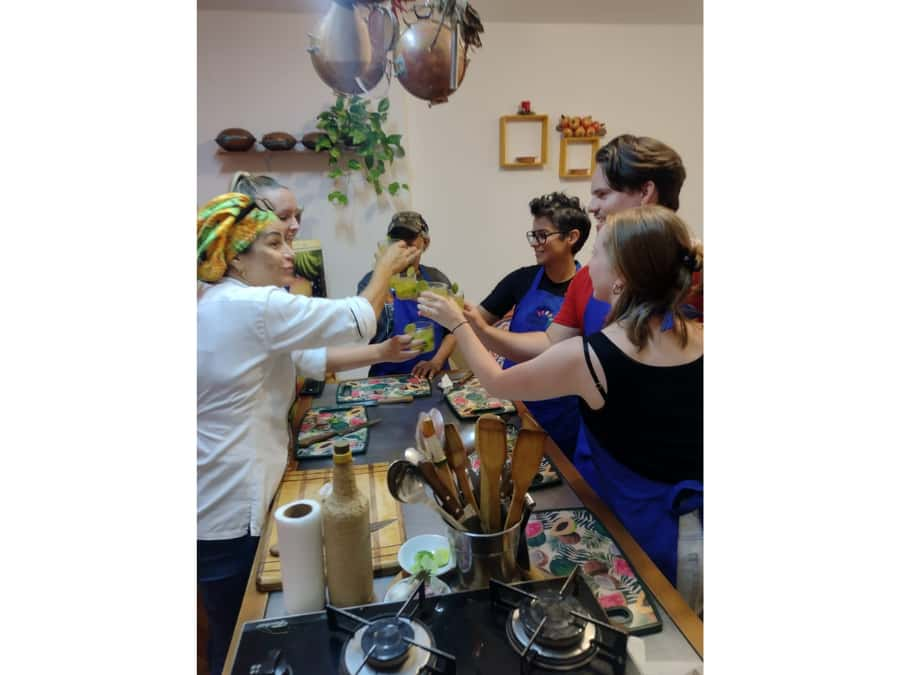
Then comes the best part: after everything is cooked, you sit with the instructor. You toast your efforts, taste the food you made, and finish with the drinks. It’s not just eating; it’s closing the loop on the lesson so you understand why each part works together.
This is one of those classes where the social factor is real. One of the strongest comments was that it felt like socializing with people who had known each other for ages, not like a formal class where you keep to yourself.
Still browsing Rio De Janeiro? These are the ones we go back to
Drinks, Texture, and the Brazilian Flavor Logic You’ll Actually Use at Home
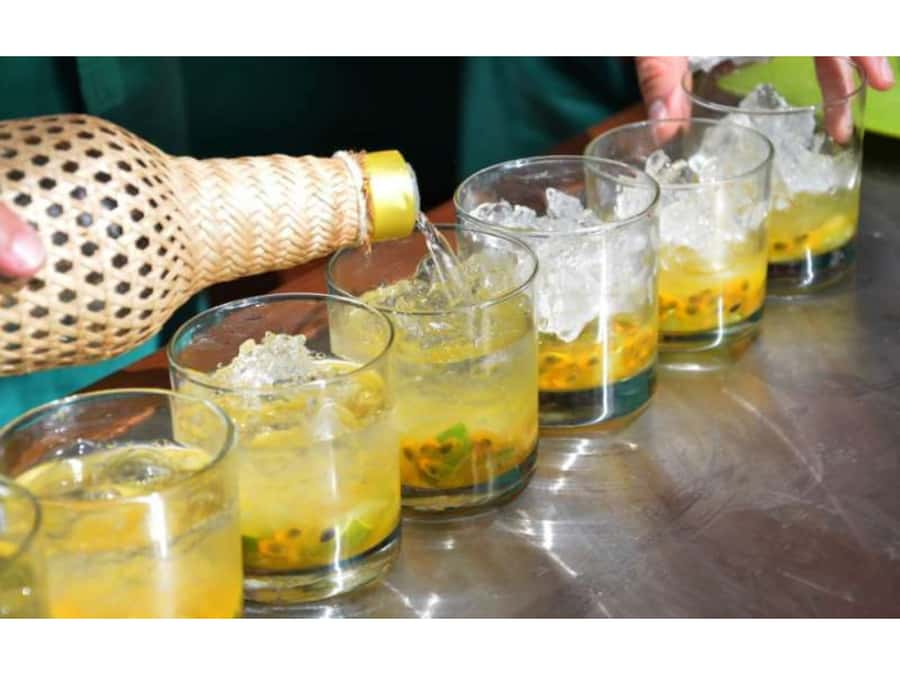
The menu isn’t random. It teaches a repeatable Brazilian flavor logic.
- Acid and brightness: the lime caipirinha brings sharp citrus energy.
- Creaminess and comfort: coconut shows up in batida de coco and balances fried starters.
- Texture balance: farofa adds crunch and toasted grain character against softer dishes.
- Hearty backbone: feijoada’s beans and pork, or moqueca’s seafood and sauce base, provide the main depth.
- Sweet finishing: dessert rotates, but it consistently keeps the plate from ending on a heavy note.
What I like for home cooks is that the ingredients are described as globally available. Even if you can’t find a perfect regional brand, you can generally recreate the dishes with what’s available in many countries. That’s the difference between a cooking class that stays a memory and one that becomes a weekend habit.
You’ll also learn through observation, not just from a recipe card. Watching the chef guide the process—how things are fried, how the main is built, how sides are seasoned—helps you understand what to look for when you’re cooking later.
If you’re a complete beginner, don’t worry. The class is set up so you can follow along without prior experience. If you’re a more confident cook, you’ll still appreciate the cultural context—how Brazilian food combines local ingredients with clear, repeatable technique.
Price and Value: Is $220 Worth It in Rio?
At $220 per person for a cooking class, you should ask two questions: what’s included, and what do you get beyond food?
On the included side, this isn’t a barebones session. You get:
- The cooking class itself
- 5 dishes and 2 drinks
- All ingredients and equipment
- VAT, taxes, and handling charges
That matters because many cooking experiences charge extra once you add in ingredients or equipment. Here, you’re paying for the full meal + instruction + setup.
The small group size (max 7) is also part of the value equation. You’re paying for more attention per person, not just the chance to cook something while the instructor handles everything else.
The only major thing not included is transportation. That can be a deal-maker or deal-breaker depending on where you’re staying. If you can get to Copacabana easily, the price feels more fair. If you’d need a long, expensive ride just to start, factor that into your total cost.
For me, the best “value signal” is the full table outcome. You leave with a complete meal, not a snack and a cookbook promise.
Who Should Book This Brazilian Cooking Class (and Who Might Skip It)
I’d book this if you want a hands-on food experience in Rio that feels grounded and personal. It’s ideal for couples, small groups, and food lovers who like learning as they cook. The language options—Portuguese, English, Spanish—also help, especially if you’re traveling with people who don’t all speak the same language.
You should also like this class if you enjoy food culture. The instruction includes Brazil’s food history and context, and the tone is described as friendly and social. That combination is great for travelers who don’t just want recipes, but want to understand why they matter.
You might skip it if you’re only looking for quick, passive sightseeing. This is active. You’ll cook, stand at a station, and participate. If you’re burned out from walking all day and want a low-effort activity, consider a different kind of tour.
Also think about the day-of-week menu. If Feijoada is your must-have, Saturday is your best bet. If seafood is your priority, plan for Monday, Wednesday, or Friday.
Should You Book It? My Practical Take
Yes, you should book this class if you’re looking for a small-group, instructor-led way to experience Brazilian cuisine in a real studio setting. The class has a strong track record for being friendly, safe, and fun, and Chef Simone’s vibe is repeatedly highlighted as a big part of why it works.
I’d book it especially if you want more than one reason to feel satisfied:
- You cook a complete spread (not just one dish)
- You get both drinks and dessert
- You sit down afterward and actually taste what you made
- You get day-of-week variety with moqueca vs feijoada
The only reason to hesitate is logistics. Transportation isn’t included, and Copacabana access can be easy or annoying depending on your hotel. If you solve that—by planning a reliable route—the rest of the experience looks like solid value.
FAQ
How long is the Brazilian cooking class?
The duration is listed as 3 hours. Some descriptions also frame it as a longer cooking session, but the practical schedule you’re booking is 3 hours.
What recipes will I learn?
The menu is built around 7 Brazilian favorites, served in a meal that includes 5 dishes plus 2 drinks. Expect fried cheese with spicy guava jam, fried sausage slivers, lime caipirinha, batida de coco, a main dish (feijoada or moqueca), banana farofa with flavored rice, and a surprise dessert that varies.
Do I cook both moqueca and feijoada?
No. You cook one main dish based on the day of the week: seafood moqueca on Mondays, Wednesdays, and Fridays, and black bean feijoada on Saturdays.
Is any cooking experience required?
No experience is required. The class is designed for novices and cooking enthusiasts alike, with guidance from the instructor during the process.
What drinks are included?
The experience includes 2 drinks with the meal, including a lime caipirinha and a coconut-based drink (batida de coco). The class also lists two alcoholic drinks as part of the experience.
Will I eat what I cook?
Yes. After you cook and the meal is prepared, you sit down with the instructor to toast your efforts and taste the food you made.
What’s included in the price?
Included are the cooking class, 5 dishes, 2 drinks, and all ingredients and equipment needed. VAT, taxes, and handling charges are also included.
Is transportation included?
No. Pick-up and drop-off are not included, so you’ll need to arrange your own travel to and from the studio.
How big are the groups?
Classes have a maximum of 7 participants, which helps keep the experience more personal.
What languages does the instructor speak?
The instructor supports Portuguese, English, and Spanish.
(If you want one quick decision tip)
If you can handle a straightforward trip to Copacabana, and you want a hands-on meal plus a friendly instructor moment at the table, this is a strong Rio pick—especially on the day that matches your main craving, moqueca or feijoada.
More Cooking Classes in Rio De Janeiro

More Tour Reviews in Rio De Janeiro






More Churrasco and Food Tours





Fresh off the review desk: newer Rio De Janeiro tours we have been out on





Churrasco & Food Tours, compared.
 ★ 4.5Christ the Redeemer, Sugarloaf, Selaron & BBQ LunchFrom $692,428 reviews
 ★ 4.0Skip the Line to Christ Redeemer, Sugar Loaf and Barbecue LunchFrom $113593 reviews
 ★ 4.0Rio From the Sea: Guanabara Bay Cruise with Optional Barbecue LunchFrom $7488 reviews
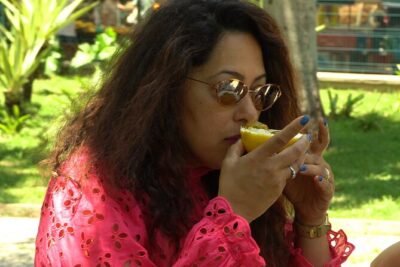 ★ 5.0Guided Market Fruit Tasting in Rio with 15+ Exotic FlavorsFrom $4968 reviews
 ★ 5.0City Tour Full VIP – Corcovado Train + Churrascaria RodízioFrom $14743 reviews
 ★ 5.0African Heritage: Gastronomy and Musicality ExperienceFrom $11039 reviews
 ★ 5.0A socio-educational and gastronomic experience in the Vidigal favelaFrom $5539 reviews
 ★ 4.2Barra da Tijuca Walk & Food Tour with DrinksFrom $019 reviews
Browse the lists this tour appears in