
Reviewed · FAVELA COMMUNITY TOURS
Favela Santa Marta: Walking Tour with local guide
A favela tour that feels human. That is what you get on Favela Santa Marta, a 150-minute walk with a local guide through Dona Marta’s streets, arts spots, and viewpoints. I especially like how the tour brings you to real community projects and how the guide’s storytelling turns stereotypes off, fast. You may even run into a guide like Marco, praised by French-speaking visitors for explaining the neighborhood with care.
The best part, for me, is the mix of everyday life and landmarks: street art, traditional homes, a sports center, and the famous Laje do Michael Jackson statue. It is also one of the few ways to see the neighborhood with context, not just photos. One thing to keep in mind: the experience depends a lot on your assigned guide and timing, so if you want a specific language, double-check that day-of fit.
Also, plan for the walk itself. If the Santa Marta Cable Car is not running, you’ll go up by foot with your guide (or take a taxi at your own cost), which changes the “easy vs. active” feel of the tour.
In This Review
- Key things that make this tour work
- Dona Marta starts with a ride up (and why it matters)
- Walking with a local guide, not a lecture
- Arts and sports stops: what you’re really being shown
- Street art and traditional houses: seeing the neighborhood’s voice
- Laje do Michael Jackson: pop culture with a specific Rio location
- The included community stops you can plan around
- Timing and groups: the $34 question
- What to bring so the day feels easy
- Who this tour suits best (and who should reconsider)
- When the cable car is down
- My bottom line: book it for the guide and the story
- FAQ
- How long is the Favela Santa Marta walking tour?
- How much does it cost?
- What languages are available?
- Is food included in the tour price?
- Do we visit a daycare?
- What if the Santa Marta Cable Car is not operating?
- What should I bring?
- Where do we meet?
- Is the tour suitable for people with mobility impairments?
Key things that make this tour work
- Funicular + walking combo: you get a quick change in elevation, then real street-level context
- Local guide focus: the tour is designed for living residents, not outsiders performing a script
- Community projects you can actually see: arts center, sports center, social spaces, and more
- Laje do Michael Jackson viewpoint: that statue ties pop culture to a specific Rio place
- Small-group or private options: easier questions, less time waiting around
- English, French, Spanish, and Portuguese: useful when you want the history in your language
Up the hillside in Vidigal and Santa Marta
- Rio de Janeiro: Favela Santa Marta Tour with Resident Guide★ 4.6 · 220 reviews
- Rio de Janeiro: Vidigal Favela Tour and Two Brothers Hike★ 4.5 · 121 reviews
- 2h30 circuit in the Vidigal Favela★ 5.0 · 88 reviews
- Rio de Janeiro: Private Sunrise Tour at Mirante Dona Marta★ 4.7 · 81 reviews
Dona Marta starts with a ride up (and why it matters)
The experience begins at Dona Marta, and the first move is practical: you take the funicular up to the higher part of the favela. It is not just a convenience. Starting higher helps you cover more ground on foot without turning the tour into one long uphill grind.
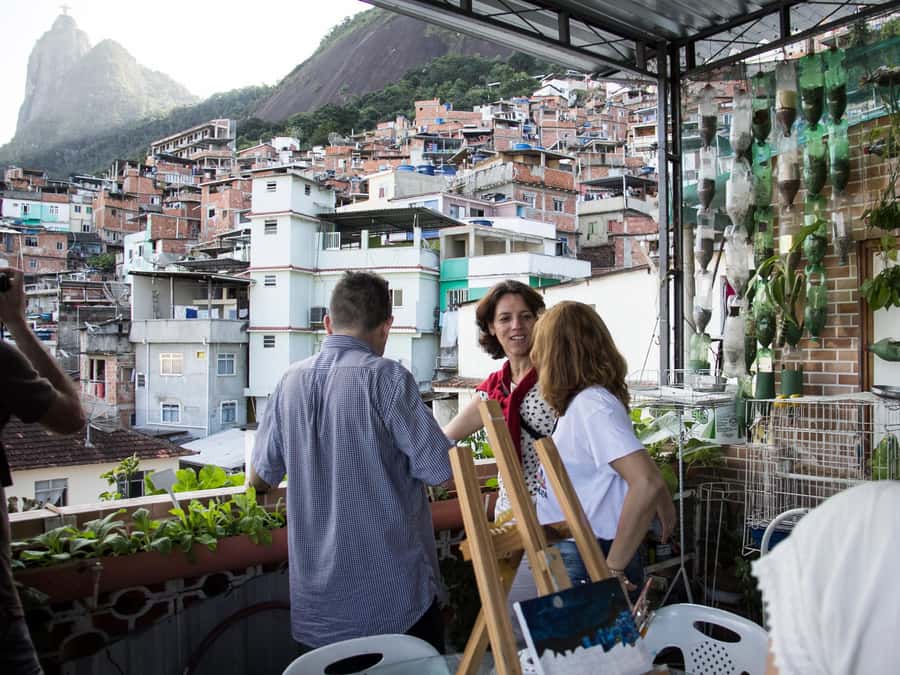
From the top, you switch into walking mode and the guide sets the tone right away. Expect the streets to unfold like a living map—colorful houses, visible daily routines, and stories that connect the neighborhood’s present to what shaped it. This is the part where many first-timers realize the labels they brought with them do not explain anything.
If the Santa Marta Cable Car is not operating, you’ll still go up, but the method changes. You’ll either walk with your guide or you can take a taxi (listed at about R$ 15). That’s why I treat this tour as “active culture,” not a sit-and-look experience.
Walking with a local guide, not a lecture
This tour’s value is in how it handles history and stereotypes. You hear about the neighborhood as a place that houses around 8,000 residents, with more than one side to the story. The guide’s job is to connect you to what residents live with, what they build, and what they work on day to day.
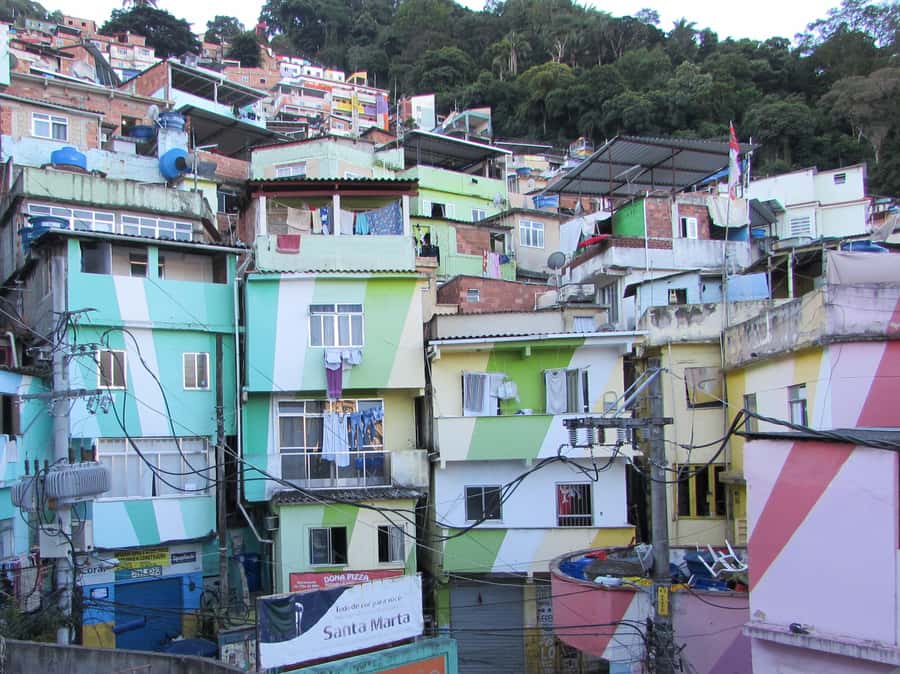
You’ll walk through streets where the physical details do a lot of the teaching. There are street art murals, colorful traditional houses, and community spaces you’d likely miss if you wandered on your own. The guiding is meant to correct assumptions you might have from movies, headlines, or secondhand opinions.
Language matters here. One of the lower-rated experiences described a guide who was only able to speak a few words of the requested language and delivered fewer explanations than expected. If language is important to you, choose carefully when you book and arrive ready to communicate clearly if anything changes.
Arts and sports stops: what you’re really being shown
As you move through Dona Marta, the tour includes visits tied to everyday community life—not just scenery. One stop is the Dona Marta arts center, where the neighborhood’s creativity is treated as something practical and local, not a tourist attraction. Even if you are not an arts person, this gives you a sense of what people have access to and what they prioritize.
Then there’s a sports center. This is a surprisingly powerful contrast: it reminds you that community investment isn’t only about classrooms or murals. Sports can be a social hub, a place where kids and teens belong, and a way to build routine and hope.
The way the guide connects these spots is a big part of why the reviews run high. Many comments point to an excellent guide who provided lots of context about origin and daily life, especially in French. That is also why “just a walk” would feel disappointing—because the tour’s goal is to attach meaning to what you’re seeing.
More tours led by the people who live there

Street art and traditional houses: seeing the neighborhood’s voice
A favela is not a single style. What you’ll notice on this tour is variety. You move between street art murals and colorful traditional houses, and the guide explains why those visual elements exist where they do.
This is where I think the tour earns trust. It’s easy to take photos in a place and call it understanding. The guide’s storytelling pushes beyond that—pointing out how public art and local building choices relate to identity and community effort. It is the kind of walking lesson that stays with you after you leave.
One practical thought: wear shoes you can trust. You’ll be on uneven surfaces at street level, and the “real neighborhood” feel means the ground is not polished like a museum path.
Laje do Michael Jackson: pop culture with a specific Rio location
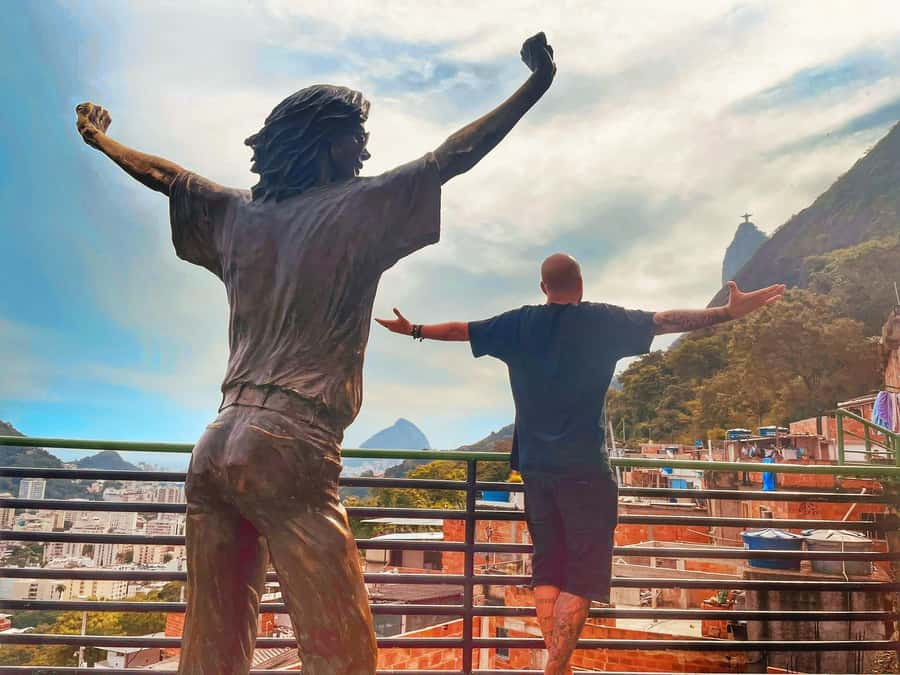
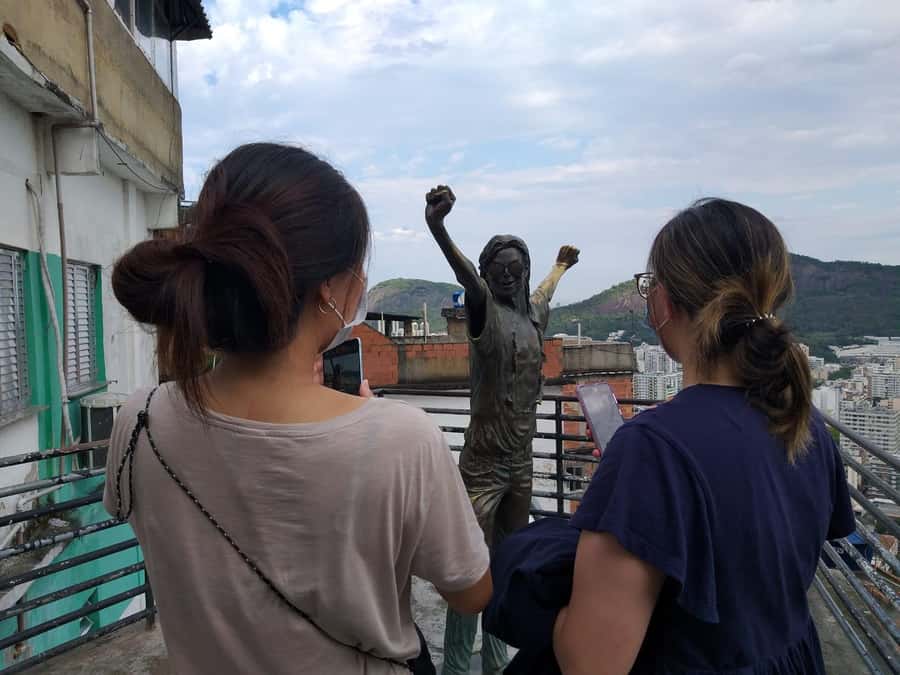
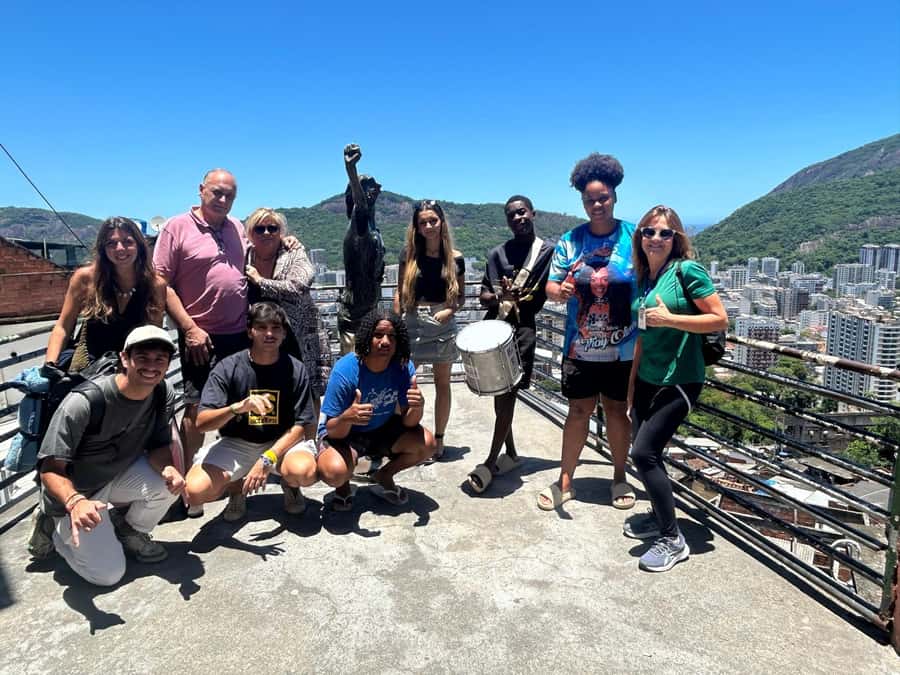
One of the tour’s headline moments is a stop at Laje do Michael Jackson, a viewpoint with a statue connected to Michael Jackson’s hit They Don’t Care About Us. The statue is tied to the story of where the music video was set, and the guide uses that connection to talk about how global pop culture lands in local space.
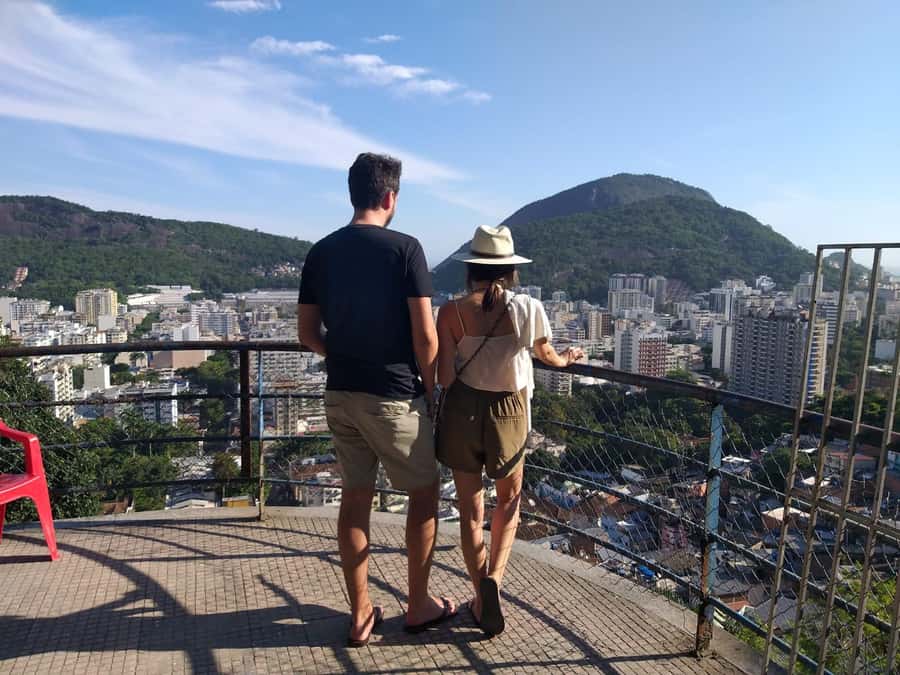
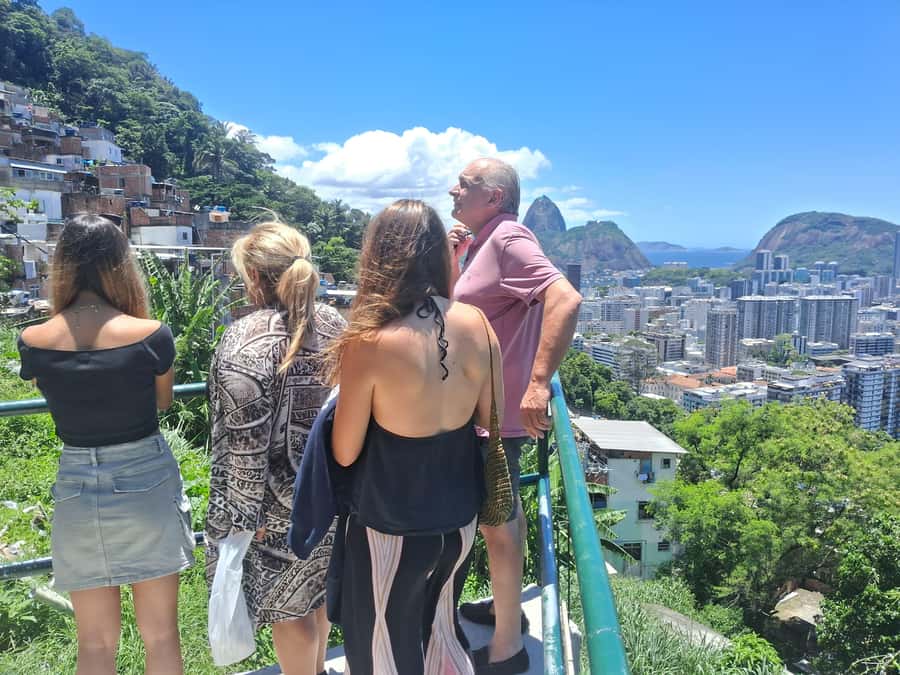
But the bigger payoff is the view. From this viewpoint, you get a spectacular overlook across the region’s mountains. It’s the kind of sight that makes the climb feel worth it, even when you’re tired halfway through.
This stop also helps the tour do something important: it changes the pace. You go from learning street details to looking outward, which is what your brain needs after absorbing a dense neighborhood reality. It is a good “reset” moment.
The included community stops you can plan around
Beyond the major sights, the tour includes several community-focused visits. You’ll visit the Residents’ Association and social projects, and you’ll have time for handicraft shops. There’s also a community daycare stop listed as included when open—so don’t expect it every single day.
Daycare is one of those inclusions that can add emotional weight. If it’s open, it’s a direct look at how families and caregivers organize support for children. If it’s not, the guide should still keep the tour moving through the other community stops, but the exact feel of your day may shift.
Handicraft stops also function as practical support for local makers. Bring some cash if you want to buy souvenirs or small items. Even if you don’t shop, these stops help you understand how products, skills, and community networks work together.
Food is not included. You can buy your own food at a pub during the tour, which gives you control over what you eat. I’d treat that as “be ready to snack,” especially if you tend to get hungry after an active walk.
Timing and groups: the $34 question
The tour costs $34 per person and runs 150 minutes. For Rio, that is a reasonable price when you consider what you’re getting: guided context, multiple community stops, and a viewpoint that links the neighborhood to a global reference point.
Value, though, depends on execution. A late guide or a mismatch in the booked language can turn a structured experience into a slower, less informative walk. One negative review described a guide arriving late (and offering fewer explanations than expected), so it’s worth taking the tour seriously and building in patience.
The upside is that the tour is offered as private or small groups. Smaller groups are often where you get better questions and faster adaptation if something changes—like transport delays or a closed stop.
If you’re on a tight schedule, remember the tour is 2.5 hours, which is long enough to feel like an actual block of your day. If you’re the type who likes “one big thing” instead of ten quick photos, this format fits well.
What to bring so the day feels easy
You don’t need fancy gear, but you do need comfort. Bring passport or ID, comfortable shoes, and cash for souvenirs, food, or drinks at local stores. If you forget cash, you’ll miss out on purchases—and you might feel annoyed at the end of the day when it’s too late to fix.
Weather can also change the vibe. The tour can take place in light rain, so dress accordingly. A lightweight rain layer helps. Just remember: you’re walking on streets, so slip resistance matters.
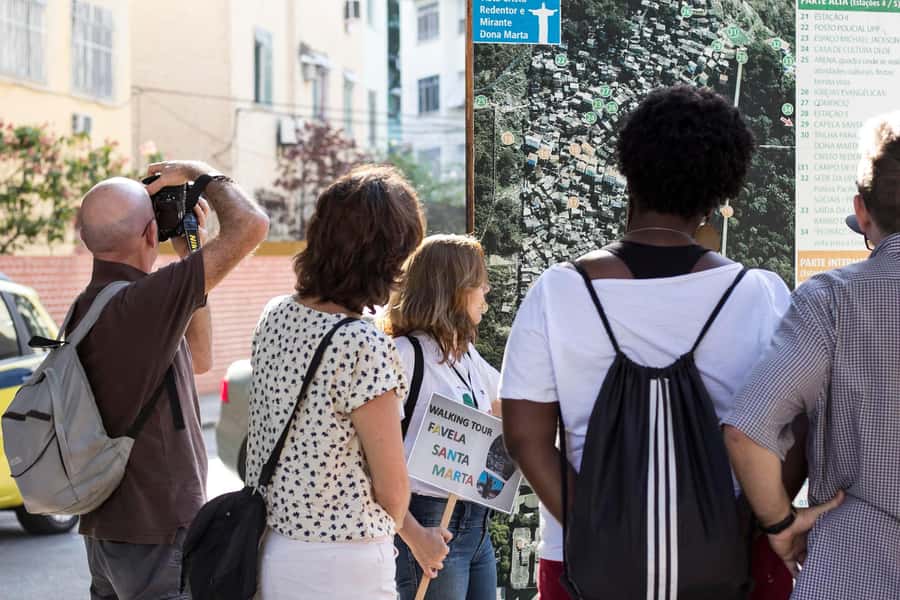
Meeting point can vary by the option you book. Before you go, confirm where you’ll meet so you don’t waste time searching while other people are already heading to the cable/funicular start.
Who this tour suits best (and who should reconsider)
This tour is best for people who want context and respect. If you’re curious about how residents live, how community projects work, and how visible art connects to identity, you’ll get a lot from the guide-led pace.
It is also a solid choice for first-timers who worry about jumping into a neighborhood with no orientation. The guides are there for the why behind what you see.
Mobility limitations are a clear issue. The tour is not suitable for people with mobility impairments, since it involves walking through the favela and the route may change if the cable car is down.
If you’re traveling with kids, it can work well too. One French review mentioned doing it with a daughter and finding it very interesting, which suggests the tone is approachable for families when the guide is strong.
When the cable car is down
This is a key planning point because it changes the physical load. If the Santa Marta Cable Car is not operating, you’ll either walk to the top with your guide or take a taxi (around R$ 15). Either way, the tour still happens, but your personal energy level will decide whether you feel great or just “tough it out.”
If you’re choosing between shoes and patience, shoes win every time. When you add extra walking time, comfortable footwear becomes the difference between a memorable day and a sore one.
My bottom line: book it for the guide and the story
I’d book Favela Santa Marta if you want an honest, guide-led walk that connects street views to real community projects. The tour’s strongest asset is the human part: the explanations, the community stops, and the way you learn to see past stereotypes.
But I’d be a bit cautious if you need a specific language perfectly delivered. Since one experience reported a guide with limited language skills and fewer explanations, treat language as a priority when you reserve. Also, arrive ready for an active walk and keep an open mind if weather or operations change how you reach the top.
If that sounds like your style of travel—curious, respectful, comfortable walking—this one is a strong bet.
FAQ
How long is the Favela Santa Marta walking tour?
The tour duration is 150 minutes.
How much does it cost?
It costs $34 per person.
What languages are available?
The live tour guide is available in English, French, Spanish, and Portuguese.
Is food included in the tour price?
Food is not included. You can buy your own food at a pub during the tour.
Do we visit a daycare?
A visit to the community daycare is included when it is open.
What if the Santa Marta Cable Car is not operating?
If the cable car is not operating, you will have to walk to the top accompanied by your guide. Alternatively, you can take a taxi (about R$ 15).
What should I bring?
Bring your passport or ID card, comfortable shoes, and cash.
Where do we meet?
The meeting point may vary depending on the option booked.
Is the tour suitable for people with mobility impairments?
No, it is not suitable for people with mobility impairments.
More Tour Reviews in Rio De Janeiro






More Community-Led Tours



More of Vidigal and Santa Marta



Fresh off the review desk: newer Rio De Janeiro tours we have been out on





Favela Community Tours, compared.
 ★ 4.8Rocinha Favela Walking Tour with Local GuideFrom $363,052 reviews
 ★ 4.7Rio De Janeiro: Half-Day Rocinha Favela Walking TourFrom $352,272 reviews
 ★ 4.9Favela Santa Marta Top Tour with Local GuideFrom $28488 reviews
 ★ 4.6Favela Santa Marta Tour with Resident GuideFrom $27220 reviews
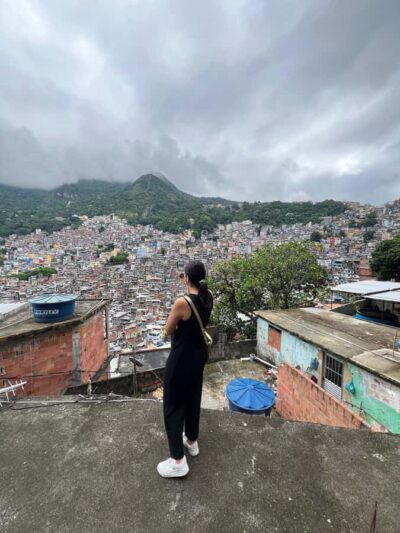 ★ 4.7Favela Rocinha Tour with Local Guide & Secret SpotsFrom $43218 reviews
 ★ 4.5Vidigal Favela Tour and Two Brothers HikeFrom $88121 reviews
 ★ 4.5Favela Tour The Original, Rocinha & Vila Canoas since 1992From $33113 reviews
 ★ 5.02h30 circuit in the Vidigal FavelaFrom $5088 reviews
Browse the lists this tour appears in