
A hike with real payoff beats a view from a distance. Papagaio Peak puts you on top of the Tijuca rainforest, with big skyline views over Rio’s neighborhoods and a guide who brings the forest to life as you walk. I like that this isn’t a rushed sightseeing lap; it’s a focused guided hike plus a waterfall refresh.
Two things I especially like: you get the “inside the rainforest” feeling in one of the most preserved parts of the Atlantic forest near Rio, and the small group size helps you actually hear the guide’s stories. You’ll also spend real time looking out over Rio, spotting the North, South, and Downtown areas from the summit. One consideration: it’s described as moderate to hard and not suitable for mobility limits or people afraid of heights.
In This Review
- Key highlights you’ll actually feel
- Why Papagaio Peak is such a smart use of a Rio day
- Tijuca Rainforest: the city-forest story you’ll want in your head
- The start: pickup, transfer, and a quick waterfall look
- Walking time in Tijuca National Park: what the hike really feels like
- Vista Chinesa photo stop: framing the summit day
- Papagaio Peak summit: spotting Rio’s North, South, and Downtown
- Waterfall time: the refreshing end you’ll plan around
- Price and value: what you’re paying for at about $50
- Who this hike fits best (and who should choose differently)
- Tips that make the day smoother
- Should you book this Papagaio Peak hike with Alexandre?
- FAQ
- How long is the Papagaio Peak hike tour?
- What does the tour cost?
- Is pickup included, and where does it cover?
- What’s the group size?
- What language is the guide available in?
- Do I need to bring food or water?
- Is the tour suitable for people with mobility issues or fear of heights?
Key highlights you’ll actually feel
- Papagaio Peak summit: 982 meters above sea level, with panoramic views across Rio’s North, South, and Downtown zones
- Small group (up to 4): easier pace, more questions for your guide, and less crowd pressure on narrow trails
- Tijuca Rainforest immersion on foot: about 5 kilometers walked inside a preserved Atlantic rainforest area
- Stop-and-look photo moments: quick visits at Cascatinha Taunay and Vista Chinesa to frame the day
- Waterfall shower after the hike: a practical cool-down and a fun way to end the effort
Deeper into the Tijuca forest and its waterfalls
- Rio de Janeiro: Christ, Selaron Steps, and Tijuca Park Tour★ 4.7 · 857 reviews
- Rio de Janeiro: Guided Jeep Tour through Tijuca Rainforest★ 4.3 · 740 reviews
- Jeep Adventure: Guided Tour through Tijuca Rain Forest★ 4.0 · 554 reviews
- Rio: Tijuca Forest Small Group Hike to Caves and Waterfalls★ 4.9 · 536 reviews
Why Papagaio Peak is such a smart use of a Rio day
Papagaio Peak is the kind of hike that makes you forget you’re in a huge city. You’re walking inside the Tijuca rainforest, and once you’re near the top, Rio’s geography clicks into place in a way you just can’t get from street-level.
What makes this outing work well is the rhythm. You’re moving for hours, then you pause for photo stops, then you climb again, and you finish with a cool reset at a waterfall. It’s not just about checking a box for views. It’s about earning them.
The summit view is the headline, sure. But for me, the more interesting part is what your guide helps you notice along the way: plants, animal life, and how this forest ended up so close to Rio. That context changes how you look at every tree and every bend in the trail.
Tijuca Rainforest: the city-forest story you’ll want in your head
Tijuca Rainforest is known as one of the largest urban forests in the world, and it shows. Even though you’re in Rio, the trail runs through a protected-feeling pocket of green where your senses slow down.
Your guide talks about the forest’s history and what grows here. You’ll hear about the flora and fauna as you walk, not just at one stop. That matters, because the rainforest is easy to pass through without noticing anything. With a specialist guide, you start making connections: what you see, what it does, and why it belongs.
There’s also a nice “ask me anything” vibe to this tour. The guide leading the hike is Alexandre Gheiner, and he’s known for sharing Rio and Tijuca stories with humor and practical detail. One example that stands out from past groups: he’s willing to talk about the contested origin of jackfruits in Rio. Even if that exact topic isn’t on your mind, the takeaway is that you’re with someone who enjoys explaining what you’re seeing.
The start: pickup, transfer, and a quick waterfall look
You’ll get pickup from Rio de Janeiro South zone or Downtown areas. The plan includes waiting about 10 minutes before your scheduled pickup time, so build in a little buffer and keep an eye out.
Then comes a short transfer into the park area. This time is useful even if you’re itching to start walking. It gives you a moment to settle, get oriented, and mentally switch from city pace to hike pace.
The first real stop is Cascatinha Taunay, where you get a short visit and photo time. It’s a way to warm up visually, and it sets the tone for the day: this is a hike inside a forest, not a trek that ignores the “why” of the place.
A small practical point: since food and water aren’t included, this is also a good moment to check you have enough supplies before you start the longer walk.
Bigger climbs: more Rio peak hikes we have logged


Walking time in Tijuca National Park: what the hike really feels like
The main portion of the day is in Tijuca National Park with about four hours of hiking. The route is described as moderate to hard, and you’ll be walking around 5 kilometers through the preserved Atlantic rainforest area.
That mix matters. Four hours is enough time to earn the summit view, but it’s still short enough that you won’t feel like you’ve disappeared into a multi-day trek. The trail distance also suggests you should plan for steady effort rather than constant sprinting.
On this kind of hike, the best strategy is simple: pace yourself early. You’ll feel the elevation and the humidity shift in the forest, and you want energy for the climb toward the summit views. Wear comfortable shoes with grip. If you’ve got hiking sneakers, this is the day to use them.
Your guide will keep you moving with explanations along the way. The benefit isn’t just learning names of plants. It’s learning how to read the environment: where the forest changes, what to look for, and how Tijuca’s ecosystem works alongside a city of millions.
And yes, weather plays a role. If it’s cloudy, the views can be less dramatic. Still, a gray day doesn’t cancel the experience; you’ll trade sharp skyline clarity for softer, forest-first scenery and continued stories as you walk.
Vista Chinesa photo stop: framing the summit day
Midway through the experience, you’ll get a photo stop at Vista Chinesa. It’s short, but it’s a useful pause. In a hike like this, quick breaks can reset your breathing and let you reposition mentally before the big view moments.
Vista Chinesa is also a reminder that this area is built around viewpoints. So even as you’re hiking through the forest, you’re not wandering aimlessly. You’re moving toward lookouts, which helps the day feel purposeful rather than just strenuous.
If you’re the type who enjoys composition—where to stand, what angles show depth—you’ll appreciate these short stops. They’re like chapters in a story: the forest, then the perspective, then the payoff.
Papagaio Peak summit: spotting Rio’s North, South, and Downtown
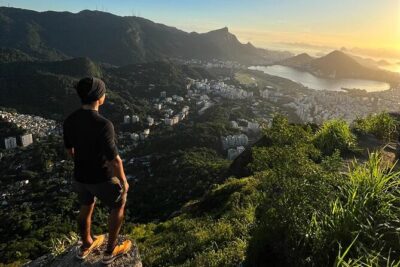
The reason you do this tour is the summit. Papagaio Peak sits at 982 meters, and from the top you can see Rio’s North, South, and Downtown areas. That’s a big deal, because Rio’s geography is dramatic and confusing when you’re just riding around in traffic.
From above, you start understanding how the city spreads and how the forest boundary shapes the urban landscape. Your guide can help you interpret what you’re looking at, which makes your photos better because you know what’s where.
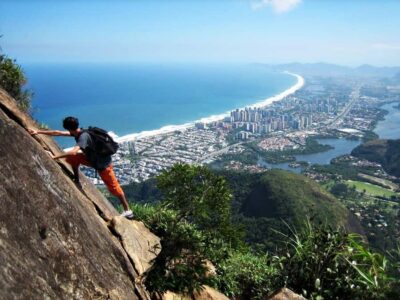
This is also where “heights” can become a real factor. The hike is not suitable for people afraid of heights. Even if you’re physically fit, if you freeze when you’re up high or near exposed spots, this might not be your best match.
If you do go, bring a calm attitude. Keep your body steady, step carefully, and focus on the view rather than the drop. The effort up here is the point.
Waterfall time: the refreshing end you’ll plan around
After the hike, you’ll enjoy a refreshing shower at one of the waterfalls in the Tijuca rainforest. This is one of those “small detail, big impact” parts of the tour. You’ve worked hard for several hours, and instead of just heading home sweaty, you get a reset right in the park.
It also changes how you pack your day. Since food and water aren’t included, you should bring water and snacks for energy. But for the shower, you might also want to think about whether you’ll be comfortable with the experience of washing off in a waterfall setting.
The best part is that it feels natural in the context of the hike. It’s not an extra add-on that has nothing to do with your trail day. It’s tied to the rainforest experience and gives the day a satisfying finish.
Price and value: what you’re paying for at about $50
At around $50 per person, the value comes from several things working together.
You’re getting a specialist guide (Alexandre Gheiner), transportation in and out, hiking time in Tijuca National Park, photo stops, and a waterfall stop. For a half-day activity, that bundle usually costs more when you piece it together yourself, especially in an area where you want the right route and an informed guide.
The small group size (limited to 4 participants) is a big value signal. It usually means a better pacing match, fewer people to manage, and more conversation time as you walk. If you’ve ever been stuck behind a group that hikes slowly or talks over the guide, you’ll understand why this matters.
The tradeoff is on your side: food and water aren’t included. So factor in the cost of snacks, plus bring what you need. Also bring sunscreen and insect repellent. In a rainforest setting, you’ll be happier with protection than with wishful thinking.
Who this hike fits best (and who should choose differently)
This tour makes the most sense if you want more than a quick look from a viewpoint. If you enjoy learning as you move, and you like the idea of walking through a protected forest while learning how it connects to Rio, you’ll have a great time.
You should also be comfortable with a moderate-to-hard hike and about four hours of hiking. The tour isn’t suitable for people with mobility impairments, and it’s not a fit for people afraid of heights. If either of those applies, it’s smarter to choose another Rio option.
Where this really shines is for active travelers who want a guided day without being stuck in a large bus group. Small-group hiking also tends to work well for couples and friends who want a shared experience, plus solo travelers who like getting context from a guide.
Bring practical items and you’ll feel confident:
- Comfortable shoes with grip
- Snacks for energy (since food isn’t included)
- Water (since water isn’t included)
- Sunscreen and insect repellent
Tips that make the day smoother
The biggest improvements to your day are boring but true. You’ll enjoy this hike more if you show up prepared.
Start with your shoes. You’re walking about 5 kilometers inside rainforest trails. Comfort and traction will matter more than style.
Pack snacks and water. The tour doesn’t include either, so plan what you’ll eat during the hike and how much water you’ll need.
Expect the weather to affect the summit view. Cloudy skies may soften the skyline. That doesn’t ruin the day; it just changes the look of the view. If your priority is crisp city outlines, go into it knowing the rainforest can decide what you get.
Ask questions of Alexandre. The guide is known for sharing stories about the forest and Rio. If something grabs your attention—plants, animal life, or the origins of specific fruit—ask. You’ll likely get more than a one-line answer.
Should you book this Papagaio Peak hike with Alexandre?
Book it if you want a guided hike that combines forest learning, real physical effort, and summit views that help you understand Rio’s layout. The small group size and the guide’s storytelling style are strong reasons to choose this over a generic walking tour.
Skip it if you can’t handle moderate-to-hard hiking or if heights make you uncomfortable. This isn’t the kind of tour where you can easily take a different path around the exposed moments.
If you’re ready to trade a bit of effort for an earned view and a rainforest shower, this is a very solid way to spend a Rio day.
FAQ
How long is the Papagaio Peak hike tour?
The tour duration is about 6 hours, including pickup and transfer time, with about 4 hours of hiking inside Tijuca National Park.
What does the tour cost?
The price is listed as $50 per person.
Is pickup included, and where does it cover?
Yes, pickup is included for Rio de Janeiro South zone and Downtown areas. You should wait about 10 minutes before the scheduled pickup time.
What’s the group size?
This is a small group limited to 4 participants.
What language is the guide available in?
The live tour guide is available in English, Spanish, and Portuguese.
Do I need to bring food or water?
Food and snacks are not included, and water isn’t included either. You should bring your own.
Is the tour suitable for people with mobility issues or fear of heights?
No. It is not suitable for people with mobility impairments, and it’s also not suitable for people afraid of heights.
More Tour Reviews in Rio De Janeiro





More Peak Hikes Above Rio





More of the Tijuca Forest



Fresh off the review desk: newer Rio De Janeiro tours we have been out on




Tijuca Forest & Waterfalls, compared.
 ★ 4.7Christ, Selaron Steps, and Tijuca Park TourFrom $68857 reviews
 ★ 4.3Guided Jeep Tour through Tijuca RainforestFrom $90740 reviews
 ★ 4.0Jeep Adventure: Guided Tour through Tijuca Rain ForestFrom $88554 reviews
 ★ 4.9Tijuca Forest Small Group Hike to Caves and WaterfallsFrom $69536 reviews
 ★ 4.7Paraty: Jungle Waterfalls and Cachaça Distillery Jeep TourFrom $37491 reviews
 ★ 4.5Half-Day Jeep Tour at Floresta da TijucaFrom $60353 reviews
 ★ 4.34-Hour Botanical Garden & Tijuca Forest TourFrom $51275 reviews
 ★ 4.5Rio de Janeiro Botanical Garden & Tijuca Forest TourFrom $55168 reviews
Browse the lists this tour appears in