
Reviewed · HISTORIC & DOWNTOWN RIO
Rio de Janeiro Downtown Tour
Downtown Rio in 3 hours feels like a shortcut. This tour stitches together big-name landmarks and artistic stops in one efficient loop, and it’s especially satisfying if you care about how Rio works between Carnival swagger and everyday city life. I love the small-group feel (less chaos, more listening), and I also like how the day builds toward Lapa’s Escadaria Selarón, where the colors and story are impossible to ignore.
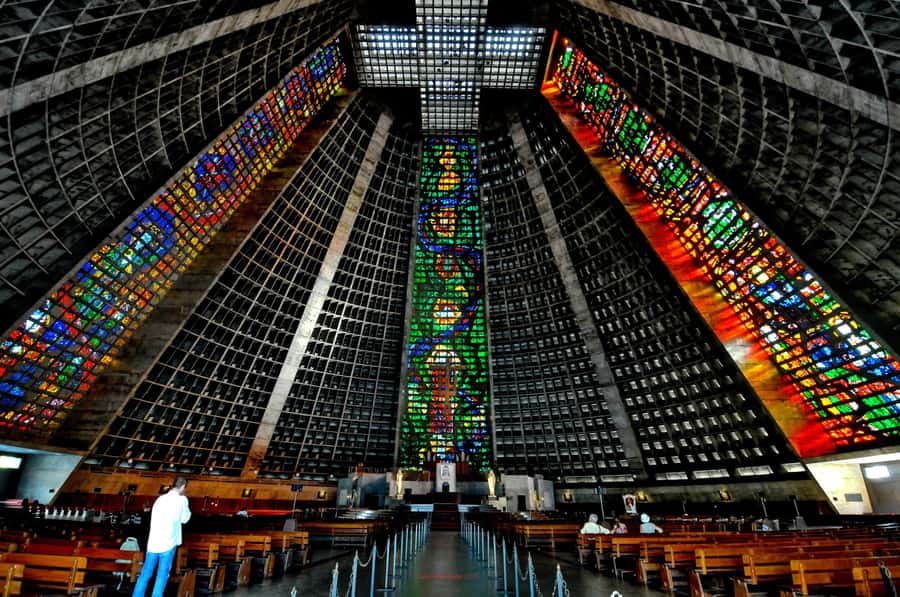
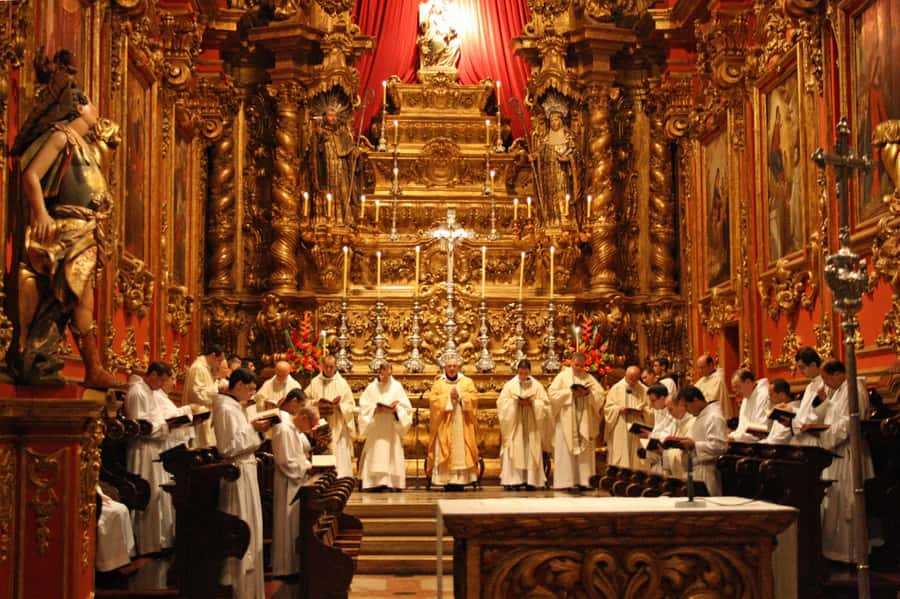
My favorite surprise is the contrast inside Rio’s churches: the Metropolitan Cathedral is modern and sculptural, then the São Bento Monastery flips the mood with baroque and rococo-style detail. One drawback to plan for: the schedule depends on traffic. If the streets jam up, you may spend more time rolling by sights than lingering at them.
In This Review
- Key things to know before you go
- Downtown Rio, mapped in one loop
- Pickup window and the real traffic test
- Maracanã Stadium and the Sambadrome: Carnival scale without the marathon
- Avenida Presidente Vargas and the palaces you can spot at speed
- Tiradentes Square to Lapa Arches: classic downtown meets a bohemian turn
- Escadaria Selarón: the staircase with a message
- Metropolitan Cathedral: modern art shaped like a cone
- São Bento Monastery: exterior simplicity, interior drama
- Aterro do Flamengo: modern art, memorials, and a coastal reset
- Guides and value: what makes the price feel fair
- Who should book this Rio Downtown Tour?
- Should you book this Downtown Rio experience?
- FAQ
- How long is the Rio de Janeiro Downtown Tour?
- What is the price per person?
- Do I get hotel pickup and drop-off?
- If my hotel is outside the pickup area, where do I meet?
- What time does pickup happen?
- What languages are available for the live guide?
- Is transportation provided during the tour?
- What major sights are included?
- Is there free cancellation?
- Is reserve now and pay later available?
Key things to know before you go
- Big-ticket sights, then calmer streets: Maracanã and the Sambadrome switch your brain from sports-and-Carnival mode into classic downtown details.
- Art you can actually see: the Metropolitan Cathedral and São Bento Monastery aren’t just photo stops.
- Selarón’s stairs are the emotional payoff: you’ll get the story behind the green, yellow, and blue tiles tied to the Brazilian flag.
- Lapa gives you atmosphere: arches, steps, and the neighborhood feel like the city’s creative side.
- Flamengo and Botafogo add a coastal reset: the return route gives you relief from dense downtown streets.
- Guides can shape the experience: multiple guides are known for adjusting the day based on what you want to focus on.
Old downtown Rio, a few more ways to see it
- Rio de Janeiro: Historic Rio and Santa Teresa Half-Day Tour★ 4.4 · 228 reviews
- Learn the History of Rio with an Unforgettable City Center Walking Tour★ 5.0 · 82 reviews
- Rio’s city walking tour: a glimpse of history and olympic legacy★ 4.5 · 78 reviews
- Olympic Boulevard, Museum of Tomorrow & Historical Rio★ 4.5 · 66 reviews
Downtown Rio, mapped in one loop
This is a 3-hour tour, designed to help you understand downtown Rio fast—not to pressure you into seeing everything at the speed of a sprint. The value here is how the route connects different Rio personalities in a single afternoon: the football-and-Carnival scale of Maracanã and the Sambadrome, the government-and-rail history along Avenida Presidente Vargas, and then the more human, craft-driven energy of Lapa.
The “small-group” setup matters more than you might think. In a group, you’ll get fewer long waits for movement and more time to ask quick questions—especially at stops where the guide can point out what to notice without turning it into a lecture.
Pickup window and the real traffic test
Pickup is between 2:00 pm and 2:30 pm from selected hotels in Leblon, Ipanema, or Copacabana. If you’re outside that pick-up area, the meeting point is listed as the Hilton Hotel Copacabana. The whole plan runs on a minivan, so the tour feels comfortable and straightforward.
Here’s the practical consideration: downtown Rio traffic can swing your pacing. There’s enough sightseeing across the route that you’ll likely see plenty, but you may not always have long, lingering time for every stop. If you’re the type who wants lots of walking time at every location, set your expectations for quick, well-paced viewing—then use your guide to request the best use of those moments for photos and questions.
Maracanã Stadium and the Sambadrome: Carnival scale without the marathon
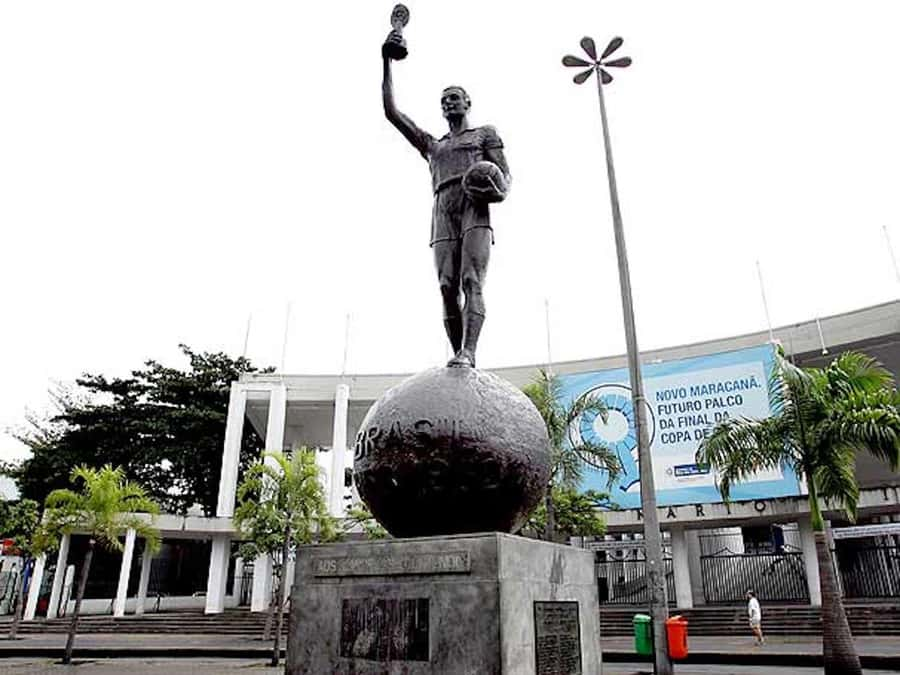
The tour kicks off with a stop at Maracanã Stadium, including Bellini’s statue. Even if you’re not a diehard football fan, the stadium setting is a big dose of Rio’s identity. It’s the kind of landmark that helps you grasp the city’s public energy—how massive crowds and emotion are part of the landscape here.
From there, you move to the Sambadrome, the venue that hosts the main Carnival parade. What’s clever about this placement in the route is that it gives you context early. Once you’ve seen the Carnival infrastructure, later downtown details feel more connected to the city’s rhythms rather than like random sightseeing stops.





Avenida Presidente Vargas and the palaces you can spot at speed
After the stadium area, the tour follows Avenida Presidente Vargas and hits a series of landmark moments that explain what downtown is built for. Along the way, you’ll see or stop near:
- Central Railway Station (a major historical anchor)
- Duque de Caxias Palace, tied to the former Ministry of the Armed Forces
- Itamaraty Palace, tied to the former Ministry of Foreign Affairs
- Campo de Santana
- Praça Tiradentes (reached via Avenida Passos)
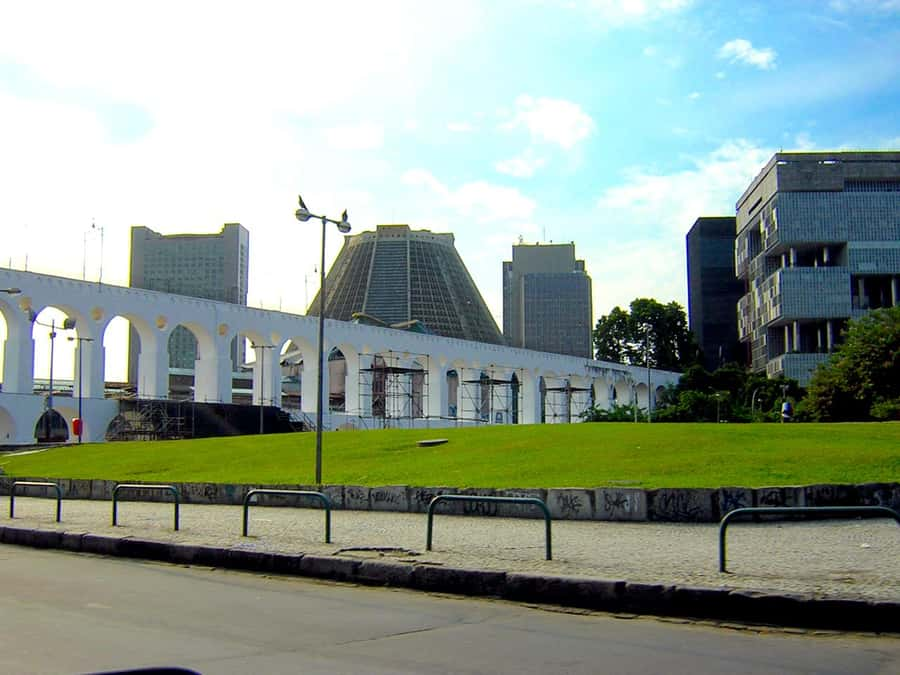
- Lapa Arches, plus streets like Lavradio and Avenida Chile
If you like architecture and civic history, this stretch is a strong reason to book. You’re not only looking at buildings—you’re seeing how power, transport, and government once shaped the city’s structure. The drawback is pace: since the stops are timed within a tight 3-hour window, the experience can be more “guided viewing” than “slow exploration.”
Still, the route helps you get your bearings. When you later wander around downtown on your own, these names and landmarks suddenly make sense because you’ve already seen their positions and surroundings.
Tiradentes Square to Lapa Arches: classic downtown meets a bohemian turn
Praça Tiradentes marks a pivot point. You move from the more official, formal feeling of central streets into the zones that lean creative and everyday. Then you reach the Lapa Arches, a visible reminder that downtown Rio has always been about contrasts—grand structures near street-level life.
Lapa is where the mood changes most noticeably. The tour continues into the neighborhood with the goal that matters: the Escadaria Selarón.
Escadaria Selarón: the staircase with a message
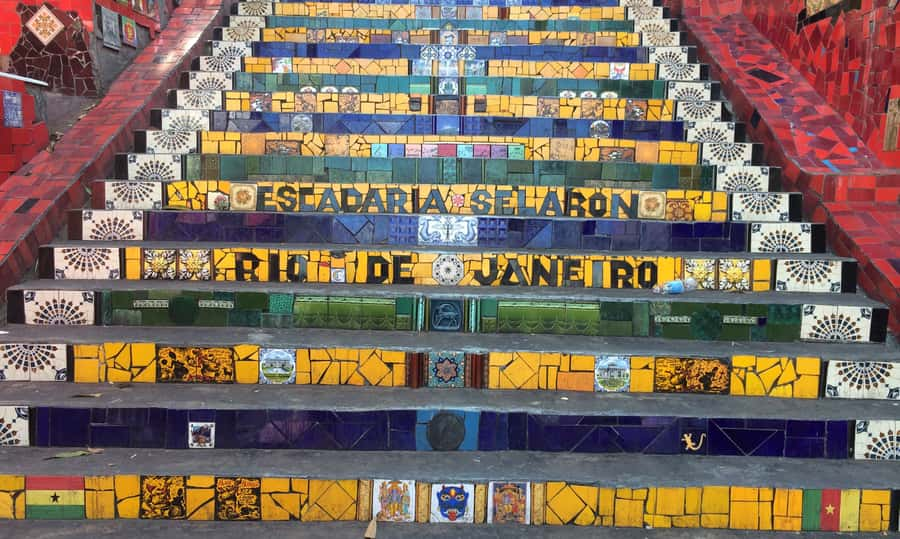
The Escadaria Selarón is the moment many people remember because it’s not just decorative. The stairs’ colors—green, yellow, and blue—are described as a tribute to the Brazilian people, tied to the Brazilian flag. The artist behind it, Jorge Selarón, gives the whole place a personal tone, which is part of why the stairs feel more like a living work than a static monument.
This stop also makes sense from a photography perspective. You get a clear subject, strong color contrast, and lots of angles. And you’ll likely have a bit of time to take photos and simply look at how the tiles cover and shape the space.
If there’s one tip that improves your experience here: slow down for a minute and look at how the artwork changes across the stairs. It’s the detail that makes the place feel human.
Metropolitan Cathedral: modern art shaped like a cone
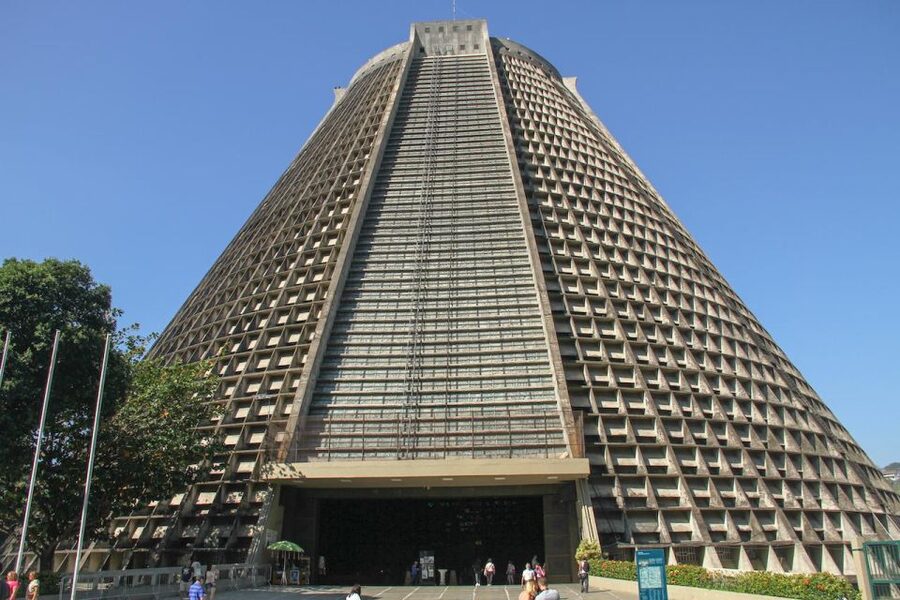
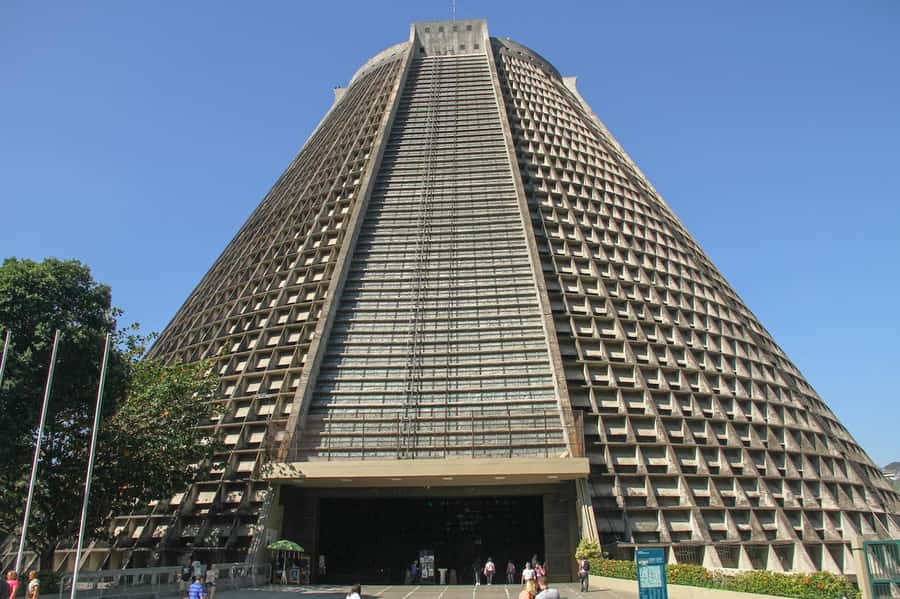
Next up is the Metropolitan Cathedral, one of Rio’s city landmarks and described as a modern-art masterpiece. Even without going deep into style terms, you can treat this as a visual lesson: Rio doesn’t only do classical stone churches. It also does modern design with cultural seriousness.
The cathedral is a great stop for travelers who want variety. If your day starts with large public spaces—stadiums and parade venues—the cathedral provides a different kind of scale: spiritual space with a sculptural silhouette.
São Bento Monastery: exterior simplicity, interior drama
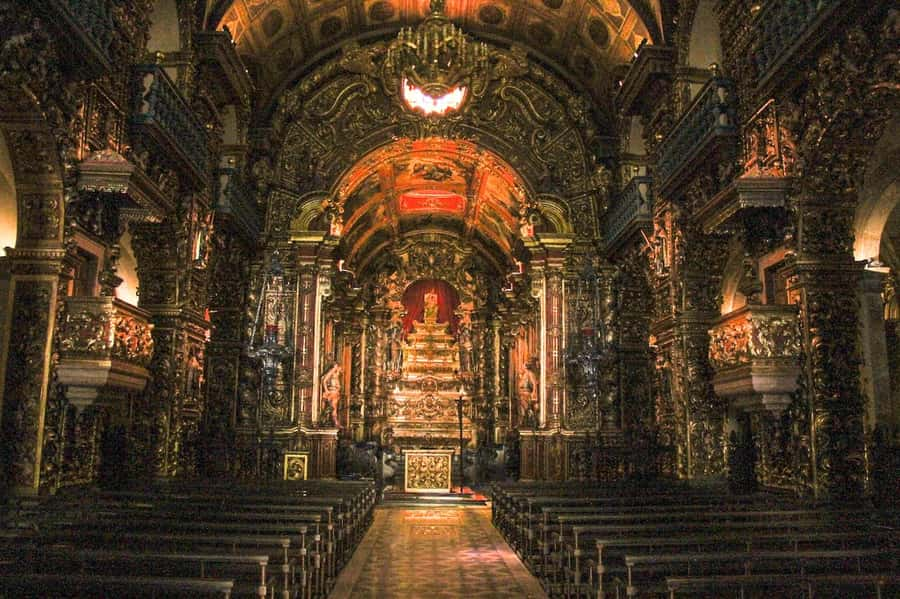
The São Bento Monastery is one of the best “stop-inside” moments on the route. The exterior can look deliberately simple, but the interior is where the contrast hits hard: gilded baroque engravings, plant motifs, and rococo-style decoration appear in places like the high altar and chapel. Even the ceiling vaulting is part of the visual story.
This is also a strong stop for your attention span. It rewards you for slowing down and letting the guide point out what to look for. And it’s exactly the kind of place that benefits from a good, friendly guide approach—something that’s shown up in the strongest feedback about this tour.
Aterro do Flamengo: modern art, memorials, and a coastal reset
On the way back, the tour takes you along Aterro do Flamengo, which helps the energy cool off after the downtown density. You get views of:
- Museum of Modern Art
- Monument to the Fallen in World War II
- Church of the Outeiro da Glória
- the beaches of Flamengo and Botafogo
This section is more about pacing and perspective than about a single must-see room. It’s the kind of “reset drive” that makes the whole tour feel complete, because you finish with sea air in the background rather than ending right back in traffic and walls.
Guides and value: what makes the price feel fair
The price is $74 per person for a 3-hour small-group experience with hotel pickup/drop-off (selected areas), plus transport by air-conditioned minivan and a professional live guide in Spanish or English.
Is it good value? Usually, yes—if you’re buying the concept: a guided, efficiently routed snapshot of key downtown sites plus the major artistic stops. The tour’s value increases when your guide uses the short time well: pointing out what matters, keeping the story clear, and helping you choose what to prioritize for photos and questions.
One negative note to keep in mind: if the traffic is heavy, it can tilt the balance toward more driving and less time at each stop. That’s why your expectations matter. This isn’t a long walking tour where you linger for hours.
On the positive side, multiple guides have stood out for being thoughtful and adaptable, with names like Meilin, Cabo, Monica, and Mailee showing up alongside praise for preparation and a friendly, adjusting-to-your-interests approach. If you’re lucky enough to get one of those personalities, the same route can feel much richer because the guide teaches you how to look.
Who should book this Rio Downtown Tour?
I think this tour fits you best if you:
- want to see a lot of downtown Rio quickly and understand how the areas connect
- enjoy guided stops with clear “what to notice” moments at major sites
- care about contrasts: sports/Carnival scale, modern architecture, then richly decorated interiors
- are staying in Copacabana, Ipanema, or Leblon and want an easy pickup and return
You might want to think twice if you:
- hate being stuck in traffic and need long stop times at every location
- expect a walking-heavy day rather than a vehicle-led loop with short viewing windows
- are the type who gets frustrated when sightseeing is timed tightly
Should you book this Downtown Rio experience?
If you want an efficient, guided introduction to Rio’s downtown core with standout art stops—especially Metropolitan Cathedral, São Bento Monastery, and Escadaria Selarón—this tour is an easy yes. The small-group format and live guide help you get more out of the time you spend moving between areas.
Just go in with the right mindset: downtown is active, and traffic can affect how long you linger. If you treat it like a guided highlight reel with smart photo and story stops, you’ll likely feel it was money well spent.
FAQ
How long is the Rio de Janeiro Downtown Tour?
The tour duration is 3 hours.
What is the price per person?
The listed price is $74 per person.
Do I get hotel pickup and drop-off?
Yes, hotel pickup and drop-off are included for selected hotels in Leblon, Ipanema, and Copacabana.
If my hotel is outside the pickup area, where do I meet?
If your hotel is outside the pick-up area, the meeting point is the Hilton Hotel Copacabana.
What time does pickup happen?
Pickup is scheduled between 2:00 pm and 2:30 pm from selected hotels in Leblon, Ipanema, and Copacabana.
What languages are available for the live guide?
The live tour guide operates in Spanish and English.
Is transportation provided during the tour?
Yes. The tour includes transport by air-conditioned minivan.
What major sights are included?
The route includes Maracanã Stadium (Bellini’s statue), the Sambadrome, Metropolitan Cathedral, Lapa Arches, Escadaria Selarón, and São Bento Monastery, plus additional views along Aterro do Flamengo.
Is there free cancellation?
Yes. You can cancel up to 24 hours in advance for a full refund.
Is reserve now and pay later available?
Yes. The option is listed as Reserve now & pay later so you can book and pay nothing today.
More Tour Reviews in Rio De Janeiro






More of Historic Downtown Rio






Fresh off the review desk: newer Rio De Janeiro tours we have been out on





Historic & Downtown Rio, compared.
 ★ 4.4Historic Rio and Santa Teresa Half-Day TourFrom $47228 reviews
 ★ 4.8Paraty: Historic Centre Walking Tour & Cachaça TastingFrom $1996 reviews
 ★ 5.0Learn the History of Rio with an Unforgettable City Center Walking TourFrom $4982 reviews
 ★ 4.5Rio’s city walking tour: a glimpse of history and olympic legacyFrom $6078 reviews
 ★ 4.5Olympic Boulevard, Museum of Tomorrow & Historical RioFrom $7266 reviews
 ★ 4.5Olympic Boulevard, AquaRio and Museum of Tomorrow TourFrom $4954 reviews
 ★ 4.5Aqua Rio + Olympic Boulevard Tour – Rio de Janeiro by Pepe Rio ToursFrom $4554 reviews
 ★ 5.0Private walk tour of Paraty’s historical center – BY PARATY TOURSFrom $8049 reviews
Browse the lists this tour appears in