
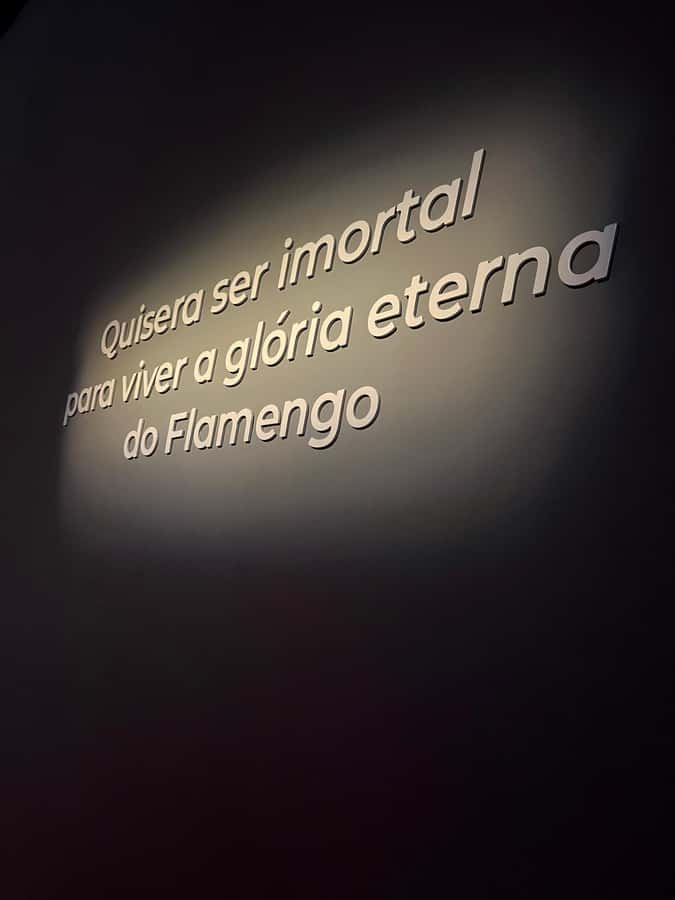
Reviewed · MARACANã & FOOTBALL
Rio de Janeiro: Flamengo Museum Ticket Entrance
Football fans love this place. At the Flamengo Museum ticket entrance in Gávea, you get the club’s story since 1895, with four floors of trophies and 14 themed sections built around screens and hands-on moments. It’s the kind of sports museum that treats identity like a living thing, not just a wall of photos.
I especially like how the exhibits turn big club history into clear, emotional scenes, from early days to world-football status. I also like that you’re not stuck with one language: the included digital guide is available in English, Spanish, and Portuguese, so you can match the story to your comfort level.
One consideration: you need to follow strict rules on devices and photos. Your phone should be on airplane mode or silent, and filming or flash photography is not allowed, plus food and drinks are off-limits inside.
In This Review
- Flamengo Museum in Gávea: what the ticket entrance gives you
- From sailing club to football power: the story you’ll walk through
- Four-floor trophy room: the highlight for most first-timers
- Rubro-Negra theme areas and the preserved collection
- How the tech and screens work with the exhibits
- Planning your visit south of Rio: location, timing, and comfort
- Price and value: is $18 worth it?
- Who should book this Flamengo Museum ticket entrance
- Should you book the Flamengo Museum ticket entrance?
- FAQ
- Where is the Flamengo Museum located?
- How long is the experience?
- What languages are available for the guide?
- Is food and drink included?
- Can I take pictures or film?
- Are pets allowed?
- What items are not allowed inside?
Flamengo Museum in Gávea: what the ticket entrance gives you
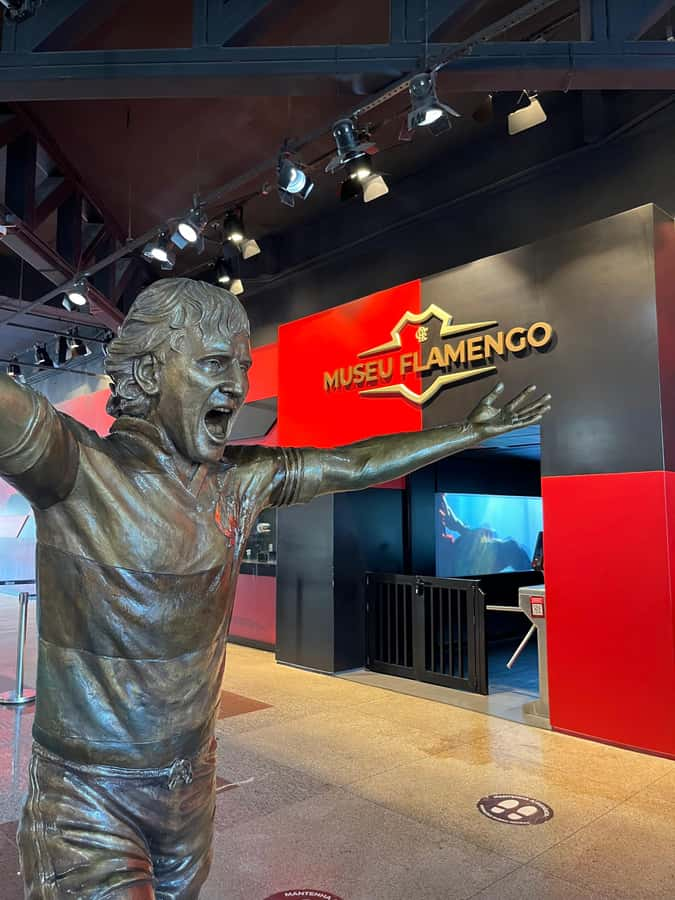
This is a one-day ticket to the Flamengo Museum, located at the Clube de Regatas do Flamengo headquarters in Gávea, south of Rio de Janeiro. Think of it as a focused museum visit inside the club’s own home ground, not a distant city attraction. That matters because the museum feels tied to the daily life of Flamengo, with the exhibits built around the club’s real artifacts and curated history.
Your entry also includes a digital guide to the experience in English, Spanish, and Portuguese. That’s a practical win in Rio: you can spend your time reading what you want, rather than waiting for a translator or guessing at context. And if you speak one of those languages, you’ll move through the story faster because the museum’s themes are explained clearly.
The museum was developed by the same team behind major sports museums for other clubs, including River Plate, Boca Juniors, Juventus, and Benfica. In plain terms: the design approach is known for turning sports history into a modern visitor experience, with tech, visuals, and storytelling that doesn’t feel like a school field trip.
More matchdays at the Maracana
- Skip the Line Maracana Stadium Entrance Ticket★ 4.0 · 203 reviews
- Football Match in Rio de Janeiro – Guided with Transportation★ 4.5 · 150 reviews
- Maracana Stadium – Behind the Scenes Tour★ 3.7 · 123 reviews
- Rio de Janeiro: Maracanã Stadium Match Ticket with Drink★ 4.9 · 109 reviews
From sailing club to football power: the story you’ll walk through
The core theme is the trajectory of Clube de Regatas do Flamengo, starting in 1895. The museum frames Flamengo’s path from a sailing club into a powerhouse in world football, while still honoring the club’s broader sports identity. Even if you only know Flamengo for soccer today, you’ll see how the club’s culture took shape in earlier eras.
What’s especially useful for you as a visitor is that the museum doesn’t rely only on dates. It uses 14 themed sections that mix technology, interaction, and emotion. That structure helps you understand what you’re looking at. Instead of one long gallery of trophies, you get a sequence that explains why certain moments mattered—then you hit the big visual proof through the trophy and memorabilia areas.
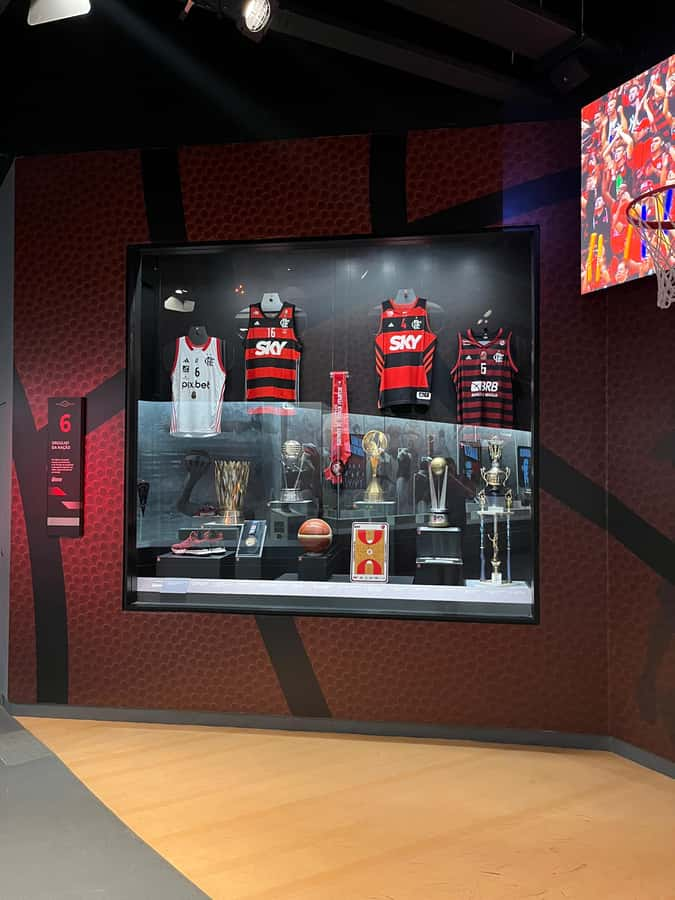
The museum also features historical objects and idols from several sports, not just football. That gives the exhibits a wider angle. Flamengo’s identity isn’t treated as one narrow storyline; it’s presented as a club culture built across disciplines, which is one reason people walk out feeling like they now “get” the rubro-negra spirit.
Four-floor trophy room: the highlight for most first-timers
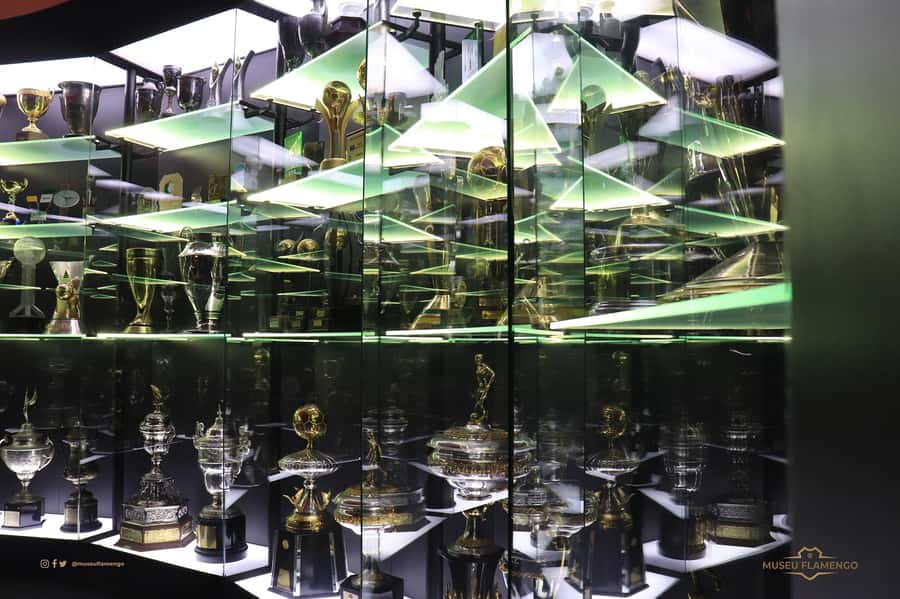
The trophy room is the big headline: it spreads across four floors. For many people, this is the part that lands hardest because it’s not just trophies behind glass. The museum uses giant screens and sensory environments to place you inside key moments of the club’s journey.
Here’s why this matters: when a museum includes a trophy room but still connects it to story, you learn more than just who won. You understand what the victories meant and how the club’s identity grew alongside success. That’s what turns a simple “look and move on” room into a real memory-maker.
If you’re planning your time, give this area enough space. With multiple floors, it’s easy to rush and miss how the museum links exhibitions to the club’s evolution. You’ll enjoy it more if you pace yourself, take a few minutes in each section, and let the screens and environments do their job.
Rubro-Negra theme areas and the preserved collection
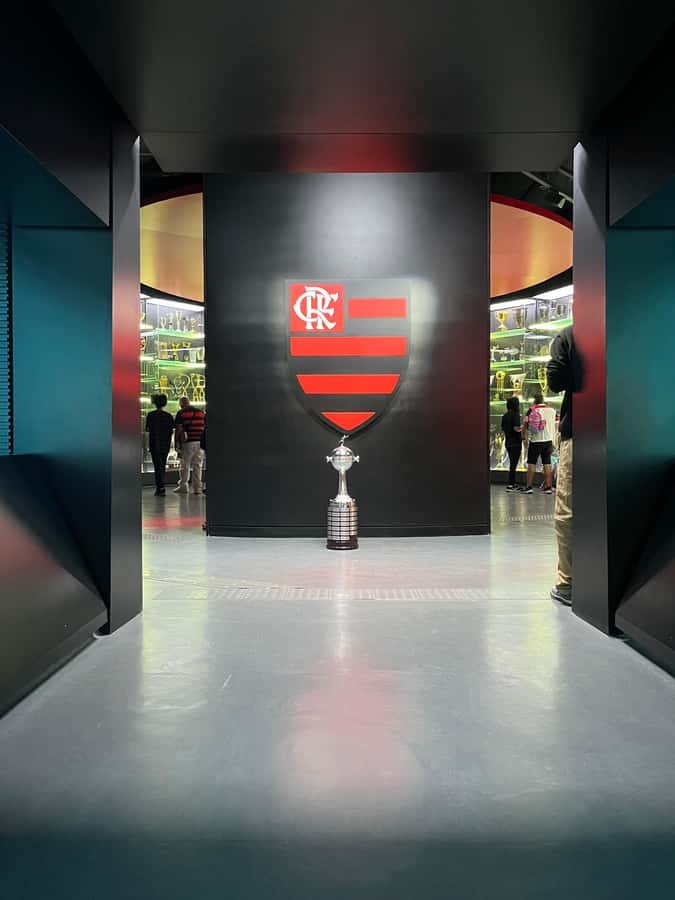
Flamengo Museum sits inside the club’s headquarters, so the atmosphere matters. The exhibits are built to make you feel part of the most passionate Flamengo culture, with an emphasis on rubro-negra identity—what supporters call the red-and-black spirit.
Another strong point is that the museum includes a unique, carefully preserved collection. You’re not just seeing replicas or generic sports memorabilia. The museum presents historical objects and a range of idols from different sports, which gives the collection a sense of real continuity.
One visitor-positive pattern you can take advantage of: people often react to the way the museum connects identity details—like logos and club symbolism—to the timeline. That’s useful because it helps you read the club’s “look” like a history lesson. Even if your main goal is football trophies, you’ll get extra satisfaction from noticing how branding and club imagery change over time.
And yes, the design leans emotional: technology and environment choices are used to trigger that feeling of big-match memory, not just to decorate the walls.
Still browsing Rio De Janeiro? These are the ones we go back to




How the tech and screens work with the exhibits

The museum experience uses 14 themed sections built with technology and interactivity. You’ll see giant screens, sensory environments, and immersive-style spaces designed to put you in the center of memorable moments in Flamengo history.
The practical takeaway for you: treat this as a mixed experience. Some parts are straightforward viewing—objects, layouts, and historical displays. Other parts are more “participatory,” where the environment and screens do more of the telling. If you’re the type who likes to read details, slow down in the technology-driven areas and let the visuals explain the context.
Also, plan around the photo and device rules. You’ll be asked to keep your cell phone on airplane mode or silent, and it’s not allowed to film or take pictures with flash. That shapes your experience in a good way, if you think about it: fewer distractions, less frantic phone recording, more attention on what the museum is actually showing.
One more practical detail: the museum requires you to follow general conduct rules. Smoking is forbidden in museum premises, and food and drinks are prohibited. So if you need water or snacks, handle that before you enter, then focus fully on the exhibits.
Planning your visit south of Rio: location, timing, and comfort

The museum meeting point is the headquarters of Clube de Regatas do Flamengo in Gávea. From there, your museum visit is essentially one ticket for one day. The activity is listed as valid for 1 day, and you should check available starting times to match your schedule.
Because it’s located in Gávea (south Rio), it tends to fit well when you want one clear anchor stop. That’s especially handy if you’re also doing other nearby Rio neighborhoods. Instead of crisscrossing the city, you can build a day around a club-focused museum visit and then move on afterward.
Dress note: sportswear is not allowed. That’s the kind of rule that can surprise people. You’ll be safer wearing normal everyday clothes and skipping athletic sets just in case. Also, bring a plan for your belongings: plastic bags aren’t allowed, and there are restrictions around other items like glass objects and scooters.
Since there’s no food or drink included—and food and drinks are prohibited—you’ll want to think about comfort in terms of timing. Do the museum when you’re not hungry, or eat before and plan a meal afterward.
Price and value: is $18 worth it?
At $18 per person, the Flamengo Museum ticket entrance is priced like a serious attraction, not a budget stop. The value comes from what’s included: entry to major exhibits plus a digital guide in three languages.
So what are you really paying for?
- A multi-level trophy room across four floors, which is more than a single gallery.
- 14 themed sections that combine history with technology, interactivity, and emotion.
- Access to historical objects and a preserved collection, tied to the club’s own headquarters.
- A multilingual digital guide, which helps you understand the story instead of just seeing visuals.
If you’re a Flamengo fan, $18 is the kind of price that feels reasonable because this museum is about the club’s culture, not just about soccer matches. If you’re a first-time visitor with limited time in Rio, it’s also good value because it compresses decades of club identity into one structured visit.
If you’re totally indifferent to football history, the museum may still work because it’s built as a sports museum experience with tech and story. But the emotional payoff will be stronger if Flamengo (or at least sports rivalries and identity) is something you care about.
Who should book this Flamengo Museum ticket entrance
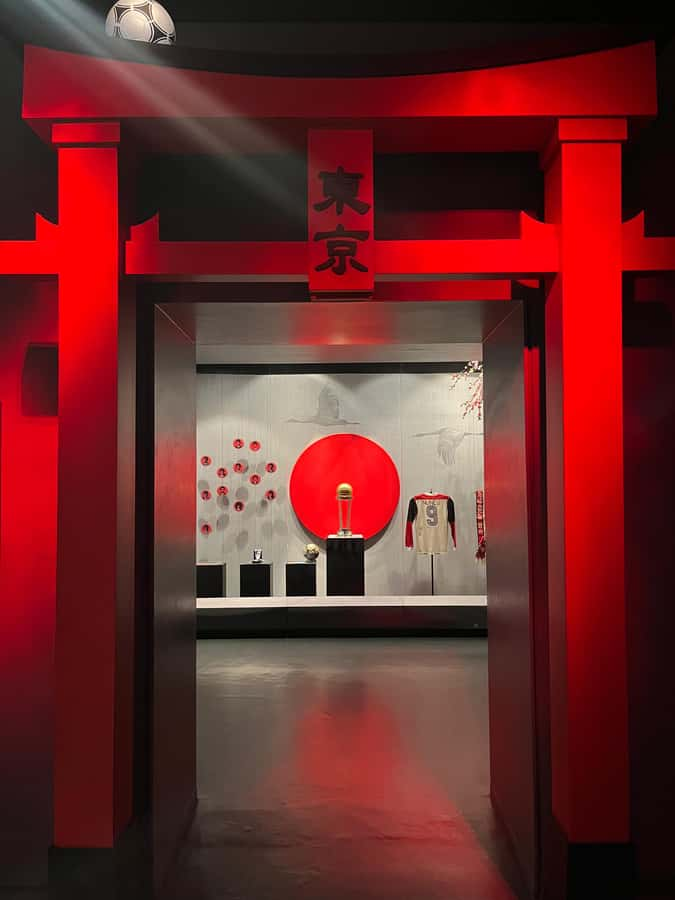
You’ll likely get the best experience if you want more than a surface-level sports stop. This museum is ideal for:
- Flamengo supporters and red-and-black fans who want the full origin-to-modern story since 1895.
- Visitors who like sports museums that use tech and storytelling, not just static display cases.
- People who appreciate identity details, like logos and symbols, alongside trophies and milestones.
- Anyone who wants a focused, one-day stop in Rio that doesn’t require extra planning beyond arriving at Gávea and following the museum rules.
You might consider skipping (or at least lowering expectations) if you only want casual sightseeing and you dislike rules around filming, flash, and phone use. Also, if you need to bring pets or you rely on items not allowed in the museum, that’s a hard stop rather than a “bring less” tip.
Should you book the Flamengo Museum ticket entrance?
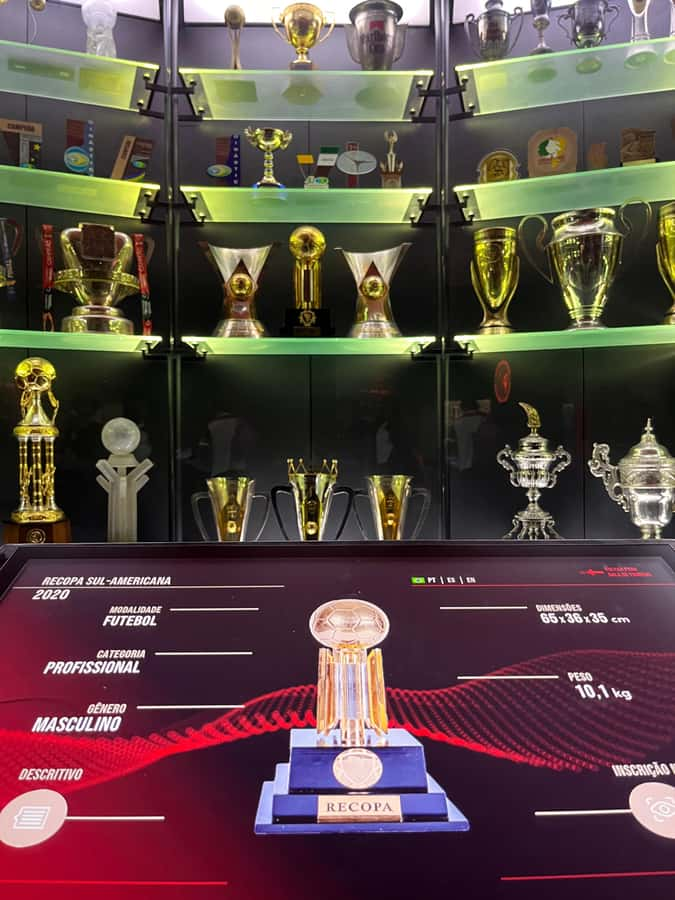
I think this is a strong book if you want a sports-history experience with real structure. The trophy room across four floors, the 14 themed sections, and the digital guide in English, Spanish, and Portuguese make it easy to get value even if your visit language skills aren’t perfect.
Book it if Flamengo culture is part of your Rio trip. It’s also a smart choice if you like museums that tell a story through environments and screens, because the museum isn’t only about looking—it’s about feeling the timeline connect.
Skip it if you’re mainly in Rio for beaches and city viewpoints and you only want quick photo stops. This is a “stay focused” museum visit, and the rules reflect that.
If you’re flexible, you’ll likely enjoy choosing a starting time that avoids rushing. Then you can give the trophy room and the themed areas the attention they deserve.
FAQ
Where is the Flamengo Museum located?
The museum is at the headquarters of Clube de Regatas do Flamengo in the Gávea neighborhood of Rio de Janeiro.
How long is the experience?
It’s valid for 1 day. You should check available starting times.
What languages are available for the guide?
The digital guide is available in English, Spanish, and Portuguese.
Is food and drink included?
No. Food and drinks are not included, and food and drinks are not allowed inside the museum premises.
Can I take pictures or film?
Filming is not allowed, and you cannot take pictures with flash.
Are pets allowed?
Pets are not allowed, but assistance dogs are allowed.
What items are not allowed inside?
The provided rules say no weapons or sharp objects, no plastic bags, no smoking, no glass objects, no scooter, no making fire, no vaping, and no food or drinks.
More Tickets in Rio De Janeiro






More Tour Reviews in Rio De Janeiro





More Football at the Maracana


Fresh off the review desk: newer Rio De Janeiro tours we have been out on





Maracanã & Football, compared.
 ★ 4.0Skip the Line Maracana Stadium Entrance TicketFrom $22203 reviews
 ★ 4.5Football Match in Rio de Janeiro – Guided with TransportationFrom $166150 reviews
 ★ 4.6Football Game Ticket with Guide and a DrinkFrom $86124 reviews
 ★ 3.7Maracana Stadium – Behind the Scenes TourFrom $39123 reviews
 ★ 4.9Maracanã Stadium Match Ticket with DrinkFrom $102109 reviews
 ★ 5.0See a Flamengo Game at Maracanã with a localFrom $128105 reviews
 ★ 5.0Fluminense Football Match at Maracanã with Local HostsFrom $7380 reviews
 ★ 5.0Maracanã Stadium Live Match Day: Tickets plus transportationFrom $17461 reviews
Browse the lists this tour appears in