
Reviewed · HISTORIC & DOWNTOWN RIO
Paraty Historical City Walking Tour
Paraty’s old streets are made for walking. I like that this tour combines bilingual guidance with real baroque church stops, so you’re not just sightseeing—you’re getting the story behind the stones and paint. One thing to keep in mind: the churches only get visited if they’re open during your tour time, so you may miss a stop on certain days.
You’ll be guided through the UNESCO core on pedestrian-only streets, with commentary that connects Paraty’s timeline from Portuguese colonizers in 1667 (and earlier roots in the 1500s) to its days as a gold export port and what tourism looks like now. The walk also lines up nicely with the Paraty setting, since about 65% of the area lies within Serra da Bocaina National Park.
Logistically, it’s simple but not fancy: there’s no hotel pickup, and you’ll start at Av. Roberto Silveira, 479 in the Centro area, with the exact time confirmed after booking. Bring comfortable shoes—Paraty’s streets are irregular, and you’ll be on your feet the whole time.
In This Review
- Key highlights worth planning around
- Why UNESCO Paraty Works So Well on Foot
- Meeting Point at Av. Roberto Silveira: Getting Started Without Stress
- The Paraty Timeline Your Guide Brings to Life (1667 to the Gold Port Era)
- Painted Houses and Pedestrian-Only Streets: What to Look For
- Church Stops You’ll Plan Around: Santa Rita, Rosario, Remédios, and Dores
- Museums in the Mix: Learning Without a Big Detour
- The Cachaçaria Finale: Optional Drinks Tasting in the Historic Center
- Price and Value: Is $72 Worth It?
- Who Should Book This Walk (and Who Should Skip It)
- Should You Book the Paraty Historical City Walking Tour?
- FAQ
- How long is the Paraty Historical City Walking Tour?
- Where does the tour meet?
- Do I need a hotel pickup?
- What languages are available?
- What’s the difference between private and shared tours?
- Are church visits guaranteed?
- Are entrance fees included for churches or museums?
- Is the cachaça tasting included?
- Is the tour suitable for people with mobility issues?
- Can I cancel and get a refund?
Key highlights worth planning around
- Bilingual guide options: Private tours include English/Spanish; shared tours are Portuguese-only
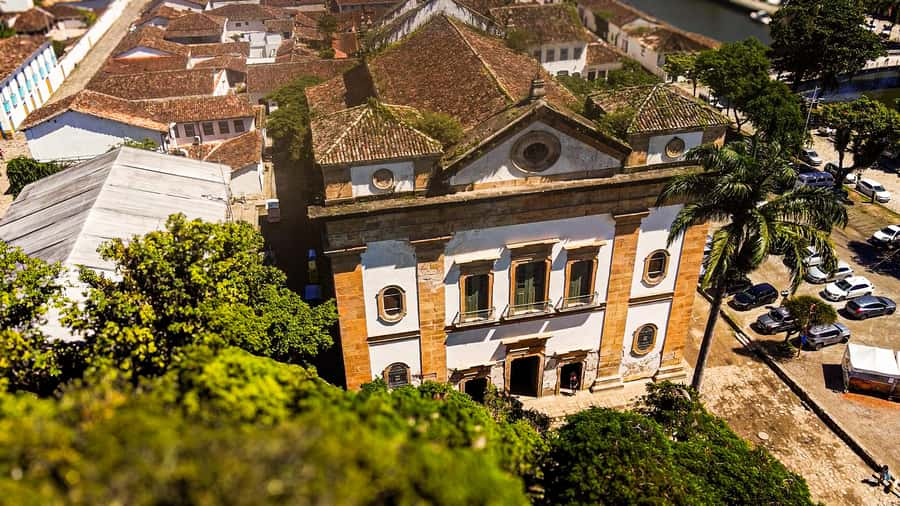
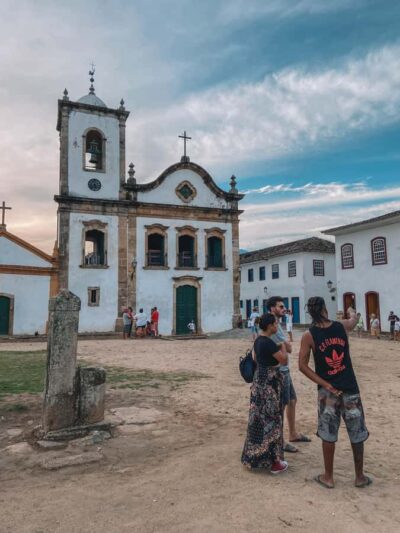
- Church-and-architecture route: Capela de Santa Rita and multiple iconic churches in the historic center
- A guided timeline that actually connects dots: From 1500s roots to the 1667 Portuguese foundation and gold trade
- Optional cachaça tasting at the end: A fun food-and-drink moment without forcing a long detour
- UNESCO + National Park context: About 65% of the area sits within Serra da Bocaina National Park
Room for one more stop in your Paraty plans? Here is what else made our list.
- Paraty: Jungle Waterfalls and Cachaça Distillery Jeep Tour★ 4.7 · 491 reviews
- Paraty Bay: Islands & Beaches Boat Tour with Snorkeling★ 4.6 · 274 reviews
- Paraty: Saco do Mamanguá Speedboat Tour★ 4.4 · 182 reviews
- Paraty: Historic Centre Walking Tour & Cachaça Tasting★ 4.8 · 96 reviews
Why UNESCO Paraty Works So Well on Foot
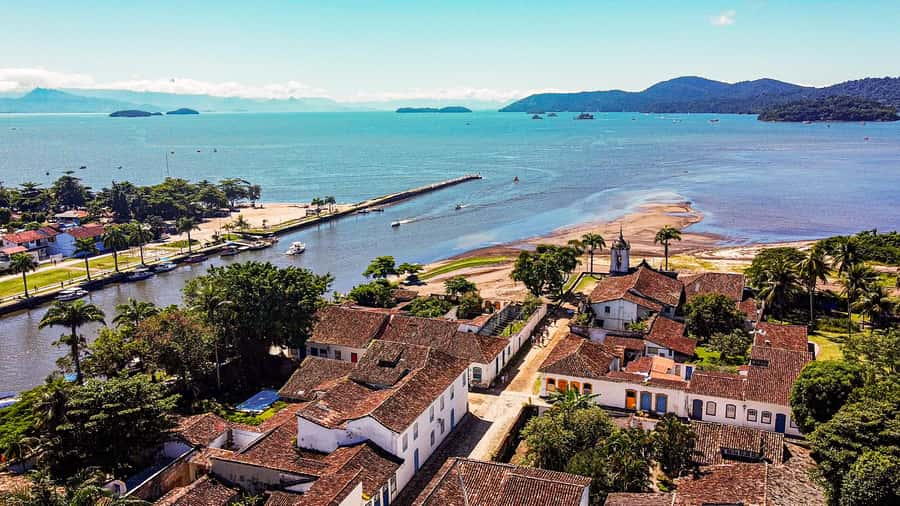
Paraty’s historic center is built for walking, not rushing. The streets are mostly pedestrian-only, which means you can slow down, look at façades, and keep your eyes on the details that would be easy to miss from a car. If you’ve ever done a “drive-by old town” tour, you’ll appreciate this format because the guide’s explanations land while you’re standing in the exact setting.
The architecture is the big draw, and it’s not just one style. You’ll see charming painted houses and classic colonial-era streets, then jump to baroque churches with distinct religious art and design. That mix is what makes a guided walk valuable: the guide helps you understand what you’re looking at, so it doesn’t turn into a photo sprint.
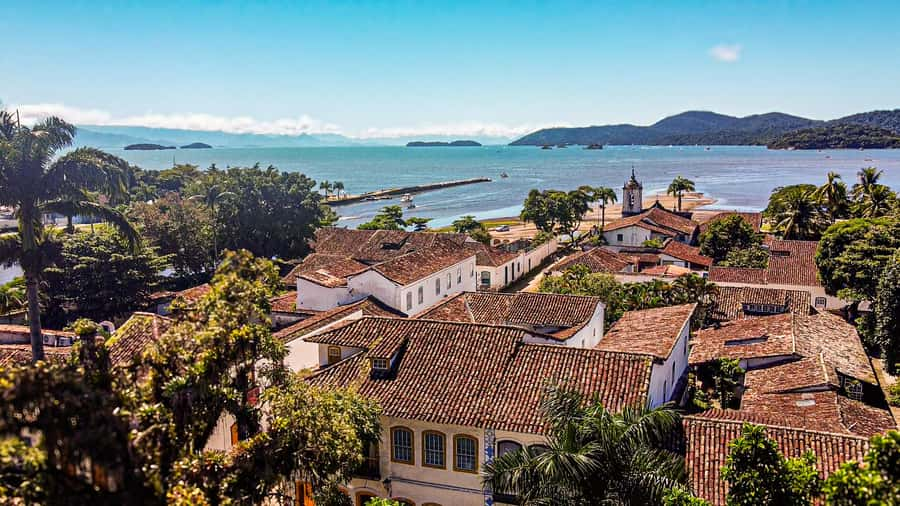
You’ll also be walking through a place that’s tied to wider nature and conservation. Paraty’s historic area overlaps with Serra da Bocaina National Park—about 65% of the area sits within the park boundaries. That matters because it explains why Paraty developed the way it did: the town’s history isn’t isolated from its geography.
Meeting Point at Av. Roberto Silveira: Getting Started Without Stress
This tour is straightforward to begin, with one key catch: no hotel pickup or drop-off. You meet at Av. Roberto Silveira, 479 – Centro, Paraty – RJ. Your exact pickup time and location are confirmed after reconfirmation, so don’t expect a fixed minute-based schedule from the get-go.
If you’re staying in the Centro area, this is usually easy. If you’re farther out, plan a short trip in advance so you don’t feel frantic at the start. A walking tour works best when you arrive with enough time to settle in, use the bathroom if needed, and get your bearings fast.
The meeting point also helps you avoid “wasted transit time.” Instead of waiting for a bus, you start walking soon after the group meets. That’s part of why the tour can fit into 90 minutes to 2 hours and still cover the essentials.
The Paraty Timeline Your Guide Brings to Life (1667 to the Gold Port Era)
The guide’s job here is to give you a clear storyline. You’ll hear how Paraty’s history connects across centuries—starting with roots reaching back to the 1500s, then the Portuguese colonizers’ foundation of Paraty in 1667, and later its role as an export port for gold. From there, the tour ties the past to what you see today, including Paraty’s thriving tourism industry.
That “timeline with context” approach is what makes this tour more than a list of landmarks. Standing in the historic center while someone explains why the Portuguese established the town, how trade shaped its growth, and why certain areas look the way they do helps you connect architecture to history.
Language is another part of the value. The private option offers bilingual guides in English/Spanish, and the shared option runs with a Portuguese-speaking guide. Either way, you should get a guided commentary designed for real listening—not just a script you don’t understand.
Also, you may notice a real difference in guide style. For example, a guide named Fernanda is praised for knowing a lot of city history and sharing lots of details, while Dani has been commended for keeping the tour on track even during strong rain. That’s a good sign: it suggests the experience doesn’t fall apart when weather turns.
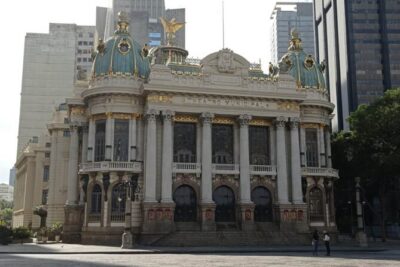
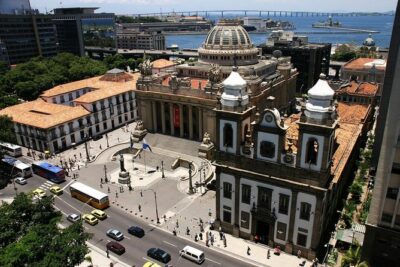
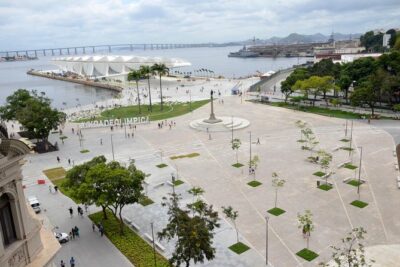
Old downtown Rio, a few more ways to see it

Painted Houses and Pedestrian-Only Streets: What to Look For
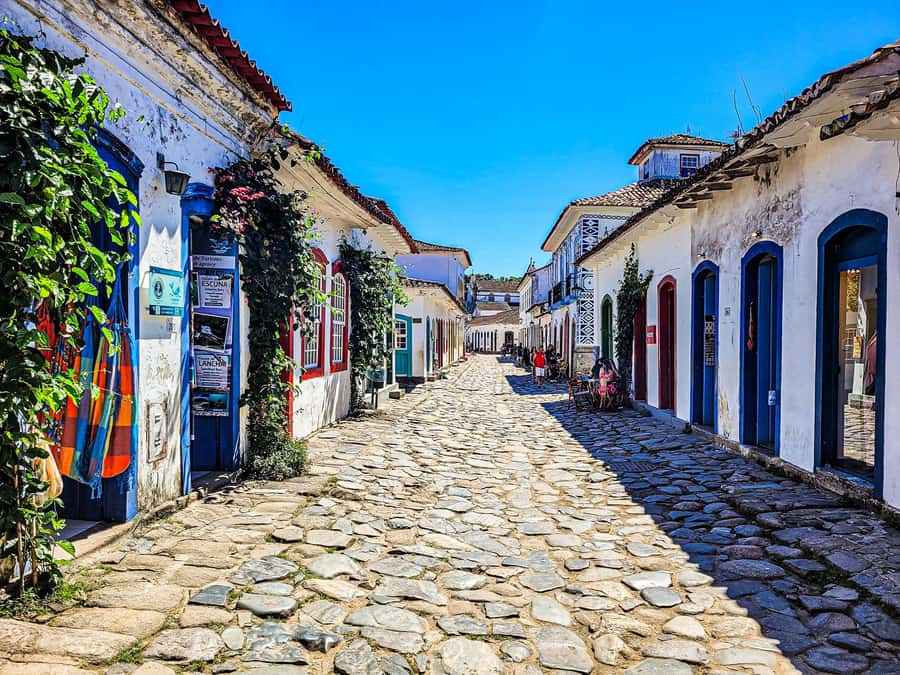
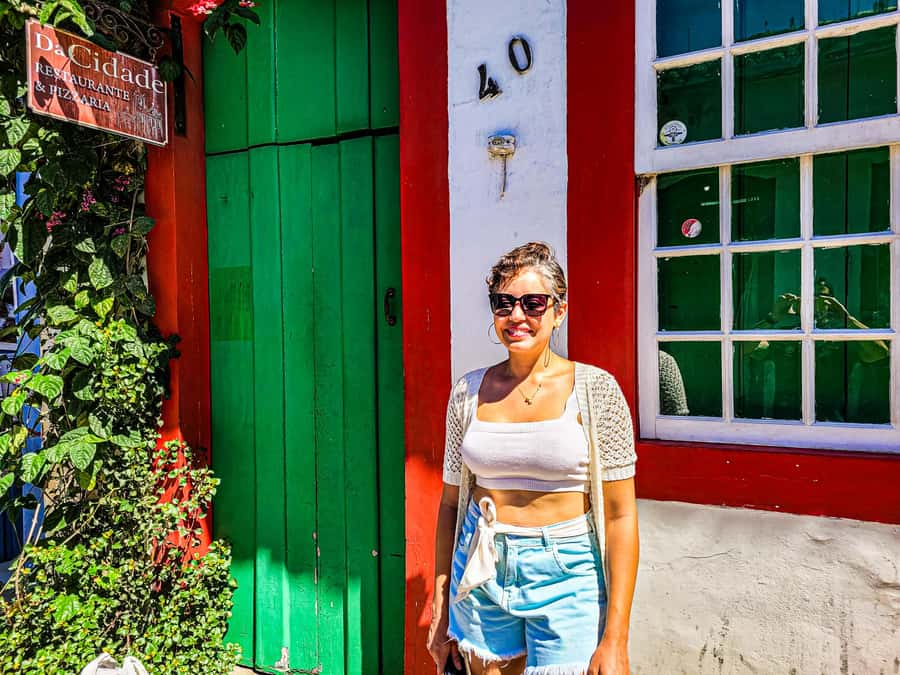
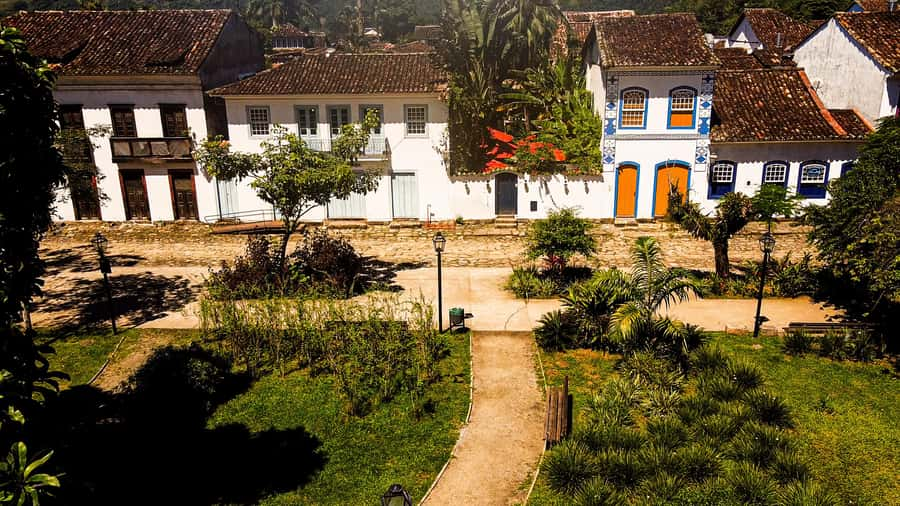
As you move through the historic center, focus on two things: the color and the layers. Paraty’s painted houses can look like they’re just pretty at first glance, but the guide’s commentary tends to frame what you’re seeing as part of the town’s evolution—how the historic core was shaped, rebuilt, and preserved.
Because you’re on foot, you can stop when something catches your eye. That’s important in Paraty. The architecture isn’t always “big and obvious” like a single monument dominating the skyline. Often it’s subtle—window shapes, façade details, and the way buildings line up along the street. A walking route gives you the slow pace to notice those things without feeling stuck in one spot.
You’ll also experience the town the way locals and regular visitors do: along quiet lanes where you’re not constantly working around car traffic. It makes the history feel closer, not like something behind glass.
Church Stops You’ll Plan Around: Santa Rita, Rosario, Remédios, and Dores
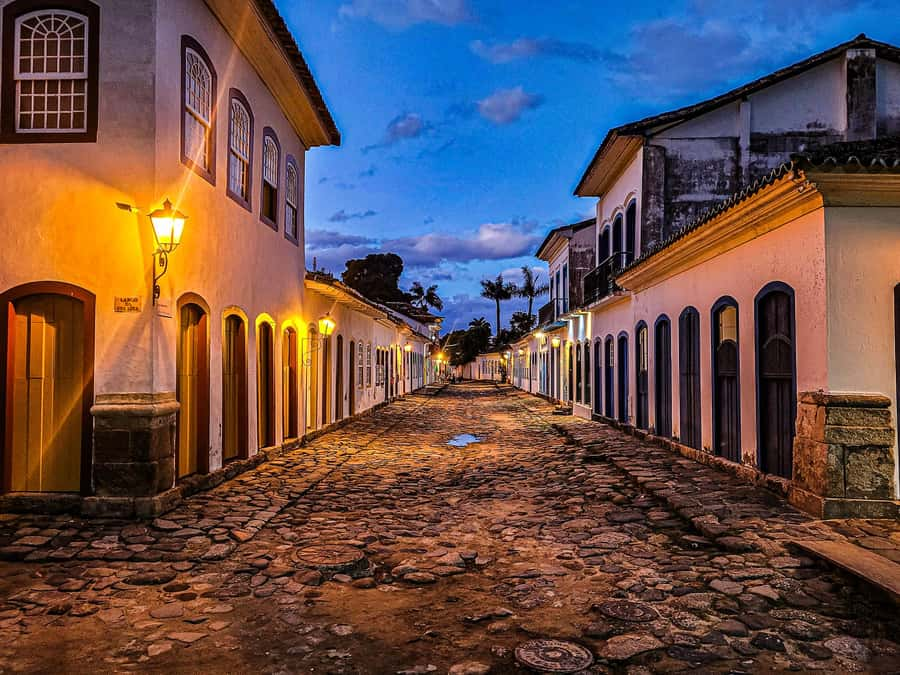
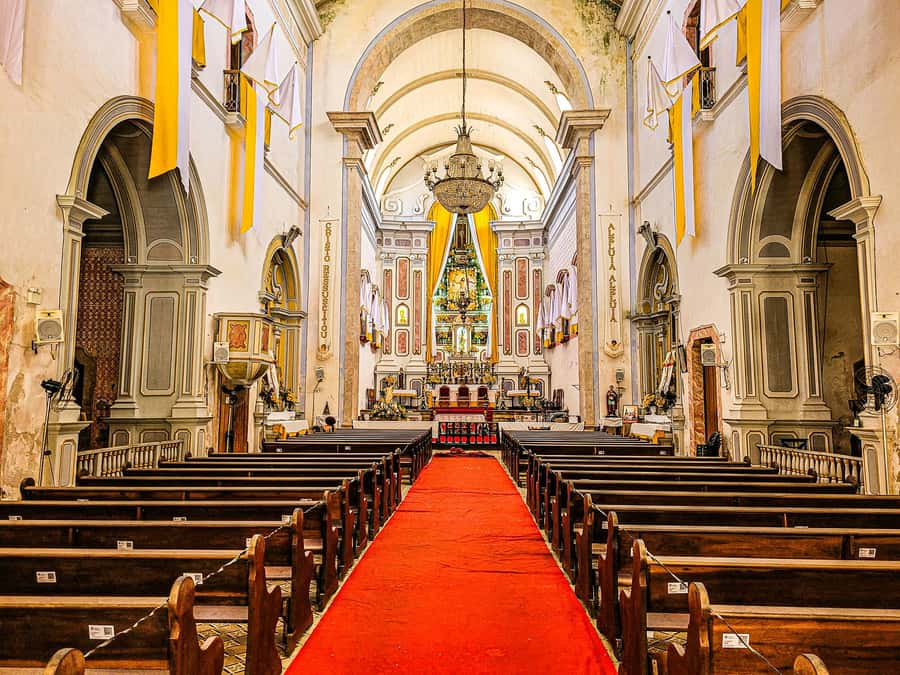
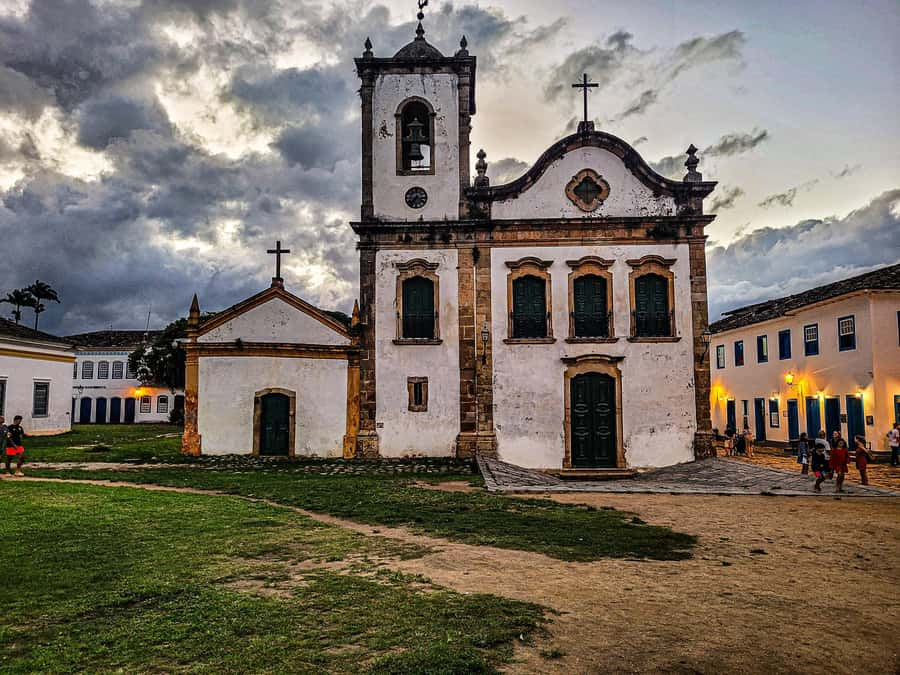
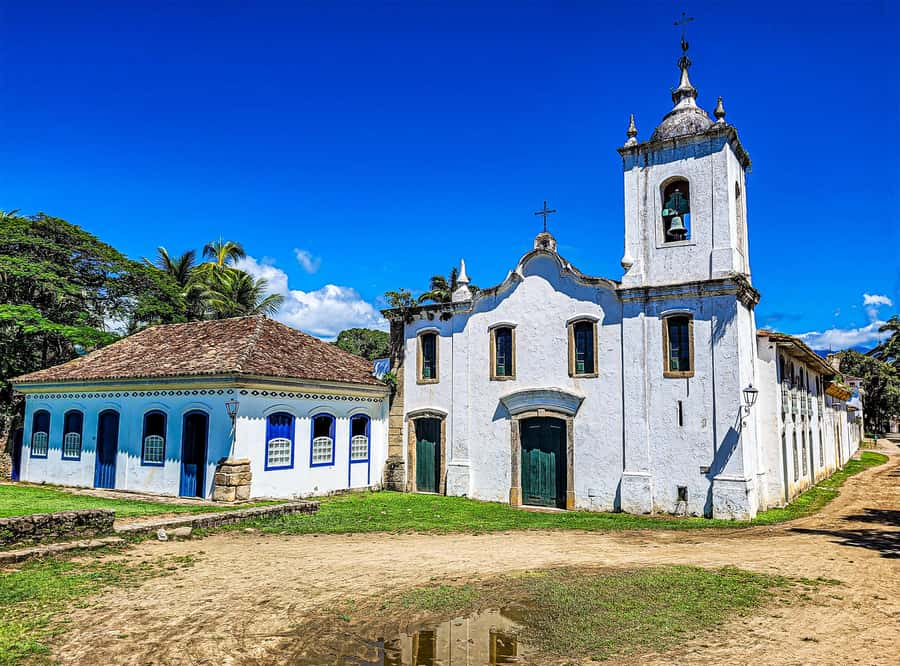
The church portion is one of the main reasons people choose this tour. You can expect stops at several classic sites in the historic center, including:
- Capela de Santa Rita
- Igreja de Nossa Senhora do Rosário e São Benedito
- Igreja Matriz Nossa Senhora do Remédios
- Capela de Nossa Senhora das Dores
But here’s the practical twist: churches are only visited if they’re open during your tour window. So if you’re visiting at a time when many religious sites are more likely to be closed, you might see fewer interiors than you hoped. Still, the walk is designed to keep moving and stay informative, even if one door doesn’t open.
What I like about including multiple churches is that they let you compare style and role. Churches in Paraty aren’t just “pretty buildings.” They show the town’s religious culture and how different communities and eras left their mark. Even if you mainly catch exterior views, you’ll get enough explanation to make those views meaningful.
One more cost-related note: admission fees are not included. If a church or museum charges, you’ll pay that separately.
Museums in the Mix: Learning Without a Big Detour
The tour also references visiting Paraty museums as part of the experience, alongside the classic churches. The time window is tight—90 minutes to 2 hours—so think of museum time as a short contextual stop, not a long deep-dive into a single collection.
That pacing can be a strength. Instead of losing an entire afternoon to one building, you get quick grounding: how Paraty presents its story and artifacts, and how that connects to the architecture and the trade history you’re hearing from your guide.
If you want museums as a major part of your trip, you can use this walk as your “orientation.” Then later, you can decide which places deserve longer visits. Just remember the entrance fees are not included, so keep a little extra budget handy.
The Cachaçaria Finale: Optional Drinks Tasting in the Historic Center
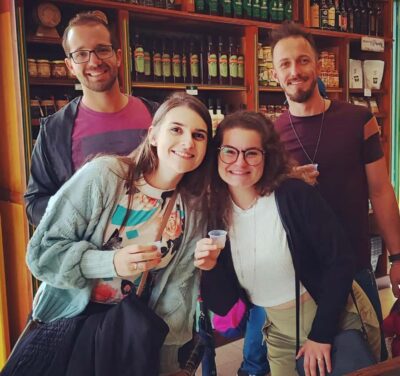
At the end of the walk, you stop for cachaça and liqueur tasting at a cachaçaria in the Historic Center. The tasting is optional, and beverages aren’t listed as included, so plan on paying for what you choose to drink.
This final stop is a clever way to shift from history to everyday culture. Paraty’s identity isn’t only colonial churches and painted façades; it also lives in local traditions like cachaça production. Even if you’re not a big liquor fan, a tasting is usually a short, low-pressure way to experience what’s local without needing a full meal.
Practical tip: if you’re going to keep exploring afterward, pace yourself. You’ll likely have already walked a lot, and tasting turns “just one sip” into “maybe a few.” It’s fun, but treat it like a tasting—taste, learn, and don’t overdo it.
Price and Value: Is $72 Worth It?
At $72 per person, the big value question is what you’re getting for that money. Here’s what the price buys you in real terms:
- A professional guide (English, Spanish, or Portuguese depending on the option)
- A private or shared walking format
- The guided route through the UNESCO historic center
- Church and museum stops where open and feasible
- An optional tasting stop at a cachaçaria
What you might pay extra for: entrance fees to attractions and any beverages/food, since those aren’t included. In other words, the $72 is mostly for the guide and the guided experience, not for admission tickets and drinks.
This makes the tour a good deal if you want structure. Without a guide, you can walk Paraty on your own—but you’d have to piece together why 1667 matters, how the gold port role shaped the town, and what each church represents. Paying for a guide is often the difference between wandering and understanding.
Group choice also changes value:
- Private option: up to 2 hours, starts anytime between 8 am and 5 pm, and includes bilingual guides (English/Spanish).
- Shared option: fixed departures at 9 am and 5:30 pm, about 1.5 hours, with a Portuguese-only guide.
If language matters to you, go private. If you’re price-sensitive and Portuguese works, the shared option is a solid way to get the key landmarks and the main story fast.
Who Should Book This Walk (and Who Should Skip It)
This is a great fit if you:
- Want a guided walk through Paraty’s UNESCO historic center
- Care about history tied to specific places (churches, architecture, trade)
- Prefer a short outing (90 minutes to 2 hours) over a full-day plan
- Like the idea of ending with an optional cultural tasting
It’s not a great fit if you have back problems or mobility impairments. The tour explicitly isn’t suitable for people with those needs, and the streets are irregular, so plan accordingly.
If you’re traveling with kids, you might still enjoy it, but the length and walking pace may be a deciding factor. For families, I’d think about whether you want a strict guided schedule or a more flexible stroll.
Should You Book the Paraty Historical City Walking Tour?
I’d book this tour if you want the fastest way to turn Paraty from a pretty old town into a place with context. The price makes sense because you’re paying for interpretation: the 1667 Portuguese foundation, the gold export port role, and the way the churches and painted architecture fit into that story. Add in optional cachaça tasting at the end, and you get both cultural learning and a fun local taste.
Skip it or rethink it if you’re hoping for guaranteed church interiors every stop, since churches only visit when open. And if walking on irregular streets is a problem for you, choose a different plan.
FAQ
How long is the Paraty Historical City Walking Tour?
It lasts between 90 minutes and 2 hours, depending on the option and the start time.
Where does the tour meet?
The meeting point is Av. Roberto Silveira, 479 – Centro, Paraty – RJ. The exact meeting time is shared after reconfirmation.
Do I need a hotel pickup?
No. There is no roundtrip hotel transfer, so you’ll need to get yourself to the meeting point.
What languages are available?
Portuguese, English, and Spanish are available, depending on the option you choose.
What’s the difference between private and shared tours?
The private option lasts 2 hours and can start between 8 am and 5 pm, with bilingual guides (English/Spanish). The shared option departs at 9 am and 5:30 pm, lasts about 1.5 hours, and uses a Portuguese-speaking guide only.
Are church visits guaranteed?
Churches are only visited if they are open during your tour time.
Are entrance fees included for churches or museums?
No. Entrance fees are not included.
Is the cachaça tasting included?
The tasting stop is optional, and food and beverages are not included.
Is the tour suitable for people with mobility issues?
No. It is not suitable for people with back problems or mobility impairments.
Can I cancel and get a refund?
Yes. Free cancellation is available up to 24 hours in advance for a full refund.
More Day Trips to Paraty






More of Historic Downtown Rio



Fresh off the review desk: newer Paraty tours we have been out on





Historic & Downtown Rio, compared.
 ★ 4.4Historic Rio and Santa Teresa Half-Day TourFrom $47228 reviews
 ★ 4.8Paraty: Historic Centre Walking Tour & Cachaça TastingFrom $1996 reviews
 ★ 5.0Learn the History of Rio with an Unforgettable City Center Walking TourFrom $4982 reviews
 ★ 4.5Rio’s city walking tour: a glimpse of history and olympic legacyFrom $6078 reviews
 ★ 4.5Olympic Boulevard, Museum of Tomorrow & Historical RioFrom $7266 reviews
 ★ 4.5Olympic Boulevard, AquaRio and Museum of Tomorrow TourFrom $4954 reviews
 ★ 4.5Aqua Rio + Olympic Boulevard Tour – Rio de Janeiro by Pepe Rio ToursFrom $4554 reviews
 ★ 5.0Private walk tour of Paraty’s historical center – BY PARATY TOURSFrom $8049 reviews
Browse the lists this tour appears in