
Reviewed · SAMBA & CARNIVAL EXPERIENCES
Ginga Tropical Show – Brazilian Rhythms
Carnival energy, minus the street chaos. The Ginga Tropical Show brings live drumming and full-volume Brazilian music and dance to a small Rio venue in the Botafogo area. It’s built to keep you moving—dancers in costume, fast rhythms, and moments where you’ll likely be pulled into the action.
What I like most is the variety: you’ll see samba, bossa nova, lambada, forró, and even capoeira, plus folklore-style reenactments that reference different regions of Brazil. Second, I enjoy that the show is guided with context—your guide explains the role of the social dance hall in Rio’s history while the music changes from style to style.
One thing to consider: the experience is generally reliable, but there are recurring reports about timing, pickup, and seating comfort (including an occasional overbooking or dinner mismatch). If you’re the type who hates uncertainty, build in a little buffer and confirm details right before you go.
In This Review
- Key things that make Ginga Tropical worth your time
- Ginga Tropical Show: a mini Carnival night with real music and movement
- What you’ll actually see: samba, bossa nova, lambada, forró, and capoeira
- How the evening flows: getting to Centro Cultural Veneza and watching the segments build
- Hotel pickup, timing, and the Rio logistics reality check
- Seating and theater setup: small venue, mixed comfort
- Optional Brazilian barbecue dinner: a good add-on, with one big caveat
- Value for money: does $97.82 make sense for what you get?
- Who will love Ginga Tropical Show most
- Should you book Ginga Tropical Show?
- FAQ
- How long is the Ginga Tropical Show?
- Does the price include hotel pickup and drop-off?
- What does the ticket include?
- Is food included in the standard show ticket?
- Is there an optional dinner upgrade?
- What’s the minimum age for the show?
- Where is the ticket office for the ticket-only option?
- How big are the tour groups?
- Is free cancellation available?
Key things that make Ginga Tropical worth your time
- A “many-styles” Brazil sampler, from samba and bossa nova to lambada and forró
- Live musicians and drummers, not just recorded music
- Audience interaction, including a chance to get onstage near the end
- Folklore and ritual reenactments tied to regions like the Amazon, Pampas, Lapa, and Bahia
- Small group size (max 40), which usually keeps the vibe more personal
- Optional dinner upgrade, when it’s offered as part of your package
Where the samba keeps going after dark
- Rio de Janeiro: Beginner Samba Lesson in Ipanema★ 4.9 · 1,071 reviews
- Rio: Pub Crawl in Lapa with Cachaça Tasting and Live Samba★ 4.7 · 881 reviews
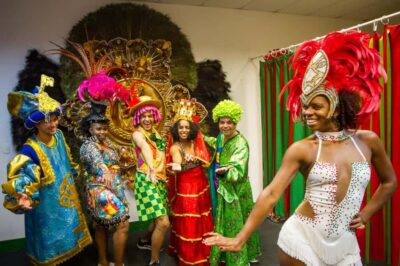
- Rio: Carnival Backstage Tour at Samba City with Cocktail★ 4.6 · 520 reviews
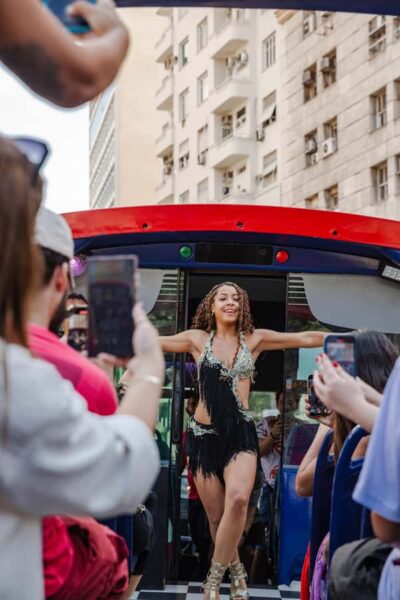
- Hop-ON Hop-OFF Sightseeing Bus in Rio de Janeiro – Rio Samba Bus★ 3.5 · 457 reviews
Ginga Tropical Show: a mini Carnival night with real music and movement
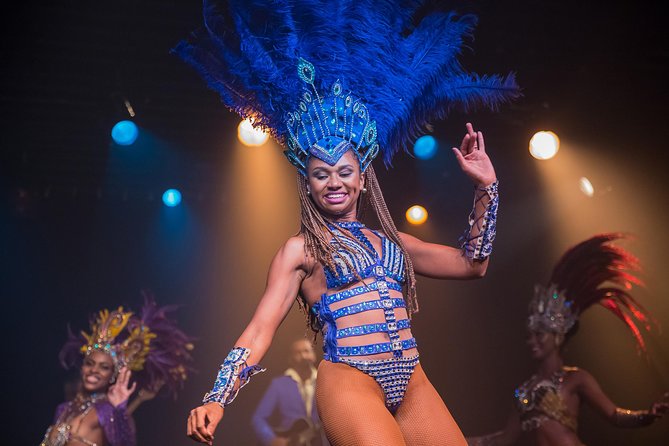
If you want a Rio night that feels like Carnival energy without fighting the crowds outside, this is a practical choice. The show is designed around rhythm and participation, so it doesn’t play like a “sit still and watch” performance. It also leans into the full-body side of Brazilian dance—your eyes will keep up, but your legs might start moving on their own.
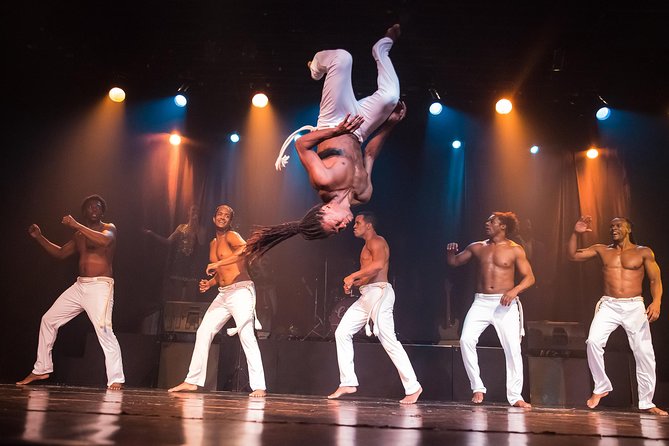
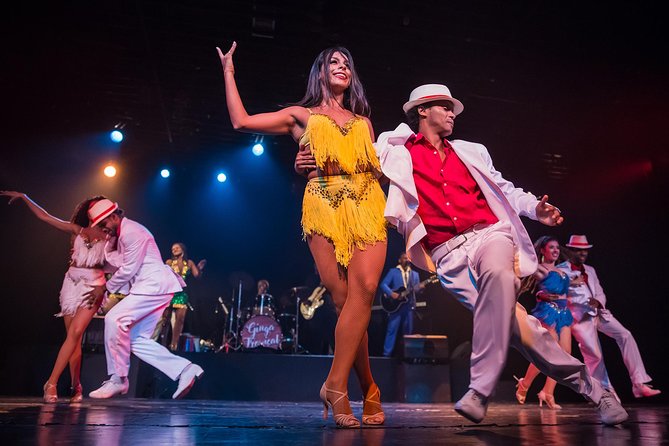
The heart of the night is simple: live musicians, drummers, and a dance cast that switches styles quickly. You’ll see samba and bossa nova, then shift into forró, lambada, and capoeira-style athletic moves. The result is a show that functions like a fast cultural playlist, but with costumes and story-like segments.
Where this gets especially good is the feel of social dancing. You’re not just watching performers; you’re getting cues about how dance works in Rio’s social spaces. Your guide also covers how dance halls fit into the city’s history, which helps the show make more sense than a list of song titles.
What you’ll actually see: samba, bossa nova, lambada, forró, and capoeira
The show’s promise is diversity, and it tries to deliver it in one sitting. Expect to move through multiple Brazilian music and dance styles, with dancers and musicians presenting each segment in sequence. In the package description, you’ll see styles explicitly called out like samba, bossa nova, lambada, and forró, plus capoeira.
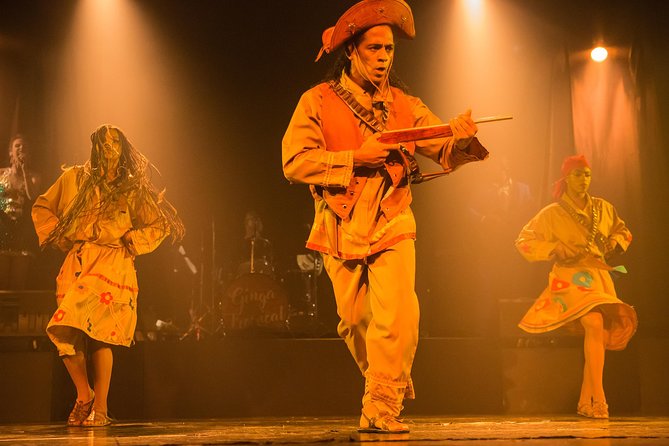
A nice detail is the “regional Brazil” framing. The show uses music and dance tales connected to places such as the Amazon, the Pampas, Lapa, and Bahia, along with references to folklore and rituals. That makes the performance feel like more than random variety. It’s meant to be a tour through Brazilian cultural expressions, with costume changes and different rhythms used to signal each turn.
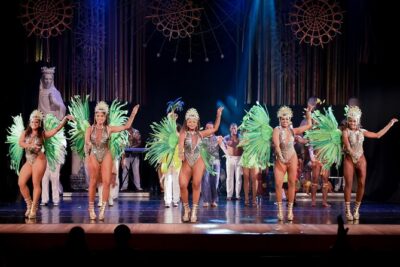
The “Carnival” element isn’t subtle. When the dancers appear in outrageous Carnival costumes and you hear live drums, the show basically tells you what to do. Many people end up staying seated early, but the format usually nudges you to join—especially near the end when audience participation is part of the program.
Finally, capoeira is included, and that matters for two reasons. One, it adds athletic, acrobatic movement to the evening. Two, it broadens the show beyond partner dances into something more combative and rhythmic, which keeps the momentum going.
How the evening flows: getting to Centro Cultural Veneza and watching the segments build
Your night starts with hotel pickup if you select it. From there, you’ll travel to the show venue in Rio de Janeiro, associated with Centro Cultural Veneza and a theater in a shopping-mall setting. In practice, the event timing can vary based on your pickup slot, so you’ll want to treat the transport time as part of the show.
The “arrival-to-performance” period can feel like the only slow part, mostly because Rio traffic can shift your schedule. Some people mention that getting to the venue can take close to an hour if you’re among the first pickups. If you’re picky about punctuality, set expectations: you’re going to be on a van, and timing depends on where you start.
Once inside, the performance unfolds like a rhythmic route through Brazilian traditions. The show description names a long run of segments tied to different dances and festivals, including (among others) Lambada, Carimbó, Xaxado, Forró, Frevo, Maculelê, Dance of Orixás, Boleadeiras (RS), Samba de Gafieira, and Parintins Festival. If that sounds like a lot, that’s the point—the show compresses a wide range into a single night.
The end of the show is where things typically get most interactive. Based on what people report, you’ll often get an invitation to dance with the cast near the finale. If you prefer to stay on the sidelines, that’s your choice, but you’ll miss some of the show’s fun because the format is built around audience energy.





Hotel pickup, timing, and the Rio logistics reality check
This is where the experience can feel smooth—or frustrating—depending on how your evening lines up. The core offer is pickup and drop-off from centrally located Rio de Janeiro hotels in the South Zone. The show runs roughly 2 to 3 hours total, and you’ll typically spend part of that on the van.
Two timing facts matter a lot. First, the specific departure time is determined upon reconfirmation, so don’t trust just one number on day one. Second, show start times may be later than your pickup time. One set of details shared includes pickup just before the late-evening start (for example, a pickup around 7:50 with a show start later), which means you could be sitting and waiting if you arrive expecting earlier.
Pickup reliability shows up strongly in the positive feedback—people describe guides showing up on time and having a smooth van ride. Still, there are also negative reports of late drivers, no pickup, or overbooked situations that affect seating comfort. Those aren’t universal, but they’re real enough that you should plan like an adult: confirm the day before, know where you’re going, and give yourself buffer time.
Practical tip: if you have dinner plans elsewhere afterward, keep them flexible. This show can run into the late night, and it’s not the best place to stack strict reservations back-to-back.
Seating and theater setup: small venue, mixed comfort
The show happens in a relatively small theater space inside a shopping-mall venue. That’s generally part of why the show feels close to you. You’re not far from the performers, and the pacing stays tight because it’s built for a compact stage.
But small theaters bring their own trade-offs. There are reports of plastic chairs and some discomfort if you’re assigned to less ideal spots. One negative account describes people sitting in awkward positions like steps, and that kind of thing can happen when seating is tight or when overbooking occurs.
What you can control: arrive early if you can, and follow your guide’s instructions about where to line up. Also, if you’re sensitive to seating, consider sitting toward the most stable level you can find, rather than chasing a perfect view at the expense of comfort.
A separate note from positive feedback: some people praised sound, air conditioning, and overall production quality, while others said the theater’s acoustics and A/C could be improved. In other words, expect a good show, but don’t treat the building itself like a concert hall.
Optional Brazilian barbecue dinner: a good add-on, with one big caveat
There’s an optional upgrade that pairs the show with a Brazilian barbecue-style dinner. In the description, the upgrade is a sit-down buffet with barbecued meats, local specialties, seafood, and salads. Dessert and drinks are available for purchase.
Here’s the caveat: dinner availability and how it’s delivered can change. Some people report that dinner wasn’t offered as expected when the show location shifted to the mall theater, and refunds were provided for the dinner portion. Others describe dinner that felt more formal and plentiful than they expected from the words BBQ dinner, and note the food experience was a major highlight.
So how should you think about it? If you want the full “Rio night out” package, the dinner upgrade can be a strong value—especially when it works as advertised. If you’re on a tight schedule or you hate uncertainty, you might prefer the ticket-only route and plan a meal you control before or after the show.
Either way, I’d treat the show as the main event and keep dinner as the bonus.
Value for money: does $97.82 make sense for what you get?
At about $97.82 per person, this isn’t a budget impulse buy—but it can still feel fair if you want a concentrated, high-energy cultural performance. The price typically covers a ticket, a professional guide, and (if selected) hotel pickup and drop-off. You also get a tightly packaged evening: multiple Brazilian styles, live music, costumes, and audience interaction in a single sitting.
What you’re paying for is basically production and momentum. This isn’t a museum lesson; it’s performance art that moves quickly. If you’re excited by live drumming, dance energy, and the idea of seeing lots of styles in one night, the ticket can feel like good entertainment value.
Who should buy it?
- You’ll likely enjoy it if you want a “great night out” in Rio without planning separate events.
- It’s a strong fit for people who like interactive shows and don’t mind being encouraged to join.
- It can also work well for families, since there’s a minimum age of 6.
Who might hesitate?
- If you’re highly sensitive to schedule drift, this may not be your easiest night. Transport times and theater comfort seem to vary based on circumstances.
- If you’re buying the dinner upgrade, know there’s evidence of occasional mismatch between expectations and what’s available on the evening.
If you’re flexible and you confirm details ahead of time, the value improves fast.
Who will love Ginga Tropical Show most
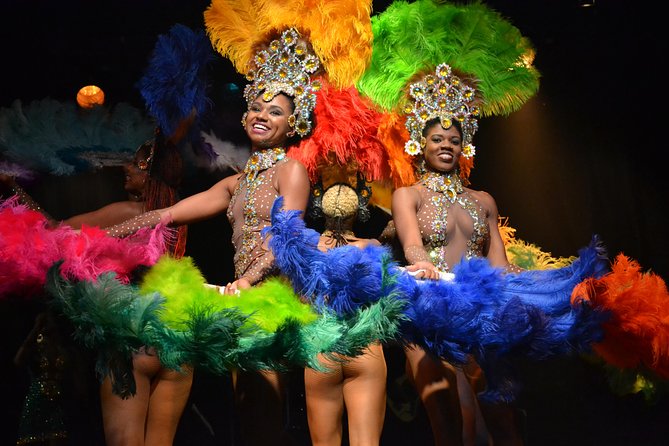
I’d point you here if you want an evening that teaches you without turning into a lecture. The guide adds context about dance in Rio’s social history, and the show offers a fast tour through Brazilian regions through folklore-style segments.
You’ll also enjoy it if you like a big, high-energy production. Even people who went straight after a full day often describe that the show kept their group awake and engaged, mostly because the energy doesn’t drop.
If you prefer calm, quiet performances with minimal audience interaction, you’ll want to think twice. This show is built for movement—especially with live drumming and the chance to dance near the end.
Should you book Ginga Tropical Show?
I think you should book if your goal is a single-night dose of Brazilian rhythm in Rio: samba, bossa nova, lambada, forró, and capoeira, with live musicians and a guide that adds context. The overall structure makes it easy to get value quickly, and the small-group size (max 40) usually keeps things from feeling like a factory show.
I’d only skip it if you know you’ll be stressed by possible rough edges—like late pickup reports, tight seating, or the dinner upgrade not matching what you expected. If you do book, confirm the reconfirmed pickup and show time, and consider the show ticket as the core product.
FAQ
How long is the Ginga Tropical Show?
It typically runs about 2 to 3 hours, including hotel pickup/drop-off time if that option is selected.
Does the price include hotel pickup and drop-off?
Hotel pickup and drop-off are included only if you choose the option with transport. Otherwise, it’s ticket-only.
What does the ticket include?
The ticket includes the entrance to the Ginga Tropical Show and a professional guide.
Is food included in the standard show ticket?
Food and beverages are not included in the ticket.
Is there an optional dinner upgrade?
Yes. There’s an optional Brazilian Barbecue Dinner upgrade with a buffet that includes barbecued meats, local specialties, seafood, and salads. Dessert and drinks are available for purchase.
What’s the minimum age for the show?
The minimum age is 6 years.
Where is the ticket office for the ticket-only option?
For ticket-only purchases, you pick up at Centro Cultural Veneza, Avenida Pasteur, 184, Botafogo, Rio de Janeiro.
How big are the tour groups?
This tour has a maximum of 40 travelers.
Is free cancellation available?
Yes, you can cancel for a full refund up to 24 hours in advance of the experience’s start time.
More Tour Reviews in Rio de Janeiro






More Samba and Carnival Nights




Fresh off the review desk: newer Rio de Janeiro tours we have been out on





Samba & Carnival Experiences, compared.
 ★ 4.9Beginner Samba Lesson in IpanemaFrom $251,071 reviews
 ★ 4.7Pub Crawl in Lapa with Cachaça Tasting and Live SambaFrom $33881 reviews
 ★ 4.6Carnival Backstage Tour at Samba City with CocktailFrom $27520 reviews
 ★ 3.5Hop-ON Hop-OFF Sightseeing Bus in Rio de Janeiro – Rio Samba BusFrom $30457 reviews
 ★ 4.6Samba Class in CopacabanaFrom $25262 reviews
 ★ 4.7Ginga Tropical Samba and Folklore Show TicketFrom $61231 reviews
 ★ 4.5Ginga Tropical – Brazilian Samba and Folklore ShowFrom $65216 reviews
 ★ 4.4Pedra do Sal: Live Samba Night with Local Guide & DrinkFrom $41183 reviews
Browse the lists this tour appears in